Coton-Beagle
The Coton-Beagle is a cross between the Coton de Tulear and the Beagle. Because each hybrid inherits a unique combination of traits from both parents, we recommend thoroughly researching both breeds before choosing a Coton-Beagle. Pay special attention to temperament, health issues, and care requirements, as your dog may express characteristics from either parent breed.
Coton de Tulear

The Coton de Tulear is a small, sturdy companion dog that stands between nine and eleven inches tall at the shoulder, with males typically reaching the upper end of this range and females staying slightly smaller. Males generally weigh between nine and fifteen pounds, while females range from eight to thirteen pounds. The breed possesses a well-proportioned body that is slightly longer than it is tall, creating a rectangular silhouette that conveys both elegance and substance. Despite their diminutive size, these dogs have a surprisingly robust and muscular build hidden beneath their abundant coat, with well-sprung ribs and a level topline that contributes to their balanced appearance. The most distinctive feature of the Coton de Tulear is undoubtedly its remarkable coat, which has a unique cotton-like texture that gives the breed its name. This long, dry, and fluffy coat can reach several inches in length and is predominantly white, though some individuals may display slight shadings of light tan or gray around the ears. The coat is dense and often wavy rather than silky, creating an almost cloud-like appearance that is both eye-catching and incredibly soft to the touch. Unlike many other long-coated breeds, the Coton's hair has a distinctive texture that resists matting to some degree, though regular grooming remains essential. The head is triangular in shape when viewed from above, with a slightly rounded skull and a moderately defined stop. The muzzle is relatively short compared to the skull length, tapering slightly toward a black nose. The eyes are round, dark, and expressive, conveying the breed's characteristic happy and alert demeanor. The ears are set high on the head, triangular in shape, and drop down close to the cheeks, covered in the same cotton-like fur as the body. The tail is set low and curves gracefully upward when the dog is alert or in motion, often carried over the back with a distinctive hook at the tip.
Key Characteristics
Temperament Temperament Temperament Temperament Temperament Temperament Training a Coton de Tulear is generally a pleasant experience due to their eager-to-please nature and quick intelligence. They respond exceptionally well to positive reinforcement methods and can become stubborn or withdrawn if subjected to harsh training techniques. The breed may take longer than average to housetrain, requiring patience and consistency from their owners. One notable trait is their tendency to develop separation anxiety if left alone for extended periods, as they were bred specifically for companionship and crave constant human contact. Early socialization is important to prevent excessive timidity around new experiences and to develop a well-rounded adult dog.
Health Considerations Health Considerations Health Considerations Health Considerations Health Considerations Health Considerations Other health considerations for the Coton de Tulear include dental disease, which is common in small breeds due to their compact jaw structure and crowded teeth. Daily tooth brushing and regular professional dental cleanings are essential preventive measures. The breed may also experience skin allergies triggered by environmental factors like pollen and dust or food sensitivities, manifesting as itching, redness, and skin irritation. Ear infections can occur due to the breed's drop ears, which can trap moisture and debris. Some Cotons may be affected by liver shunts, a congenital condition affecting blood flow through the liver, or heart conditions that require ongoing veterinary monitoring and management.
Beagle
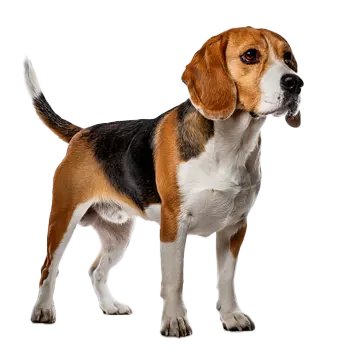
The Beagle is a compact and sturdy hound that comes in two size varieties recognized by the American Kennel Club: those standing thirteen inches or under at the shoulder and those measuring between thirteen and fifteen inches. Regardless of variety, Beagles are solidly built dogs with a body that is slightly longer than tall, creating a balanced rectangular outline that speaks to their hunting heritage. Weight typically ranges from twenty to thirty pounds, with dogs at the larger end of the height spectrum naturally weighing more. The breed possesses a broad chest with well-sprung ribs that provide ample lung capacity for extended periods of tracking, along with a level topline and moderately muscular hindquarters that enable efficient, ground-covering movement. The Beagle's coat is a defining characteristic of the breed, consisting of a dense, hard outer layer that provides excellent protection against brush and weather conditions during hunting activities. This double coat lies close to the body and requires relatively minimal grooming compared to longer-coated breeds. The most recognizable color pattern is the classic tricolor combination of black, white, and tan, though the breed also appears in various other hound colors including red and white, lemon and white, and different variations of these patterns. A characteristic white-tipped tail, known as a flag, helps hunters spot the dog in tall grass or dense cover. The head is fairly long and slightly domed, with a moderate stop and a square-cut muzzle that houses the breed's legendary scenting apparatus. The large, soft brown or hazel eyes convey a gentle, pleading expression that is quintessentially Beagle. Perhaps the most distinctive facial feature is the ears, which are long, low-set, and rounded at the tips, reaching nearly to the end of the nose when drawn forward. These pendulous ears serve a practical purpose, helping to funnel scents toward the nose while the dog tracks. The neck is of medium length, allowing the dog to easily drop its nose to the ground, and the tail is carried high with a slight curve but never curled over the back.
Key Characteristics
Temperament Temperament Temperament Temperament Temperament Temperament Training a Beagle requires patience, consistency, and a good sense of humor, as they can display a stubborn streak when something more interesting captures their attention. They respond best to positive reinforcement methods, particularly those involving food rewards, as the breed is notably food-motivated. Despite their independent nature when following a scent, Beagles are generally eager to please and can excel in various activities including tracking, agility, and obedience when properly motivated. The breed benefits greatly from early socialization to channel their natural friendliness appropriately and to prevent any tendency toward timidity. They can be prone to separation anxiety and may resort to destructive behavior or excessive vocalization if left alone for extended periods.
Health Considerations Health Considerations Health Considerations Health Considerations Health Considerations Health Considerations Epilepsy occurs with notable frequency in Beagles, causing seizures that can range from mild to severe. While the condition cannot be cured, it can usually be well-controlled with medication. Intervertebral disc disease may affect some Beagles, particularly as they age, causing back pain and potentially mobility issues. Eye conditions including progressive retinal atrophy, glaucoma, and cherry eye have been documented in the breed. Beagles may also experience dental problems requiring regular veterinary attention, and some individuals develop allergies manifesting as skin irritation or digestive upset. A condition known as Beagle Pain Syndrome, or steroid responsive meningitis, though relatively rare, is a breed-specific inflammatory condition that primarily affects puppies and young adults.
Important to Remember
Each hybrid dog is unique and may inherit any combination of traits from either parent breed. The information above represents the characteristics of the purebred parent breeds. Your Coton-Beagle may favor one parent over the other or display a blend of both. We strongly encourage you to read the complete breed profiles for both the Coton de Tulear and Beagle to fully understand the range of possible temperaments, health concerns, and care requirements.