Corgi Pug
The Corgi Pug is a cross between the Welsh Corgi and the Pug. Because each hybrid inherits a unique combination of traits from both parents, we recommend thoroughly researching both breeds before choosing a Corgi Pug. Pay special attention to temperament, health issues, and care requirements, as your dog may express characteristics from either parent breed.
Welsh Corgi
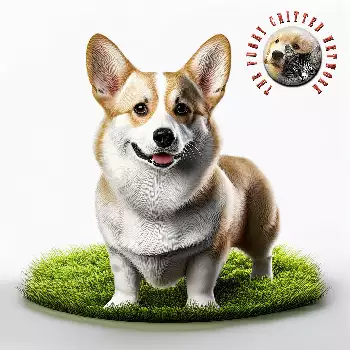
The Welsh Corgi is a small but remarkably sturdy herding dog that stands between ten and twelve inches tall at the shoulder and typically weighs between twenty-two and thirty-one pounds, with males ranging from twenty-seven to thirty pounds and females slightly lighter at twenty-five to twenty-eight pounds. This breed possesses a distinctively long body set on short, powerful legs, creating a low-to-ground silhouette that was purposefully developed for herding cattle by nipping at their heels while ducking beneath retaliatory kicks. The Corgi's build reflects its achondroplastic nature, meaning it has a form of dwarfism that results in shorter limbs while maintaining a normal-sized torso. Despite their compact stature, these dogs are surprisingly athletic and agile, with strong bone structure and well-developed musculature throughout their frame. The breed's head is often described as fox-like in appearance, featuring a moderately wide skull that tapers toward the muzzle, creating an alert and intelligent expression that captures their keen awareness. Their ears are medium-sized, erect, and slightly rounded at the tips, standing firmly upright and contributing to their attentive demeanor. The eyes are medium-sized, oval-shaped, and typically dark in color, conveying warmth and intelligence. Welsh Corgis possess a weather-resistant double coat consisting of a thick, soft undercoat beneath a longer, coarser outer layer that sheds heavily, particularly during seasonal changes. This coat comes in several attractive color variations including red, sable, fawn, and black and tan, often accented with white markings on the chest, neck, legs, and face. One distinctive feature of the Pembroke variety is their naturally bobbed tail or docked appearance, which gives them a rounded rear profile that distinguishes them from the Cardigan Welsh Corgi. Their overall build is robust and well-proportioned despite the shortened legs, with a level topline and deep chest that provides ample lung capacity for their active lifestyle. The feet are oval-shaped and compact, with thick pads that provide excellent traction when moving livestock or navigating various terrains.
Key Characteristics
Temperament Temperament Temperament Temperament Temperament Temperament Socialization from an early age is essential for developing a well-rounded Corgi temperament. While naturally friendly, they can be reserved with strangers initially until they assess the situation. They generally get along well with other pets when properly introduced and can adapt to various living situations as long as their exercise needs are met. Corgis form strong bonds with their families and may experience separation anxiety if left alone for extended periods. Their combination of affection, intelligence, and spirited personality makes them engaging and entertaining companions.
Health Considerations Health Considerations Health Considerations Health Considerations Health Considerations Health Considerations Obesity is a significant health concern for Welsh Corgis due to their love of food and relatively low exercise requirements compared to their appetite. Excess weight places additional strain on their already vulnerable spine and joints, potentially accelerating the development of orthopedic problems. Epilepsy has been reported in the breed, causing recurring seizures that may require lifelong medication management. Regular veterinary checkups, maintaining a healthy weight, avoiding excessive jumping or stair climbing, and purchasing from breeders who perform health screenings can help ensure a long and healthy life for these beloved companions.
Pug
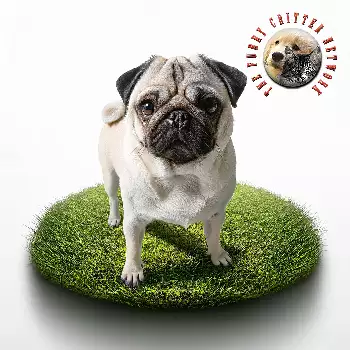
The Pug is a compact, square-proportioned toy breed that stands approximately ten to fourteen inches tall at the shoulder and weighs between fourteen and eighteen pounds. Despite their small size, Pugs possess a surprisingly solid and muscular build that reflects their mastiff ancestry, earning them the distinction of being among the sturdiest members of the toy group. Their body is cobby and thick-set, with a wide chest and well-developed musculature that creates a substantial feel when handling these dogs. The overall impression is one of compactness and strength packed into a diminutive frame. The Pug's most recognizable feature is undoubtedly its distinctive head, which is large and round with a flat, brachycephalic face. The muzzle is extremely short and blunt, creating the characteristic pushed-in appearance that defines the breed. Deep wrinkles cover the forehead and face, with the vertical wrinkle on the forehead traditionally called the prince mark due to its resemblance to a Chinese character. Their eyes are large, round, and prominently set in the skull, conveying an expression that ranges from soulful to mischievous. The ears are small, soft, and thin, folding either in a rose or button shape close to the head. A tightly curled tail that rests over the hip completes the distinctive silhouette. The Pug's coat is short, smooth, fine, and glossy, lying close to the body and requiring minimal grooming beyond regular brushing. The breed comes in several accepted colors including fawn, which ranges from a light cream to a deeper apricot shade, and solid black. Fawn-colored Pugs display a characteristic black mask covering the muzzle and a trace line running down the spine. Some silver Pugs also exist, though this color is less common. The skin beneath the coat should feel smooth, and the overall texture of the coat contributes to the breed's neat, polished appearance.
Key Characteristics
Temperament Temperament Temperament Temperament Temperament Temperament Pugs are notably sociable and typically friendly toward strangers, other dogs, and even cats when properly introduced. They lack the strong territorial or protective instincts of many breeds, preferring to greet visitors warmly rather than guard the home. While intelligent, Pugs can display a stubborn streak during training, requiring patience, consistency, and food motivation to achieve results. Their eagerness to please their owners generally balances this stubbornness, making them trainable with the right approach. Pugs adapt remarkably well to families with children, apartment living, and households with multiple pets, making them versatile companions for many different situations.
Health Considerations Health Considerations Health Considerations Health Considerations Health Considerations Health Considerations Pug Dog Encephalitis is a devastating inflammatory brain disease unique to this breed that typically affects young to middle-aged Pugs. This fatal condition causes seizures, behavioral changes, and progressive neurological decline. Skin fold dermatitis can develop in the facial wrinkles if not kept clean and dry, creating an environment for bacterial or yeast infections. Orthopedic concerns include hip dysplasia and luxating patella, where the kneecap dislocates from its normal position. Hemivertebrae, a spinal malformation, can cause pain and neurological problems. Pugs are also prone to obesity due to their love of food and sedentary nature, which exacerbates breathing difficulties and joint stress. Their lifespan typically ranges from twelve to fifteen years with proper care and management of these health conditions.
Important to Remember
Each hybrid dog is unique and may inherit any combination of traits from either parent breed. The information above represents the characteristics of the purebred parent breeds. Your Corgi Pug may favor one parent over the other or display a blend of both. We strongly encourage you to read the complete breed profiles for both the Welsh Corgi and Pug to fully understand the range of possible temperaments, health concerns, and care requirements.