Corgi Basset
The Corgi Basset is a cross between the Basset Hound and the Welsh Corgi. Because each hybrid inherits a unique combination of traits from both parents, we recommend thoroughly researching both breeds before choosing a Corgi Basset. Pay special attention to temperament, health issues, and care requirements, as your dog may express characteristics from either parent breed.
Basset Hound

The Basset Hound is a distinctive medium to large scent hound that combines substantial weight with surprisingly short stature, creating an immediately recognizable silhouette beloved by dog enthusiasts worldwide. Despite standing no more than 14 to 15 inches at the shoulder, Basset Hounds typically weigh 40 to 65 pounds, with some males reaching up to 80 pounds. This hefty build results from the breed possessing the heaviest bone structure relative to size of any dog breed. The Basset's short legs are a result of achondroplasia, a form of dwarfism that was deliberately bred into the line to create a dog that could track scent while moving slowly enough for hunters to follow on foot. The Basset Hound's head is large and well-proportioned, featuring a distinctively domed skull and prominent occiput. The breed's most memorable features include extremely long, velvety ears set low and well back on the head that can extend beyond the nose when drawn forward. These pendulous ears serve a functional purpose, helping to stir up ground scent and funnel it toward the nose, which possesses scenting ability second only to the Bloodhound. Deep-set eyes convey the breed's characteristic mournful expression, enhanced by prominent nictitating membranes and loose facial skin that forms wrinkles on the forehead. The dewlap, or loose skin around the neck, and heavy flews complete the distinctive facial appearance. The Basset Hound's body is long and low to the ground, with a deep chest, well-sprung ribs, and a level back. The forelegs are short, heavy-boned, and often slightly crooked, with massive paws that turn slightly outward to provide stable support for the broad shoulders. The coat is short, smooth, and dense, providing adequate protection in the field. Any recognized hound color is acceptable, though tricolor combinations of black, white, and tan or bicolor patterns of lemon and white are most commonly seen. The long tail curves upward and is carried gaily when the dog is in motion.
Key Characteristics
Temperament Temperament Temperament Temperament Temperament Temperament Basset Hounds are notably vocal dogs, possessing a deep, melodious bark and distinctive howl that they employ freely to communicate excitement, alert their families to visitors, or express their opinions. This vocalization, while charming to many owners, can become excessive without proper training and may present challenges in apartment living situations. The breed's laid-back nature means they are not high-energy athletes, though they do require regular moderate exercise to prevent obesity and maintain joint health. Their friendly disposition extends to other dogs and household pets, reflecting their heritage as pack animals bred to work cooperatively.
Health Considerations Health Considerations Health Considerations Health Considerations Health Considerations Health Considerations Additional health concerns include primary open-angle glaucoma, with Basset Hounds showing the second-highest prevalence among all breeds studied at approximately 5.44 percent. Basset Hound thrombopathy is an inherited bleeding disorder specific to the breed where platelets fail to clot properly, creating excessive bleeding risks during surgery or injury. Ear infections occur frequently due to long, pendulous ears that trap moisture and debris, requiring regular cleaning and monitoring. Seborrhea causes overproduction of skin oils, leading to greasy coat, scabs, and odor. Wobbler syndrome, a neurological condition affecting neck vertebrae, can cause coordination problems and mobility loss. Cancer represents the leading cause of death in older Basset Hounds.
Welsh Corgi
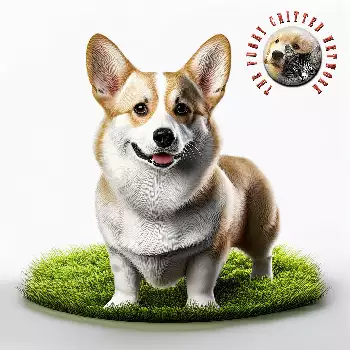
The Pembroke Welsh Corgi is a small but remarkably sturdy herding dog with a distinctive long body and short legs that belie its surprising athleticism and working capability. Standing 10 to 12 inches at the shoulder, males typically weigh around 30 pounds while females average approximately 28 pounds. The breed is achondroplastic, meaning it is a true dwarf breed, with the characteristic shortened limbs that allow it to effectively herd cattle by nipping at their heels while ducking beneath retaliatory kicks. Despite their low stature, Pembroke Welsh Corgis possess a substantial, well-muscled body with sufficient bone to handle livestock much larger than themselves. The Pembroke Welsh Corgi's head is foxy in appearance, featuring a moderately wide, flat skull that tapers toward the eyes, erect ears that are slightly rounded at the tips, and an intelligent, interested expression. The medium-length neck flows into a deep chest and well-sprung ribs that provide ample heart and lung room for the breed's demanding work. The body is fairly long relative to height, though not extreme, and the topline is level. One distinguishing feature from the closely related Cardigan Welsh Corgi is the tail; Pembrokes are often born with naturally short tails or have their tails docked in countries where the practice is permitted. The breed's weather-resistant double coat consists of a short, thick, weather-resistant undercoat covered by a longer, coarser outer coat. Coat colors include red, sable, fawn, and black and tan, all typically displaying white markings on the legs, chest, neck, muzzle, and underparts. Some individuals display the distinctive fairy saddle marking, a pattern of lighter colored hair over the shoulders. The coat sheds heavily, particularly during seasonal changes, and requires regular brushing to manage loose hair. The Pembroke Welsh Corgi's combination of compact size, sturdy build, and big-dog personality has made it enormously popular worldwide.
Key Characteristics
Temperament Temperament Temperament Temperament Temperament Temperament Pembroke Welsh Corgis typically interact well with children, particularly those who understand appropriate dog handling, though their herding instincts may prompt them to chase or nip running children. Early socialization helps channel these behaviors appropriately. The breed generally coexists well with other dogs and household pets, though their bold nature means they rarely back down from confrontations regardless of size differences. Daily exercise is essential for this active breed, as insufficient activity combined with their love of food creates a significant obesity risk that can exacerbate the breed's susceptibility to back problems.
Health Considerations Health Considerations Health Considerations Health Considerations Health Considerations Health Considerations Eye conditions requiring monitoring include progressive retinal atrophy, which causes gradual vision loss, cataracts, and distichiasis, a condition where eyelashes grow in abnormal positions and irritate the cornea. Von Willebrand disease, a bleeding disorder affecting blood clotting ability, occurs in the breed and should be tested for before any surgical procedures. Patent ductus arteriosus is a congenital heart defect occasionally seen in Pembroke Welsh Corgis. Dermatomyositis, an inflammatory condition affecting skin and muscles, has been documented in the breed. Obesity represents a particularly serious concern due to the breed's food motivation and the strain excess weight places on their already vulnerable spinal structures.
Important to Remember
Each hybrid dog is unique and may inherit any combination of traits from either parent breed. The information above represents the characteristics of the purebred parent breeds. Your Corgi Basset may favor one parent over the other or display a blend of both. We strongly encourage you to read the complete breed profiles for both the Basset Hound and Welsh Corgi to fully understand the range of possible temperaments, health concerns, and care requirements.