Cockinese
The Cockinese is a cross between the Cocker Spaniel and the Pekingese. Because each hybrid inherits a unique combination of traits from both parents, we recommend thoroughly researching both breeds before choosing a Cockinese. Pay special attention to temperament, health issues, and care requirements, as your dog may express characteristics from either parent breed.
Cocker Spaniel
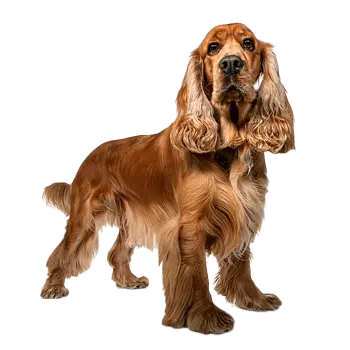
The American Cocker Spaniel is a compact, athletic dog that stands as the smallest member of the sporting group recognized by the American Kennel Club. Males and females typically measure between 13 to 15 inches at the shoulder, with weights ranging from 20 to 30 pounds, creating an ideal size for both field work and family companionship. The breed possesses a well-balanced, sturdy frame that combines strength with grace, featuring a refined head with a rounded skull and a pronounced stop. The muzzle is broad and deep with square, even jaws, while the large, dark, round eyes convey an intelligent, alert, and appealing expression that is characteristic of the breed and has contributed greatly to its popularity. The Cocker Spaniel's coat is one of its most distinctive and admired features, consisting of silky, flat or slightly wavy hair of medium length that requires regular grooming to maintain its beauty. The coat is shorter and finer on the head while being considerably longer on the ears, chest, abdomen, and legs, creating an elegant feathered appearance that flows gracefully when the dog moves. The breed comes in three recognized color varieties: solid black, ASCOB (any solid color other than black, including buff, chocolate, red, and cream), and parti-color (white with patches of one or more colors). The long, lobular ears are set low at eye level and covered with luxurious wavy hair that frames the face beautifully, enhancing the breed's sweet expression. The body structure reflects the breed's sporting heritage as a flushing spaniel originally developed for hunting woodcock. The chest is deep, reaching to the elbows, with well-sprung ribs and a level topline that slopes slightly toward the hindquarters and a moderately short, docked tail that wags enthusiastically. The forelegs are straight and muscular with strong, slightly sloping pasterns, while the hindquarters are powerful with well-bent stifles and hocks. The compact, rounded feet feature thick, tough pads ideal for fieldwork across varied terrain. The overall impression is one of balance and refinement, with the dog capable of considerable speed and remarkable endurance during activity.
Key Characteristics
Temperament Temperament Temperament Temperament Temperament Temperament Cocker Spaniels require significant attention and can develop separation anxiety if left alone for extended periods. They may become vocal when bored or stressed, and some individuals develop resource guarding behaviors if not properly trained. Early socialization is crucial to develop a well-rounded adult dog with appropriate canine manners. When their emotional and physical needs are met, these dogs reward their families with unwavering devotion, playful antics, and the characteristic merry temperament that has made them beloved companions for generations.
Health Considerations Health Considerations Health Considerations Health Considerations Health Considerations Health Considerations Cardiac conditions, particularly mitral valve disease, may develop as Cocker Spaniels age, making regular veterinary cardiac screening important for early detection. The breed can be highly susceptible to obesity if their diet and exercise are not properly managed, which can significantly exacerbate joint problems and other health conditions. Responsible breeding practices, including genetic testing for hereditary conditions like PRA and thorough hip and eye evaluations, help reduce the incidence of these problems in breeding lines. With proper veterinary care, regular health screenings, and careful attention to diet and exercise, Cocker Spaniels typically enjoy a lifespan of 10 to 14 years.
Pekingese

The Pekingese is a small, compact toy breed with a distinctive lion-like appearance that reflects its ancient Chinese imperial heritage and centuries of careful breeding. The breed stands between 6 to 9 inches at the shoulder, with an ideal weight not exceeding 14 pounds, though the breed standard specifies that weight over 14 pounds is a disqualifying fault. Despite their small size, Pekingese feel surprisingly heavy when picked up due to their stocky, well-muscled body structure and substantial bone. The breed possesses a thick, low-slung body with a wide chest, short bowed forelegs, and a prominent pear-shaped build when viewed from above, with the front being notably larger than the hindquarters. The head is the breed's most distinctive and prized feature, being large, broad, and flat across the top with a massive rectangular shape when viewed from the front. The face is extremely flat and brachycephalic, with the nose set well up between large, round, dark eyes that convey a bold, direct, and self-important expression befitting its royal origins. The lower jaw is slightly undershot, though neither teeth nor tongue should show when the mouth is closed. The V-shaped ears are set at the front corners of the skull, lying flat against the head, and are heavily feathered with long hair. Deep wrinkles form a distinctive facial feature that contributes to the breed's unique, somewhat comical expression. The Pekingese coat is one of its crowning glories and a defining characteristic of the breed, consisting of a long, profuse double coat with a coarse outer layer and soft, thick undercoat. The breed sports an impressive mane around the neck and shoulders, resembling a lion's ruff, which is more pronounced in males than females. Abundant feathering appears on the ears, back of legs, tail, and between the toes. All coat colors and markings are acceptable and equally valued, including gold, red, sable, cream, black, white, tan, and parti-color combinations, with or without a distinctive black mask. The breed moves with a characteristic rolling or swaggering gait that is unique to its structure and adds to its distinctive appearance.
Key Characteristics
Temperament Temperament Temperament Temperament Temperament Temperament Training a Pekingese requires patience and understanding of their independent mindset. They respond poorly to harsh corrections or repetitive training methods and may simply refuse to comply if they find a request unreasonable. Positive reinforcement and keeping training sessions short and interesting yields the best results. Early socialization is crucial to prevent the development of excessive shyness or aggression toward other animals and people. When their need for dignity and respect is met, Pekingese reward their owners with unwavering loyalty and a calm, loving presence in the home.
Health Considerations Health Considerations Health Considerations Health Considerations Health Considerations Health Considerations Orthopedic concerns include patellar luxation, intervertebral disc disease (IVDD) due to their long backs and short legs, and hip dysplasia. The breed's unique structure puts stress on the spine, making back problems a significant concern. Cardiac conditions, particularly mitral valve disease, can develop with age. Dental disease is common due to the crowded teeth in their small mouths. The breed may also experience difficulty with natural childbirth due to their body structure. With attentive care, proper weight management, and protection from environmental extremes, Pekingese typically live 12 to 15 years. Regular veterinary check-ups and awareness of breed-specific health issues are essential for maintaining quality of life.
Important to Remember
Each hybrid dog is unique and may inherit any combination of traits from either parent breed. The information above represents the characteristics of the purebred parent breeds. Your Cockinese may favor one parent over the other or display a blend of both. We strongly encourage you to read the complete breed profiles for both the Cocker Spaniel and Pekingese to fully understand the range of possible temperaments, health concerns, and care requirements.