Chusky
The Chusky is a cross between the Chow Chow and the Siberian Husky. Because each hybrid inherits a unique combination of traits from both parents, we recommend thoroughly researching both breeds before choosing a Chusky. Pay special attention to temperament, health issues, and care requirements, as your dog may express characteristics from either parent breed.
Chow Chow

The Chow Chow is a sturdy, powerfully built dog with a distinctive square profile and dignified bearing that reflects its ancient Chinese heritage. Standing 17 to 20 inches at the shoulder and weighing between 45 and 70 pounds, this breed presents a compact yet substantial frame with males typically larger than females. The body is well-balanced with a broad, deep chest, straight back, and muscular legs that give the Chow its characteristic stilted gait, a unique movement caused by the straightness of the rear legs. The breed's overall structure conveys strength and solidity without appearing clumsy or cumbersome, presenting an image of nobility and power. The Chow Chow possesses a luxurious double coat that comes in two varieties: rough and smooth. The rough coat is dense, straight, and stands off from the body, creating an impressive mane around the head and neck that gives the breed its lion-like appearance. The smooth variety features a shorter, plush coat that lies closer to the body but maintains the same dense, protective quality and weather-resistant properties. Coat colors include solid shades of red, black, blue, cinnamon, and cream, with no patterns or markings considered standard in show dogs. The breed's distinctive blue-black tongue and gums are virtually unique among dog breeds, a trait shared only with the Chinese Shar-Pei and considered a defining characteristic. Additional physical characteristics include small, triangular ears that stand erect and tilt slightly forward, giving the Chow an alert and somewhat scowling expression that masks their dignified personality. The eyes are deep-set, almond-shaped, and dark brown in color, contributing to the breed's noble appearance and limited peripheral vision. The broad skull and short muzzle create the breed's distinctive facial structure. The tail is set high and carried close to the back in a tight curl, well-furred to match the body coat. The Chow's thick coat requires regular grooming to prevent matting and maintain its impressive appearance, with particular attention needed around the dense mane and feathering on the legs and tail.
Key Characteristics
Temperament Temperament Temperament Temperament Temperament Temperament Despite their sometimes standoffish reputation, well-bred and properly socialized Chow Chows can be affectionate family companions. They are generally clean dogs with minimal odor and are often easily housetrained. The breed tends to be calm and adaptable, content with moderate exercise and quiet home environments. Chows typically get along well with other pets when raised together but may be territorial with unfamiliar animals. Their protective instincts and loyalty make them devoted guardians, though they require owners who understand and respect their unique personality traits.
Health Considerations Health Considerations Health Considerations Health Considerations Health Considerations Health Considerations Additional health concerns include bloat, a life-threatening emergency where the stomach fills with gas and potentially twists, which requires immediate veterinary intervention. Diabetes mellitus occurs at above-average rates in the breed, requiring careful dietary management and insulin therapy when diagnosed. Exocrine pancreatic insufficiency affects some Chows, causing inadequate digestive enzyme production and requiring lifelong dietary supplementation. The typical lifespan for a Chow Chow ranges from 8 to 12 years, with proper health screening, regular veterinary care, and appropriate nutrition helping to maximize longevity and quality of life.
Siberian Husky
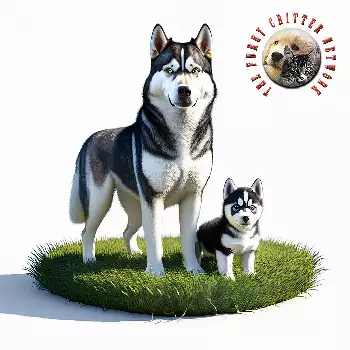
The Siberian Husky is a medium-sized working dog that combines grace, power, and endurance in a beautifully balanced package designed for efficient movement over long distances. Males typically stand 21 to 23.5 inches at the shoulder and weigh 45 to 60 pounds, while females are slightly smaller at 20 to 22 inches and 35 to 50 pounds. The breed displays a compact, moderately muscled body with a straight back, well-developed chest, and strong legs that reflect their heritage as sled dogs capable of pulling moderate loads over vast frozen distances at sustainable speeds. Their overall appearance conveys an effortless, light-footed movement that distinguishes them from heavier northern breeds like the Alaskan Malamute. One of the Siberian Husky's most striking features is their wolf-like appearance, characterized by erect triangular ears, a medium-length muzzle with a well-defined stop, and an alert, intelligent expression that conveys both friendliness and curiosity. The breed's eyes are particularly notable and considered one of their most captivating features, occurring in blue, brown, amber, or combinations thereof, with heterochromia being relatively common and fully accepted in the breed standard. Their thick double coat consists of a soft, dense undercoat and a longer, straight outer coat that provides excellent protection from extreme temperatures ranging from arctic cold to moderate heat. The coat comes in virtually all colors and patterns, from pure white to solid black, with various combinations of red, gray, silver, sable, and agouti markings being common and accepted. The Siberian Husky's tail is another distinctive feature, well-furred and fox-brush shaped, typically carried in a graceful sickle curve when the dog is alert or in motion but trailing behind when at rest or working intensely. Their feet are oval-shaped, medium-sized, and well-furred between the toes, acting as natural snowshoes that provide traction and protection from ice and snow. The breed's compact structure, with moderate bone and well-defined muscles, creates a dog perfectly designed for efficient movement and endurance rather than raw pulling power. Their smooth, seemingly effortless gait covers ground with minimal energy expenditure, allowing them to travel great distances without fatigue.
Key Characteristics
Temperament Temperament Temperament Temperament Temperament Temperament The breed's high energy level and prey drive are important considerations for potential owners. Siberian Huskies require substantial daily exercise and mental stimulation to remain content and well-behaved. They are notorious escape artists, capable of jumping, climbing, or digging their way out of inadequately secured yards, driven by their natural wanderlust and hunting instincts. Their prey drive makes them unreliable with small animals unless carefully raised together, and they should always be exercised on leash or in secure areas. Despite these challenges, Huskies reward dedicated owners with affectionate, playful companionship and a sense of humor that endears them to their families.
Health Considerations Health Considerations Health Considerations Health Considerations Health Considerations Health Considerations Other health considerations include hypothyroidism, which causes decreased thyroid hormone production and can result in weight gain, coat problems, and lethargy. Zinc-responsive dermatosis is a skin condition that occurs when dogs cannot properly absorb zinc, leading to crusty, scaly skin particularly around the face and feet. Follicular dysplasia can cause hair loss and skin problems. Some Huskies may be prone to epilepsy, though this is relatively uncommon. The average lifespan for a Siberian Husky ranges from 12 to 14 years, with proper care, regular veterinary checkups, and attention to breed-specific health screening helping to ensure a long, healthy life.
Important to Remember
Each hybrid dog is unique and may inherit any combination of traits from either parent breed. The information above represents the characteristics of the purebred parent breeds. Your Chusky may favor one parent over the other or display a blend of both. We strongly encourage you to read the complete breed profiles for both the Chow Chow and Siberian Husky to fully understand the range of possible temperaments, health concerns, and care requirements.