Chipin
The Chipin is a cross between the Chihuahua and the Miniature Pinscher. Because each hybrid inherits a unique combination of traits from both parents, we recommend thoroughly researching both breeds before choosing a Chipin. Pay special attention to temperament, health issues, and care requirements, as your dog may express characteristics from either parent breed.
Chihuahua
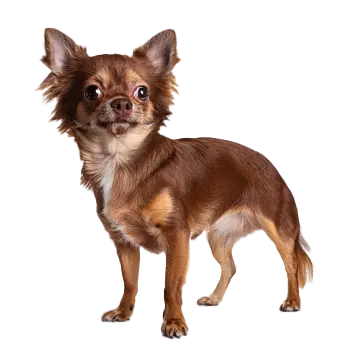
The Chihuahua is the smallest recognized dog breed in the world, standing between 5 and 8 inches at the shoulder and weighing 2 to 6 pounds according to official breed standards, though some individuals may exceed these measurements slightly. Despite their tiny stature, Chihuahuas present a well-balanced, compact body that is slightly longer than tall, with a terrier-like demeanor and confident carriage that belies their diminutive size entirely. The breed comes in two recognized head types: the apple-dome head, which is the breed standard with a well-rounded skull and pronounced stop, and the deer head type with a longer muzzle and flatter skull that is common but not preferred in show standards and conformation events. Chihuahuas occur in two distinct coat varieties, both of which appear in a remarkable range of colors and patterns that provide considerable variety within the breed. The smooth coat variety features short, glossy hair that lies close to the body and requires minimal grooming maintenance, while the long coat variety displays soft, flat or slightly wavy hair with attractive feathering on the ears, legs, chest, and tail that requires more attention. Both coat types come in virtually every color and marking pattern imaginable, including solid, marked, splashed, and combinations such as fawn, chocolate, black, white, cream, blue, brindle, and merle patterns throughout. The breed's most distinctive features include large, erect ears set at a 45-degree angle on the sides of the head that give the dog an alert, expressive appearance, and prominent, luminous eyes that are round and full but not protruding excessively. Many Chihuahuas have a molera, a soft spot on the skull similar to the fontanelle in human infants, which may or may not close completely as the dog matures into adulthood. The tail is moderately long, carried either in a sickle curve or in a loop over the back depending on individual preference and mood. Despite their fragile appearance, Chihuahuas possess a surprisingly robust constitution when properly cared for with attention to their specific needs.
Key Characteristics
Temperament Temperament Temperament Temperament Temperament Temperament Chihuahuas are highly alert dogs that make excellent watchdogs, quickly announcing any visitors or unusual sounds with enthusiastic barking that can become excessive without training. They have moderate to high energy levels and enjoy playtime and short walks, though their small size means their exercise needs are easily met indoors. The breed is notably sensitive to cold temperatures and may require sweaters or coats in cooler weather to remain comfortable. While they can get along with other pets, especially when raised together from puppyhood, some Chihuahuas prefer being the only pet and may not tolerate rough play from larger dogs or young children. They thrive in households where they receive plenty of attention and are treated as valued family members.
Health Considerations Health Considerations Health Considerations Health Considerations Health Considerations Health Considerations Heart disease, particularly mitral valve disease, becomes more common as Chihuahuas age and requires regular cardiac monitoring through veterinary examinations. Hydrocephalus, an accumulation of fluid in the brain, can occur in the breed and may cause various neurological symptoms requiring medical attention. The open fontanelle or molera common in the breed may make some individuals more susceptible to head injuries from trauma. Eye problems including progressive retinal atrophy, dry eye, and corneal ulcers may develop, requiring veterinary attention. Obesity is a significant concern that can worsen other health issues, making proper diet and portion control important. Regular veterinary care, appropriate vaccinations, and attention to breed-specific needs help ensure Chihuahuas live long, healthy lives.
Miniature Pinscher
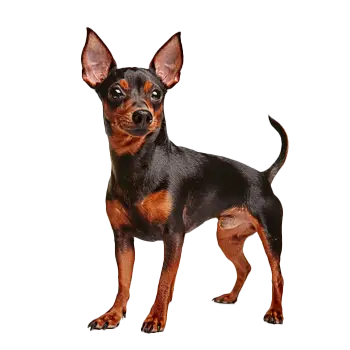
The Miniature Pinscher is a compact, elegant toy breed that stands between 10 and 12.5 inches at the shoulder with an ideal height of 11 to 11.5 inches, and typically weighs 8 to 10 pounds, presenting a sturdy yet refined appearance. Despite its visual similarity to the Doberman Pinscher, this breed developed independently in Germany and is not a miniaturized version of that larger breed as commonly believed. The Min Pin presents a well-balanced, sturdy, square body with a proud carriage that gives the impression of a much larger dog in a small package. The breed standard emphasizes a smooth, compact appearance with clean lines, strong bone structure, and an alert, confident expression. The head is narrow and tapering with a flat skull that appears wedge-shaped when viewed from front or side, creating an elegant profile. Eyes are full, slightly oval, dark and clear with an alert, intelligent expression that seems to constantly assess their surroundings. Ears may be cropped to stand erect or left natural, setting high on the head and contributing to the breed's attentive appearance. The muzzle is strong and proportionate, with a black nose in most color varieties. The neck is gracefully arched, blending smoothly into well-laid-back shoulders that enable the breed's characteristic gait. The body is compact with a level or slightly sloping topline, well-sprung ribs, and a moderately tucked-up belly that contributes to an athletic silhouette. The breed's most distinctive movement feature is its hackney-like gait, a high-stepping, prancing action where the front leg moves straight forward and the foot bends sharply at the wrist in a precise, animated manner. This elegant movement resembles the gait of a Hackney horse and contributes significantly to the breed's show ring appeal and overall presence. The coat is short, smooth, hard, and lustrous, lying close to the body and requiring minimal grooming to maintain its shine. Standard colors include solid clear red, stag red with intermingled black hairs, and black or chocolate with sharply defined rust-red markings on specific body areas including cheeks, chest, legs, and above the eyes.
Key Characteristics
Temperament Temperament Temperament Temperament Temperament Temperament Min Pins are notorious escape artists known for finding ways over, under, or through barriers, requiring secure fencing and constant supervision outdoors to prevent adventures. They can be assertive with other dogs regardless of size and may challenge much larger animals without hesitation. While affectionate with their families, they may be wary of strangers initially and require proper introductions. The breed does well with older children who understand proper handling but may not tolerate rough play from young children. Miniature Pinschers crave companionship and do not do well left alone for extended periods. Early socialization is essential to develop well-adjusted adults who are confident without becoming aggressive. Their combination of energy, intelligence, and spirited personality makes them best suited for experienced owners.
Health Considerations Health Considerations Health Considerations Health Considerations Health Considerations Health Considerations Eye conditions including progressive retinal atrophy, cataracts, and glaucoma can affect the breed and require regular veterinary eye examinations for early detection and management. Heart conditions, while less common, may develop particularly in older dogs and benefit from regular cardiac screening. Mucopolysaccharidosis Type VI is a rare but serious inherited metabolic disorder that responsible breeders test for in their breeding stock. Epilepsy may occur in some bloodlines and is typically manageable with appropriate medication. Due to their small size and fearless nature, Min Pins are prone to injuries from jumping off furniture or confrontations with larger animals. Obesity can exacerbate other health issues and should be prevented through proper diet and exercise. Regular veterinary care, dental maintenance, and awareness of breed-specific concerns help ensure Miniature Pinschers enjoy their full lifespan.
Important to Remember
Each hybrid dog is unique and may inherit any combination of traits from either parent breed. The information above represents the characteristics of the purebred parent breeds. Your Chipin may favor one parent over the other or display a blend of both. We strongly encourage you to read the complete breed profiles for both the Chihuahua and Miniature Pinscher to fully understand the range of possible temperaments, health concerns, and care requirements.