Chineranian
The Chineranian is a cross between the Japanese Chin and the Pomeranian. Because each hybrid inherits a unique combination of traits from both parents, we recommend thoroughly researching both breeds before choosing a Chineranian. Pay special attention to temperament, health issues, and care requirements, as your dog may express characteristics from either parent breed.
Japanese Chin

The Japanese Chin is a small, elegant toy breed that stands 8 to 11 inches tall at the shoulder and weighs between 4 to 12 pounds, with most individuals falling in the 7 to 11 pound range. This aristocratic companion dog presents a square, well-balanced silhouette with a distinctly oriental appearance that has made them treasured companions for centuries. The breed's head is one of its most distinctive features, being broad and rounded with large, wide-set dark eyes that convey an expression of astonishment, wonder, and intelligence. The face is flat and broad with a short, wide muzzle characteristic of brachycephalic breeds, creating the breed's unique look. The small V-shaped ears are set wide apart, high on the head, and hang forward, covered in long, flowing hair that frames the face beautifully. The Japanese Chin's body structure reflects its heritage as a treasured lapdog of nobility and royalty. The neck is moderate in length, carried proudly, and blends smoothly into well-laid-back shoulders. The back is level and leads to a high-set tail that is carried gracefully arched over the back, covered in profuse feathering that creates an elegant plume cascading down the hindquarters. The legs are fine-boned but straight and strong, with the hindquarters moderately angulated. The breed moves with a distinctive, stylish, high-stepping gait that adds to its refined appearance. The overall impression is one of grace, refinement, and aristocratic bearing combined with surprising sturdiness for such a small dog. The coat of the Japanese Chin is single-layered, long, and silky with a straight texture that flows elegantly over the body. Unlike double-coated breeds, this single coat tends to resist matting and is surprisingly easy to maintain. The hair is shorter on the face and front of the legs but features abundant feathering on the ears, neck, thighs, chest, and tail. The breed comes in white with colored patches, most commonly black and white or red and white, though tricolor patterns featuring black and white with tan points also occur. Some Japanese Chins display lemon, orange, or sable markings. The luxurious coat requires regular brushing two to three times weekly to maintain its appearance.
Key Characteristics
Temperament Temperament Temperament Temperament Temperament Temperament Japanese Chins are sensitive dogs that do not respond well to harsh training methods or negative reinforcement. They learn best through patient, positive training approaches and can master tricks and commands when properly motivated. While devoted to their families, they can be somewhat reserved with strangers initially. They generally get along well with children and other pets when raised together, though their small size requires supervised interactions. The breed can develop separation anxiety if not given adequate attention, as they crave human companionship. They are well-suited to apartment living due to their calm indoor demeanor and relatively low exercise requirements.
Health Considerations Health Considerations Health Considerations Health Considerations Health Considerations Health Considerations Heart disease, particularly mitral valve disease, is a concern in the breed and tends to develop as dogs age. Regular cardiac evaluations can help detect problems early. Patellar luxation affects Japanese Chins as it does many toy breeds, causing the kneecap to slip out of position. Atlantoaxial subluxation, a condition affecting the vertebrae in the neck, can occur and may cause pain or neurological symptoms. Dental disease is common due to the breed's small jaw, requiring regular dental care. Epilepsy has also been documented in the breed. Maintaining a healthy weight, providing regular veterinary care, and working with breeders who prioritize health testing all contribute to the well-being of Japanese Chins.
Pomeranian
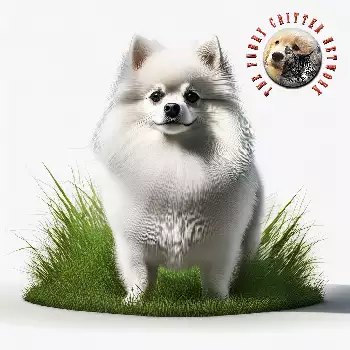
The Pomeranian is a compact, square-proportioned toy breed that stands 8 to 11 inches tall at the shoulder and weighs between 3 to 7 pounds, with the ideal show weight being 4 to 6 pounds. Despite their diminutive size, these dogs display a sturdy, well-balanced structure that reflects their spitz heritage as descendants of larger sled-pulling dogs. The body is short-backed with a level topline, and the breed carries itself with a confident, animated gait that suggests energy and alertness. The head is distinctly fox-like in appearance, featuring a moderately short muzzle that balances well with the moderately rounded skull, creating the breed's characteristic bright, inquisitive expression. The dark, almond-shaped eyes are medium-sized and set well into the skull. The Pomeranian's most striking feature is its luxuriant double coat, which creates the breed's signature puffball appearance. The undercoat is soft, thick, and fluffy, providing excellent insulation, while the outer coat consists of long, straight, harsh-textured guard hairs that stand away from the body. A profuse ruff encircles the neck and chest, creating an impressive mane-like effect that is particularly abundant in males. The heavily plumed tail is set high and lies flat against the back, covered in long, spreading hair that fans out to add to the breed's distinctive silhouette. The ears are small, erect, mounted high on the head, and set close together, contributing to the alert, intelligent expression. Pomeranians come in an extraordinary range of colors, with more than twenty recognized variations. The most commonly seen color is orange or red, but the breed also appears in black, white, cream, blue, sable, chocolate, beaver, and various parti-color combinations. Some dogs display patterns such as brindle, merle, or tan points. The coat typically reaches full maturity between 12 to 18 months of age, though males often develop a more abundant coat than females. Puppies go through an awkward coat stage during development. Regular grooming is essential to maintain the coat's appearance and prevent matting, with brushing recommended two to three times per week.
Key Characteristics
Temperament Temperament Temperament Temperament Temperament Temperament Pomeranians make excellent watchdogs despite their small stature, as they are naturally alert and will vocalize to announce visitors or anything they perceive as unusual. This tendency toward barking is something owners should address through training. They can be somewhat reserved with strangers initially but generally warm up quickly. While they can get along well with children and other pets when properly socialized, their small size makes them vulnerable to injury from rough handling. Pomeranians do best in homes where they receive plenty of interaction, mental stimulation, and gentle but consistent training to channel their spirited nature appropriately.
Health Considerations Health Considerations Health Considerations Health Considerations Health Considerations Health Considerations Alopecia X, also known as Black Skin Disease or severe hair loss syndrome, is a condition particularly associated with Pomeranians. Affected dogs experience progressive hair loss and skin darkening, though the condition is primarily cosmetic rather than painful. Heart conditions including patent ductus arteriosus and other congenital defects can affect the breed. Eye problems such as cataracts, entropion, and distichiasis are also seen. Hypoglycemia can be a concern in Pomeranian puppies due to their small size and high metabolism. Responsible breeders screen for hereditary conditions, and maintaining regular veterinary care helps ensure early detection and management of potential health issues.
Important to Remember
Each hybrid dog is unique and may inherit any combination of traits from either parent breed. The information above represents the characteristics of the purebred parent breeds. Your Chineranian may favor one parent over the other or display a blend of both. We strongly encourage you to read the complete breed profiles for both the Japanese Chin and Pomeranian to fully understand the range of possible temperaments, health concerns, and care requirements.