Chin-Fenpinscher
The Chin-Fenpinscher is a cross between the Affenpinscher and the Japanese Chin. Because each hybrid inherits a unique combination of traits from both parents, we recommend thoroughly researching both breeds before choosing a Chin-Fenpinscher. Pay special attention to temperament, health issues, and care requirements, as your dog may express characteristics from either parent breed.
Affenpinscher
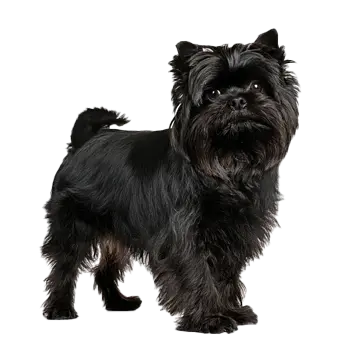
The Affenpinscher is a small, sturdy toy breed that stands between nine and twelve and a half inches at the shoulder and typically weighs seven to ten pounds. Despite their compact size, these dogs possess a solid, well-proportioned frame with a square build that gives them a confident and substantial appearance. The breed features a level topline with a moderately broad chest, straight forelegs, and well-angulated hindquarters that provide good balance and agility. Their overall structure reflects their historical role as capable ratters in German homes and stables, requiring both athleticism and determination in a small package. The body appears nearly square when viewed from the side, with the length approximately equal to the height at the withers. The Affenpinscher's coat is perhaps its most distinctive feature, consisting of dense, rough, wiry hair approximately one inch in length across most of the body. The face displays longer, shaggier fur that forms a distinctive monkey-like expression, complete with a pronounced beard, bushy eyebrows, and a mane of hair around the head and shoulders. This characteristic facial hair frames their short muzzle and prominent chin, contributing to the breed's unique appearance that has earned them the nickname monkey dog. The coat texture is harsh to the touch and provides protection from the elements. Regular hand-stripping maintains the proper coat texture, though many pet owners opt for clipping which softens the coat over time. Accepted coat colors include black, gray, silver, red, black and tan, and beige, with black being the most common and traditional color. Some dogs display a mix of black and gray or silver hairs creating a frosted appearance. The Affenpinscher's dark, round eyes convey an alert and inquisitive expression, while their ears may be cropped to stand erect or left natural in countries where cropping remains permitted. Their compact facial structure with a slightly undershot jaw and domed skull contributes to their distinctive appearance that many describe as endearingly comical yet dignified. The tail may be docked or left natural depending on regional regulations and owner preference.
Key Characteristics
Temperament Temperament Temperament Temperament Temperament Temperament While deeply loyal and affectionate with their families, Affenpinschers maintain a certain dignified reserve and prefer not to be constantly held or cuddled for extended periods. They form strong bonds with their owners and can be quite possessive of their favorite people. The breed generally does well with other pets when properly socialized, though their assertive personality may lead them to challenge larger animals. Affenpinschers are not typically recommended for households with very young children, as they do not tolerate rough handling or teasing and may become defensive if they feel cornered or overwhelmed.
Health Considerations Health Considerations Health Considerations Health Considerations Health Considerations Health Considerations Eye conditions including progressive retinal atrophy, cataracts, and distichiasis may occur in Affenpinschers and warrant regular ophthalmologic screening. The breed's compact facial structure can contribute to breathing difficulties, particularly in hot weather, as their shortened muzzle limits their ability to cool themselves efficiently through panting. Dental disease presents another concern due to the small jaw size, making regular dental care essential. Some Affenpinschers develop lick granulomas, skin lesions caused by obsessive licking behavior that may indicate underlying anxiety or boredom. The breed's average lifespan ranges from twelve to fifteen years with proper care and regular veterinary attention.
Japanese Chin

The Japanese Chin is an elegant toy breed that stands between eight and eleven inches at the shoulder and typically weighs four to eleven pounds, with the ideal weight falling between four and seven pounds for most breed standards. This dainty companion dog possesses a distinctly Oriental appearance characterized by a broad, rounded head and a flat face with a well-cushioned muzzle. The breed's compact, square body exhibits refined bone structure and graceful proportions that reflect centuries of selective breeding for aristocratic companionship in Asian imperial courts. Their light, stylish movement demonstrates excellent reach and drive while maintaining the breed's characteristic elegance and poise. The Japanese Chin's most striking feature is its luxurious single-layered coat, which hangs straight and silky without any undercoat. This abundant fur creates an elegant appearance with profuse feathering on the ears, neck, chest, and tail, while the legs display attractive furnishings that enhance the breed's graceful outline. Unlike many long-coated breeds, the Japanese Chin's coat remains relatively tangle-free and requires surprisingly modest maintenance compared to other silky-coated toy breeds. The breed carries its plumed tail proudly curved over the back, adding to its aristocratic bearing and balanced silhouette. Males typically display more abundant coat than females, particularly around the neck and shoulders where a noticeable mane may develop. The breed's large, wide-set eyes are dark and round with a characteristic expression of wonder and gentle intelligence that captivates admirers. White shows in the inner corners of the eyes, contributing to the breed's distinctive look of perpetual astonishment that breed enthusiasts find particularly appealing. Acceptable coat colors include black and white, red and white in all shades from lemon to sable, and tricolor patterns featuring black and white with tan points. Many Japanese Chins display evenly marked facial patterns with white blazes and colored ears that enhance their symmetric beauty and balanced appearance. The small, V-shaped ears hang forward and frame the face attractively, completing this breed's unmistakable appearance.
Key Characteristics
Temperament Temperament Temperament Temperament Temperament Temperament The Japanese Chin excels as a companion animal, having been bred exclusively for this purpose throughout its long history. These charming dogs adapt well to various living situations including apartments, requiring only moderate exercise to remain content. They generally coexist peacefully with other pets, including cats, and their quiet demeanor makes them excellent choices for owners who prefer a less vocal companion. While affectionate and devoted to their families, Japanese Chins do not typically demand constant attention and remain content to rest nearby while their owners go about daily activities. Their graceful nature and clean habits have earned them devoted admirers who often find themselves unable to resist adding multiple Chins to their households.
Health Considerations Health Considerations Health Considerations Health Considerations Health Considerations Health Considerations Heart conditions represent another significant concern for Japanese Chin owners. Heart murmurs detected in puppies may indicate congenital defects, while mitral valve disease commonly develops in older dogs of this breed. Regular cardiac evaluations help monitor heart health throughout the dog's life. Patellar luxation affects many toy breeds including Japanese Chins, causing the kneecap to slip out of position and potentially requiring surgical correction in severe cases. Epilepsy occurs in some individuals, requiring lifelong medication management. Dental disease develops easily in the breed's small mouth, necessitating regular dental care and professional cleanings. With attentive veterinary care and health screening, Japanese Chins typically enjoy lifespans of twelve to fourteen years.
Important to Remember
Each hybrid dog is unique and may inherit any combination of traits from either parent breed. The information above represents the characteristics of the purebred parent breeds. Your Chin-Fenpinscher may favor one parent over the other or display a blend of both. We strongly encourage you to read the complete breed profiles for both the Affenpinscher and Japanese Chin to fully understand the range of possible temperaments, health concerns, and care requirements.