Chi-Chon
The Chi-Chon is a cross between the Bichon Frise and the Chihuahua. Because each hybrid inherits a unique combination of traits from both parents, we recommend thoroughly researching both breeds before choosing a Chi-Chon. Pay special attention to temperament, health issues, and care requirements, as your dog may express characteristics from either parent breed.
Bichon Frise

The Bichon Frise is a small, sturdy dog that stands nine and a half to eleven and a half inches at the shoulder and typically weighs between twelve and eighteen pounds, though some individuals may be slightly lighter. Despite their powder puff appearance, these dogs possess a compact and solidly built body with a slightly longer than tall proportion that gives them a balanced silhouette. Their movement is effortless and precise, with good reach and drive that demonstrates their athletic capability beneath their abundant coat. The overall impression is one of a happy, active little dog that carries itself with confidence and style. The head of the Bichon Frise features a slightly rounded skull with a moderately defined stop that leads to a balanced muzzle of medium length. Dark, round eyes are the hallmark of the breed's expression, set forward-facing and surrounded by dark halos of pigment that enhance their alert and curious appearance. The black nose is prominent and adds to the breed's characteristic sweet expression. Drop ears are set slightly higher than eye level and hang close to the head, blending into the overall rounded appearance created by the coat. When properly groomed, the head resembles a round powder puff with the features appearing softly defined. The crowning feature of the Bichon Frise is their distinctive white double coat that creates their signature powder puff appearance. The undercoat is soft and dense, while the outer coat is coarser and curlier, standing away from the body when properly groomed to create the rounded silhouette for which the breed is known. While the breed standard calls for a pure white coat, subtle shadings of buff, cream, or apricot may appear around the ears and occasionally on the body, particularly in puppies, though these shadings typically should not exceed ten percent of the coat. The coat requires regular professional grooming to maintain its characteristic appearance and prevent matting.
Key Characteristics
Temperament Temperament Temperament Temperament Temperament Temperament Despite their many positive qualities, Bichon Frises have one significant challenge that prospective owners must understand. These dogs form extremely strong attachments to their people and suffer considerably when left alone, frequently developing severe separation anxiety that can manifest in destructive behavior, excessive barking, and house soiling. Housetraining can also present challenges with this breed, requiring patience and consistency from owners. The occasional burst of frenetic energy known as the Bichon blitz sees these dogs racing around in circles with joyful abandon before settling back into their typical happy demeanor.
Health Considerations Health Considerations Health Considerations Health Considerations Health Considerations Health Considerations Eye conditions warrant attention in the Bichon Frise, including cataracts that can develop at various ages and corneal dystrophy that may affect vision over time. Patellar luxation, where the kneecap slides out of its proper position, occurs in the breed and may require surgical intervention in severe cases. Cushings disease, caused by overproduction of cortisol, affects some Bichon Frises and requires careful veterinary management. Immune-mediated hemolytic anemia, where the body attacks its own red blood cells, represents a serious condition that can occur in the breed. Gall bladder disease has also been documented as a health concern requiring veterinary attention when symptoms arise.
Chihuahua
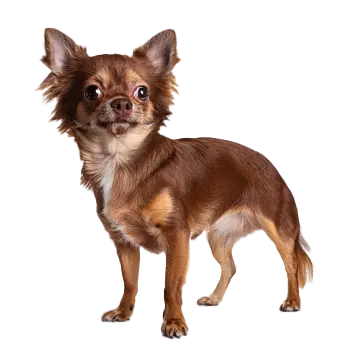
The Chihuahua stands as the smallest recognized dog breed in the world, measuring just five to eight inches at the shoulder and weighing no more than six pounds according to the American Kennel Club breed standard. Despite their diminutive stature, these tiny dogs possess a well-balanced and graceful build with a slightly longer body than height. Their movement is swift and purposeful, displaying confidence that seems to contradict their small size. The breed carries itself with a distinctive alert and terrier-like expression that immediately captures attention. A well-proportioned Chihuahua should appear compact but never cobby, with sufficient bone to support their structure while maintaining their delicate appearance. The most recognizable feature of the Chihuahua is their apple-shaped dome skull, which gives the head a rounded appearance unique to this breed. Large, luminous eyes set wide apart dominate their expressive faces, conveying intelligence and a keen awareness of their surroundings. Their ears stand erect and large in proportion to the head, flaring outward at a forty-five degree angle when alert. The muzzle is moderately short with a slightly pointed appearance, and the nose is typically black, though lighter colors are acceptable in lighter-coated dogs. The breed standard allows for a small molera, or soft spot on the skull, which is a distinctive breed characteristic that may persist throughout life. Chihuahuas come in two distinct coat varieties that are judged separately in conformation shows. The smooth coat variety features short, close-lying fur that appears glossy and soft to the touch, with a possible undercoat that provides some protection from temperature extremes. The long coat variety displays a soft, flat or slightly wavy coat with feathering on the ears, legs, feet, and tail, creating an elegant plume effect. Both varieties appear in virtually every color and pattern combination imaginable, from solid colors to marked, splashed, and brindled patterns, making each Chihuahua visually unique. Common colors include fawn, black, white, chocolate, cream, and combinations thereof, with no color or pattern disqualified from the show ring.
Key Characteristics
Temperament Temperament Temperament Temperament Temperament Temperament Chihuahuas possess surprisingly high energy levels for such small dogs and enjoy regular play sessions and short walks that satisfy their need for activity. They are prone to shivering and quivering, which may result from cold temperatures, excitement, or anxiety rather than necessarily indicating distress. The breed thrives on human companionship and does not tolerate being left alone for extended periods, sometimes developing separation anxiety. Early socialization is crucial to prevent the development of excessive timidity or aggression, helping these small dogs grow into well-adjusted companions who are comfortable in various situations and around different people.
Health Considerations Health Considerations Health Considerations Health Considerations Health Considerations Health Considerations Neurological concerns specific to Chihuahuas include hydrocephalus, an accumulation of fluid in the brain that causes increased pressure and neurological symptoms. Hypoglycemia, or low blood sugar, can be dangerous particularly in puppies and small adults, requiring attention to regular feeding schedules. Eye problems including corneal dryness and potential injuries from their prominent eyes warrant careful monitoring. The average Chihuahua lifespan ranges from twelve to fourteen years, though with proper care and health management, many individuals live considerably longer, making them one of the longer-lived dog breeds.
Important to Remember
Each hybrid dog is unique and may inherit any combination of traits from either parent breed. The information above represents the characteristics of the purebred parent breeds. Your Chi-Chon may favor one parent over the other or display a blend of both. We strongly encourage you to read the complete breed profiles for both the Bichon Frise and Chihuahua to fully understand the range of possible temperaments, health concerns, and care requirements.