Cheeks
The Cheeks is a cross between the Chihuahua and the Pekingese. Because each hybrid inherits a unique combination of traits from both parents, we recommend thoroughly researching both breeds before choosing a Cheeks. Pay special attention to temperament, health issues, and care requirements, as your dog may express characteristics from either parent breed.
Chihuahua
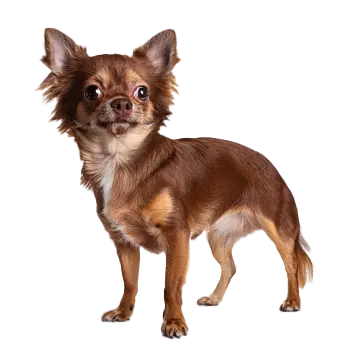
The Chihuahua holds the distinction of being the smallest recognized dog breed in the world, with adults typically standing between five and eight inches tall at the shoulder and weighing between two and six pounds. According to breed standards, dogs exceeding six pounds are disqualified from conformation showing, though some individuals may grow larger without affecting their quality as companions. These diminutive dogs possess a well-balanced, compact body with a slightly longer than tall proportion. Their movement is swift and confident, displaying a firm and sturdy gait that belies their tiny size. The chest is moderately deep with well-sprung ribs, and the topline remains level whether standing or moving. The breed's most distinctive feature is its head, which comes in two varieties: the apple head, characterized by a well-rounded skull with a pronounced dome shape, and the deer head, which features a flatter skull and longer muzzle. The apple head variety is preferred in show rings, though both types make equally wonderful companions. Both display large, round, expressive eyes that are set wide apart and luminous in appearance, creating an intelligent and alert expression. Their large, erect ears stand prominently when alert and flare outward at approximately forty-five degrees from the head. The Chihuahua's muzzle is moderately short and slightly pointed, complementing the overall balanced appearance of the head. The nose is self-colored in blond types or black in other colorations. Chihuahuas come in two coat varieties: smooth coat and long coat. The smooth coat variety features short, close-lying fur that appears glossy and soft to the touch with minimal undercoat, while the long coat variety displays soft, flat or slightly wavy hair with distinctive feathering on the ears, legs, chest, and tail. Both coat types are found in virtually every color and pattern combination imaginable, including solid colors, marked patterns, splashed variations, and merle. Common colors include fawn, black, white, chocolate, cream, blue, and various combinations thereof. The breed carries its moderately long tail either in a sickle shape or curved over the back with the tip just touching the spine, adding to its alert and spirited appearance.
Key Characteristics
Temperament Temperament Temperament Temperament Temperament Temperament Despite their reputation for being feisty, Chihuahuas are deeply affectionate dogs that thrive on human companionship and warmth. They are known for seeking out cozy spots and enjoying being held or carried. Their exercise needs are moderate and can typically be met through short daily walks combined with indoor play sessions. Chihuahuas adapt well to apartment living and can make excellent companions for individuals or families who understand and appreciate their unique personality traits.
Health Considerations Health Considerations Health Considerations Health Considerations Health Considerations Health Considerations Additional health concerns include hypoglycemia, especially in puppies and small adults, which can cause weakness, trembling, and in severe cases, seizures if blood sugar drops too low. Tracheal collapse, a progressive weakening of the windpipe, may cause coughing and breathing difficulties. Many Chihuahuas are born with a molera, a soft spot on the skull similar to human infants, which typically closes as the dog matures but requires careful handling during puppyhood. Eye problems, including dry eye and corneal ulcers, can occur due to their prominent eyes. Using a harness rather than a collar for walks helps protect their delicate trachea and spine.
Pekingese

The Pekingese is a compact toy companion of regal bearing, created centuries ago for the ruling classes of ancient China. These small but surprisingly heavy dogs typically stand six to nine inches tall at the shoulder and weigh up to fourteen pounds, with the breed standard disqualifying dogs exceeding this weight. Historically, the smallest specimens, weighing under six pounds, were known as sleeve dogs because they could be carried in the voluminous sleeves of Chinese imperial robes. The breed's body is longer than tall, set low to the ground with short, bowed front legs that contribute to their distinctive rolling gait. The head is the Pekingese's most distinctive feature, appearing large in proportion to the body with a flat facial profile characteristic of brachycephalic breeds. The skull is broad and flat between the ears, with a well-defined stop between the forehead and the extremely short, flat muzzle. Large, round, dark eyes are set wide apart and prominent, giving the face an expressive quality. The heart-shaped ears are set on the front corners of the topskull and lie flat against the head, framed by long feathering. The jaw is slightly undershot, and a black mask or self-colored face are equally acceptable according to breed standards. The Pekingese coat is perhaps its most luxurious feature, consisting of a long, coarse outer coat with a thick, soft undercoat that creates a distinctive mane around the neck and shoulders, earning the breed its nickname of lion dog. The coat can reach lengths of six to eight inches and requires substantial grooming to maintain its impressive appearance. All coat colors and patterns are acceptable and considered of equal merit, including gold, red, sable, cream, black, white, and various parti-color combinations. The tail is set high and carried well over the back, profusely feathered and curving to either side. The breed moves with a dignified, unhurried rolling gait unique among dogs.
Key Characteristics
Temperament Temperament Temperament Temperament Temperament Temperament Despite their royal demeanor, Pekingese can be surprisingly playful and entertaining with their families, displaying a charming sense of humor. They form strong bonds and can become quite protective of their owners, sometimes developing possessive behaviors if not properly trained. The breed adapts well to various living situations, including apartments, due to their modest exercise requirements and preference for a calm environment. They do not tolerate rough handling well and may not be ideal for households with very young children. Pekingese can develop separation anxiety if left alone for extended periods, preferring households where someone is home frequently to provide companionship.
Health Considerations Health Considerations Health Considerations Health Considerations Health Considerations Health Considerations The Pekingese's long body and short legs create vulnerability to intervertebral disc disease, which can cause back pain, weakness, and in severe cases, paralysis. Preventing jumping from heights and using ramps or steps helps reduce stress on the spine. Patellar luxation affects many Pekingese, and hip dysplasia has been documented in approximately thirty-two percent of dogs tested. Heart disease, particularly mitral valve disease, becomes more common as dogs age. Skin fold dermatitis can develop in the facial wrinkles if not kept clean and dry. Dental disease is prevalent due to crowding of teeth in the shortened jaw. The breed also presents increased risks during anesthesia due to breathing difficulties, requiring experienced veterinary care for any surgical procedures.
Important to Remember
Each hybrid dog is unique and may inherit any combination of traits from either parent breed. The information above represents the characteristics of the purebred parent breeds. Your Cheeks may favor one parent over the other or display a blend of both. We strongly encourage you to read the complete breed profiles for both the Chihuahua and Pekingese to fully understand the range of possible temperaments, health concerns, and care requirements.