Chatterdale
The Chatterdale is a cross between the Chihuahua and the Patterdale Terrier. Because each hybrid inherits a unique combination of traits from both parents, we recommend thoroughly researching both breeds before choosing a Chatterdale. Pay special attention to temperament, health issues, and care requirements, as your dog may express characteristics from either parent breed.
Chihuahua
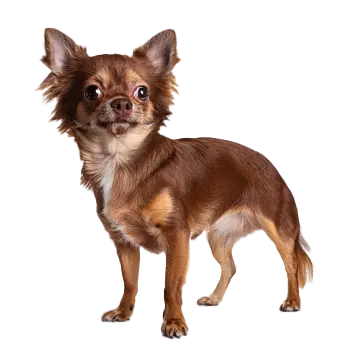
The Chihuahua holds the distinction of being the smallest recognized dog breed in the world, with adults typically standing between five and eight inches tall at the shoulder and weighing between two and six pounds. According to breed standards, dogs exceeding six pounds are disqualified from conformation showing, though some individuals may grow larger without affecting their quality as companions. These diminutive dogs possess a well-balanced, compact body with a slightly longer than tall proportion. Their movement is swift and confident, displaying a firm and sturdy gait that belies their tiny size. The chest is moderately deep with well-sprung ribs, and the topline remains level whether standing or moving. The breed's most distinctive feature is its head, which comes in two varieties: the apple head, characterized by a well-rounded skull with a pronounced dome shape, and the deer head, which features a flatter skull and longer muzzle. The apple head variety is preferred in show rings, though both types make equally wonderful companions. Both display large, round, expressive eyes that are set wide apart and luminous in appearance, creating an intelligent and alert expression. Their large, erect ears stand prominently when alert and flare outward at approximately forty-five degrees from the head. The Chihuahua's muzzle is moderately short and slightly pointed, complementing the overall balanced appearance of the head. The nose is self-colored in blond types or black in other colorations. Chihuahuas come in two coat varieties: smooth coat and long coat. The smooth coat variety features short, close-lying fur that appears glossy and soft to the touch with minimal undercoat, while the long coat variety displays soft, flat or slightly wavy hair with distinctive feathering on the ears, legs, chest, and tail. Both coat types are found in virtually every color and pattern combination imaginable, including solid colors, marked patterns, splashed variations, and merle. Common colors include fawn, black, white, chocolate, cream, blue, and various combinations thereof. The breed carries its moderately long tail either in a sickle shape or curved over the back with the tip just touching the spine, adding to its alert and spirited appearance.
Key Characteristics
Temperament Temperament Temperament Temperament Temperament Temperament Despite their reputation for being feisty, Chihuahuas are deeply affectionate dogs that thrive on human companionship and warmth. They are known for seeking out cozy spots and enjoying being held or carried. Their exercise needs are moderate and can typically be met through short daily walks combined with indoor play sessions. Chihuahuas adapt well to apartment living and can make excellent companions for individuals or families who understand and appreciate their unique personality traits.
Health Considerations Health Considerations Health Considerations Health Considerations Health Considerations Health Considerations Additional health concerns include hypoglycemia, especially in puppies and small adults, which can cause weakness, trembling, and in severe cases, seizures if blood sugar drops too low. Tracheal collapse, a progressive weakening of the windpipe, may cause coughing and breathing difficulties. Many Chihuahuas are born with a molera, a soft spot on the skull similar to human infants, which typically closes as the dog matures but requires careful handling during puppyhood. Eye problems, including dry eye and corneal ulcers, can occur due to their prominent eyes. Using a harness rather than a collar for walks helps protect their delicate trachea and spine.
Patterdale Terrier

The Patterdale Terrier is a compact, sturdy working terrier with a square to slightly rectangular body profile that conveys strength and agility in equal measure. These dogs typically stand between ten and fifteen inches at the withers, with weight proportionate to height, generally ranging from eleven to thirteen pounds when in proper working condition. The breed standard emphasizes that dogs should always appear hard, fit, and athletic with no excess fat. Their powerful build includes strong shoulders, a narrow chest designed to allow entry into underground passages, and a flexible back that enables them to navigate tight spaces when pursuing quarry. The head is strong and wedge-shaped or trapezoidal when viewed from the front, with a moderately broad skull that reflects their Border Terrier ancestry without resembling bulldogs or bull terriers. The muzzle is powerful and never appears weak or snipy, equipped with strong jaws and a full complement of white teeth meeting in a scissors or level bite. Their dark, expressive eyes are set wide apart and display an alert, intelligent expression. The ears are triangular in shape and fold tightly just above the skull, tipping forward toward the face when the dog is attentive. Patterdale Terriers display three distinct coat types, all designed to provide protection against harsh weather and rough terrain. The smooth coat is coarse, dense, and stiff with no wave present. The broken coat features longer, wiry guard hairs than the smooth variety and may be wavy, sometimes including facial furnishings such as a beard, mustache, and eyebrows. The rough coat is coarse and longer overall, including on the face and ears, always displaying furnishings. Standard coat colors include black, red ranging from tan to deep rust, chocolate or liver, grizzle, black and tan, and bronze. Solid colors are preferred, though small white markings on the chest and feet are acceptable.
Key Characteristics
Temperament Temperament Temperament Temperament Temperament Temperament Training a Patterdale Terrier requires patience, consistency, and a sense of humor. These intelligent dogs are quick learners but possess the independent thinking characteristic of terrier breeds, which can manifest as stubbornness. They respond best to firm but fair handling and positive reinforcement methods. Early socialization is crucial to help them develop appropriate responses to strangers and other animals. Due to their strong prey drive, Patterdales may not be suitable for households with small pets such as rabbits or hamsters, and interactions with cats should be carefully supervised. A secure, fenced yard is essential, as their hunting instincts may lead them to pursue any small creature that catches their attention.
Health Considerations Health Considerations Health Considerations Health Considerations Health Considerations Health Considerations Other health considerations include hip dysplasia, though this occurs less frequently than in larger breeds. Eye problems beyond lens luxation, such as glaucoma and cataracts, have been reported in the breed and warrant regular ophthalmologic examinations. Allergies, particularly affecting the skin, can cause itching, redness, and secondary infections if not properly managed. Like many small breeds, Patterdales can be prone to dental disease, making regular dental care important. Maintaining proper body condition through appropriate diet and exercise helps prevent obesity, which can exacerbate joint problems. Regular veterinary checkups, appropriate vaccinations, and preventive care form the foundation of maintaining good health in this energetic breed.
Important to Remember
Each hybrid dog is unique and may inherit any combination of traits from either parent breed. The information above represents the characteristics of the purebred parent breeds. Your Chatterdale may favor one parent over the other or display a blend of both. We strongly encourage you to read the complete breed profiles for both the Chihuahua and Patterdale Terrier to fully understand the range of possible temperaments, health concerns, and care requirements.