Cava-Corgi
The Cava-Corgi is a cross between the Cavalier King Charles Spaniel and the Pembroke Welsh Corgi. Because each hybrid inherits a unique combination of traits from both parents, we recommend thoroughly researching both breeds before choosing a Cava-Corgi. Pay special attention to temperament, health issues, and care requirements, as your dog may express characteristics from either parent breed.
Cavalier King Charles Spaniel
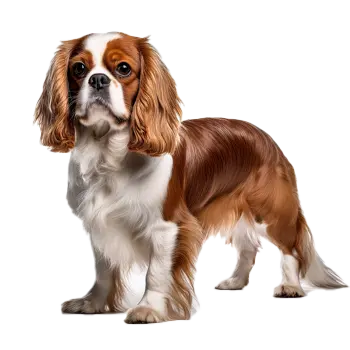
The Cavalier King Charles Spaniel is a toy breed that stands twelve to thirteen inches at the shoulder and typically weighs between thirteen and eighteen pounds, with well-proportioned dogs appearing neither too heavy nor too refined for their frame. Despite their small stature, these dogs possess a sturdy and well-balanced build that reflects their spaniel heritage. The body is slightly longer than it is tall, with a level topline and moderate bone structure that gives them an elegant yet athletic appearance. The chest is moderately deep, extending to the elbows, with well-sprung ribs that provide adequate heart and lung capacity. Their movement is free and graceful, with good reach and drive that demonstrates their sporting ancestry, and they cover ground efficiently with a happy, confident gait. The breed's silky, medium-length coat is one of its most distinctive features, flowing gracefully with moderate feathering on the ears, chest, legs, and tail. The coat comes in four recognized color patterns: Blenheim, which features rich chestnut markings on a pearly white background, often with a distinctive chestnut spot on top of the skull known as the Blenheim spot or lozenge; tricolor, consisting of black and white with tan markings over the eyes, on cheeks, inside ears, inside legs, and under the tail; black and tan, showcasing jet black with rich mahogany tan markings in specific locations; and ruby, a solid rich reddish-brown color throughout without any white markings. The coat is straight or slightly wavy and requires regular brushing several times weekly to maintain its lustrous appearance and prevent matting. The Cavalier's head is perhaps its most endearing feature, with large, round, dark brown eyes that convey a sweet, gentle, melting expression characteristic of the breed. The skull is slightly rounded but appears almost flat between the ears due to the high placement of the ears, which are long, well-feathered, and set high on the head, framing the face beautifully. The muzzle is moderately tapered, full beneath the eyes, with a shallow stop, and the nose is fully pigmented black with well-developed nostrils. The jaw is strong enough for a proper scissor bite. The overall expression should be one of soft warmth and gentle sweetness, hallmarks of this beloved companion breed that has captivated owners for centuries.
Key Characteristics
Temperament Temperament Temperament Temperament Temperament Temperament Socially, Cavaliers are remarkably friendly dogs that typically get along well with children, other dogs, and even cats when properly introduced. They lack the territorial or possessive tendencies seen in some other breeds, viewing strangers and other animals as potential friends rather than threats. This makes them poor watchdogs but excellent family companions. It is important to note that Cavaliers do not tolerate being left alone for extended periods, as their strong attachment to people can lead to separation anxiety if their social needs are not adequately met.
Health Considerations Health Considerations Health Considerations Health Considerations Health Considerations Health Considerations Other health considerations include primary secretory otitis media, a painful ear condition affecting roughly thirty percent of Cavaliers, and various eye conditions requiring regular monitoring. The breed also experiences a giant platelet disorder affecting over half of all Cavaliers, though this condition is typically benign and does not cause clinical problems. Dental disease is common and requires consistent preventive care. The average lifespan ranges from nine to fourteen years, though responsible breeding practices and regular veterinary care can help maximize longevity and quality of life.
Pembroke Welsh Corgi
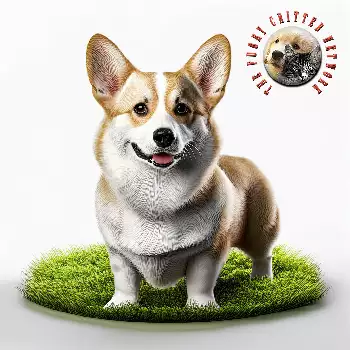
The Pembroke Welsh Corgi is a low-set, sturdy herding breed that stands ten to twelve inches at the shoulder and weighs between twenty-three and thirty pounds, with males typically ranging from twenty-seven to thirty pounds and females somewhat lighter at twenty-five to twenty-eight pounds. The breed is classified as a chondrodysplastic or dwarf breed, characterized by its distinctive long body and short, strong legs that made it ideally suited for driving cattle by nipping at their heels while staying low enough to avoid kicks. Despite their small stature, Pembroke Welsh Corgis are surprisingly athletic and agile, with substantial bone and a muscular build that conveys strength and stamina rather than coarseness or heaviness. The body is moderately long and low to the ground, with a deep chest that is well let down between the forelegs, providing ample heart and lung room for an active working dog capable of sustained effort. The topline is level, and the rib cage is slightly egg-shaped and moderately long, neither barrel-shaped nor too flat. The loin is short and strong, blending smoothly into the slightly sloped croup. The breed's characteristic short tail may be naturally bobbed, docked very short, or occasionally left natural in regions where docking is prohibited, though a docked or natural bob tail is traditional. The overall impression should be of a workmanlike dog capable of covering ground with surprising speed and efficiency despite its diminutive height. The Pembroke's head bears a distinctly fox-like appearance, with an intelligent, alert expression and erect, medium-sized ears that taper to slightly rounded points and are mobile, responding sensitively to sounds. The skull is fairly wide and flat between the ears, with a moderate stop and a moderately tapered muzzle that maintains good breadth and depth. Eyes are oval-shaped, medium-sized, and set somewhat obliquely, with dark rims surrounding brown irises that vary in shade to complement coat color and contribute to the breed's characteristically keen, interested expression. The weatherproof double coat consists of a short, thick, weather-resistant undercoat topped by a coarser, longer outer coat that lies flat against the body. Acceptable colors include red, sable, fawn, and black and tan, all with or without white markings on the legs, chest, neck, muzzle, and as a narrow blaze on the head.
Key Characteristics
Temperament Temperament Temperament Temperament Temperament Temperament Pembroke Welsh Corgis thrive on being part of family activities and do not do well when left alone for extended periods or excluded from household happenings. They are loyal and affectionate with their families, enjoying cuddle time as much as active play once their exercise needs are met. The breed generally does well with children who are taught to respect their needs, though their herding instincts make supervision important around very young children. With proper socialization, Pembrokes can live harmoniously with other dogs and cats, though they may attempt to assert dominance and can be bossy with other pets.
Health Considerations Health Considerations Health Considerations Health Considerations Health Considerations Health Considerations Eye conditions including progressive retinal atrophy, cataracts, and distichiasis occur in the breed and warrant regular ophthalmic screening. Von Willebrand's disease, a blood clotting disorder, affects some Pembrokes and should be tested for before any surgical procedures. Exercise-induced collapse, while less common, can occur in affected dogs during intense physical activity. The breed is prone to obesity, which exacerbates spinal problems and reduces quality of life. Dental disease and epilepsy are also noted in the breed. With appropriate health screening, weight management, and preventive care, Pembroke Welsh Corgis typically live twelve to fifteen years.
Important to Remember
Each hybrid dog is unique and may inherit any combination of traits from either parent breed. The information above represents the characteristics of the purebred parent breeds. Your Cava-Corgi may favor one parent over the other or display a blend of both. We strongly encourage you to read the complete breed profiles for both the Cavalier King Charles Spaniel and Pembroke Welsh Corgi to fully understand the range of possible temperaments, health concerns, and care requirements.