Cav-A-Lon
The Cav-A-Lon is a cross between the Cavalier King Charles Spaniel and the Papillon. Because each hybrid inherits a unique combination of traits from both parents, we recommend thoroughly researching both breeds before choosing a Cav-A-Lon. Pay special attention to temperament, health issues, and care requirements, as your dog may express characteristics from either parent breed.
Cavalier King Charles Spaniel

The Cavalier King Charles Spaniel presents an elegant and regal appearance while maintaining a charming, approachable demeanor. Standing twelve to thirteen inches tall at the withers and weighing between thirteen and eighteen pounds, this toy breed achieves a balanced, compact build that is neither fragile nor overly substantial. The body displays slight length exceeding height, creating graceful proportions with a level topline, moderately deep chest, and well-sprung ribs. The breed possesses medium bone structure that provides substance without appearing heavy or coarse. The head features defining characteristics that create the breed's sweet, gentle expression. The skull presents slight rounding between the ears with a well-defined stop, while the muzzle appears full yet gently tapered, measuring approximately one-third the head length. Large, round, dark brown eyes set well apart contribute significantly to the melting expression, enhanced by cushioning beneath that softens the overall appearance. The long, feathered ears set high and wide on the crown fan forward slightly when alert, framing the face beautifully and adding to the distinctive spaniel look. The luxurious coat represents one of the breed's most striking features, displaying a silky texture with moderate length and potential slight wave. Profuse feathering adorns the ears, chest, legs, and tail, with particularly notable feathering on the feet considered a breed hallmark. The coat comes in four recognized color patterns: Blenheim displays rich chestnut markings well broken on pearly white ground, often featuring the prized lozenge mark on the head; tricolor presents black and white with tan markings over eyes, cheeks, inside ears, inside legs, and underside of tail; black and tan exhibits solid black with tan points; and ruby shows solid rich red coloring throughout.
Key Characteristics
Temperament Temperament Temperament Temperament Temperament Temperament Cavaliers display exceptional sociability toward strangers, other dogs, and household pets, adapting well to multi-pet environments. Their moderate exercise needs combine with calm indoor demeanor when properly exercised, though they should not be trusted off-leash due to spaniel hunting instincts. The breed molds its personality to household atmosphere, becoming lively in active homes or more reserved in quieter settings, while maintaining fundamental companion qualities throughout. Their cheerful, friendly nature combined with relatively laid-back energy creates an ideal balance for various living situations from apartments to estates.
Health Considerations Health Considerations Health Considerations Health Considerations Health Considerations Health Considerations Dental disease affects the breed more severely than many others, with periodontal issues developing early and potentially affecting heart, liver, kidney, and joint health. Primary secretory otitis media, or glue ear, afflicts up to thirty percent of Cavaliers, causing painful mucus accumulation in middle ears. The breed may experience episodic falling syndrome, a neurological condition causing temporary inability to stand. Cavaliers display unique macrothrombocytosis with abnormally low platelet counts that typically don't cause health problems but can lead to misdiagnosis. Average lifespan ranges from nine to twelve years, though dedicated health screening, appropriate veterinary care, maintaining healthy weight, and avoiding overexertion in heat can help maximize longevity and quality of life for these affectionate companions.
Papillon
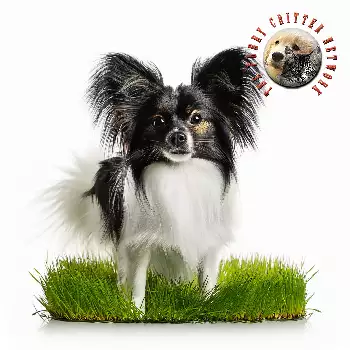
The Papillon presents a dainty yet sturdy appearance that balances delicate elegance with surprising athleticism and resilience. Standing eight to eleven inches at the withers and weighing between five and ten pounds, with some individuals as light as three pounds, this toy breed displays fine bone structure that provides grace without fragility. The body appears slightly longer than tall, creating balanced proportions with a level topline and moderately deep chest. Despite diminutive size, Papillons possess remarkable strength and agility, moving with light, graceful, flowing action that surprises observers. The head displays refined features with small, slightly rounded skull and well-defined stop creating proper proportion. The muzzle tapers slightly, appearing somewhat short and thin as it narrows toward the small, black nose. Medium-sized, round, dark eyes with black rims convey alert intelligence and keen expression characteristic of the breed. The ears represent the Papillon's most iconic feature, standing large and erect with rounded tips, set high and carried slightly forward at approximately forty-five-degree angles. The ears feature abundant long, fringed hair creating the distinctive butterfly-wing appearance that inspired the breed name. Papillons with naturally dropped ears, called Phalenes or moth-eared, represent an equally acceptable variant, with the same luxurious ear feathering lying gracefully against the head. The coat displays long, silky, straight texture without undercoat, making maintenance surprisingly manageable despite flowing appearance. The single-layer coat rarely mats and sheds minimally compared to double-coated breeds. Profuse feathering adorns the ears, creating dramatic framing around the face, while additional abundant feathering appears on the chest, backs of forelegs, underparts, and especially the tail, which carries high over the back in elegant plume. The coat remains shorter and flat on the head, face, and front of legs, creating pleasing contrast with feathered areas. Papillons appear particolored with white base marked by patches of any color including black, red, orange, tan, sable, lemon, liver, or silver. Tricolor variations prove popular. An all-white dog or one lacking white proves undesirable for breed standards, with preference given to dogs displaying facial blaze dividing symmetrical colored patches on either side.
Key Characteristics
Temperament Temperament Temperament Temperament Temperament Temperament Training proves rewarding due to keen intelligence and eagerness to please, though Papillons require positive reinforcement methods and engaging, varied sessions to maintain focus. They respond poorly to harsh corrections, becoming stubborn or shutting down entirely. The breed displays alert watchdog tendencies, readily vocalizing to announce visitors or unusual occurrences, though proper training prevents excessive barking. Papillons typically coexist well with other household pets including cats when raised together, though supervision remains important as their fearless nature leads them to engage dogs much larger without recognizing size disparity. With children, Papillons prove gentle and playful, though their small size requires supervision to prevent accidental injury. Their adaptability, intelligence, and affectionate disposition combined with moderate exercise requirements create versatile companions suitable for active families, seniors, and various living situations.
Health Considerations Health Considerations Health Considerations Health Considerations Health Considerations Health Considerations Open fontanelle, similar to soft spots in human infants, persists in some Papillons beyond normal closure at nine to twelve weeks, though typically causes no issues unless trauma occurs. Hypoglycemia or low blood sugar poses risk in puppies and smaller adults, requiring regular feeding schedules to prevent dangerous blood sugar drops. Von Willebrand's disease, a blood clotting disorder, affects some Papillons causing excessive bleeding during surgery or injury. Heart valve disease, particularly myxomatous mitral valve degeneration, develops in some older Papillons, causing heart murmurs and potentially heart failure. Portosystemic liver shunt, though less common, represents serious congenital condition requiring surgical correction. Epilepsy can occur with seizures typically beginning between six months and three years. Cushing's disease, causing excessive steroid hormone production, affects some older Papillons with slow-developing symptoms. Regular veterinary examinations, genetic health testing, maintaining appropriate weight, providing proper dental care, and selecting responsible breeders who screen for hereditary conditions contribute significantly to maximizing the Papillon's naturally impressive longevity and quality of life.
Important to Remember
Each hybrid dog is unique and may inherit any combination of traits from either parent breed. The information above represents the characteristics of the purebred parent breeds. Your Cava-lon may favor one parent over the other or display a blend of both. We strongly encourage you to read the complete breed profiles for both the Cavalier King Charles Spaniel and Papillon to fully understand the range of possible temperaments, health concerns, and care requirements.