Brug
The Brug is a cross between the Brussels Griffon and the Pug. Because each hybrid inherits a unique combination of traits from both parents, we recommend thoroughly researching both breeds before choosing a Brug. Pay special attention to temperament, health issues, and care requirements, as your dog may express characteristics from either parent breed.
Brussels Griffon
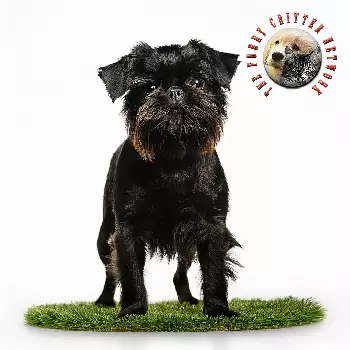
The Brussels Griffon is a small toy breed standing between 7 and 10 inches at the shoulder and weighing between 6 and 12 pounds. Despite their diminutive size, these dogs possess a sturdy, compact build with a square body proportion and well-developed muscles. Their small stature belies a robust constitution that was originally developed for ratting in Belgian stables and households. The breed's structure combines the delicacy expected of a toy breed with surprising substance and bone density. The Brussels Griffon comes in two distinct coat varieties: rough and smooth. The rough-coated variety features a dense, wiry outer coat with a characteristic beard and whiskers that give the face its distinctive human-like expression. This coat type requires regular professional grooming every four to eight weeks to maintain its proper texture and appearance. The smooth-coated variety, sometimes called the Petit Brabancon, has a short, glossy coat that lies close to the body and requires less maintenance but does shed more noticeably. Both coat types appear in red, black, black and tan, or belge coloration. The most striking feature of the Brussels Griffon is their distinctive face, which many describe as having an almost human-like quality. Their large, prominent, dark eyes are set wide apart and convey remarkable expressiveness, ranging from soulful to mischievous. The skull is rounded with a very short, upturned muzzle and an undershot jaw, classifying them as a brachycephalic breed. Their ears are set high on the head and may be natural or cropped where permitted. The overall expression is one of alert intelligence and self-importance, perfectly matching their confident personality. Their tail is typically docked to about one-third its natural length where this practice is allowed.
Key Characteristics
Temperament Temperament Temperament Temperament Temperament Temperament The breed is not ideally suited for homes with very young children, as their small size makes them vulnerable to accidental injury, and they may not tolerate rough handling. They can do well with older, respectful children who understand appropriate interactions with small dogs. Brussels Griffons often get along with other pets, particularly if raised together, though they may attempt to dominate larger dogs despite the obvious size difference. They require only moderate exercise, with daily walks and indoor play sessions sufficient for their needs. Separation anxiety can be a significant concern, as their strong attachment to their owners makes prolonged absences distressing. Ideal owners are those who can provide consistent companionship and appreciate the breed's unique combination of comedy and dignity.
Health Considerations Health Considerations Health Considerations Health Considerations Health Considerations Health Considerations Eye problems are a significant concern due to the breed's prominent, bulging eyes, which are vulnerable to injury and conditions such as progressive retinal atrophy, cataracts, and corneal ulcers. Owners should take care to protect their dog's eyes from trauma and seek veterinary attention promptly for any signs of eye irritation or injury. Dental issues are common due to their shortened jaw and crowded teeth, making regular dental care essential. Brussels Griffons are also known for having difficult births, often requiring cesarean sections due to the puppies' large heads relative to the mother's pelvis. Prospective owners should seek puppies from breeders who screen for hereditary conditions and provide appropriate health clearances.
Pug
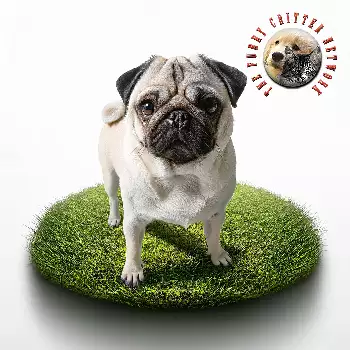
The Pug is a small, sturdy toy breed standing between 10 and 13 inches at the shoulder and weighing between 14 and 18 pounds. Despite being classified as a toy breed, Pugs are among the most substantial of small dogs, displaying a compact, square build with well-developed muscles throughout their bodies. Their overall appearance reflects their mastiff ancestry, presenting a picture of symmetry and hardness of condition within a small package. The Latin phrase multum in parvo, meaning much in little, perfectly captures the breed's essence. The Pug's coat is smooth, short, soft, and glossy, lying close to the body without being harsh or woolly. They possess a dense double coat that sheds considerably, particularly during seasonal changes in spring and fall. The accepted colors include fawn, apricot fawn, silver fawn, and black, with fawn being the most common. Fawn-colored Pugs display a distinct black mask covering the muzzle and extending around the eyes, along with black ears. A dark trace or stripe running from the back of the skull to the tail is desirable. Black Pugs should be a deep, solid black without any white or tan markings. The head of the Pug is their most distinctive feature, being large, round, and massive in proportion to the body. The muzzle is very short, square, and blunt, with the nose set between large, round, dark eyes that protrude somewhat and give the breed their characteristic soulful expression. Deep wrinkles cover the forehead, ideally forming a pattern resembling the Chinese character for prince. The ears are small, thin, and soft like black velvet, set high on the head and folded in either rose or button style. The tightly curled tail, ideally forming a double curl, is set high on the hindquarters and carried over the hip. This combination of features creates the charming, almost comical expression that has endeared Pugs to owners for centuries.
Key Characteristics
Temperament Temperament Temperament Temperament Temperament Temperament The breed is known for being excellent with children of all ages, displaying patience and gentleness that makes them suitable family pets. They typically get along well with other dogs and pets, rarely showing aggression or territorial behavior. Pugs crave human companionship and do not fare well when left alone for extended periods, potentially developing separation anxiety or destructive behaviors. They can be somewhat stubborn during training and may require patience and creativity to motivate, though food rewards often prove highly effective given the breed's love of eating. Their desire to be close to their owners, combined with their comical antics and expressive faces, creates an irresistible companion for those who appreciate the breed's unique character.
Health Considerations Health Considerations Health Considerations Health Considerations Health Considerations Health Considerations Skin fold dermatitis is a frequent concern, as the deep wrinkles on the face and body can trap moisture and debris, creating an environment for bacterial and yeast infections. Regular cleaning and drying of skin folds is essential preventive care. Obesity is a major health concern for Pugs given their love of food and relatively sedentary nature, and excess weight exacerbates virtually every other health condition including breathing problems, joint issues, and heat intolerance. The breed is also prone to patellar luxation, hip dysplasia, and various orthopedic conditions. Dental disease is common due to their crowded teeth, requiring diligent oral hygiene. Responsible breeding practices and careful attention to weight management, temperature regulation, and preventive care are essential for maximizing the health and longevity of these beloved companions.
Important to Remember
Each hybrid dog is unique and may inherit any combination of traits from either parent breed. The information above represents the characteristics of the purebred parent breeds. Your Brug may favor one parent over the other or display a blend of both. We strongly encourage you to read the complete breed profiles for both the Brussels Griffon and Pug to fully understand the range of possible temperaments, health concerns, and care requirements.