Bowzer
The Bowzer is a cross between the Basset Hound and the Miniature Schnauzer. Because each hybrid inherits a unique combination of traits from both parents, we recommend thoroughly researching both breeds before choosing a Bowzer. Pay special attention to temperament, health issues, and care requirements, as your dog may express characteristics from either parent breed.
Basset Hound

The Basset Hound is a distinctive medium-sized breed immediately recognizable by their long, low-slung body and remarkably short legs that give them their unique appearance. Despite their diminutive height of less than 15 inches at the shoulder, they are surprisingly heavy-boned and substantial, weighing between 40 and 65 pounds. Their body structure features a notably elongated appearance, with the length being considerably greater than the height, creating a unique rectangular silhouette that distinguishes them from all other breeds. The breed possesses a deep, broad chest and well-developed muscles that belie their somewhat comical appearance and reflect their heritage as capable scent hounds bred for tracking game. The Basset Hound's head is one of their most striking and memorable features, being large and well-proportioned with a domed skull and prominent occiput. Their face is characterized by loose, wrinkled skin that falls into deep folds, contributing to their famously mournful and soulful expression. The eyes are soft, sad-looking, and typically dark hazel in color, set deeply beneath prominent brow ridges that give them their distinctive appearance. Perhaps their most famous feature is their extraordinarily long, velvety ears, set low on the head and hanging well below the jaw line, capable of reaching at least to the end of the nose when drawn forward. These remarkably long ears serve a functional purpose, helping to trap scent particles and funnel them toward the nose during tracking. The Basset's coat is smooth, short, and dense, providing adequate protection against harsh weather conditions while requiring minimal grooming maintenance. The coat texture is somewhat hard to the touch, and the skin beneath is notably loose and elastic throughout the body. They come in any recognized hound color, though the most common patterns include combinations of black, tan, and white (tricolor) or red and white. The tail is long and tapering, carried with a gentle curve when the dog is moving. Overall, the Basset Hound presents an impressive blend of substance and endearing appearance that has made them beloved companions.
Key Characteristics
Temperament Temperament Temperament Temperament Temperament Temperament Basset Hounds have a distinctive, melodious bark and a tendency to bay or howl, particularly when left alone or when they detect interesting scents, which can be problematic in noise-sensitive environments. They were bred to work independently while hunting, which contributes to their sometimes stubborn nature during training. However, their gentle disposition means they are rarely aggressive and typically get along well with everyone they meet. They do not thrive when left alone for extended periods and may develop separation anxiety or engage in problem behaviors such as excessive barking or destructive chewing when feeling neglected.
Health Considerations Health Considerations Health Considerations Health Considerations Health Considerations Health Considerations The Basset Hound's distinctive features contribute to several breed-specific health concerns that require ongoing attention. Their long, pendulous ears trap moisture and limit air circulation, making them highly susceptible to ear infections that require regular cleaning and monitoring. Eye conditions are common in the breed, including glaucoma, which can lead to blindness if untreated, and cherry eye, where the gland in the third eyelid prolapses and becomes visible. Ectropion, the outward rolling of the lower eyelids, exposes the eye to irritation and infection. Thrombopathia, a platelet dysfunction causing abnormal bleeding, and osteochondrodysplasia, the genetic condition responsible for their characteristically short legs, are additional health considerations.
Miniature Schnauzer
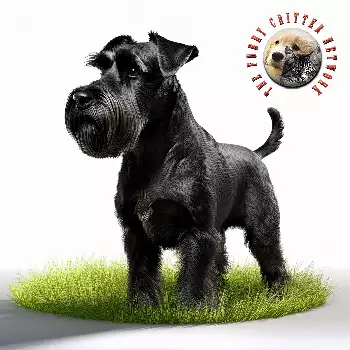
The Miniature Schnauzer is a small, robust dog breed that presents a distinctive square-bodied silhouette with a wiry, elegant appearance that sets them apart from other small breeds. They stand 12 to 14 inches at the shoulder and weigh between 11 and 20 pounds, making them the smallest of the three Schnauzer varieties. Despite their diminutive size, they are sturdy and athletic, with well-developed musculature that reflects their origins as versatile farm dogs capable of ratting, guarding, and providing companionship to families. Their body proportions create a nearly square profile when viewed from the side, with the length approximately equal to the height at the withers. The breed's head is rectangular in shape with a strong, flat topskull and a powerful muzzle that gives them a distinguished appearance. Their most recognizable features are the distinctive facial furnishings that give them their characteristic look: bushy, arched eyebrows that frame alert, dark oval eyes, and a full, luxuriant beard and walrus-like mustache that requires regular grooming to maintain. The ears are set high and may be cropped to stand erect or left natural to fold forward close to the skull. Their dark brown eyes convey an intelligent, keen expression that reflects their alert and spirited nature and their readiness to engage with their environment. The Miniature Schnauzer possesses a distinctive double coat consisting of a wiry, harsh outer coat and a soft, dense undercoat that provides insulation. Recognized colors include salt and pepper (the most common), black and silver, and solid black, with all colors having a uniformly dark gray undercoat. The coat requires regular maintenance, including professional grooming every four to six weeks to maintain the characteristic Schnauzer silhouette through hand-stripping or clipping. Their relatively low-shedding coat makes them a popular choice for those concerned about pet hair in the home, though they are not truly hypoallergenic as no dog breed is.
Key Characteristics
Temperament Temperament Temperament Temperament Temperament Temperament Miniature Schnauzers are highly social dogs who thrive on human companionship and do not tolerate being left alone for extended periods without adequate mental stimulation. They adapt well to various living situations, from apartments to large homes with yards, as long as they receive adequate exercise and attention from their families. Their moderate energy level requires regular daily activity, including walks and play sessions, to keep them physically fit and mentally satisfied. They typically get along well with children and other pets when properly socialized from a young age, though supervision is recommended with very small children.
Health Considerations Health Considerations Health Considerations Health Considerations Health Considerations Health Considerations Eye conditions affecting Miniature Schnauzers include cataracts, which can develop at any age and may progress to cause significant vision impairment requiring surgical intervention. Progressive retinal atrophy, though less common, can also occur and leads to gradual vision loss. Liver shunts, where blood bypasses the liver through abnormal vessel connections, may affect some individuals and can cause a range of symptoms from subtle neurological signs to severe illness. Myotonia congenita, a condition causing muscle stiffness, and von Willebrand disease, a bleeding disorder, are additional inherited conditions found in the breed. The rare but fatal Mycobacterium avium complex infection also disproportionately affects Miniature Schnauzers.
Important to Remember
Each hybrid dog is unique and may inherit any combination of traits from either parent breed. The information above represents the characteristics of the purebred parent breeds. Your Bowzer may favor one parent over the other or display a blend of both. We strongly encourage you to read the complete breed profiles for both the Basset Hound and Miniature Schnauzer to fully understand the range of possible temperaments, health concerns, and care requirements.