BoShih
The BoShih is a cross between the Boston Terrier and the Shih Tzu. Because each hybrid inherits a unique combination of traits from both parents, we recommend thoroughly researching both breeds before choosing a BoShih. Pay special attention to temperament, health issues, and care requirements, as your dog may express characteristics from either parent breed.
Boston Terrier
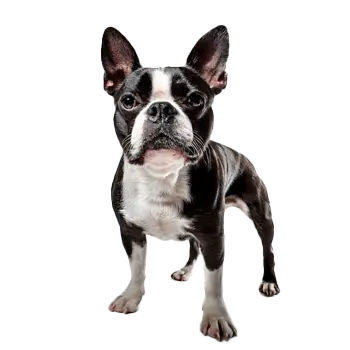
The Boston Terrier is a compact, well-balanced small dog that typically stands 15 to 17 inches tall at the shoulder and weighs between 12 and 25 pounds, divided into three weight categories: under 15 pounds, 15 to under 20 pounds, and 20 to 25 pounds. This American breed possesses a distinctive square-shaped head with a short, wide muzzle and a flat face characteristic of brachycephalic breeds. The body is short and sturdy with a square appearance, featuring a broad chest, well-sprung ribs, and a naturally short tail that may be straight or cork-screwed. The muscular legs are set moderately wide apart with well-defined thighs, and the overall structure conveys strength and determination despite the breed's relatively small size. The Boston Terrier's coat is one of its most recognizable features, consisting of a smooth, short, and fine-textured covering that lies flat against the muscular body. The breed displays a characteristic tuxedo-like pattern with a predominantly black, brindle, or seal coloring accompanied by symmetrical white markings. These desirable markings typically include a white blaze between the eyes, a white muzzle band, a white chest, and often white on the front legs and up over the hocks on the rear legs. This distinctive coloring earned the breed its nickname as the American Gentleman. The coat requires minimal grooming with occasional brushing and sheds only lightly throughout the year. The face of the Boston Terrier features large, round, dark eyes set wide apart that give the breed an intelligent, kind, and alert expression often described as reflecting curiosity and good humor. The ears are small, erect, and carried naturally, positioned near the corners of the skull to enhance the square appearance of the head. The short muzzle creates the characteristic brachycephalic facial structure, though reputable breeders work to produce dogs with moderate features to reduce associated breathing difficulties. The jaw is broad and square with an even or slightly undershot bite. The combination of the expressive eyes, tuxedo markings, and compact muscular build creates an elegant yet spirited appearance that has made this breed beloved for over a century.
Key Characteristics
Temperament Temperament Temperament Temperament Temperament Temperament One consideration for potential owners is the Boston Terrier's tendency toward separation anxiety when left alone for extended periods. These companion-oriented dogs thrive on human interaction and may develop destructive behaviors or excessive barking if isolated frequently. Their sensitive nature means they respond poorly to harsh training methods, instead flourishing with gentle guidance and plenty of praise. The breed's adaptable temperament, combined with their manageable size and entertaining personality, has made them one of the most popular companion breeds in America for generations.
Health Considerations Health Considerations Health Considerations Health Considerations Health Considerations Health Considerations Orthopedic issues also affect this breed, with patellar luxation being particularly common. This condition occurs when the kneecap dislocates from its normal position, causing intermittent lameness and potentially leading to arthritis over time. Some Boston Terriers inherit spinal abnormalities including hemivertebrae, malformed vertebrae that can compress the spinal cord and cause neurological problems. Other health concerns include allergies affecting the skin, deafness that may be present from birth particularly in dogs with excessive white markings, and the potential for seizure disorders. Responsible breeding practices and health screening have helped reduce the incidence of many inherited conditions in the breed.
Shih Tzu

The Shih Tzu is a small, sturdy dog breed that stands 9 to 10.5 inches tall at the shoulder and typically weighs between 9 and 16 pounds. This ancient Chinese companion breed possesses a body that is slightly longer than it is tall, creating an appealing rectangular silhouette. The overall build is compact and solid with good bone and substance, belying the breed's delicate appearance. The Shih Tzu carries itself with an unmistakably proud and arrogant carriage, head held high and tail curved well over the back in a characteristic plume. The Shih Tzu's coat is perhaps its most spectacular feature, consisting of a luxurious double layer with a dense, long, and flowing outer coat covering a soft wooly undercoat. When maintained in full show coat, the hair reaches floor length and flows elegantly as the dog moves. The breed displays an impressive range of colors including gold, white, black, liver, brindle, silver, and red, with many individuals sporting parti-color patterns combining white with another color. The facial furnishings grow upward from the muzzle and are typically styled in a topknot secured with a bow, revealing the distinctive chrysanthemum-like growth pattern that gives the face a flower-like appearance. The head of the Shih Tzu is round and broad with a characteristic flat facial structure resulting from the breed's brachycephalic anatomy. The large, round eyes are dark and set well apart, giving the breed its warm and trusting expression. The muzzle is short, square, and unwrinkled, with a distinct underbite that is actually required by the breed standard. The heavily furnished pendant ears hang close to the head, blending seamlessly into the body coat. The nose is typically black, though liver-colored dogs display a liver nose. Many owners choose to maintain their Shih Tzus in a practical puppy cut that is easier to manage while still showcasing the breed's charming features and sweet expression.
Key Characteristics
Temperament Temperament Temperament Temperament Temperament Temperament Training a Shih Tzu requires patience and consistency, as the breed can display stubborn tendencies despite their desire to please. They respond best to positive reinforcement methods with plenty of treats and praise, while harsh corrections may cause them to become uncooperative or fearful. Housetraining can be challenging and often takes longer than with other breeds, requiring owners to maintain a consistent schedule and reward successes generously. Like many companion breeds, Shih Tzus may develop separation anxiety when left alone for extended periods, potentially resulting in destructive behaviors or excessive barking. Their devotion to their owners is absolute, and they thrive in homes where they receive abundant love and attention.
Health Considerations Health Considerations Health Considerations Health Considerations Health Considerations Health Considerations Orthopedic conditions affecting Shih Tzus include patellar luxation, hip dysplasia, and intervertebral disc disease, which can cause pain and mobility issues. The breed's long back relative to its height increases susceptibility to spinal problems, and owners should discourage jumping from heights. Ear infections are common due to the heavy ear leather and hair within the ear canal, requiring regular cleaning and monitoring. Dental disease develops frequently because of the breed's small mouth and crowded teeth, making home dental care and professional cleanings particularly important. Other concerns include hypothyroidism affecting metabolism, allergies manifesting as skin conditions, and potential liver shunts in puppies. Working with a reputable breeder who screens for hereditary conditions helps minimize risk of serious health issues.
Important to Remember
Each hybrid dog is unique and may inherit any combination of traits from either parent breed. The information above represents the characteristics of the purebred parent breeds. Your BoShih may favor one parent over the other or display a blend of both. We strongly encourage you to read the complete breed profiles for both the Boston Terrier and Shih Tzu to fully understand the range of possible temperaments, health concerns, and care requirements.