Border Jack
The Border Jack is a cross between the Border Collie and the Jack Russell Terrier. Because each hybrid inherits a unique combination of traits from both parents, we recommend thoroughly researching both breeds before choosing a Border Jack. Pay special attention to temperament, health issues, and care requirements, as your dog may express characteristics from either parent breed.
Border Collie
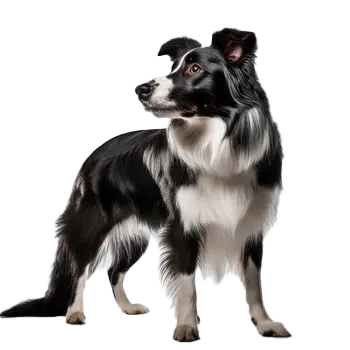
The Border Collie is a medium-sized herding dog that presents an athletic and well-balanced appearance, built for agility, speed, and endurance rather than bulk or imposing size. Males typically stand between 19 and 22 inches at the withers and weigh 30 to 55 pounds, while females measure 18 to 21 inches and fall within the same weight range. The breed's body is slightly longer than it is tall, approximately a 10:9 ratio, giving it an efficient frame for the quick directional changes and sustained movement required in herding work. The head is moderately broad with a distinct stop, and the muzzle tapers toward the nose, creating an overall otter-like appearance that is characteristic of the breed. The Border Collie's coat comes in two recognized varieties: rough and smooth. The rough coat is medium to long with feathering on the forelegs, haunches, chest, and underside, while the smooth coat lies closer to the body with minimal feathering. Both varieties feature a dense, weather-resistant double coat that can be straight or slightly wavy, providing protection in harsh working conditions. The breed displays an impressive array of colors and patterns, with black and white being the most common. Other accepted colors include red and white, blue merle, sable, tricolor, and various combinations, all considered equally acceptable in the breed standard. The ears are semi-erect with tips that fold forward, though erect or fully dropped ears also occur within the breed and are acceptable. The eyes are oval-shaped and set well apart, typically brown in most colors though blue eyes are permitted in merle-patterned dogs and may include one blue and one brown eye. The breed's most distinctive feature is its intense, intelligent expression and characteristic crouching gait when working livestock. The tail is moderately long, reaching at least to the hocks, set low with a slight upward curve at the end, and is carried low during concentration but may rise enthusiastically when the dog is excited or playing.
Key Characteristics
Temperament Temperament Temperament Temperament Temperament Temperament Border Collies tend to be affectionate and devoted to their families while often showing reserve toward strangers, making them alert but not aggressive watchdogs. They generally do well with older children who understand how to interact appropriately with dogs but may attempt to herd younger children or those engaging in rowdy play. With proper socialization from puppyhood, they can coexist peacefully with other household pets, though their herding drive may occasionally cause friction. The breed thrives in active households where they can participate in activities alongside their owners and struggles in environments without adequate physical and mental stimulation.
Health Considerations Health Considerations Health Considerations Health Considerations Health Considerations Health Considerations Progressive Retinal Atrophy, though less common than CEA, poses a risk of gradual vision loss and eventual blindness in affected dogs. Hypothyroidism affects a fair number of Border Collies, causing symptoms such as weight gain, lethargy, coat problems, and skin issues, though it responds well to daily hormone replacement therapy. The MDR1 gene mutation, which causes sensitivity to certain common medications, occurs in some Border Collies and can be identified through DNA testing. With appropriate health screening of breeding stock and attentive veterinary care, Border Collies typically enjoy a lifespan of 12 to 15 years, remaining active well into their senior years.
Jack Russell Terrier

The Jack Russell Terrier is a compact, athletic small terrier originally developed for fox hunting in England during the early 19th century. Breed standards vary somewhat between registries, with the JRTCA specifying a height of 10 to 15 inches at the withers, while the AKC standard for the closely related Parson Russell Terrier calls for 12 to 14 inches. Weight typically ranges from 11 to 17 pounds, reflecting the breed's sturdy yet agile build. The body is balanced and slightly longer than tall, with a chest that must be spannable by average-sized hands placed behind the shoulders, a critical characteristic ensuring the dog could follow quarry into underground dens. Three coat types exist within the breed: smooth, broken, and rough. The smooth coat is short and flat-lying, the broken coat features an intermediate texture with some longer hairs that may form slight facial furnishings, and the rough coat is harsh, dense, and longer throughout with distinct beard and eyebrows. All coat types are double-layered and weather-resistant. The breed is predominantly white, with at least 51 percent of the body being white, combined with tan, black, or brown markings. These markings typically appear on the head, ears, and base of the tail, though the specific pattern varies considerably between individuals. The head features a flat skull of moderate width with a well-defined stop and a powerful muzzle that is slightly shorter than the skull. The small, V-shaped ears fold forward close to the head and are highly mobile, reflecting the dog's alert nature. Eyes are dark and almond-shaped with a keen, intelligent expression that conveys the breed's lively character. The nose is black, though brown is acceptable in dogs with predominantly brown markings. Traditionally, the tail was docked to provide a handhold when extracting the dog from underground, though this practice is now banned in many countries. The tail is set high and carried gaily when the dog is alert.
Key Characteristics
Temperament Temperament Temperament Temperament Temperament Temperament Jack Russells typically bond strongly with their families and can be affectionate companions, though they retain their independent spirit and terrier attitude. They tend to do better with older children who understand appropriate dog interaction, as they may nip when provoked or handled roughly. Same-sex aggression and general dog selectivity are common, particularly in intact males, and their intense prey drive makes them unsuitable housemates for small pets like rabbits, guinea pigs, or hamsters. The breed's strong digging instinct and vocal nature, including a characteristic terrier bay, require management. They make excellent watchdogs but may bark excessively without proper training.
Health Considerations Health Considerations Health Considerations Health Considerations Health Considerations Health Considerations Deafness, both congenital and acquired, affects some Jack Russells, with congenital cases potentially linked to the breed's predominantly white coloring. Dental disease poses a significant concern due to the small mouth, making regular dental care essential from an early age to prevent painful infections and tooth loss. Late Onset Ataxia, a neurological condition causing progressive incoordination, has been identified in the breed. Despite these potential health concerns, Jack Russell Terriers are generally hardy dogs with impressive longevity, typically living 13 to 16 years when properly cared for, with many individuals remaining remarkably active throughout their lives.
Important to Remember
Each hybrid dog is unique and may inherit any combination of traits from either parent breed. The information above represents the characteristics of the purebred parent breeds. Your Border Jack may favor one parent over the other or display a blend of both. We strongly encourage you to read the complete breed profiles for both the Border Collie and Jack Russell Terrier to fully understand the range of possible temperaments, health concerns, and care requirements.