Border Collie Cocker
The Border Collie Cocker is a cross between the Border Collie and the Cocker Spaniel. Because each hybrid inherits a unique combination of traits from both parents, we recommend thoroughly researching both breeds before choosing a Border Collie Cocker. Pay special attention to temperament, health issues, and care requirements, as your dog may express characteristics from either parent breed.
Border Collie
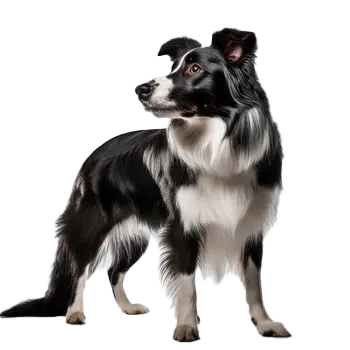
The Border Collie is an athletic, medium-sized herding dog that embodies agility, grace, and endurance in every aspect of its conformation. Males typically stand between 19 to 22 inches at the shoulder and weigh 30 to 55 pounds, while females measure 18 to 21 inches and generally weigh slightly less. The breed possesses a well-proportioned body that is slightly longer than it is tall, with the length to height ratio being approximately ten to nine, giving them an ideal structure for quick movements and sudden changes of direction. Their muscular yet lithe build reflects their heritage as tireless working dogs capable of covering vast distances across rugged terrain while maintaining remarkable stamina throughout the day. The chest is deep and moderately broad, providing ample lung capacity for sustained exertion. The Border Collie's coat comes in two distinct varieties: rough and smooth. The rough coat is medium-length with feathering on the forelegs, chest, and underside, often featuring a luxurious mane around the neck that enhances their dignified appearance. The smooth variety is shorter and coarser in texture with minimal feathering, though both types shed seasonally. Both coat types feature a dense, weather-resistant double layer that protects them in various climates, from cold highland pastures to temperate farmlands. The breed appears in virtually every color and pattern imaginable, including black and white, red and white, tricolor, blue merle, sable, and solid colors, though black and white remains the most recognized combination worldwide. One of the Border Collie's most distinctive features is their intense, intelligent expression, often described as the famous herding eye that can control livestock with a penetrating stare. Their oval-shaped eyes are typically dark brown, though merle-patterned dogs may have blue eyes or heterochromia, and they convey remarkable depth of awareness. The ears are medium-sized and set well apart, carried erect or semi-erect with tips that may fold forward or outward, remaining highly mobile to catch sounds. Their moderately long tail reaches at least to the hock and features an upward swirl at the end, completing their balanced silhouette. The tail rises when the dog is excited but should never curl over the back, and it serves as an indicator of the dog's mood and focus.
Key Characteristics
Temperament Temperament Temperament Temperament Temperament Temperament Despite their serious working demeanor, Border Collies are affectionate and devoted companions to their families. They form strong attachments to their people and often choose a favorite person to shadow throughout the day. Early socialization is essential to prevent excessive shyness or wariness around unfamiliar people and situations. With proper training, consistent mental engagement, and an active lifestyle, the Border Collie transforms into a loyal, responsive partner capable of remarkable feats and unwavering dedication to their human companions.
Health Considerations Health Considerations Health Considerations Health Considerations Health Considerations Health Considerations Epilepsy is a significant neurological concern in the breed, typically manifesting between six months and five years of age through recurring seizures. While idiopathic epilepsy has no identifiable cause, it can often be managed with lifelong medication. Additional health concerns include Trapped Neutrophil Syndrome, a genetic immune deficiency affecting white blood cell function, and Neuronal Ceroid Lipofuscinosis, a fatal metabolic disorder causing neurological deterioration. The MDR1 gene mutation, present in some Border Collies, causes sensitivity to certain medications commonly used in veterinary medicine. DNA testing is available for many of these conditions, allowing breeders to make informed decisions and owners to plan appropriate healthcare strategies.
Cocker Spaniel
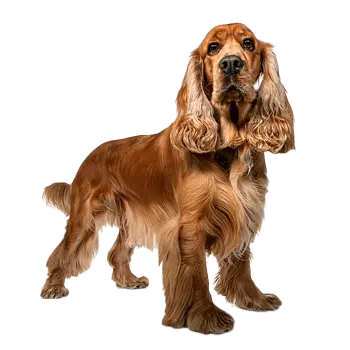
The Cocker Spaniel is the smallest member of the Sporting Group, combining a sturdy, compact body with an elegant, refined appearance. Males stand at the ideal height of 15 inches at the shoulder and females at 14 inches, with a permissible range of half an inch in either direction. Weight typically ranges from 20 to 30 pounds, distributed across a well-balanced frame that projects capability and athleticism. The breed possesses a cleanly chiseled head with a rounded skull, pronounced stop, and square muzzle that creates their characteristic sweet, appealing expression. Their body structure allows for considerable speed combined with endurance, essential qualities for their original purpose as upland game hunters. The Cocker Spaniel's coat is one of its most striking features, consisting of silky, flat or slightly wavy hair that covers the body in varying lengths. The head displays short, fine hair while the ears, chest, abdomen, and legs feature longer feathering that requires regular maintenance. The coat texture permits easy care when properly maintained, though excessive or curly coats are considered faults in the breed standard. Colors are divided into three varieties: solid black including black with tan points, any solid color other than black ranging from lightest cream to darkest red, and parti-colors featuring two or more definite colors with one being white. Roans in various patterns are also recognized. The breed's expressive round eyes are set to look directly forward and are dark brown in black and black-and-tan varieties, with slightly lighter shades acceptable in other colors. The long, low-set ears reach at least to the tip of the nose when pulled forward, covered in thick, silky hair that adds to their glamorous appearance. The Cocker Spaniel moves with a smooth, effortless gait that covers ground efficiently. Their docked tail is set and carried in line with the topline of the back, wagging happily as they move. Above all, the breed standard emphasizes that the Cocker Spaniel must be free and merry in both expression and movement, reflecting their joyful temperament.
Key Characteristics
Temperament Temperament Temperament Temperament Temperament Temperament Energy levels in Cocker Spaniels are moderately high, reflecting their sporting heritage and need for regular physical activity and mental stimulation. While they adapt well to various living situations including apartments when properly exercised, they require daily walks, play sessions, and opportunities to explore their environment. Their hunting instincts may manifest as an interest in birds and small animals, so secure fencing and leash training are important considerations. Some individuals may display a tendency toward excessive barking or food obsession, behaviors that respond well to consistent training. With proper care, attention, and moderate exercise, the Cocker Spaniel embodies the ideal balance of athletic ability and affectionate companionship.
Health Considerations Health Considerations Health Considerations Health Considerations Health Considerations Health Considerations Orthopedic conditions including hip dysplasia, elbow dysplasia, and patellar luxation occur with notable frequency in Cocker Spaniels. Hip and elbow dysplasia involve abnormal joint development leading to arthritis and mobility issues, while patellar luxation causes the kneecap to slip out of position, resulting in intermittent lameness. Intervertebral disc disease affects the spine and can cause pain, weakness, or even paralysis of the hindquarters. The breed may also experience skin allergies, autoimmune conditions including autoimmune hemolytic anemia, hypothyroidism, and heart disease. Maintaining appropriate body weight, providing joint-supportive nutrition, and regular veterinary care help manage these conditions and support the longest possible healthy lifespan.
Important to Remember
Each hybrid dog is unique and may inherit any combination of traits from either parent breed. The information above represents the characteristics of the purebred parent breeds. Your Border Collie Cocker may favor one parent over the other or display a blend of both. We strongly encourage you to read the complete breed profiles for both the Border Collie and Cocker Spaniel to fully understand the range of possible temperaments, health concerns, and care requirements.