Border Collie Britt
The Border Collie Britt is a cross between the Border Collie and the Brittany Spaniel. Because each hybrid inherits a unique combination of traits from both parents, we recommend thoroughly researching both breeds before choosing a Border Collie Britt. Pay special attention to temperament, health issues, and care requirements, as your dog may express characteristics from either parent breed.
Border Collie
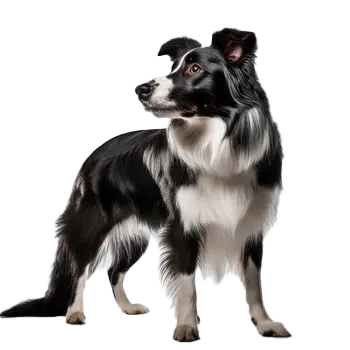
The Border Collie is an athletic, medium-sized herding dog that embodies agility, grace, and endurance in every aspect of its conformation. Males typically stand between 19 to 22 inches at the shoulder and weigh 30 to 55 pounds, while females measure 18 to 21 inches and generally weigh slightly less. The breed possesses a well-proportioned body that is slightly longer than it is tall, with the length to height ratio being approximately ten to nine, giving them an ideal structure for quick movements and sudden changes of direction. Their muscular yet lithe build reflects their heritage as tireless working dogs capable of covering vast distances across rugged terrain while maintaining remarkable stamina throughout the day. The chest is deep and moderately broad, providing ample lung capacity for sustained exertion. The Border Collie's coat comes in two distinct varieties: rough and smooth. The rough coat is medium-length with feathering on the forelegs, chest, and underside, often featuring a luxurious mane around the neck that enhances their dignified appearance. The smooth variety is shorter and coarser in texture with minimal feathering, though both types shed seasonally. Both coat types feature a dense, weather-resistant double layer that protects them in various climates, from cold highland pastures to temperate farmlands. The breed appears in virtually every color and pattern imaginable, including black and white, red and white, tricolor, blue merle, sable, and solid colors, though black and white remains the most recognized combination worldwide. One of the Border Collie's most distinctive features is their intense, intelligent expression, often described as the famous herding eye that can control livestock with a penetrating stare. Their oval-shaped eyes are typically dark brown, though merle-patterned dogs may have blue eyes or heterochromia, and they convey remarkable depth of awareness. The ears are medium-sized and set well apart, carried erect or semi-erect with tips that may fold forward or outward, remaining highly mobile to catch sounds. Their moderately long tail reaches at least to the hock and features an upward swirl at the end, completing their balanced silhouette. The tail rises when the dog is excited but should never curl over the back, and it serves as an indicator of the dog's mood and focus.
Key Characteristics
Temperament Temperament Temperament Temperament Temperament Temperament Despite their serious working demeanor, Border Collies are affectionate and devoted companions to their families. They form strong attachments to their people and often choose a favorite person to shadow throughout the day. Early socialization is essential to prevent excessive shyness or wariness around unfamiliar people and situations. With proper training, consistent mental engagement, and an active lifestyle, the Border Collie transforms into a loyal, responsive partner capable of remarkable feats and unwavering dedication to their human companions.
Health Considerations Health Considerations Health Considerations Health Considerations Health Considerations Health Considerations Epilepsy is a significant neurological concern in the breed, typically manifesting between six months and five years of age through recurring seizures. While idiopathic epilepsy has no identifiable cause, it can often be managed with lifelong medication. Additional health concerns include Trapped Neutrophil Syndrome, a genetic immune deficiency affecting white blood cell function, and Neuronal Ceroid Lipofuscinosis, a fatal metabolic disorder causing neurological deterioration. The MDR1 gene mutation, present in some Border Collies, causes sensitivity to certain medications commonly used in veterinary medicine. DNA testing is available for many of these conditions, allowing breeders to make informed decisions and owners to plan appropriate healthcare strategies.
Brittany Spaniel

The Brittany is a compact, medium-sized sporting dog that combines elegance with rugged functionality. Standing between 17.5 to 20.5 inches at the shoulder and weighing 30 to 40 pounds, this breed is the smallest of the versatile gun dogs while maintaining the athleticism needed for demanding fieldwork. The breed's square, well-proportioned body gives them exceptional agility and stamina, with their height at the shoulder approximately equal to their body length. Their leggy appearance distinguishes them from other spaniels, providing the ground clearance necessary for navigating dense cover and varied terrain during hunting expeditions. The Brittany's coat is dense, flat or slightly wavy, and designed to be weather-resistant without absorbing water or collecting debris. The single coat features light feathering on the ears and legs, though never so profusely as to interfere with fieldwork. Coat colors include orange and white, liver and white, and in countries following the FCI standard, black and white variations. Patterns may be clear or roan, with ticking considered desirable by breed standards. The American Kennel Club does not recognize black-coated Brittanys, a distinction from European breed standards that accept all color variations. A distinctive characteristic of many Brittanys is their naturally short tail or complete absence of a tail, though some are born with longer tails that may be docked to approximately four inches in countries where the practice remains legal. The breed's head is rounded and slightly wedge-shaped, with a moderately defined stop and a muzzle approximately two-thirds the length of the skull. Their expressive eyes are set at a slightly oblique angle and vary in color to complement the coat, ranging from dark brown to amber. The ears are set high on the head, short and triangular, lying flat against the skull. The overall impression is of an alert, eager, and capable working dog built for endurance rather than raw speed.
Key Characteristics
Temperament Temperament Temperament Temperament Temperament Temperament The Brittany's affectionate nature makes them devoted family companions who crave human interaction and struggle when left alone for extended periods. They form strong bonds with all family members and are notably patient and gentle with children. Their sociable disposition extends to strangers, though they benefit from early socialization to prevent excessive shyness, a trait the breed can develop without proper exposure to various people and situations. While generally peaceful with other animals, their hunting heritage means they may display high prey drive around smaller pets and birds, requiring careful management and training to ensure harmonious household relationships.
Health Considerations Health Considerations Health Considerations Health Considerations Health Considerations Health Considerations Epilepsy occurs in Brittanys at notable rates, typically manifesting through seizures that begin between six months and three years of age. While the condition cannot be cured, most cases respond well to anticonvulsant medications that allow affected dogs to live normal lives with proper management. Eye conditions including hereditary cataracts and occasional cases of glaucoma require monitoring through regular veterinary ophthalmologic examinations. Additionally, Brittanys may be prone to hypothyroidism, a manageable hormonal condition affecting the thyroid gland, and some individuals may develop skin allergies or ear infections due to their floppy ear structure trapping moisture and debris. Regular ear cleaning and grooming help prevent these common but easily managed issues.
Important to Remember
Each hybrid dog is unique and may inherit any combination of traits from either parent breed. The information above represents the characteristics of the purebred parent breeds. Your Border Collie Britt may favor one parent over the other or display a blend of both. We strongly encourage you to read the complete breed profiles for both the Border Collie and Brittany Spaniel to fully understand the range of possible temperaments, health concerns, and care requirements.