Border-Aussie
The Border-Aussie is a cross between the Australian Shepherd and the Border Collie. Because each hybrid inherits a unique combination of traits from both parents, we recommend thoroughly researching both breeds before choosing a Border-Aussie. Pay special attention to temperament, health issues, and care requirements, as your dog may express characteristics from either parent breed.
Australian Shepherd

The Australian Shepherd is a medium-sized herding dog that presents a well-balanced, athletic appearance built for agility, endurance, and sustained working ability. Males typically stand 20 to 23 inches at the shoulder and weigh 50 to 65 pounds, while females measure 18 to 21 inches and weigh 40 to 55 pounds. The body is slightly longer than tall, featuring solid bone structure, well-developed musculature, and overall construction that reflects the breed's demanding working heritage. Despite their name suggesting Australian origins, Australian Shepherds were actually developed primarily in the western United States as versatile, hardworking ranch dogs. The breed's coat is medium-length, lying somewhat flat to the body, and can be straight to moderately wavy, featuring a dense, weather-resistant double layer with an undercoat that varies in thickness according to climate conditions. Moderate feathering appears on the backs of the forelegs and fuller britches on the hindquarters, while males typically display a more abundant mane and frill around the neck and chest. The four recognized base colors are blue merle, red merle, solid black, and solid red, all of which may appear with or without crisp white markings and warm copper points on the face, legs, and chest. Merle patterns create striking, unique marbled effects with irregular patches and flecks of darker color against a lighter base, ensuring that no two merle dogs look exactly alike. Some individuals are born with naturally bobbed tails of varying lengths, while others have full-length tails. The Australian Shepherd's eyes are among its most captivating and distinctive features, appearing in brown, blue, amber, or any combination thereof, including striking heterochromia where each eye displays a different color or individual eyes contain multiple colors within them. The ears are triangular, set high on the head, and break forward or slightly to the side when the dog is alert and attentive. The overall expression is intelligent, alert, eager, and intensely focused, conveying the breed's keen awareness of its surroundings at all times. Movement is smooth, free, effortless, and ground-covering, demonstrating the exceptional agility that makes these dogs excel at herding, competitive sports, and various demanding canine activities.
Key Characteristics
Temperament Temperament Temperament Temperament Temperament Temperament Aussies excel brilliantly at virtually any task they are trained to perform, from traditional livestock herding to competitive agility, obedience, rally, flyball, and service or therapy roles. They respond extremely well to consistent, positive training methods and thrive when given clear boundaries, firm leadership, and regular mental challenges. Early and extensive socialization is absolutely essential to prevent excessive wariness, reactivity, or inappropriate guarding behavior. These dogs are highly sensitive to their environment and remarkably attuned to subtle changes, often described as hyper-aware, which makes them excellent, vigilant watchdogs but can also lead to anxiety in chaotic, stressful, or unpredictable situations.
Health Considerations Health Considerations Health Considerations Health Considerations Health Considerations Health Considerations Breeding dogs with double merle genetics, where both parents carry the merle gene and pass it to offspring, can produce puppies with devastating defects including deafness, blindness, and other serious abnormalities. Epilepsy is seen in Australian Shepherds with some regularity, producing seizures that can typically be managed effectively with daily medication and careful lifestyle management. Autoimmune thyroiditis is the most common autoimmune disease in the breed, affecting normal thyroid function and causing symptoms such as unexplained weight gain, lethargy, exercise intolerance, and coat changes. Degenerative myelopathy, a progressive spinal cord disease causing gradual hindquarter weakness and paralysis, occurs in some Aussies. Responsible breeders comprehensively test for these conditions and provide documentation of health clearances, significantly reducing the likelihood of genetic disease.
Border Collie
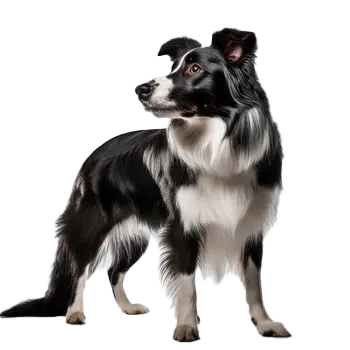
The Border Collie is a medium-sized herding dog renowned for its athletic build, remarkable agility, and tireless working ability. Males typically stand between 19 and 22 inches at the shoulder, while females measure 18 to 21 inches. Weight ranges from 30 to 60 pounds, with males and females sometimes being surprisingly similar in size within the same litter. The breed presents a well-proportioned, muscular body that is slightly longer than it is tall, following roughly a 10 to 9 ratio, which contributes to their exceptional balance, fluid movement, and ability to change direction instantly. The breed's coat comes in two distinct varieties: rough and smooth, both equally acceptable in the breed standard. Rough-coated dogs feature medium-length to longer fur with distinctive feathering on the legs, a full plume on the tail, and an abundant ruff around the neck that creates a majestic appearance. Smooth-coated individuals have shorter fur overall but maintain the characteristic weather-resistant double coat with a dense, insulating undercoat. Coat texture ranges from coarse to silky, and can be straight, wavy, or slightly curly. Border Collies display an impressive array of colors and patterns including black, red, blue merle, red merle, sable, brindle, and various combinations, typically with white markings. The traditional appearance features a white blaze on the face, white chest forming a collar, and white paws, though significant variation exists and no color pattern is preferred over another. One of the breed's most distinctive and celebrated features is the intense, focused gaze known as the herding eye, which they use when working livestock or concentrating on objects of interest. This mesmerizing stare, combined with a characteristic crouch, allows them to control sheep through presence rather than aggression. Their eyes can be brown, blue, amber, or combinations thereof, with some dogs displaying striking heterochromia. Ears are typically semi-erect or tipped, though variations including fully pricked or dropped ears occur naturally. The Border Collie moves with smooth, tireless efficiency, capable of sudden explosive changes in speed and direction while maintaining perfect balance and effortless grace.
Key Characteristics
Temperament Temperament Temperament Temperament Temperament Temperament Their remarkable sensitivity makes them highly responsive to their handler's subtle moods and body language cues, which contributes to their legendary success in competitive obedience, agility, flyball, and herding trials where precise communication is essential. Border Collies are definitively not well-suited to sedentary lifestyles, apartment living without extensive exercise, or owners who cannot commit significant daily time to training and vigorous activity. When properly exercised, mentally challenged, and purposefully engaged, they are devoted, affectionate, loyal companions who excel at virtually any task they are given and form bonds of remarkable depth with their people.
Health Considerations Health Considerations Health Considerations Health Considerations Health Considerations Health Considerations Border Collie Collapse is a breed-specific neurological condition where affected dogs experience episodes of disorientation, mental dullness, loss of focus and attention, and sometimes physical collapse following periods of strenuous exercise or intense excitement. Trapped Neutrophil Syndrome is a fatal inherited condition where the bone marrow produces infection-fighting neutrophils but cannot release them into the bloodstream, leaving puppies severely immunocompromised. The MDR1 gene mutation, common across herding breeds, significantly affects how certain medications are metabolized and can cause serious or fatal adverse reactions to common veterinary drugs including ivermectin and some sedatives. DNA testing for this mutation is strongly recommended so veterinarians can select safe alternative medications. Epilepsy occurs in some Border Collies, manifesting as seizures that can often be successfully managed with daily medication.
Important to Remember
Each hybrid dog is unique and may inherit any combination of traits from either parent breed. The information above represents the characteristics of the purebred parent breeds. Your Border-Aussie may favor one parent over the other or display a blend of both. We strongly encourage you to read the complete breed profiles for both the Australian Shepherd and Border Collie to fully understand the range of possible temperaments, health concerns, and care requirements.