Border Afghan
The Border Afghan is a cross between the Border Collie and the Afghan Hound. Because each hybrid inherits a unique combination of traits from both parents, we recommend thoroughly researching both breeds before choosing a Border Afghan. Pay special attention to temperament, health issues, and care requirements, as your dog may express characteristics from either parent breed.
Border Collie
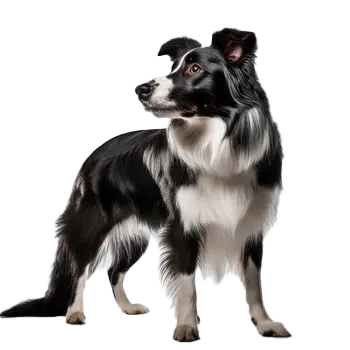
The Border Collie is a medium-sized herding dog with an athletic, agile build designed for endurance and quick movement. Males typically stand nineteen to twenty-two inches tall at the shoulder and weigh between thirty and forty-five pounds, while females are slightly smaller at eighteen to twenty-one inches and thirty to forty-two pounds. The breed has a well-balanced, slightly longer than tall body structure with a strong, muscular frame that conveys an impression of effortless movement and stamina. The head is moderately broad with a distinct stop, featuring a refined muzzle that tapers to a black nose. Border Collies have medium-sized ears that can be carried erect or semi-erect, often with the tips folding forward, giving them an alert, attentive expression. One of the breed's most distinctive features is its intense, focused eyes that are typically oval-shaped and come in shades of brown or, less commonly, blue, particularly in merle-colored dogs. This penetrating gaze, known as "the eye," is a key characteristic used when herding livestock and reflects the breed's remarkable intelligence and concentration. The tail is moderately long, set low, and reaches at least to the hock joint. It is carried low with an upward swirl at the tip, though it may be raised when the dog is excited or working. Unlike some herding breeds, the Border Collie's tail is never docked and is feathered with longer hair. Border Collies have a weather-resistant double coat that can be either rough or smooth in texture. The rough coat is medium in length with moderate feathering on the legs, chest, and tail, while the smooth coat is short and coarse. Both coat types provide protection against harsh weather conditions encountered during herding work. The breed comes in a remarkable variety of colors and patterns, with black and white being the most common. Other colors include red and white, blue merle, red merle, tricolor combinations, solid black, and various brindle patterns. The coat is designed to be functional rather than ornamental, requiring regular brushing but not extensive grooming. The overall appearance of the Border Collie combines grace with power, creating a dog that is built for work but maintains an elegant, balanced profile that reflects both intelligence and athletic capability.
Key Characteristics
Temperament Temperament Temperament Temperament Temperament Temperament Border Collies are intense, driven dogs that approach tasks with remarkable focus and determination. They thrive when given a job to do and can become frustrated or destructive when their considerable energy and intelligence are not channeled appropriately. The breed is generally good with children when raised together, though their herding instincts may lead them to nip at heels or attempt to control children's movements. They usually get along well with other dogs and pets they are raised with, though their high prey drive can make them chase smaller animals. Border Collies are not suitable for sedentary owners or those who cannot dedicate significant time to training and exercise. Their combination of intelligence, energy, and working drive makes them outstanding companions for active individuals who can provide the mental and physical stimulation these remarkable dogs require.
Health Considerations Health Considerations Health Considerations Health Considerations Health Considerations Health Considerations Epilepsy is more common in Border Collies than in many other breeds, typically manifesting as idiopathic seizures with no identifiable underlying cause. Seizures usually begin between two and five years of age and require lifelong management with anti-seizure medications. Other health concerns include elbow dysplasia, hypothyroidism, and deafness, particularly in dogs with the merle coloration. Border Collie Collapse is a breed-specific condition triggered by intense exercise, causing disorientation, weakness, and collapse during or after strenuous activity. Neuronal Ceroid Lipofuscinosis is a rare but serious genetic disease causing severe neurological impairment and early death, though DNA testing is available to identify carriers. Regular veterinary care, appropriate exercise management, and working with breeders who conduct health screenings are essential for maintaining Border Collie health and detecting potential problems early when they are most treatable.
Afghan Hound
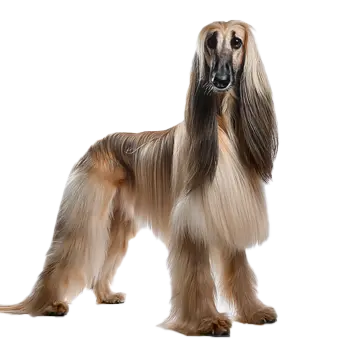
The Afghan Hound is a large, elegant sighthound breed with a regal, aristocratic appearance that distinguishes it from all other breeds. Males typically stand about twenty-seven inches tall at the shoulder and weigh between fifty-five and sixty-five pounds, while females measure approximately twenty-five inches and weigh forty-five to fifty-five pounds. The breed's most striking feature is its long, silky coat that flows dramatically with movement, covering most of the body in thick, fine hair except for the face and back, which feature shorter, smoother fur known as the saddle. The coat comes in various colors including black, cream, red, blue, brindle, silver, and fawn, with many dogs displaying beautiful color combinations. The long, silky topknot of hair on the head is a distinctive characteristic that frames the face elegantly. The Afghan Hound's head is long and refined with a slightly convex bend of the muzzle, creating an exotic, Eastern expression that is unique to the breed. The ears are long and covered with even longer flowing hair, hanging close to the head. The eyes are dark and almond-shaped, gazing with a dignified, somewhat distant expression that reflects the breed's independent nature. The breed's body structure is built for speed and endurance, with a strong, arched neck, prominent hipbones that stand out noticeably, and a deep chest. The back is level with a slight arch over the loin, and the tail is set low, ending in a distinctive ring curl that is characteristic of the breed. The Afghan Hound has large, well-padded feet that act as shock absorbers, originally developed for traversing rocky mountain terrain in their native Afghanistan. The legs are straight and strong, with the hindquarters showing a pronounced bend at the stifle that gives an impression of power and spring. The breed's unique coat pattern features thick feathering on the legs, chest, flanks, and hindquarters, while the facial fur and saddle area remain short and smooth. When moving, the Afghan Hound displays an effortless, elastic gait with a long stride that demonstrates both grace and power. The overall impression is one of dignity and aloofness combined with strength and agility, creating a dog that appears both as a work of art and as a capable hunting companion. The breed's distinctive appearance has made it one of the most recognizable and admired dogs in the world.
Key Characteristics
Temperament Temperament Temperament Temperament Temperament Temperament As sighthounds, Afghan Hounds possess a strong prey drive and will chase small animals instinctively, making reliable recall difficult or impossible in unfenced areas. They should never be trusted off-leash in open spaces due to their hunting instincts and tendency to run at high speeds when triggered by movement. The breed can be compatible with children and other pets when properly socialized from puppyhood, though they may prefer the company of adults over young children. Afghan Hounds are naturally reserved and sometimes standoffish with strangers, serving as adequate watchdogs through their alertness though they are not typically aggressive. Their combination of independence, sensitivity, loyalty, and athletic ability makes them best suited for experienced dog owners who appreciate their unique personality and can provide the exercise, grooming, and patient training these elegant dogs require.
Health Considerations Health Considerations Health Considerations Health Considerations Health Considerations Health Considerations Eye problems including juvenile cataracts can affect Afghan Hounds, causing clouding of the lens and potential vision impairment. Regular eye examinations can detect early signs of cataracts and other ocular conditions. Laryngeal paralysis is another concern in the breed, causing breathing difficulties and requiring surgical correction in severe cases. The breed may also develop allergies affecting the skin and causing itching, inflammation, and secondary infections. The long, flowing coat requires extensive grooming and is prone to skin conditions if not properly maintained. Von Willebrand's disease, a bleeding disorder, can also occur in Afghan Hounds and should be tested for prior to surgical procedures. Regular veterinary check-ups, appropriate weight management, and working with reputable breeders who screen for genetic conditions are essential for maintaining Afghan Hound health throughout their lives.
Important to Remember
Each hybrid dog is unique and may inherit any combination of traits from either parent breed. The information above represents the characteristics of the purebred parent breeds. Your Border Afghan may favor one parent over the other or display a blend of both. We strongly encourage you to read the complete breed profiles for both the Border Collie and Afghan Hound to fully understand the range of possible temperaments, health concerns, and care requirements.