Bolo-Tzu
The Bolo-Tzu is a cross between the Bolognese and the Shih Tzu. Because each hybrid inherits a unique combination of traits from both parents, we recommend thoroughly researching both breeds before choosing a Bolo-Tzu. Pay special attention to temperament, health issues, and care requirements, as your dog may express characteristics from either parent breed.
Bolognese
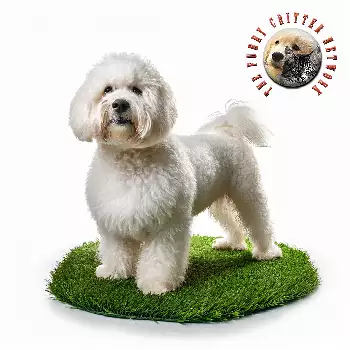
The Bolognese is a small, compact companion dog originating from Italy, standing between 10 to 12 inches at the shoulder and weighing 6 to 10 pounds. This breed features a sturdy yet elegant build with a slightly square body proportion that gives it a balanced and harmonious appearance. Males tend to be marginally larger than females, though both sexes share the same refined and distinguished look. The head is of medium length with a slightly rounded skull, and the dark, round eyes convey an alert yet gentle expression that captivates admirers. The ears are set high and hang close to the head, adding to the breed's endearing and charming appearance. The most distinctive feature of the Bolognese is its stunning all-white coat, which is long, soft, and cotton-like in texture, often compared to a fluffy white cloud. Unlike many other breeds, the Bolognese has a single coat without an undercoat, and the hair falls in loose, open ringlets or flocks across the entire body rather than lying flat. This unique coat texture gives the breed its characteristic fluffy, cloud-like appearance that has been admired by nobility and aristocracy since Renaissance times when the breed was a prized gift among Italian royalty. Some dogs may display slight ivory or biscuit-colored shadings, particularly around the ears, though pure white is most common and strongly preferred in breed standards. The Bolognese carries itself with dignity and grace, moving with a free and easy gait that reflects its confident and self-assured nature. The tail is carried curved elegantly over the back, covered with the same long, flowing coat as the rest of the body, creating a beautiful plumed effect. The nose is large and black, complementing the dark pigmentation around the eyes and providing attractive contrast against the white coat. Despite its delicate and almost fragile appearance, this breed is surprisingly robust and well-muscled beneath its cottony exterior, making it a sturdy little companion that belies its aristocratic origins and pampered history.
Key Characteristics
Temperament Temperament Temperament Temperament Temperament Temperament Training a Bolognese is generally a pleasant and rewarding experience due to their eagerness to please and quick comprehension of commands. They respond exceptionally well to positive reinforcement techniques and gentle guidance, though they can occasionally display a stubborn streak that requires patience. This breed is well-suited for families, seniors, and apartment dwellers alike, adapting readily to various living situations as long as they receive adequate attention, love, and companionship. Their low exercise needs make them content with short daily walks and indoor play sessions.
Health Considerations Health Considerations Health Considerations Health Considerations Health Considerations Health Considerations Eye conditions including progressive retinal atrophy and cataracts have been documented in the Bolognese breed, making regular ophthalmologic examinations by a veterinary specialist important for early detection and treatment. Periodontal disease is common in small breeds including the Bolognese due to crowded teeth, requiring owners to commit to daily tooth brushing and regular professional dental cleanings. The breed may also be prone to hypothyroidism and hip dysplasia, though these conditions are less frequently reported. Maintaining a healthy weight through proper diet and appropriate regular exercise helps support overall joint health and reduces strain on the skeletal system.
Shih Tzu

The Shih Tzu is a sturdy, compact toy breed standing 8 to 11 inches at the shoulder and weighing between 9 to 16 pounds. Despite their small size, these dogs possess a surprisingly solid and muscular build, with a body that is slightly longer than it is tall, creating a well-balanced silhouette. The breed is characterized by a distinctive rounded head with large, dark, expressive eyes that give the face an alert yet sweet and warm expression. The muzzle is short and square, featuring a characteristic undershot bite that is required by breed standards and contributes to the breed's unique facial appearance. The ears are large, set slightly below the crown of the skull, and hang down gracefully, covered with long, flowing hair. The Shih Tzu's luxurious double coat is perhaps its most striking and recognizable feature, consisting of a dense, soft undercoat and a long, flowing outer coat that can reach floor length if left unclipped. The coat may be any color, with white combined with gold, red, black, silver, or brindle being common and attractive combinations. Many Shih Tzus display a distinctive white blaze on the forehead and a white-tipped tail. The Chinese have poetically described the ideal head shape as resembling an owl or lion, while the muzzle has been likened to a frog's mouth due to its distinctive broad and short structure. The Shih Tzu carries its heavily plumed tail curled confidently and jauntily over the back, adding to its regal bearing and aristocratic appearance. The breed moves with a smooth, flowing gait that appears effortless despite the abundant coat trailing beneath. The nose is typically black, though liver-colored dogs may have brown noses that complement their coat coloring. A notable feature seen in some Shih Tzus is the Star of Buddha, a white patch on the top of the head that legend attributes to Buddha's blessing. The overall impression is of an elegant, aristocratic dog with an unmistakable silhouette that has remained largely unchanged for centuries of breeding.
Key Characteristics
Temperament Temperament Temperament Temperament Temperament Temperament Training a Shih Tzu requires patience and consistency, as the breed can exhibit a stubborn streak despite their eagerness to please. They respond best to positive reinforcement methods with plenty of praise and treats. Housebreaking can sometimes be challenging and may require extra persistence. The breed has moderate exercise needs and is content with short daily walks and indoor play sessions, making them well-suited for apartment living. Their sensitivity to heat due to their brachycephalic facial structure means exercise should be limited during hot weather. Overall, the Shih Tzu's sweet and trusting nature makes them excellent therapy dogs and devoted family companions.
Health Considerations Health Considerations Health Considerations Health Considerations Health Considerations Health Considerations Patellar luxation, where the kneecap slips out of position, is commonly seen in Shih Tzus and can range from mild to severe. Ear infections are frequent due to the breed's long ear hair and floppy ear structure, requiring regular ear cleaning and hair removal. Hip dysplasia, intervertebral disc disease, and liver shunts have also been documented in the breed. The Shih Tzu's long coat requires significant grooming commitment, and neglected coats can lead to skin problems and discomfort. Regular veterinary checkups, maintaining a healthy weight, and preventive care are essential for keeping this beloved breed healthy throughout its life.
Important to Remember
Each hybrid dog is unique and may inherit any combination of traits from either parent breed. The information above represents the characteristics of the purebred parent breeds. Your Bolo-Tzu may favor one parent over the other or display a blend of both. We strongly encourage you to read the complete breed profiles for both the Bolognese and Shih Tzu to fully understand the range of possible temperaments, health concerns, and care requirements.