Bocker
The Bocker is a cross between the Beagle and the Cocker Spaniel. Because each hybrid inherits a unique combination of traits from both parents, we recommend thoroughly researching both breeds before choosing a Bocker. Pay special attention to temperament, health issues, and care requirements, as your dog may express characteristics from either parent breed.
Beagle
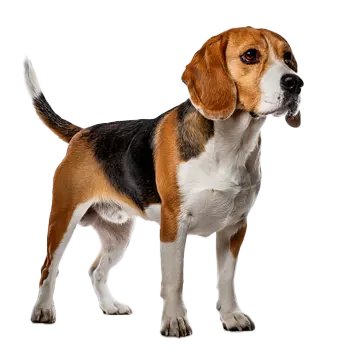
The Beagle is a compact, solidly built hound that comes in two size varieties recognized by the American Kennel Club: those standing under 13 inches at the shoulder and those measuring between 13 and 15 inches. The smaller variety typically weighs under 20 pounds, while the larger variety ranges from 20 to 30 pounds. The body is muscular and square in proportion, giving the Beagle a sturdy appearance that belies its relatively modest size. The back is short and muscular, supported by well-developed hindquarters that provide the power needed for sustained pursuit of game. The breed's construction reflects its original purpose as a scent hound designed to track rabbits and hares for extended periods over varied terrain, requiring stamina rather than speed. The Beagle's head is fairly long with a slightly domed skull and a moderately defined stop between the forehead and muzzle. The muzzle is square and medium in length, never snipy or pointed, housing a broad black nose that contains approximately 220 million scent receptors, making the Beagle one of the most accomplished scent dogs in the canine world. The large, expressive eyes are typically brown or hazel, set well apart, and convey a gentle, pleading expression that has endeared the breed to countless owners over the centuries. Perhaps the most distinctive feature is the long, low-set ears that, when drawn out, reach nearly to the tip of the nose. These soft, pendulous ears help channel scents toward the nose when the dog is tracking by sweeping the ground and stirring up scent particles. The Beagle's coat is short, dense, and weather-resistant, lying close to the body and requiring minimal grooming despite being a moderate shedder. The most common color pattern is tricolor featuring black, tan, and white, though other accepted combinations include red and white, lemon and white, blue tick, and various shades with or without ticking. The tail is set moderately high and carried gaily with a slight curve, but never curled forward over the back. The white-tipped tail, known as the stern, is an important breed characteristic that helps hunters locate their hounds in tall grass and dense underbrush during the hunt.
Key Characteristics
Temperament Temperament Temperament Temperament Temperament Temperament Beagles are vocal dogs with a distinctive repertoire of sounds including barks, howls, and the characteristic baying that served them well when hunting in packs. While this vocalization is charming to enthusiasts, it can be problematic in apartment settings or neighborhoods with noise restrictions. These social dogs do not tolerate being left alone for extended periods and may develop separation anxiety, expressing their distress through destructive behavior and excessive vocalization. They thrive best in active households where they receive plenty of companionship, exercise, and mental stimulation.
Health Considerations Health Considerations Health Considerations Health Considerations Health Considerations Health Considerations Ear infections are particularly common in Beagles due to their long, floppy ears that restrict air circulation and trap moisture in the ear canal. Regular ear cleaning and inspection can help prevent chronic infections. Eye conditions including cherry eye, progressive retinal atrophy, glaucoma, and cataracts have been documented in the breed. Intervertebral disc disease can affect the spine, and Musladin-Lueke Syndrome, a genetic connective tissue disorder specific to Beagles, causes tight skin and limited joint mobility. Responsible breeders screen for these conditions to reduce their prevalence in future generations.
Cocker Spaniel
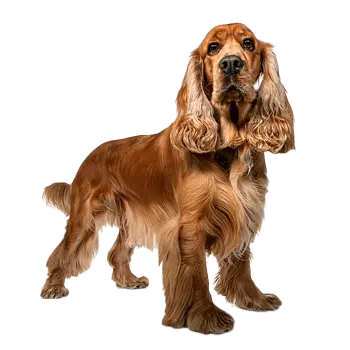
The Cocker Spaniel is the smallest member of the sporting group, presenting a compact, sturdy body with elegant lines and a distinctively refined appearance that combines beauty with functionality. Males typically stand about 15 inches at the shoulder while females measure approximately 14 inches, with weights ranging from 20 to 30 pounds for both sexes, though most individuals fall between 24 and 28 pounds. The body is square in proportion with a deep chest providing ample room for heart and lungs, well-sprung ribs, and a gently sloping topline from withers to tail that ends in a docked tail carried in line with the back. The overall impression is one of balance and substance without being heavy or cumbersome, a dog capable of a full day's work in the field. The Cocker Spaniel's head is perhaps its most distinctive feature, characterized by a rounded skull that is never flat or exaggerated, with a pronounced stop and a broad, deep muzzle equal in length to the skull. The large, round eyes are dark and expressive, with full pigmentation of the eye rims, conveying the gentle, intelligent, and appealing expression for which the breed is justly famous. The eyes should not appear protruding or sunken. The ears are long, well-feathered, and set low on the head at the level of the lower part of the eye, reaching at least to the tip of the nose when pulled forward. The ears frame the face beautifully with their luxurious feathering and contribute significantly to the breed's unmistakable silhouette. The breed's magnificent coat is one of its crowning glories, featuring silky, flat or slightly wavy hair of medium length on the body with extensive feathering on the ears, chest, abdomen, and legs. Coat colors are divided into three varieties: black, ASCOB (Any Solid Color Other than Black) including buff, chocolate, and red, and parti-colors featuring two or more solid colors with one being white. Tan points may appear on any of the solid colors. The coat requires significant maintenance including daily brushing to prevent matting, professional grooming every six to eight weeks, and careful attention to the heavily feathered ears which can trap debris and moisture.
Key Characteristics
Temperament Temperament Temperament Temperament Temperament Temperament Cocker Spaniels possess moderate to high energy levels and require regular exercise to maintain their physical and mental well-being. While they can adapt to apartment living with sufficient outdoor activity, they truly flourish with access to a yard where they can explore and play. Their sporting heritage means they enjoy activities like fetching, swimming, and exploring outdoors. Some Cocker Spaniels can be strong-willed and may attempt to manipulate their owners with those soulful eyes, making consistent boundaries and gentle firmness important aspects of their care.
Health Considerations Health Considerations Health Considerations Health Considerations Health Considerations Health Considerations Heart conditions including patent ductus arteriosus in young dogs and mitral valve disease in older dogs have been documented in the breed. Dental disease is prevalent, with periodontal problems affecting approximately 21 percent of Cocker Spaniels annually, making regular dental care essential. Other conditions include von Willebrand's disease, a bleeding disorder, familial nephropathy affecting the kidneys, and lip fold dermatitis sometimes called "cocker mouth." The breed typically enjoys a lifespan of 12 to 16 years when provided with proper veterinary care, appropriate nutrition, and regular exercise.
Important to Remember
Each hybrid dog is unique and may inherit any combination of traits from either parent breed. The information above represents the characteristics of the purebred parent breeds. Your Bocker may favor one parent over the other or display a blend of both. We strongly encourage you to read the complete breed profiles for both the Beagle and Cocker Spaniel to fully understand the range of possible temperaments, health concerns, and care requirements.