Bo-Dach
The Bo-Dach is a cross between the Boston Terrier and the Dachshund. Because each hybrid inherits a unique combination of traits from both parents, we recommend thoroughly researching both breeds before choosing a Bo-Dach. Pay special attention to temperament, health issues, and care requirements, as your dog may express characteristics from either parent breed.
Boston Terrier
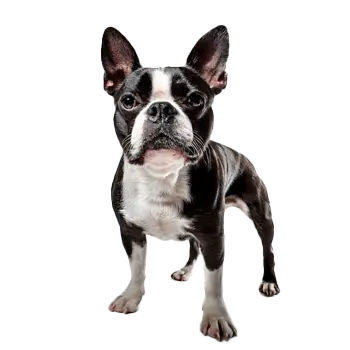
The Boston Terrier is a small, compact American breed distinguished by its elegant tuxedo-like markings that earned it the affectionate nickname American Gentleman. Standing typically between 10 and 12 inches at the shoulder, Boston Terriers are classified into three distinct weight categories: under 15 pounds, 15 to 20 pounds, and 20 to 25 pounds, with the breed standard setting a firm maximum of 25 pounds. Their build is muscular, well-proportioned, and surprisingly sturdy without appearing bulky or overdone, presenting a square appearance with a short body and well-balanced structure that conveys both strength and grace in equal measure. The breed's distinctive coat pattern represents one of its most defining and recognizable characteristics, featuring a base color of black, brindle, or seal combined with required white markings in specific locations. Standard markings must include a white chest, white muzzle band, and white blaze between the eyes, creating the signature tuxedo appearance that gives the breed its gentlemanly reputation. The coat itself is short, smooth, and fine-textured, lying flat and sleek against the body and requiring only minimal grooming to maintain its neat appearance. This sleek, single coat provides little insulation against temperature extremes, making Boston Terriers notably sensitive to both hot and cold weather conditions. Facial features mark the Boston Terrier as a brachycephalic breed, with a square, flat-topped head and characteristically short, wide muzzle that creates their distinctive expression. Large, round, dark eyes set wide apart and positioned prominently on the face give them an alert, intelligent, and sometimes comically expressive appearance that endears them to their admirers. Small, erect ears, sometimes affectionately called bat ears, stand naturally upright at the corners of the skull without cropping. The tail is naturally short, either straight or corkscrew shaped, set low on the hindquarters and never docked. Boston Terriers move with a sure-footed, straight-gaited stride that demonstrates their confidence and athletic capability despite their compact size and refined appearance.
Key Characteristics
Temperament Temperament Temperament Temperament Temperament Temperament Boston Terriers generally excel as family dogs, getting along wonderfully well with children of all ages and other household pets when properly socialized from puppyhood. Their playful, comedic personality brings immense joy to households, and they often display amusing antics and expressions that thoroughly entertain their families and visitors alike. They may exhibit some protective or territorial behaviors, barking alertly to announce visitors, but are rarely aggressive toward people. Separation anxiety can develop if these companion-oriented dogs are left alone too frequently, as they genuinely thrive on regular human interaction and companionship. Their adaptable, affectionate nature makes them equally suitable for first-time dog owners and experienced handlers seeking a devoted companion.
Health Considerations Health Considerations Health Considerations Health Considerations Health Considerations Health Considerations Deafness occurs in some Boston Terriers, particularly those with extensive white markings on the head, as the genes affecting coat color can simultaneously affect inner ear development and hearing capability. Allergies causing various skin problems are relatively common in the breed and may require dietary management, environmental modifications, or ongoing medication. Hemivertebrae, a spinal condition associated with the gene producing the naturally short, screw-shaped tail, can cause serious neurological symptoms in affected dogs, though this severe manifestation remains relatively rare. Skin tumors and various cancers have been documented in the breed at notable rates. Regular comprehensive veterinary checkups help monitor for these conditions and ensure early intervention when problems arise.
Dachshund

The Dachshund is instantly recognizable by its distinctively long body and remarkably short legs, a unique silhouette that earned it affectionate nicknames including wiener dog, sausage dog, and hot dog throughout the world. Originally bred in Germany centuries ago specifically to hunt badgers in their underground dens, the breed comes in two recognized sizes: standard Dachshunds weigh between 16 and 32 pounds, while miniature Dachshunds weigh 11 pounds or less at maturity. There is no official height standard for the breed, though most individuals stand under 9 inches at the shoulder. Despite their comical proportions that inspire affectionate humor, Dachshunds possess a muscular, well-developed body with a notably deep chest that provides ample lung capacity essential for their original hunting work. The breed displays remarkable variety through three distinct coat types that each create different grooming needs and slightly different appearances. Smooth-coated Dachshunds have short, sleek fur that lies close and flat to the body, requiring only minimal grooming to maintain a neat appearance. Longhaired Dachshunds feature elegant, silky fur with longer, flowing feathering on the ears, chest, underside, legs, and tail, requiring regular daily brushing to prevent painful tangles and mats. Wirehaired Dachshunds possess a rough, coarse outer coat with a softer undercoat, giving them distinctive facial furnishings including bushy eyebrows and a full beard. Colors across all coat types include solid red, cream, black and tan, chocolate and tan, and various attractive patterns including dapple, brindle, piebald, and sable. Distinctive features include an elongated, tapered head with a slightly arched muzzle and perpetually alert, curious expression. Eyes are medium-sized, almond-shaped, and typically dark in color, though dapple-patterned dogs may display striking blue eyes. Large, rounded ears hang close to the head and frame the face attractively. The tail extends as a natural continuation of the spine, carried neither too high nor trailing on the ground during movement. Front legs are short, powerfully muscular, and slightly curved to facilitate the digging that was essential to their hunting work, while disproportionately large, paddle-shaped front paws enhance their impressive burrowing abilities.
Key Characteristics
Temperament Temperament Temperament Temperament Temperament Temperament Socially, Dachshunds can be wary and suspicious of strangers and may display aggression toward unfamiliar people or other dogs if not properly and extensively socialized from early puppyhood. Studies have identified them as one of the more aggressive small breeds, though proper upbringing, socialization, and training significantly influence actual behavior. They generally do well with children in their own family when raised together and taught mutual respect, though their elongated backs make them vulnerable to serious injury from rough handling or being dropped. Temperament variations exist among coat types, with longhaired Dachshunds reportedly calmer and more docile and wirehaired varieties more outgoing, energetic, and clownishly playful.
Health Considerations Health Considerations Health Considerations Health Considerations Health Considerations Health Considerations Additional health concerns include patellar luxation, where the kneecap repeatedly dislocates from its normal position, causing lameness, hopping, and progressive pain. Obesity is extremely common due to their hearty appetites and tendency for owners to overfeed, and excess weight significantly compounds both spinal and joint problems. Dental disease is prevalent and requires regular preventive care including brushing and professional cleanings. Eye conditions including cataracts, glaucoma, and progressive retinal atrophy can affect vision over time, while double dapple dogs face substantially increased risk of congenital deafness and blindness. Bloat, though less common than in deep-chested large breeds, can occur. Regular veterinary checkups and appropriate health screening help identify and manage these conditions early.
Important to Remember
Each hybrid dog is unique and may inherit any combination of traits from either parent breed. The information above represents the characteristics of the purebred parent breeds. Your Bo-Dach may favor one parent over the other or display a blend of both. We strongly encourage you to read the complete breed profiles for both the Boston Terrier and Dachshund to fully understand the range of possible temperaments, health concerns, and care requirements.