Beaglolo
The Beaglolo is a cross between the Beagle and the Bolognese. Because each hybrid inherits a unique combination of traits from both parents, we recommend thoroughly researching both breeds before choosing a Beaglolo. Pay special attention to temperament, health issues, and care requirements, as your dog may express characteristics from either parent breed.
Beagle
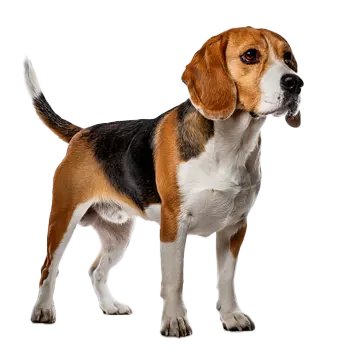
The Beagle is a small to medium-sized hound that presents a solid, muscular build resembling a miniature Foxhound in overall appearance and physical structure. This breed comes in two size varieties recognized by the American Kennel Club: those standing under thirteen inches at the withers and those measuring between thirteen and fifteen inches. Weight typically ranges from eighteen to thirty pounds, always proportionate to height and reflecting proper muscular development without appearing coarse or overly refined. The body structure is slightly longer than tall, creating a balanced and sturdy appearance that reflects the breed's hunting heritage and remarkable endurance when working in the field for extended periods tracking game. The Beagle possesses a short, dense, hard hound coat of medium length that lies close to the body and provides excellent weather resistance during outdoor activities in various conditions and climates. Any true hound color is acceptable according to breed standards, with the most recognizable being the classic tricolor pattern of black, white, and tan distributed in a pleasing combination across the body. Other common colorations include red and white, chocolate tricolor, and the distinctive lemon variety that features a pale yellow instead of the typical tan markings. The coat's texture and density make it relatively easy to maintain with regular brushing while offering substantial protection during hunting activities and outdoor adventures in brush and rough terrain. Distinctive physical features give the Beagle its characteristic appealing expression that has endeared this breed to countless families throughout history. The breed displays long, droopy ears set low on a broad, slightly domed head, which serve the practical purpose of helping funnel scents toward the powerful nose during tracking work. Large, dark brown or hazel eyes are set well apart and convey the famous pleading expression that has made this breed beloved worldwide. The muzzle is square-cut and of medium length, housing the powerful scenting apparatus that makes Beagles exceptional tracking dogs capable of following trails for miles with determination. The tail is set moderately high and carried jauntily upright with a slight curve, often described as a white-tipped flag that helps hunters locate their dogs in tall grass and dense underbrush.
Key Characteristics
Temperament Temperament Temperament Temperament Temperament Temperament Energy levels run high in this active breed, requiring at least one hour of daily exercise to maintain proper physical condition and mental well-being throughout their lives. Without adequate stimulation through walks, play sessions, and mental enrichment activities, Beagles may develop destructive behaviors or engage in excessive vocalization to express frustration and boredom. Speaking of vocalization, Beagles are notably vocal dogs, possessing a distinctive bay and melodious howl that served them well as hunting companions communicating with handlers but may challenge apartment dwellers or those with noise-sensitive neighbors. Separation anxiety is particularly common in this companionable breed, as they thrive on constant companionship and may become genuinely distressed when left alone.
Health Considerations Health Considerations Health Considerations Health Considerations Health Considerations Health Considerations Additional health concerns include hypothyroidism, which affects metabolism, energy levels, and coat quality when the thyroid gland underproduces essential hormones necessary for proper body function. Intervertebral disc disease can cause pain, mobility problems, and neurological symptoms ranging from mild discomfort to serious paralysis in severe cases. Cherry eye, a prolapse of the third eyelid gland, appears in some individuals and usually requires surgical correction to prevent chronic irritation and discomfort. Patellar luxation, where the kneecap slides out of its normal position, may affect mobility and comfort during movement. Dental disease affects nearly eighteen percent of Beagles, making regular dental care including brushing and professional cleanings essential for long-term health. Responsible breeders conduct thorough health screenings for hereditary conditions.
Bolognese
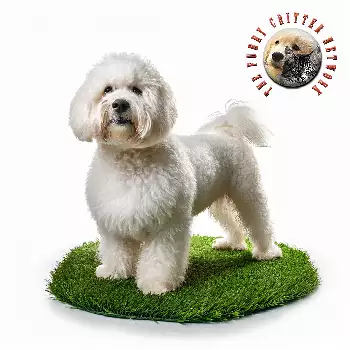
The Bolognese is a small, charming toy breed originating from the Italian city of Bologna, standing between nine and twelve inches at the withers with males typically measuring ten and a half to twelve inches and females nine to eleven inches. Weight ranges from five and a half to ten pounds, with males generally weighing six to nine pounds and females six to eight pounds, creating a small but solidly built companion dog. The body structure is compact and distinctly square, meaning the length from the point of shoulder to the buttock equals the height at the withers, creating a well-balanced and sturdy appearance despite the diminutive size that belies surprising sturdiness. The most distinctive and immediately recognizable feature of the Bolognese is its unique coat, consisting of long, fluffy hair with a characteristic cotton-like texture that falls in loose, open ringlets or flocks across the entire body in a distinctive pattern. Unlike many double-coated breeds that shed seasonally, the Bolognese possesses only a single coat with no undercoat whatsoever, giving the hair its characteristic light, airy, and almost cloud-like quality that sets it apart from similar breeds. The texture is distinctly woolly rather than silky, differentiating it from related companion breeds like the Maltese or Bichon Frise. Hair on the face is noticeably shorter than on the body and legs. The only acceptable color according to breed standards is pure white, though light ivory shading may be tolerated in dogs under eighteen months of age who are still maturing. Physical features beyond the coat contribute to an expression of alertness, intelligence, and gentle curiosity. Large, round, dark ochre eyes are set well apart in the face and framed by black pigmented rims that provide striking contrast against the pure white coat. The nose is large, black, and prominent at the end of a muzzle that is almost equal in length to the skull, creating balanced facial proportions. Ears are long, hanging, and set high on the head, covered with the same fluffy coat as the body. The tail is set at the level of the croup and curves gracefully over the back. Despite their delicate appearance, Bolognese dogs are well-muscled and surprisingly sturdy, built for companionship rather than fragility.
Key Characteristics
Temperament Temperament Temperament Temperament Temperament Temperament Energy levels in the Bolognese remain moderate to low compared to many other breeds, making them excellent apartment companions and suitable for less active households or owners with limited mobility. Daily exercise needs are easily satisfied with approximately thirty minutes of activity, whether through short walks around the neighborhood or interactive indoor play sessions. Despite their quiet and calm nature, Bolognese dogs maintain alertness and will dutifully notify owners of visitors or unusual sounds, though excessive or problematic barking is not typically characteristic of this breed. The breed generally gets along well with children, though supervision is recommended with very young children who might inadvertently injure such a small dog.
Health Considerations Health Considerations Health Considerations Health Considerations Health Considerations Health Considerations Eye conditions including cataracts causing lens opacity and progressive retinal atrophy leading to gradual vision loss may develop in some Bolognese dogs, making regular ophthalmologic examinations by a veterinary specialist advisable. Dental disease presents significant and ongoing concerns for this breed due to the small jaw and potentially crowded teeth that trap food debris and bacteria, requiring diligent home dental care including daily brushing and professional cleanings as recommended by a veterinarian. Hip dysplasia occurs less frequently in small breeds like the Bolognese than in larger breeds but remains a possibility worth screening for in breeding animals. Skin sensitivities and allergies affect some individuals requiring dietary management or medication. Obesity poses health risks even in small dogs, where excess weight of just one to two pounds can significantly stress joints, heart, and other organs. Responsible breeders screen for hereditary conditions.
Important to Remember
Each hybrid dog is unique and may inherit any combination of traits from either parent breed. The information above represents the characteristics of the purebred parent breeds. Your Beaglolo may favor one parent over the other or display a blend of both. We strongly encourage you to read the complete breed profiles for both the Beagle and Bolognese to fully understand the range of possible temperaments, health concerns, and care requirements.