Beagle Chin
The Beagle Chin is a cross between the Beagle and the Japanese Chin. Because each hybrid inherits a unique combination of traits from both parents, we recommend thoroughly researching both breeds before choosing a Beagle Chin. Pay special attention to temperament, health issues, and care requirements, as your dog may express characteristics from either parent breed.
Beagle
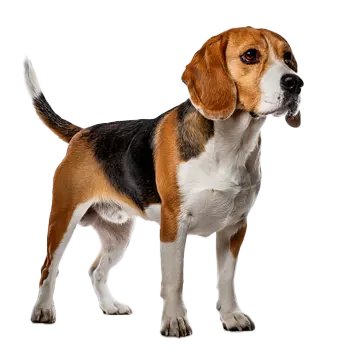
The Beagle is a small to medium-sized scent hound that presents a compact, sturdy appearance built for endurance in the field. The American Kennel Club recognizes two size varieties: the smaller variety stands up to 13 inches at the shoulder and weighs under 20 pounds, while the larger variety measures between 13 and 15 inches at the withers and typically weighs between 20 and 30 pounds. Males generally weigh between 22 and 25 pounds while females typically weigh between 20 and 23 pounds, though height remains consistent across sexes. The breed possesses a solid, muscular build with a deep chest and a straight, moderately short back that contributes to its athletic capabilities. The overall body structure resembles a miniature Foxhound, though with a broader head and shorter legs in proportion to the body. The Beagle's head features a slightly domed skull with a medium-length, square-cut muzzle and a broad black nose with well-opened nostrils that serve its exceptional scenting abilities. The stop between the skull and muzzle is moderately defined, and the jaws are level with a scissors bite. Perhaps the breed's most endearing features are its large, soft brown or hazel eyes that convey a gentle, pleading expression, and its long, low-set ears that hang gracefully alongside the cheeks. When drawn forward, these rounded, velvety ears reach nearly to the tip of the nose. These pendant ears actually help trap scent particles and funnel them toward the nose during tracking activities, making them functional as well as charming. The coat is short, dense, and weather-resistant, lying close to the body with a hard texture that provides protection during outdoor work. Beagles display a variety of hound colors, with the tricolor pattern of black, tan, and white being the most recognizable. Other accepted colorations include red and white, lemon and white, chocolate tricolor, and various shaded patterns. Ticking may appear in the white areas of some individuals. The tail is moderately long, set high, and carried with a characteristic upward curve, though never curling over the back. White tipping on the tail is common and traditionally helped hunters spot their dogs in tall grass during hunts.
Key Characteristics
Temperament Temperament Temperament Temperament Temperament Temperament Beagles are vocal dogs with a distinctive bay or howl that was originally developed to alert hunters to their location during the chase. While this trait served an important purpose in the field, it can become problematic in suburban environments if not properly managed. They require moderate to vigorous daily exercise to prevent boredom-related behaviors, including excessive barking, digging, or destructive chewing. A securely fenced yard is essential, as their strong prey drive and scenting instincts may compel them to wander if they catch an enticing smell.
Health Considerations Health Considerations Health Considerations Health Considerations Health Considerations Health Considerations The breed's long, floppy ears create a warm, moist environment that can predispose them to ear infections, making regular ear cleaning an important part of their care routine. Hypothyroidism, a condition where the thyroid gland produces insufficient hormones, can affect Beagles and may cause weight gain, lethargy, and skin problems. Additionally, Beagles have a well-documented tendency toward obesity due to their food-motivated nature and will eat whenever food is available. Owners must carefully monitor food intake and ensure adequate exercise to maintain healthy body weight and prevent associated health complications.
Japanese Chin

The Japanese Chin is a dainty toy breed that presents an unmistakably aristocratic bearing, reflecting its centuries of refinement as a royal companion in Asian courts. This elegant breed stands between 8 and 11 inches tall at the withers and typically weighs between 4 and 11 pounds, with the ideal weight ranging from 4 to 7 pounds for show specimens. Despite their diminutive size, Japanese Chin possess a square, well-balanced body structure with a broad chest and a level topline that contributes to their graceful, stylized movement. The breed moves with a distinctive high-stepping gait that adds to its aristocratic appearance and sets it apart from other toy breeds. The breed's head is one of its most distinctive features, being large and broad in proportion to the body with a rounded skull and a very short, wide muzzle that creates the characteristic flat-faced appearance. The forehead is prominent and rounded, featuring what breeders call the look of astonishment. The large, round eyes are set wide apart, are dark in color, and show a small amount of white in the inner corners, contributing to the breed's unique expression. Small V-shaped ears are set wide apart, high on the skull, and hang downward, heavily feathered with long silky hair. Many individuals display a distinctive spot or line on the forehead, historically considered the touch of Buddha in Japanese tradition. The overall facial expression, combined with the white blaze and symmetrical facial markings, creates a look of perpetual surprise that is uniquely Japanese Chin. The Japanese Chin possesses a single coat without an undercoat, consisting of abundant, silky, straight hair that stands away from the body and may take up to two years to fully develop in adults. This profuse coat is particularly long around the neck, shoulders, and chest, forming a thick mane or ruff, while the ears, thighs, and tail carry heavy feathering. Accepted coat colors include black and white, red and white encompassing all shades of sable, lemon, and orange, and tricolor patterns featuring black and white with tan points. The plumed tail is set high and arches over the back, falling to either side with long, flowing hair that completes the breed's elegant silhouette.
Key Characteristics
Temperament Temperament Temperament Temperament Temperament Temperament Japanese Chin are intelligent dogs that can learn quickly when properly motivated, though their independent nature sometimes manifests as stubbornness during training. They respond best to gentle, positive training methods, as harsh corrections can damage their sensitive temperament. While they enjoy moderate activity and short daily walks, they have relatively low exercise requirements compared to more active breeds, making them well-suited to apartment living. The breed thrives as the center of attention and prefers to be involved in family activities rather than left alone for extended periods.
Health Considerations Health Considerations Health Considerations Health Considerations Health Considerations Health Considerations Patellar luxation, a condition where the kneecap dislocates from its normal position, is common in many toy breeds including the Japanese Chin. This can range from mild cases that cause occasional skipping to severe cases requiring surgical correction. Eye conditions are also prevalent in the breed due to their prominent eyes, including cataracts, entropion, progressive retinal atrophy, and corneal injuries from their exposed eye position. Heart murmurs and mitral valve disease can affect the breed, particularly as they age. Regular cardiac evaluations help monitor heart health. Dental disease is a significant concern because their small mouths often lead to overcrowded teeth, making daily dental care and professional cleanings essential for maintaining oral health.
Important to Remember
Each hybrid dog is unique and may inherit any combination of traits from either parent breed. The information above represents the characteristics of the purebred parent breeds. Your Beagle Chin may favor one parent over the other or display a blend of both. We strongly encourage you to read the complete breed profiles for both the Beagle and Japanese Chin to fully understand the range of possible temperaments, health concerns, and care requirements.