Be-Apso
The Be-Apso is a cross between the Beagle and the Lhasa Apso. Because each hybrid inherits a unique combination of traits from both parents, we recommend thoroughly researching both breeds before choosing a Be-Apso. Pay special attention to temperament, health issues, and care requirements, as your dog may express characteristics from either parent breed.
Beagle
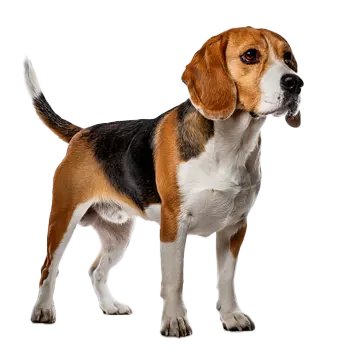
The Beagle is a compact, sturdy hound that comes in two recognized size varieties according to the American Kennel Club. The smaller variety stands up to 13 inches at the shoulder and weighs under 20 pounds, while the larger variety measures between 13 and 15 inches and weighs between 20 and 30 pounds. This breed displays a solid, well-balanced build with good bone structure and a body that is slightly longer than it is tall. The chest is deep and broad with a distinctive oval-shaped rib cage that provides ample lung capacity for this scent-driven hunter. The back is short and muscular, leading to well-muscled hindquarters that provide the power needed for long days in the field. The Beagle's head features a slightly domed skull of moderate length with a well-defined stop and a medium-length, square-cut muzzle that houses one of the most powerful noses in the canine world. Their most recognizable features include large, expressive brown or hazel eyes that convey a gentle, pleading expression beloved by enthusiasts worldwide, and long, low-set ears that are rounded at the tips and reach nearly to the end of the nose when drawn forward. These pendant ears serve a functional purpose, helping to trap scent particles and funnel them toward the nose during tracking activities. The neck is medium length, rising freely from the shoulders with just a slight throatiness. The breed sports a close-lying, hard, medium-length double coat that provides excellent weather resistance for outdoor work in various climates and terrains. Any recognized hound color is acceptable, though the classic tricolor pattern of black, white, and tan remains the most iconic and popular combination. Other common patterns include red and white, lemon and white, and blue tick variations. The tail is moderately long, set high, and carried jauntily upright with a slight curve, often displaying a white tip that historically helped hunters spot their dogs in tall grass and underbrush during hunts. Beagles typically enjoy a lifespan of 10 to 15 years with proper care, nutrition, and regular veterinary attention.
Key Characteristics
Temperament Temperament Temperament Temperament Temperament Temperament Beagles are exceptionally good with children and make wonderful family pets, rarely showing aggression toward people or other animals. They serve as alert watchdogs and will vocalize to announce visitors, though they typically welcome strangers warmly rather than acting protectively. This breed can be quite vocal, prone to distinctive baying and howling, especially when bored, lonely, or excited. Beagles require substantial daily exercise of at least one hour and thrive on interactive activities. They may develop separation anxiety if left alone for extended periods and do best in homes where family members are present throughout much of the day.
Health Considerations Health Considerations Health Considerations Health Considerations Health Considerations Health Considerations Beagles may develop several breed-specific conditions including Musladin-Lueke Syndrome, a genetic connective tissue disorder, and steroid-responsive meningitis sometimes called Beagle Pain Syndrome. Patellar luxation, allergies, and dental disease also appear in the breed with notable frequency. Studies indicate that 60 to 70 percent of Beagles experience at least one health issue during their lifetime, with cancer, heart disease, and epilepsy complications representing leading causes of death in the breed. Regular veterinary checkups, appropriate health screenings, and preventive care help ensure the longest, healthiest life possible for these beloved companions.
Lhasa Apso

The Lhasa Apso is a small but sturdy dog that presents a well-balanced, rectangular silhouette standing 10 to 11 inches at the shoulder for males and slightly smaller for females, with a typical weight range of 12 to 18 pounds. Despite their diminutive size, these dogs possess surprising substance and solid bone structure, developed over centuries in the harsh mountain climate of Tibet where they served as sentinel companions. The breed's body is distinctly longer than it is tall, with a level topline that contributes to their characteristic flowing movement and dignified carriage. The head of the Lhasa Apso features a moderately narrow skull that falls away behind the eyes, creating a refined appearance with a medium stop between the skull and muzzle. The muzzle measures approximately one and a half inches in length, comprising roughly one-third of the total head length. Dark, medium-sized oval eyes are positioned forward on the face, conveying a warm and intelligent expression that reflects their alert watchdog heritage. The pendant ears are heavily feathered and set slightly below the crown of the skull, blending seamlessly into the breed's luxurious coat. The Lhasa Apso's most distinctive feature is their magnificent double coat, which is heavy, dense, straight, and hard in texture rather than woolly or silky. This functional coat parts naturally down the middle from head to tail and falls dramatically on either side of the body, serving as insulation against extreme temperatures. A good headfall covers the eyes, while the feet and legs display abundant feathering. All colors and color combinations are acceptable within the breed standard, including gold, cream, honey, and various parti-colors. The tail is well-feathered, set high on the back, and carried in a characteristic curl over the back that may drape slightly to one side. This ancient breed enjoys impressive longevity, typically living 12 to 15 years, with some individuals reaching 20 years or beyond.
Key Characteristics
Temperament Temperament Temperament Temperament Temperament Temperament Contrary to what their glamorous appearance might suggest, Lhasa Apsos are not typical lap dogs content to lounge all day. They maintain an active interest in their environment and possess moderate energy levels that they often expend through self-directed play. Their keen hearing and alert nature make them excellent watchdogs who readily vocalize to announce visitors or unusual sounds. While they can coexist well with children and other pets when properly socialized from an early age, they may become snippy if handled roughly or treated disrespectfully. Early socialization remains essential to develop a well-rounded adult temperament in this ancient and dignified breed.
Health Considerations Health Considerations Health Considerations Health Considerations Health Considerations Health Considerations Dental disease represents one of the most common health issues in Lhasa Apsos, as their small mouths can lead to crowding and increased tartar buildup. Regular dental care including brushing and professional cleanings is essential. The breed may experience allergies to food or environmental factors, leading to skin irritation and infections. Their slightly shortened muzzle can contribute to heat sensitivity, and owners should take precautions during warm weather to prevent overheating. The breed's coefficient of inbreeding sits at approximately 11 percent, somewhat higher than the ideal of 6.25 percent, which underscores the importance of selecting puppies from health-tested parents. Regular veterinary care and preventive measures help ensure these dignified companions enjoy their full potential lifespan.
Important to Remember
Each hybrid dog is unique and may inherit any combination of traits from either parent breed. The information above represents the characteristics of the purebred parent breeds. Your Be-Apso may favor one parent over the other or display a blend of both. We strongly encourage you to read the complete breed profiles for both the Beagle and Lhasa Apso to fully understand the range of possible temperaments, health concerns, and care requirements.