Basset Foxhound
The Basset Foxhound is a cross between the Basset Hound and the Foxhound. Because each hybrid inherits a unique combination of traits from both parents, we recommend thoroughly researching both breeds before choosing a Basset Foxhound. Pay special attention to temperament, health issues, and care requirements, as your dog may express characteristics from either parent breed.
Basset Hound

The Basset Hound stands as one of the most recognizable breeds in the canine world, distinguished by its remarkably low-slung body and substantial bone structure that belies its modest height. According to breed standards, this hound should stand no taller than fourteen inches at the shoulder, with any height exceeding fifteen inches considered a disqualification from the show ring. Despite their short stature, Basset Hounds possess considerable mass, typically weighing between forty and sixty pounds, though some well-fed individuals may reach up to eighty pounds. Their bodies are elongated and heavy-boned, giving them a distinctive rectangular silhouette that emphasizes their ground-hugging build designed for slow, methodical tracking through dense underbrush. The substantial bone structure is heavier in relation to overall size than any other breed, contributing to their surprisingly heavy feel when lifted. The breed's head is perhaps its most striking feature, being large and well-proportioned with a distinctly domed skull and pronounced occipital bone at the back. Their loose, elastic skin creates deep wrinkles across the forehead and face, contributing to the characteristic mournful expression that has endeared the breed to countless admirers. The ears are extraordinarily long, set low on the head below the eye line, and hang in graceful velvety folds that can extend well beyond the tip of the nose when drawn forward. These pendulous ears serve a functional purpose, helping to stir up scent particles from the ground toward the nose. Their eyes are soft, sad, and slightly sunken, showing prominent haw with a distinctive diamond shape created by the heavy lids, while their pendulous lips and substantial dewlap add to their unmistakable appearance. The Basset Hound's coat is short, hard, and smooth in texture, providing adequate protection for fieldwork while remaining relatively easy to maintain with weekly brushing. Any recognized hound color is acceptable within the breed standard, though tricolor combinations of black, white, and tan remain most common, along with classic red and white patterns and occasional lemon and white individuals. Their short, powerful legs feature heavy bone with noticeable crook and wrinkled skin around the ankles, and they move with deliberate, effortless purpose despite their unconventional build. The large, heavy paws point slightly outward to provide stability, and the long tail is carried high with a slight curve, often displaying a white tip that helped hunters track their hounds through tall vegetation.
Key Characteristics
Temperament Temperament Temperament Temperament Temperament Temperament Despite their widespread reputation for laziness and couch potato tendencies, Basset Hounds possess surprising endurance and were bred to work tirelessly in the field for hours pursuing game. They require moderate daily exercise of thirty to sixty minutes to prevent obesity, a condition to which they are particularly prone due to their love of food and sedentary household behavior. Their vocal nature manifests in distinctive baying and howling that can carry considerable distances across neighborhoods, making them effective watchdogs but potentially challenging for apartment dwellers or those with noise-sensitive neighbors. Overall, the Basset Hound offers unwavering loyalty, comedic entertainment, and genuine affection to families willing to accommodate their unique personality quirks and stubborn independent streak.
Health Considerations Health Considerations Health Considerations Health Considerations Health Considerations Health Considerations The breed's characteristic extraordinarily long ears create a warm, moist environment that promotes bacterial and yeast infections, necessitating weekly cleaning, inspection, and careful drying after swimming or bathing. Skin fold infections can develop in their facial wrinkles and around the mouth without proper hygiene maintenance and regular cleaning. Additional health concerns include patellar luxation affecting the kneecaps, wobbler syndrome affecting the cervical spine and causing gait abnormalities, thrombopathy causing platelet dysfunction and bleeding disorders, and Von Willebrand's disease affecting blood clotting. Despite these numerous concerns, well-bred Basset Hounds from health-tested parents typically enjoy a lifespan of ten to twelve years with proper care, regular veterinary checkups, and careful weight management to prevent obesity-related complications that can exacerbate their structural vulnerabilities.
Foxhound
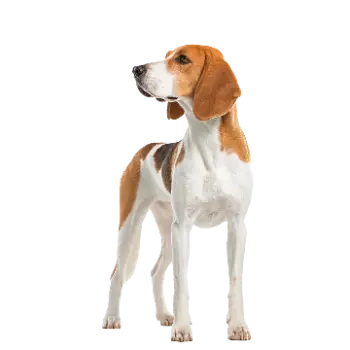
The Foxhound presents the picture of an athletic, well-balanced hunting dog built for speed and endurance across varied terrain during lengthy pursuit. Males typically stand between twenty-two and twenty-five inches at the shoulder, with some individuals reaching up to twenty-eight inches, while females measure slightly smaller at twenty-one to twenty-four inches with some reaching twenty-six inches. Weight generally ranges from sixty to seventy pounds in American lines and fifty-five to seventy-five pounds in English lines, distributed across a muscular frame that combines strength with remarkable agility. The overall impression is one of power without coarseness, demonstrating the breed's refined ability to maintain steady pace during lengthy hunts across challenging countryside. The breed's body features a characteristically deep chest that provides ample lung capacity for sustained running and cardiovascular efficiency during extended pursuits. This chest is supported by straight, strong legs with round, compact fox-like feet that provide excellent traction and durability on rough ground. Their back is level, broad, and well-muscled, leading to powerful hindquarters that provide driving force during the chase. The head is proportionate to the body without appearing heavy, featuring a slightly domed skull, moderately long square muzzle, and large, soft hazel or brown eyes that convey a gentle, pleading expression characteristic of hound breeds. Their ears are set low and pendant, hanging close to the cheeks in rounded folds, reaching nearly to the tip of the nose when drawn forward, though considerably shorter than those of the Basset Hound. The Foxhound wears a medium-length coat with a hard, close texture that provides excellent protection from brush, briars, and inclement weather during hunting expeditions in all seasons. Traditional coloring includes the classic tricolor pattern of black, white, and tan that has defined the breed for centuries, as well as red and white combinations and various other hound colors. Their long tail is carried high and gaily with a slight curve, often displaying a white tip that historically helped hunters track their hounds through dense vegetation and tall grass. Movement is effortless, ground-covering, and remarkably economical, reflecting generations of selective breeding for stamina, efficiency, and the ability to work tirelessly in the field from dawn until dusk. The American Foxhound tends toward a lighter, more refined build than its English counterpart, though both varieties share the same essential hunting characteristics.
Key Characteristics
Temperament Temperament Temperament Temperament Temperament Temperament Energy levels in Foxhounds run remarkably high, reflecting their heritage as dogs bred specifically to run for hours during traditional mounted fox hunts. They require substantial daily exercise, typically one to two hours of vigorous activity including running, hiking, or active play in secure areas. Without adequate physical and mental stimulation, Foxhounds become bored, frustrated, and may develop destructive behaviors, excessive digging, escape attempts, or nearly constant vocalization. Their distinctive baying and howling carries considerable distances across neighborhoods, making them generally unsuitable for noise-sensitive environments, apartments, or close suburban settings. These hounds thrive best with active, outdoorsy owners who can provide securely fenced areas and understand that off-leash activities in unsecured locations remain risky due to their powerful prey drive and scent-following tendencies.
Health Considerations Health Considerations Health Considerations Health Considerations Health Considerations Health Considerations The breed's long, pendant ears create a warm, moist environment conducive to bacterial and yeast infections, requiring regular weekly cleaning, inspection, and thorough drying after swimming or bathing to prevent recurring problems. Dental disease can develop without proper oral care, necessitating regular brushing and periodic professional cleanings throughout the dog's life. Obesity poses a genuine concern if these high-energy dogs do not receive adequate exercise or if food intake is not properly managed and monitored. Cricopharyngeal dysfunction, an inherited condition affecting the muscles involved in swallowing, has been documented in some puppies and may require surgical correction. Despite these potential issues, Foxhounds typically enjoy a lifespan of eleven to fourteen years, considerably longer than many breeds of similar size, reflecting their generally sound constitution, robust immune systems, and working dog heritage that prioritized health and functionality above all else.
Important to Remember
Each hybrid dog is unique and may inherit any combination of traits from either parent breed. The information above represents the characteristics of the purebred parent breeds. Your Basset Foxhound may favor one parent over the other or display a blend of both. We strongly encourage you to read the complete breed profiles for both the Basset Hound and Foxhound to fully understand the range of possible temperaments, health concerns, and care requirements.