Austi-Pap
The Austi-Pap is a cross between the Australian Shepherd and the Papillon. Because each hybrid inherits a unique combination of traits from both parents, we recommend thoroughly researching both breeds before choosing a Austi-Pap. Pay special attention to temperament, health issues, and care requirements, as your dog may express characteristics from either parent breed.
Australian Shepherd

The Australian Shepherd is a well-balanced, medium-sized herding dog known for its athletic build and striking appearance. Males typically stand between 20 and 23 inches tall at the shoulder and weigh 50 to 65 pounds, while females are slightly smaller at 18 to 21 inches and 40 to 55 pounds. The breed displays a body that is slightly longer than tall, combining solid muscle with exceptional agility. This proportionate build allows the Aussie to work tirelessly throughout the day while maintaining the speed and flexibility required for herding livestock. The overall structure reflects masculinity in males and femininity in females without being overly coarse or delicate. The Australian Shepherd possesses a beautiful double coat of medium length and texture that provides excellent weather resistance. The outer coat is straight to slightly wavy with moderate feathering on the back of the legs and a distinctive mane and frill around the neck, which is more pronounced in males. Four primary coat colors are recognized: blue merle featuring a bluish-gray base with black markings, red merle with buff or silver base and red markings, solid black, and solid red. All colors may appear with or without white markings and copper points, creating remarkable variety and individuality among dogs of this breed. One of the most distinctive features of the Australian Shepherd is its expressive eyes, which may be brown, blue, amber, or any combination thereof, including heterochromia where each eye is a different color. The ears are triangular with a natural fold, set high on the head and lending to the breed's alert expression. Another identifying characteristic is the natural or docked bobtail, which has been a traditional feature of the breed. The nose is straight with a rounded tip that may be black or liver colored depending on coat color, and merle-patterned dogs may display pink spots on their nose.
Key Characteristics
Temperament Temperament Temperament Temperament Temperament Temperament Australian Shepherds make wonderful family companions when properly socialized and exercised. They typically get along well with children and other pets, displaying patience and gentle playfulness with younger family members. However, their herding instincts may lead them to attempt to herd children or other animals through nipping at heels. These dogs thrive on human companionship and do not do well when left alone for extended periods. Prospective owners should understand that the Australian Shepherd requires an active lifestyle and significant time investment to reach its full potential as a devoted companion.
Health Considerations Health Considerations Health Considerations Health Considerations Health Considerations Health Considerations Eye problems are particularly prevalent in Australian Shepherds and include progressive retinal atrophy and cataracts, both of which can lead to vision impairment or blindness. Regular ophthalmologic examinations can help detect these conditions early. The breed also shows increased susceptibility to epilepsy, hypothyroidism with autoimmune thyroiditis being the most common form, and certain cancers including lymphoma and hemangiosarcoma. Degenerative myelopathy, a progressive spinal cord disease, has also been documented in the breed. Responsible breeding practices including health screenings can help reduce the incidence of these hereditary conditions.
Papillon
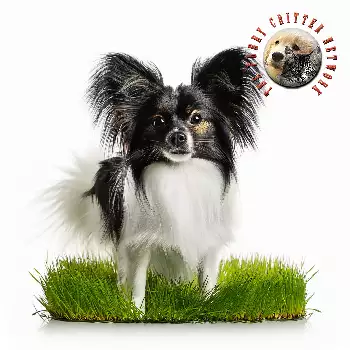
The Papillon is an elegant toy breed distinguished by its fine-boned structure and graceful appearance. Standing between 8 and 11 inches tall at the shoulder and weighing 3 to 10 pounds, this small dog presents a well-balanced silhouette that is slightly longer than it is tall. Despite the delicate bone structure, the Papillon possesses a surprisingly sturdy body that enables impressive agility and quickness. The breed should never appear overly dainty or fragile but rather demonstrate a harmonious combination of refinement and athleticism that allows it to excel in various canine activities. The most striking feature of the Papillon is its distinctive butterfly-like ears that give the breed its name, which means butterfly in French. These large, erect ears are set obliquely on the head and are heavily fringed with flowing hair that fans outward, creating the appearance of butterfly wings. A related variety known as the Phalene displays dropped ears that resemble a folded moth's wings. The breed's fine, silky coat is single-layered without an undercoat, lying flat against the body and flowing elegantly with movement. The hair is abundant and long but should never impede the dog's natural grace. Papillons are predominantly white with patches of any color except liver, most commonly appearing in combinations of white with black, lemon, red, sable, or as tricolor patterns. The coat requires surprisingly minimal grooming compared to other long-haired breeds due to its silky texture, which resists matting and tends to stay naturally clean with little doggy odor. The tail is long and set high, carried arched over the back in a beautiful plume that adds to the breed's overall elegance. The head features a slightly rounded skull, a well-defined stop, and a fine, tapering muzzle, while the dark, round eyes convey an alert and lively expression that captures the breed's spirited personality.
Key Characteristics
Temperament Temperament Temperament Temperament Temperament Temperament Papillons generally adapt well to various living situations and get along with children and other pets when properly socialized. However, their small size makes them somewhat fragile, and interactions with young children should be supervised to prevent accidental injury. These dogs form strong bonds with their owners and may develop separation anxiety if left alone for extended periods. They thrive in environments where they receive regular attention and mental challenges. The Papillon's combination of intelligence, athleticism, and affectionate nature makes it an outstanding companion for owners who appreciate an active and engaging small dog that can participate in a wide range of activities.
Health Considerations Health Considerations Health Considerations Health Considerations Health Considerations Health Considerations Dental disease is particularly prevalent in small breeds like the Papillon due to their compact jaw structure, which can lead to overcrowding of teeth and increased plaque accumulation. Establishing a regular dental hygiene routine early in life is essential for maintaining oral health. Other health conditions that may affect Papillons include von Willebrand disease, a bleeding disorder that affects blood clotting, portosystemic shunt where blood bypasses the liver, and collapsing trachea. While these conditions are less common, awareness allows for early detection and appropriate management. Working with breeders who perform health screenings can help reduce the risk of inherited conditions in puppies.
Important to Remember
Each hybrid dog is unique and may inherit any combination of traits from either parent breed. The information above represents the characteristics of the purebred parent breeds. Your Austi-Pap may favor one parent over the other or display a blend of both. We strongly encourage you to read the complete breed profiles for both the Australian Shepherd and Papillon to fully understand the range of possible temperaments, health concerns, and care requirements.