Aussie Siberian
The Aussie Siberian is a cross between the Australian Shepherd and the Siberian Husky. Because each hybrid inherits a unique combination of traits from both parents, we recommend thoroughly researching both breeds before choosing a Aussie Siberian. Pay special attention to temperament, health issues, and care requirements, as your dog may express characteristics from either parent breed.
Australian Shepherd

The Australian Shepherd is a medium-sized, well-balanced working dog that exemplifies the ideal combination of strength, stamina, and agility. Males typically stand between 20 to 23 inches at the shoulder and weigh 50 to 65 pounds, while females measure 18 to 21 inches and weigh 40 to 55 pounds. The breed displays a slightly longer than tall body proportion, approximately a 10 to 11 ratio from the breastbone to the rear of the thigh compared to height at the withers. This athletic build enables the Australian Shepherd to perform demanding herding tasks with remarkable endurance and quick reflexes. The overall structure should appear solid and muscular without being cumbersome, with males displaying masculinity without coarseness and females appearing feminine without being slight of bone. The Australian Shepherd possesses a distinctive double coat of moderate length and texture that provides excellent protection from various weather conditions. The outer coat consists of weather-resistant guard hairs that lie relatively flat against the body, while the dense undercoat provides essential insulation. Feathering appears on the back of the forelegs, and the breed sports a moderate mane and frill that is especially prominent in males. Coat colors include blue merle, red merle, solid black, and solid red, all with or without white markings and copper or tan points. This striking variety of coat patterns allows for tremendous individuality within the breed. One of the most distinctive features of the Australian Shepherd is the naturally bobbed or docked tail, which should not exceed four inches in length. The head is clean-cut and well-proportioned to the body, with a moderate stop and a muzzle that tapers slightly to a rounded tip. Eyes may be brown, blue, amber, or any combination thereof, including marbling and flecks, contributing to the breed's expressive and intelligent appearance. The triangular ears are set high and break forward or to the side when alert. The gait is smooth, free, and effortless, demonstrating exceptional agility with the ability to change direction instantly.
Key Characteristics
Temperament Temperament Temperament Temperament Temperament Temperament Australian Shepherds excel in various canine activities including herding, agility, obedience, and search and rescue work due to their trainability and eagerness to please. However, their intelligence means they can sometimes outsmart inexperienced owners or become manipulative without firm, fair guidance. The breed maintains strong herding instincts that may manifest as attempts to herd children, other pets, or moving objects. Early socialization and consistent training are essential to channel their natural drives appropriately and develop a well-adjusted companion.
Health Considerations Health Considerations Health Considerations Health Considerations Health Considerations Health Considerations Eye conditions are particularly prevalent in Australian Shepherds and include hereditary cataracts, progressive retinal atrophy, and Collie eye anomaly. The breed may also develop iris colobomas, which are gaps in the iris structure that can affect vision. Regular ophthalmologic examinations by board-certified veterinary ophthalmologists are recommended throughout the dog's life. Autoimmune thyroiditis leading to hypothyroidism represents the most common autoimmune condition in the breed. Additionally, some Australian Shepherds may be affected by Patent Ductus Arteriosus, a congenital heart defect that can be corrected surgically if detected early.
Siberian Husky
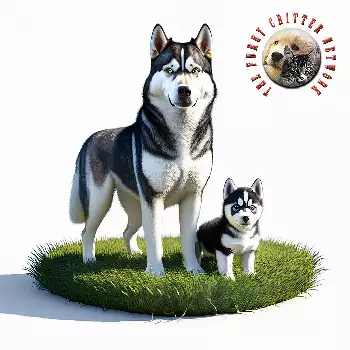
The Siberian Husky is a medium-sized working dog that embodies the perfect balance of power, speed, and endurance, reflecting its heritage as a sled dog capable of covering vast distances in harsh Arctic conditions. Males typically stand 21 to 23.5 inches at the shoulder and weigh 45 to 60 pounds, while females measure 20 to 22 inches and weigh 35 to 50 pounds. The breed presents a moderately compact body that is slightly longer than tall, with well-developed but never bulky musculature. The overall impression is one of effortless grace and athletic capability, with the dog appearing neither so heavy as to suggest a freight-pulling animal nor so light as to suggest a sprint racer. The Siberian Husky possesses a characteristic double coat that provides essential protection from extreme cold while requiring relatively moderate maintenance compared to longer-coated breeds. The medium-length coat features a dense, soft undercoat and a straight, somewhat smooth-lying outer coat of guard hairs that give a well-furred appearance without obscuring the breed's clean lines. All coat colors are permissible, ranging from pure white to solid black, with a remarkable variety of markings and patterns including striking facial masks and spectacles. The brush-shaped tail is well-furred with medium-length hair of equal distribution and is carried in a graceful sickle curve when alert. The breed's distinctive appearance is enhanced by its expressive head and striking eyes. The medium-sized, slightly oblique eyes may be brown, blue, or one of each color, and even parti-colored eyes containing both colors are acceptable. The erect, triangular ears are set high on the head and are medium-sized, thick, and well-furred. The skull is slightly rounded on top with a well-defined stop and a medium-length muzzle that tapers toward the nose. Movement is smooth and seemingly effortless, with excellent reach and drive that reflects the breed's endurance heritage. The typical lifespan ranges from 12 to 14 years with proper care and health management.
Key Characteristics
Temperament Temperament Temperament Temperament Temperament Temperament The Siberian Husky's pack-oriented nature means they generally do well with other dogs but possess a strong prey drive that can make them dangerous around smaller animals including cats, rabbits, and small dogs. They are notorious escape artists, capable of jumping fences, digging underneath barriers, and finding creative ways to explore their surroundings. The breed requires extensive daily exercise, ideally one to two hours of vigorous activity, and they excel at activities that engage their natural instincts such as sledding, skijoring, and long-distance running. Rather than barking, Siberian Huskies communicate through a distinctive repertoire of howls, yodels, and chirps that can be quite vocal.
Health Considerations Health Considerations Health Considerations Health Considerations Health Considerations Health Considerations Several other health conditions merit attention from Siberian Husky owners. Hypothyroidism, resulting from inadequate thyroid hormone production, is common and typically requires lifelong medication. Follicular dysplasia causes hair loss and has no cure. Zinc-responsive dermatosis results from the breed's difficulty absorbing zinc and causes skin lesions that respond to supplementation. Epilepsy with inherited tendencies typically manifests between six months and three years of age. Additionally, genetic testing can identify carriers of Shaking Puppy Syndrome Type 1 and Siberian Husky Polyneuropathy Type 1, both serious neurological conditions, as well as hyperuricosuria, which increases urate stone risk.
Important to Remember
Each hybrid dog is unique and may inherit any combination of traits from either parent breed. The information above represents the characteristics of the purebred parent breeds. Your Aussie Siberian may favor one parent over the other or display a blend of both. We strongly encourage you to read the complete breed profiles for both the Australian Shepherd and Siberian Husky to fully understand the range of possible temperaments, health concerns, and care requirements.