Aussie-Corgi
The Aussie-Corgi is a cross between the Australian Shepherd and the Pembroke Welsh Corgi. Because each hybrid inherits a unique combination of traits from both parents, we recommend thoroughly researching both breeds before choosing a Aussie-Corgi. Pay special attention to temperament, health issues, and care requirements, as your dog may express characteristics from either parent breed.
Australian Shepherd

The Australian Shepherd is a medium-sized, well-balanced dog that combines athleticism with agility and endurance. Males typically stand 20 to 23 inches at the withers and weigh between 50 and 65 pounds, while females measure 18 to 21 inches and weigh 40 to 55 pounds. The breed presents a slightly rectangular silhouette, being marginally longer than tall with an ideal height-to-length ratio of approximately 5:6. Their body is strongly built with moderate bone and substance, never appearing cloddy or overly light, with males exhibiting a more substantial masculine appearance and females showing a slightly more refined feminine build. The Australian Shepherd possesses a distinctive double coat designed to protect against varying weather conditions. The outer coat is medium length with straight to slightly wavy hair of moderate texture, while the dense undercoat varies in thickness depending on climate. Significant feathering appears on the backs of the forelegs, and males typically display a more pronounced mane around the neck and chest area. The breed comes in four recognized colors: blue merle, red merle, solid black, and solid red, all of which may appear with or without white markings and copper points. White markings commonly appear on the chest, legs, muzzle, and as a blaze on the face. The head of the Australian Shepherd is clean-cut with a slightly rounded skull and a moderate stop between the forehead and muzzle. The muzzle tapers slightly toward the nose, which is black in blue merle and black dogs, and liver-colored in red merle and red dogs. Perhaps the most striking feature is their expressive eyes, which can be brown, blue, amber, or any combination thereof, including marbled or flecked patterns. The ears are triangular and set high, breaking forward or to the side when alert. Some Australian Shepherds are born with a naturally bobbed tail, while others have full-length tails that are traditionally docked.
Key Characteristics
Temperament Temperament Temperament Temperament Temperament Temperament Australian Shepherds form intensely loyal bonds with their families and are often described as velcro dogs because of their tendency to remain close to their owners at all times. While deeply devoted and affectionate with family members, they can be reserved or cautious around strangers, making early socialization essential for developing well-rounded temperaments. They are protective without being aggressive and make excellent watchdogs. These dogs do not tolerate being left alone for extended periods and may develop separation anxiety if isolated from their family, as they thrive on companionship and inclusion in household activities.
Health Considerations Health Considerations Health Considerations Health Considerations Health Considerations Health Considerations A critical health consideration unique to Australian Shepherds and related breeds is the MDR1 gene mutation, which affects approximately 50 percent of the breed population. This genetic variant causes sensitivity to certain medications, including ivermectin commonly found in heartworm preventatives, as well as some anesthetics and anti-diarrheal drugs. Dogs with this mutation can experience severe neurological reactions to these medications. Genetic testing is available and recommended for all Australian Shepherds to identify carriers. Additional health concerns include epilepsy, which typically manifests between six months and three years of age, autoimmune thyroiditis, various cancers including lymphosarcoma and hemangiosarcoma, von Willebrand disease affecting blood clotting, and degenerative myelopathy.
Pembroke Welsh Corgi
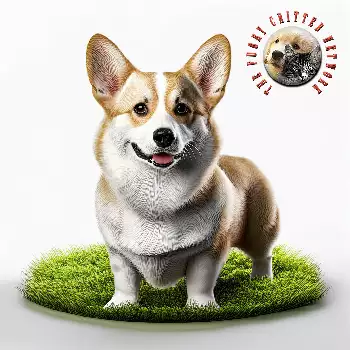
The Pembroke Welsh Corgi is a small but remarkably sturdy herding dog that stands 10 to 12 inches at the withers and weighs up to 30 pounds for males and 28 pounds for females. Despite their diminutive stature, Corgis are classified as an achondroplastic dwarf breed, meaning they possess the body of a larger dog set on characteristically short legs. Their overall build is low-set and elongated, with a body length noticeably greater than their height, creating a distinctive silhouette that has made them one of the most recognizable breeds worldwide. The frame is surprisingly athletic, enabling surprising speed and agility despite their compact proportions. The breed possesses a weather-resistant double coat consisting of a thick, soft undercoat and a longer, coarser outer coat of medium length. The coat lies flat against the body and is naturally straight, with slightly longer hair forming a ruff around the neck, chest, and shoulders. Accepted coat colors include red, sable, fawn, and black and tan, all of which may appear with or without white markings on the legs, chest, neck, muzzle, and as a blaze on the face. The hair on the back of the forelegs and the underparts features moderate feathering that should not be excessive or fluffy. The Pembroke Welsh Corgi presents a distinctly fox-like appearance, with an intelligent and alert expression that defines the breed's character. The head is fairly wide and flat between the ears, with a moderate stop transitioning to a tapered muzzle that forms a somewhat pointed appearance without being snippy. The medium-sized ears are erect, firm, and slightly rounded at the tips, contributing significantly to the breed's characteristic expression. Eyes are medium in size, oval in shape, and set somewhat obliquely, displaying various shades of brown that harmonize with the coat color. The nose is black and fully pigmented. Unlike its Cardigan cousin, the Pembroke Welsh Corgi traditionally lacks a tail, either being born with a natural bobtail or having the tail docked to a length not exceeding two inches, though docking is now prohibited in many countries.
Key Characteristics
Temperament Temperament Temperament Temperament Temperament Temperament Pembroke Welsh Corgis are affectionate and devoted family companions who form strong bonds with all household members. They are generally good with children, though interactions should be supervised due to their herding instincts. These dogs are sociable and typically get along well with other pets when properly introduced and socialized. Corgis strongly prefer being involved in family activities and do not tolerate isolation well, potentially developing separation anxiety if left alone for extended periods. They maintain a playful and youthful demeanor throughout their lives, often displaying an endearing sense of humor that has contributed to their popularity as companion animals. While friendly with familiar people, they may initially be reserved with strangers until properly introduced.
Health Considerations Health Considerations Health Considerations Health Considerations Health Considerations Health Considerations Eye conditions affecting Pembroke Welsh Corgis include progressive retinal atrophy, which causes gradual vision loss leading to blindness, and cataracts that may develop at various life stages. Annual ophthalmologic examinations are recommended to monitor eye health. Von Willebrand disease, a bleeding disorder that affects blood clotting, occurs in the breed and can be identified through genetic testing. Obesity represents a significant health risk for Corgis, as their robust appetites combined with their low-to-ground build makes weight management challenging. Excess weight exacerbates spinal problems and joint issues while increasing the risk of diabetes and other metabolic conditions. Additional health concerns include epilepsy, exercise-induced collapse, and certain immune system disorders. Regular veterinary checkups, appropriate exercise, and careful attention to diet are essential for maintaining optimal health throughout the Corgi's life.
Important to Remember
Each hybrid dog is unique and may inherit any combination of traits from either parent breed. The information above represents the characteristics of the purebred parent breeds. Your Aussie-Corgi may favor one parent over the other or display a blend of both. We strongly encourage you to read the complete breed profiles for both the Australian Shepherd and Pembroke Welsh Corgi to fully understand the range of possible temperaments, health concerns, and care requirements.