American Pugabull
The American Pugabull is a cross between the American Bulldog and the Pug. Because each hybrid inherits a unique combination of traits from both parents, we recommend thoroughly researching both breeds before choosing a American Pugabull. Pay special attention to temperament, health issues, and care requirements, as your dog may express characteristics from either parent breed.
American Bulldog

The American Bulldog is a powerful, athletic breed that presents a well-balanced combination of strength, endurance, and agility wrapped in a sturdy, muscular frame. Males typically stand between 22 and 28 inches tall at the shoulder and weigh anywhere from 70 to 120 pounds, while females are noticeably smaller and less stocky than their male counterparts. The breed exhibits a compact, well-knit body that is just slightly longer than it is tall, with a deep, broad chest that conveys an impression of tremendous power without appearing excessively wide. The back is broad, muscular, and moderately short, showing great strength, with a level topline from withers to the loin and a slightly sloping croup. The head of the American Bulldog is large and broad, featuring a flat or slightly rounded skull with a deep median furrow that diminishes from the stop to the occiput. The muzzle is medium in length, square and broad, with well-developed cheek muscles that are prominent but free of excessive wrinkles. The eyes are medium-sized, almond-shaped to round, and typically brown in color, though heterochromia occasionally occurs. Ears may be drop, semi-prick, rose, or cropped, set high on the head, and are medium in size. The breed possesses strong, powerful jaws with a slightly undershot bite that allows for effective gripping. The American Bulldog wears a short, close-fitting coat that ranges from soft to stiff in texture and requires minimal grooming beyond regular brushing to remove loose hair. The breed historically appeared predominantly white with patches of red, black, or brindle, though modern American Bulldogs display many color patterns including solid black, red, brown, fawn, and various shades of brindle. Black pigmentation on the nose and eye rims is traditionally preferred. Two distinct types exist within the breed: the Johnson or Bully type, which is larger and heavier with a shorter muzzle, and the Scott or Standard type, which is more athletic and sleeker with a longer muzzle.
Key Characteristics
Temperament Temperament Temperament Temperament Temperament Temperament Training an American Bulldog requires firmness, consistency, and patience, as the breed can be strong-willed and independent. They respond exceptionally well to positive reinforcement methods and are eager to please their owners once a foundation of mutual respect has been established. Owners should be prepared to invest significant time in training and establish themselves as confident leaders. When properly socialized and trained, American Bulldogs make excellent family companions who are reliable, brave, and deeply committed to their households. Their intelligence and natural athleticism make them versatile dogs capable of adapting to various living situations, though they are best suited to owners with experience handling powerful breeds.
Health Considerations Health Considerations Health Considerations Health Considerations Health Considerations Health Considerations American Bulldogs are prone to various skin conditions and allergies that may manifest as itching, redness, and recurrent infections. Their short coat provides less protection against environmental allergens, and some individuals develop sensitivities to foods, pollens, dust mites, or flea bites. Eye conditions including cherry eye, entropion, and ectropion occasionally affect the breed, requiring veterinary attention to prevent discomfort and potential vision problems. Maintaining a healthy weight through proper nutrition and regular exercise significantly reduces stress on joints and helps prevent obesity-related complications that can exacerbate many of these health concerns.
Pug
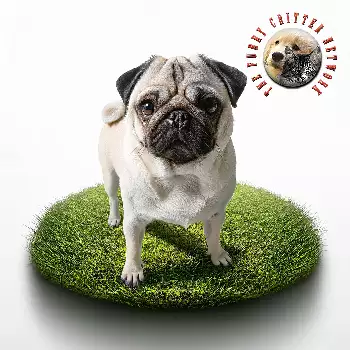
The Pug is a small, compact toy breed whose Latin motto multum in parvo, meaning much in little, perfectly captures this dog's substantial presence packed into a diminutive frame. The breed standard calls for a decidedly square, cobby appearance that should never appear lean and leggy or display short legs with a long body. Both males and females ideally weigh between 14 and 18 pounds, with overall proportion being square from any viewing angle. The body is short and cobby with a wide chest and well-sprung ribs, carried on strong, straight legs of moderate length that are set well under the body to provide stability and balance. The head of the Pug is perhaps its most distinctive feature, appearing large, massive, and round without being apple-shaped or showing indentation of the skull. The face is characterized by deep, prominent wrinkles with a short, blunt, square muzzle that should never be upturned. The eyes are remarkably dark, very large, bold, and prominent with a globular shape and soft, solicitous expression that becomes animated and full of fire when the dog is excited. Small, thin ears resemble black velvet in texture and may be either rose or button style, with preference given to the button ear. The distinctive black mask, moles on the cheeks called beauty spots, and a clearly defined thumbmark on the forehead add to the breed's characteristic appearance. The Pug wears a fine, smooth, short coat that feels soft and glossy rather than hard or coarse. This double coat sheds considerably, particularly during seasonal changes, requiring regular brushing to manage loose hair. The breed appears in two primary colors: fawn, which ranges from warm apricot tones to the rare silver coloration, and solid black. Fawn Pugs display a striking contrast between their lighter body color and the black mask covering the muzzle and extending around the eyes. The tail is one of the Pug's most charming features, curled as tightly as possible over the hip, with a double curl considered perfection. The neck is slightly arched, strong and thick, with sufficient length to carry the head proudly above the compact body.
Key Characteristics
Temperament Temperament Temperament Temperament Temperament Temperament Pugs adapt remarkably well to various living situations and can thrive in apartments, suburban homes, or rural properties as long as they receive adequate attention from their families. They generally get along well with children, other dogs, and even cats when properly introduced, making them excellent choices for multi-pet households. The breed does not require extensive exercise and is often content with short walks and indoor play sessions, though some individuals display surprising bursts of energy during playtime. Pugs are sensitive to their owners' emotions and often seem to know when comfort is needed, positioning themselves close during difficult moments. Their devotion to family, adaptable nature, and entertaining personalities continue to make Pugs beloved companions worldwide.
Health Considerations Health Considerations Health Considerations Health Considerations Health Considerations Health Considerations Orthopedic conditions including hip dysplasia, patellar luxation, and Legg-Calve-Perthes disease affect Pugs despite their small size, causing pain and mobility limitations. The breed's characteristic screw tail is associated with hemivertebrae, abnormally shaped spinal vertebrae that can compress the spinal cord and cause pain, weakness, or incontinence. Skin fold dermatitis develops in the deep facial wrinkles when moisture and bacteria accumulate, requiring diligent daily cleaning to prevent infection. Obesity presents a particularly serious concern for Pugs, worsening breathing difficulties, joint problems, and overall quality of life. Maintaining appropriate weight through careful portion control and regular low-impact exercise significantly improves health outcomes for this beloved companion breed.
Important to Remember
Each hybrid dog is unique and may inherit any combination of traits from either parent breed. The information above represents the characteristics of the purebred parent breeds. Your American Pugabull may favor one parent over the other or display a blend of both. We strongly encourage you to read the complete breed profiles for both the American Bulldog and Pug to fully understand the range of possible temperaments, health concerns, and care requirements.