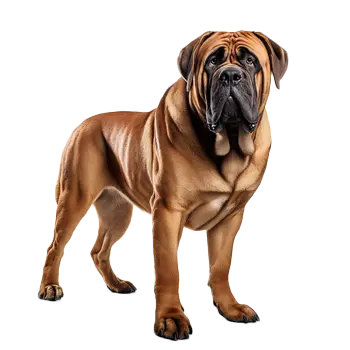
American Masti-Bull
Hybrid Breed Description
The American Masti-Bull is a cross between the American Bulldog and the Mastiff. Because each hybrid inherits a unique combination of traits from both parents, we recommend thoroughly researching both breeds before choosing an American Masti-Bull. Pay special attention to temperament, health issues, and care requirements, as your dog may express characteristics from either parent breed.
American Bulldog
American Bulldogs are powerful, medium to large-sized dogs exhibiting a stocky, muscular, and athletic build that reflects their heritage as working farm dogs. Males typically stand 22 to 28 inches tall at the shoulder and weigh between 70 and 120 pounds, while females measure slightly smaller at 20 to 26 inches in height with weights ranging from 60 to 100 pounds. Despite their substantial size and muscular frame, American Bulldogs maintain remarkable agility and athleticism, capable of impressive feats such as leaping six or more feet into the air. The breed features a large, square-shaped head with a broad muzzle and powerful jaws that give them their distinctive bulldog appearance. Their muscular cheeks are proportionate to their overall head size and body structure, creating an imposing yet balanced look. The eyes are typically brown, though blue, grey, or hazel colors can occur, and they may be either almond-shaped or round. Some individuals even display heterochromia with split eyes where one is brown and the other blue. The ears are medium-sized and can be rose-shaped, drop-shaped, or semi-prick, though uncropped ears are strongly preferred according to breed standards. American Bulldogs possess a deep, broad chest that provides excellent lung capacity, essential for their working heritage, along with muscular shoulders and well-defined hindquarters that demonstrate their strength and power. The neck is thick and muscular, tapering from the shoulders to the head, sometimes featuring a slight dewlap. Their tail is set low, thick at the base, and tapers to a point. The breed's coat is short, smooth, and close-lying with a soft to slightly coarse texture that requires minimal grooming maintenance. Coat colors are predominantly white-based with patches of various colors including black, brindle, red, brown, tan, fawn, and shades of gray. While historically the breed was mostly white, modern American Bulldogs display considerable variation in color patterns and markings. Two distinct types exist within the breed: the Johnson type, also called the Classic or Bully type, features a larger, stockier build with a shorter muzzle and more pronounced bulldog characteristics; while the Scott type, known as the Standard or Performance type, is smaller, more athletic, and agile with a longer muzzle. Many contemporary American Bulldogs represent a hybrid combination of these two types, resulting in dogs with varying appearances that all fall within the breed standard. Black nose pigmentation is preferred, though red, brown, or grizzle noses are acceptable, with black eye rims favored on white dogs.
Key Characteristics
American Bulldogs possess a temperament characterized by confidence, intelligence, loyalty, and a protective nature that makes them exceptional family companions and guardians when properly trained and socialized. These dogs are renowned for their bravery and unwavering devotion to their families, often forming incredibly strong bonds with their owners that last a lifetime. Despite their powerful appearance and guardian instincts, American Bulldogs are remarkably gentle and affectionate with their family members, displaying a loving and sweet nature that contradicts their tough exterior. They demonstrate exceptional patience and playfulness with children, making them wonderful family pets, though supervision is always recommended due to their substantial size and strength which could inadvertently cause accidents through exuberant play. The breed exhibits what many describe as a clownish, silly personality when happy or excited, bringing joy and laughter to their households through their entertaining antics and playful behavior. Their intelligence combined with an eagerness to please makes American Bulldogs highly trainable, though they can display an independent and sometimes stubborn streak that requires patient, consistent, positive reinforcement training methods from confident, experienced handlers. They respond best to praise, treats, and play rewards rather than harsh corrections or forceful training techniques, which can activate their stubborn tendencies and damage the bond between dog and owner. Early socialization and puppy training classes are absolutely critical for this breed to ensure they develop into well-mannered, confident adults who can distinguish between normal social interactions and genuine threats. American Bulldogs naturally possess strong protective instincts and can be territorial, making them excellent watchdogs who will alert families to visitors or unusual activities, though they are not typically excessive barkers. They tend to be reserved, suspicious, or aloof with strangers, requiring proper introduction and time to warm up to new people, though they rarely display unprovoked aggression toward humans. Energy levels are notably high for American Bulldogs, who require substantial daily exercise ranging from one to two hours of vigorous activity to maintain their physical health and prevent behavioral issues stemming from pent-up energy and boredom. Without adequate mental and physical stimulation, these intelligent dogs can become destructive, engaging in unwanted behaviors such as chewing, digging, or excessive vocalization. They thrive in active households where owners can provide ample exercise through activities like long walks, jogging, hiking, tug-of-war games, and training sessions. American Bulldogs generally get along well with other dogs when properly socialized from puppyhood, though they may show dominance or territorial behavior toward same-sex dogs without appropriate training and leadership from their owners. They can coexist peacefully with cats and other pets if raised together and properly introduced, though their size and strength mean interactions should always be supervised. The breed strongly dislikes being left alone for extended periods and can develop separation anxiety or destructive behaviors when isolated, as they genuinely crave human companionship and want to be active participants in family life rather than solitary yard dogs.
American Bulldogs are generally considered one of the healthiest bulldog breeds, boasting a longer life expectancy of 10 to 16 years with an average of approximately 11.5 years, and experiencing fewer genetic health problems compared to their English and French Bulldog cousins. However, like all breeds, American Bulldogs are predisposed to certain health conditions that responsible owners should monitor throughout the dog's life. Hip dysplasia and elbow dysplasia represent the most common orthopedic concerns for the breed, occurring when these joints develop improperly during growth, resulting in malformation, instability, loose fit between bones, and progressive arthritis that causes pain, lameness, and mobility issues as dogs age. Responsible breeders screen breeding stock for these conditions through radiographic evaluation and certification programs, significantly reducing but not eliminating the risk of producing affected puppies. Treatment options range from conservative management through weight control, restricted activity, joint supplements, and physical therapy to surgical interventions including total hip replacement in severe cases, with costs potentially reaching several thousand dollars. Neuronal Ceroid Lipofuscinosis, abbreviated as NCL, is a progressive genetic neurological disease specific to American Bulldogs that typically manifests in young dogs between one and three years of age, beginning with rear leg weakness and imbalance that progressively affects all four limbs and may include vision loss. Unfortunately, no effective treatment exists for this devastating condition, though a genetic test is available allowing breeders to identify carriers and prevent producing affected puppies by avoiding breeding two carriers together. Hypothyroidism occurs commonly in American Bulldogs when the thyroid gland fails to produce adequate hormones to regulate metabolism, resulting in symptoms including dry skin and coat, hair loss, increased susceptibility to skin infections, unexplained weight gain despite normal appetite, lethargy, and potential behavioral changes such as fearfulness or aggression. Annual blood screening tests can detect this condition, and treatment consists of simple daily thyroid hormone replacement medication that typically resolves symptoms completely. Skin conditions affect American Bulldogs more frequently than many breeds, with ichthyosis representing a particularly notable genetic concern where the skin develops improperly, resulting in dry, flaky, itchy skin ranging from moderate to severe cases. Mildly affected dogs require more frequent bathing with medicated shampoos, while severely affected individuals need daily bathing and oil application to manage their condition. Allergies, both environmental and food-related, plague many American Bulldogs, manifesting as chronic skin irritation, itching, ear infections, and gastrointestinal issues requiring identification of specific allergens and management through dietary modifications, medications, or immunotherapy. Cherry eye, the prolapse of the third eyelid gland, occurs with some frequency and may require surgical correction to prevent complications. Obesity poses a significant preventable health risk for American Bulldogs who love to eat and can easily become overweight without careful portion control and adequate exercise, exacerbating joint problems and contributing to other serious conditions including diabetes, heart disease, and shortened lifespan. Dental disease affects American Bulldogs at higher rates than many breeds, beginning with tartar buildup and progressing to painful infections affecting the gums, tooth roots, and potentially causing systemic problems affecting major organs, making regular teeth brushing at least three times weekly essential for maintaining oral health.
Mastiff
Mastiffs, also known as English Mastiffs, are truly massive dogs representing one of the largest and heaviest breeds in existence, with males typically standing 30 inches or more at the shoulder and weighing between 160 to 230 pounds, while females measure slightly smaller at 27.5 inches and up with weights ranging from 120 to 170 pounds. The largest Mastiff ever recorded weighed an astounding 343 pounds, though most individuals fall within the more typical but still impressive weight range. Despite their enormous size, Mastiffs possess a well-proportioned, dignified appearance with a powerful, muscular build featuring a broad back, deep chest, and strong, well-developed hindquarters. Their overall impression is one of grandeur, strength, and nobility, though their movement often displays an endearing clumsiness in their gait that many owners find charming. The Mastiff's head is one of the breed's most distinctive features, being massive, heavy, and square-shaped with a short, broad muzzle and drooping jowls that contribute to their propensity for drooling. Deep wrinkles surround the head, eyes, and muzzle, requiring regular cleaning to prevent skin infections and maintain hygiene. The eyes are small relative to the head size, set well apart, and typically dark hazel or brown in color, conveying a kind, gentle, and lovable expression despite the dog's imposing stature. A characteristic black mask covers the eyes, nose, and surrounding facial areas, creating the breed's signature look. The ears are small, dark in color, V-shaped, and flop downward close to the head, set high on the skull. Mastiffs possess a double-layered coat with a dense, short, tight undercoat and a straight, coarse, moderately short outer coat that together create a short, textured appearance. The coat comes in a limited range of colors described as fawn, apricot, and brindle, all representing various shades of light brown and tan hues, always accompanied by the distinctive dark facial mask. The neck is muscular and powerful, slightly arched as it tapers from the broad shoulders to the large head. The tail is set high on the rump, thick at the base, and tapers to a point, typically reaching to the dog's hocks when extended. Their chest is wide, moderately deep, and well-sprung, providing ample room for heart and lung function necessary to support their massive bodies. The legs are straight, heavy-boned, and muscular with large, round feet that provide stable support for their substantial weight. Overall, the Mastiff's physical presence commands respect and attention, yet their calm demeanor and gentle expression reveal their true sweet nature.
Key Characteristics
Mastiffs possess a temperament that beautifully contradicts their intimidating physical presence, being renowned as gentle giants with calm, patient, dignified, and affectionate personalities that make them wonderful family companions. Despite their massive size and historical role as guardians, Mastiffs display an even-keeled, good-natured disposition characterized by loyalty, devotion, and an almost surprising lack of excitability or hyperactivity. They form incredibly strong bonds with their families, thriving on human companionship and preferring to be active participants in daily household activities rather than isolated outdoor dogs. Mastiffs demonstrate remarkable gentleness and tolerance, particularly with children, displaying patience that makes them excellent family dogs, though their sheer size necessitates supervision during interactions to prevent accidental knocking over or stepping on smaller family members. Their loving nature extends to a desire for physical closeness, with many Mastiffs happily attempting to become lap dogs despite weighing well over 100 pounds. The breed's guardian heritage manifests in their protective instincts and natural vigilance, making them excellent watchdogs who remain alert to their surroundings and will defend their family and territory if they perceive genuine threats. Mastiffs typically display suspicion, wariness, or reservation toward strangers visiting the home, though they rarely bark excessively and instead rely on their imposing presence as a deterrent. This protective nature requires extensive early socialization and training to ensure Mastiffs learn to distinguish between normal social situations and actual threats, preventing them from becoming overly suspicious or reactive. When properly socialized, they generally accept visitors calmly once properly introduced, though they may continue monitoring unfamiliar people from a distance. Their courage and loyalty mean they will not hesitate to defend their loved ones when necessary, but their calm temperament means they rarely act aggressively without cause. Despite their size, Mastiffs have relatively low energy requirements and are often described as couch potatoes who enjoy lounging around the house and prefer a laid-back lifestyle. They do not require extensive exercise, with most adults content with a one to two-mile walk daily, though puppies and young dogs need much less activity to protect their developing joints and growth plates. Mastiffs are intelligent and eager to please, responding best to gentle, patient, positive reinforcement training methods rather than harsh corrections or loud commands which can activate their stubborn streak. Early training and socialization are crucial for managing these giant dogs, as their size and strength make them difficult to control without proper education and respect for commands. They generally get along well with other dogs and pets when properly introduced and socialized, though their size means interactions require supervision. Mastiffs strongly dislike conflict, particularly within their family unit, and will become distressed by household arguments or tension. They genuinely need human companionship and do poorly when left alone for extended periods, potentially developing behavioral issues or depression from isolation and boredom.
Mastiffs face numerous health challenges common to giant breeds, with a notably short average lifespan of only 6 to 10 years, significantly less than most dog breeds due to the physical stress their massive bodies place on organ systems and the accelerated aging process in giant dogs. Bloat and gastric dilatation-volvulus represent life-threatening emergencies particularly prevalent in deep-chested large breeds like Mastiffs, occurring when the stomach distends with air and food, potentially twisting on itself and cutting off blood supply to organs. Symptoms include abdominal distension, restlessness, pacing, unsuccessful attempts to vomit, and signs of distress, requiring immediate emergency veterinary intervention as the condition can be fatal within hours without treatment. Preventive measures include feeding multiple smaller meals rather than one large meal daily, avoiding exercise immediately before or after eating, and considering prophylactic gastropexy surgery to tack the stomach in place. Hip dysplasia and elbow dysplasia are genetic orthopedic conditions affecting Mastiffs with concerning frequency, occurring when these joints develop abnormally with poor fit between bones, leading to joint instability, progressive arthritis, pain, and eventual lameness. Responsible breeders screen breeding stock through radiographic evaluation and certification programs, though even dogs from tested parents can develop these conditions due to environmental factors and rapid growth. Treatment options range from conservative management through weight control, controlled exercise, joint supplements, pain medications, and physical therapy to surgical interventions including total joint replacement in severe cases. Maintaining optimal body weight throughout life is critically important for reducing stress on joints and delaying the progression of arthritis. Degenerative myelopathy is a progressive, fatal neurological disease affecting the spinal cord that slowly weakens and eventually paralyzes the hind legs before progressing to affect front legs, breathing, vocalization, and swallowing. No treatment can reverse or halt this devastating condition, though physical therapy and supportive care may temporarily improve quality of life and maintain muscle mass. Genetic testing is available to identify at-risk dogs. Dilated cardiomyopathy, one of the most common heart diseases in large breeds, occurs when the heart enlarges and the cardiac muscles become thin and weakened, potentially leading to congestive heart failure. Regular cardiac examinations starting at age two can help detect early signs, and medications may help manage symptoms and extend life. Progressive retinal atrophy leads to gradual vision loss and eventual blindness, though affected dogs typically adapt well to sight loss and can continue living full, happy lives with appropriate environmental modifications. Epilepsy, characterized by recurrent seizures without identifiable underlying cause, typically begins in Mastiffs between six months and five years of age and requires lifelong medication management, though most affected dogs can lead relatively normal lives with appropriate treatment. Cancer, particularly osteosarcoma and mast cell tumors, represents a significant concern for Mastiffs, requiring vigilant monitoring and regular veterinary examinations for early detection when treatment outcomes are most favorable. Mastiffs are also prone to seasonal and environmental allergies that manifest as itchy skin, ear infections, and other dermatological issues requiring various treatment approaches. The breed's facial wrinkles, droopy eyes, and floppy ears predispose them to various conditions including ectropion where eyelids roll outward, skin fold dermatitis, and chronic ear infections, all requiring regular cleaning and monitoring to prevent complications. Obesity poses particular risks for giant breeds, exacerbating joint problems and shortening already brief lifespans, making careful monitoring of food intake and maintaining healthy body condition essential throughout their lives.
Important to Remember
Each hybrid dog is unique and may inherit any combination of traits from either parent breed. The information above represents the characteristics of the purebred parent breeds. Your American Masti-Bull may favor one parent over the other or display a blend of both. We strongly encourage you to read the complete breed profiles for both the American Bulldog and Mastiff to fully understand the range of possible temperaments, health concerns, and care requirements.