Affenhuahua
The Affenhuahua is a cross between the Affenpinscher and the Chihuahua. Because each hybrid inherits a unique combination of traits from both parents, we recommend thoroughly researching both breeds before choosing a Affenhuahua. Pay special attention to temperament, health issues, and care requirements, as your dog may express characteristics from either parent breed.
Affenpinscher
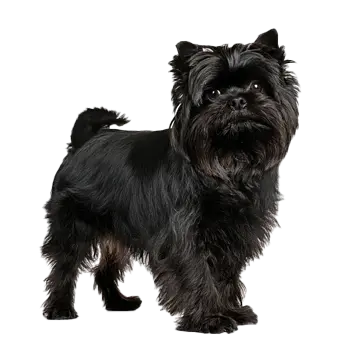
The Affenpinscher is a small, sturdy toy breed that presents a square, compact build with medium bone structure. Standing between nine and eleven and a half inches at the shoulder and typically weighing seven to ten pounds, this breed exhibits balanced proportions where the height at the withers approximately equals the body length from shoulder point to buttocks. The body is thickset without appearing delicate, demonstrating substance despite its diminutive stature. Female specimens may appear slightly longer in body than males, though both sexes maintain the characteristic square silhouette that defines the breed. The coat is one of the breed's most distinctive features, consisting of dense, rough, harsh hair approximately one inch long on the shoulders and body. The texture should be wiry rather than soft or silky, with shorter hair permitted on the rear and tail areas. Longer, less harsh furnishings appear on the head, neck, chest, stomach, and legs, creating the breed's signature neat but shaggy appearance. A mature dog develops a mane or cape of strong hair blending into the back coat at the withers. Acceptable colors include black, gray, silver, red, black and tan, and belge, which features a mixture of black, brown, and red hairs. Black coats may display a rusty cast or occasional white or silver hairs. The head is proportionate to the body and carried with confidence, featuring the characteristic monkey-like facial expression that inspired the breed's German name. Round, dark, brilliant eyes of medium size are set well apart and framed by black eyelids with long black eyelashes. Bushy eyebrows, prominent whiskers, and a beard of wiry hair stand off from the face, accentuating the distinctive simian expression. Ears may be cropped to stand erect or left natural in standing, semi-erect, or dropped positions. The undershot jaw with a slightly upturned chin completes the unique facial structure.
Key Characteristics
Temperament Temperament Temperament Temperament Temperament Temperament The breed thrives on companionship and does not tolerate being left alone for extended periods, preferring to remain close to their family members. They make excellent watchdogs due to their alert nature and tendency to bark at unfamiliar sounds or visitors. While generally good with other dogs, Affenpinschers may exhibit assertive behavior and attempt to dominate larger canines. Their heritage as ratters means they should not be trusted around small pets like rodents or birds. This breed works best in households with older children who understand how to interact respectfully with small dogs.
Health Considerations Health Considerations Health Considerations Health Considerations Health Considerations Health Considerations Eye conditions require monitoring throughout the breed's life, including progressive retinal atrophy, cataracts, and persistent pupillary membranes. Annual ophthalmologic examinations help detect early signs of vision problems. Respiratory concerns merit attention due to the breed's shortened muzzle, which can cause breathing difficulties in hot weather or during strenuous exercise. Tracheal collapse, where weakened cartilage causes the windpipe to flatten, occurs in some toy breeds and produces a characteristic dry cough. Heart anomalies, including patent ductus arteriosus, may be present from birth. Dental disease affects many Affenpinschers due to their small mouths, making regular dental care essential for overall health.
Chihuahua
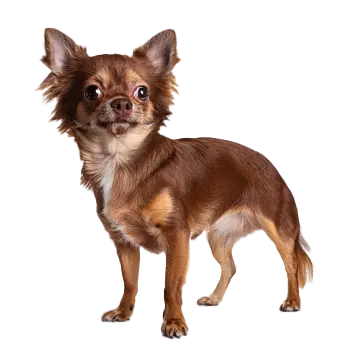
The Chihuahua stands as the smallest recognized dog breed in the world, presenting a graceful, alert, and swift-moving companion with distinctive terrier-like qualities. According to the AKC breed standard, a well-balanced Chihuahua should not exceed six pounds, with most specimens weighing between two and six pounds and standing approximately five to seven inches at the shoulder. The body is slightly off-square, measuring somewhat longer from shoulder point to buttocks than the height at the withers, though shorter bodies are generally preferred in males. Despite their tiny stature, these compact dogs display surprising substance and should never appear frail or spindly. The breed comes in two coat varieties that differ significantly in appearance. The smooth coat variety features short, close-lying hair that is soft and glossy, with a ruff of thicker hair around the neck permitted and more scanty hair on the head and ears. The long coat variety displays soft texture with hair that may be flat or slightly wavy, featuring feathering on the ears, fringing on the legs, pants on the hind legs, and a large ruff on the neck. Both coat types come in virtually any color or color combination, including solid, marked, or splashed patterns, making the Chihuahua one of the most varied breeds in terms of coloration. Common colors include fawn, cream, white, black, chocolate, and various combinations with markings. The head is perhaps the breed's most distinctive feature, exhibiting a well-rounded apple dome skull that sets Chihuahuas apart from other toy breeds. Some individuals retain a soft spot on the skull called a molera, where the bones have not fully joined together. Large, luminous eyes are round but not protruding, set well apart, and express a saucy, alert demeanor characteristic of the breed. Dark or ruby-colored eyes are preferred, though lighter eyes are acceptable in blonde or white-colored dogs. Large, erect ears stand at a forty-five degree angle when alert, framing the expressive face. The muzzle is moderately short and slightly pointed, with a level or slightly undershot bite acceptable.
Key Characteristics
Temperament Temperament Temperament Temperament Temperament Temperament Chihuahuas prefer being part of a family group and do not tolerate long periods of isolation well. They often seek warmth and comfort, frequently burrowing under blankets or seeking laps to curl up in. While they can adapt to various living situations including apartments, they require gentle handling and may not be suitable for households with young children who might inadvertently handle them roughly. Their assertive nature means they may attempt to dominate larger dogs without recognizing the size disadvantage, requiring supervision during interactions with bigger canines. Despite their small stature, Chihuahuas make alert watchdogs who will readily announce visitors or unusual occurrences.
Health Considerations Health Considerations Health Considerations Health Considerations Health Considerations Health Considerations Patellar luxation affects ten to fifteen percent of Chihuahuas, causing the kneecap to slip out of its normal position and resulting in intermittent lameness or an abnormal skipping gait. Hypoglycemia poses particular risk in puppies and smaller individuals, causing weakness, trembling, and potentially seizures if blood sugar drops too low. The breed's prominent eyes increase vulnerability to corneal ulcers and other eye injuries. Tracheal collapse, where weakened windpipe cartilage causes breathing difficulties, produces a characteristic honking cough. Dental disease affects over eighty percent of Chihuahuas by age two due to crowded teeth in small mouths, making regular dental care essential. Hydrocephalus, an accumulation of fluid in the brain, occasionally occurs in puppies and may be associated with the open fontanel common in the breed.
Important to Remember
Each hybrid dog is unique and may inherit any combination of traits from either parent breed. The information above represents the characteristics of the purebred parent breeds. Your Affenhuahua may favor one parent over the other or display a blend of both. We strongly encourage you to read the complete breed profiles for both the Affenpinscher and Chihuahua to fully understand the range of possible temperaments, health concerns, and care requirements.