Affenchon
The Affenchon is a cross between the Affenpinscher and the Bichon Frise. Because each hybrid inherits a unique combination of traits from both parents, we recommend thoroughly researching both breeds before choosing a Affenchon. Pay special attention to temperament, health issues, and care requirements, as your dog may express characteristics from either parent breed.
Affenpinscher
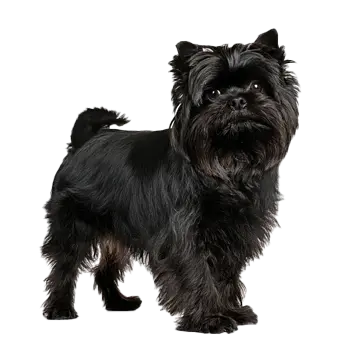
The Affenpinscher is a small, compact toy breed with a sturdy, square build that belies its delicate appearance. Standing between nine and eleven and a half inches at the shoulder and weighing seven to ten pounds, this breed carries itself with a confident, almost swaggering gait. The body is well-proportioned with medium bone structure, presenting neither coarse nor overly refined features. The legs are straight with moderate angulation, supporting a level back and a tail that is typically docked short or carried high when left natural. The chest is moderately broad, and the overall silhouette suggests a balanced, athletic little dog capable of considerable agility despite its diminutive size. The coat is one of the Affenpinscher's most distinguishing features, consisting of dense, rough, harsh-textured hair approximately one inch long on the shoulders and body. The hair may be somewhat shorter on the hindquarters and tail, while the head, neck, chest, stomach, and legs display longer, slightly softer furnishings. Mature dogs develop a distinctive mane or cape of strong hair around the neck that blends into the back coat at the withers. The longer facial hair, including prominent eyebrows, a full beard, and pronounced mustache, stands away from the skull to create the breed's characteristic monkey-like expression. Acceptable colors include black, gray, silver, red, black and tan, and belge, with black being the most common and preferred in many registries. The head is carried proudly and remains proportionate to the body, featuring a moderately rounded, domed skull with a prominent forehead and clearly defined stop. The muzzle is short, blunt, and straight, never upturned or flattened enough to impede breathing. Dark, round, sparkling eyes set wide apart convey an alert, intelligent expression. The small ears may be cropped to stand erect or left natural in either erect, semi-erect, or dropped positions. A slightly undershot jaw with a broad lower mandible and well-turned chin completes the distinctive facial structure that has earned this breed its nickname of Monkey Dog.
Key Characteristics
Temperament Temperament Temperament Temperament Temperament Temperament Socially, Affenpinschers tend to do best with adults or families with older children who understand appropriate handling of small dogs. Their terrier heritage gives them a high prey drive that makes them generally incompatible with small pets, particularly rodents. While they can be territorial and initially wary of strangers, proper early socialization helps them develop into well-rounded companions. They typically remain quiet dogs but will exhibit terrier spark and fire when excited or when alerting to visitors, making them surprisingly effective watchdogs for their size.
Health Considerations Health Considerations Health Considerations Health Considerations Health Considerations Health Considerations The Affenpinscher's shortened muzzle classifies it as a brachycephalic breed, making them susceptible to respiratory difficulties, particularly in hot or humid weather. Owners should monitor their dogs carefully during warm months and avoid strenuous exercise during temperature extremes. Eye problems including progressive retinal atrophy, cataracts, and persistent pupillary membranes have been documented in the breed, making annual ophthalmologic examinations advisable. Other concerns include patent ductus arteriosus (a congenital heart defect), tracheal collapse, von Willebrand's disease (a blood clotting disorder), and dental issues common to many toy breeds. Open fontanels, where the skull bones fail to close completely, can also occur.
Bichon Frise
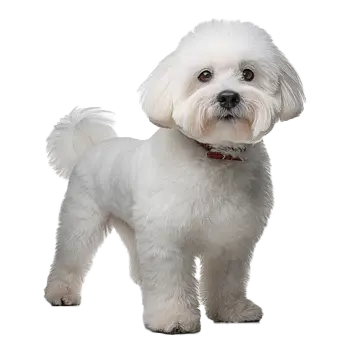
The Bichon Frise is a small, sturdy dog presenting the appearance of a white powder puff, characterized by a merry temperament evidenced by its plumed tail carried jauntily over the back and an inquisitive, dark-eyed expression. Both males and females typically stand nine and a half to eleven and a half inches at the shoulder and weigh between twelve and eighteen pounds, though some individuals may be slightly smaller or larger. The body is compact and well-balanced, slightly longer than tall, with the length from the forward point of the chest to the point of rump extending approximately one-quarter longer than the height at the withers. This breed displays no gross or incapacitating exaggerations, presenting a balanced silhouette with sound movement and a proud carriage. The coat is perhaps the Bichon's most distinctive feature and is of utmost importance to proper breed type. Unlike many breeds, the Bichon Frise possesses a true double coat, with a soft, dense undercoat and a coarser, curlier outer coat that combine to create a soft yet substantial texture similar to plush velvet. When properly groomed, the coat springs back when touched and stands away from the body, creating the characteristic powder puff appearance. The outer coat grows three to four inches long and consists of loose, corkscrew-like curls. While the coat is predominantly white, shadings of buff, cream, or apricot around the ears or on the body are acceptable, particularly in young dogs, though mature specimens should display no more than ten percent of any color other than white. The hair on the head is typically trimmed to create a rounded impression, framing the face. The head is in balance with the body, with a slightly rounded skull that is not broad. The muzzle is shorter than the skull in a ratio of approximately three to five, featuring a moderate but definite stop. Large, round, black eyes surrounded by dark halos of well-pigmented skin give the breed its characteristically soft, inquisitive expression. The ears are dropped, hanging close to the face, set slightly below eye level and covered with long, flowing hair. The nose is large, round, black, and prominent, while the lips are tight-fitting with black pigmentation.
Key Characteristics
Temperament Temperament Temperament Temperament Temperament Temperament Socially, the Bichon Frise is remarkably adaptable and typically gets along well with children, other dogs, and even cats when properly introduced. Their gentle temperament makes them excellent family pets, though interactions with very young children should always be supervised due to the dog's small size. One significant consideration is this breed's tendency toward separation anxiety, as they strongly dislike being left alone and may develop destructive behaviors or excessive vocalization if isolated for extended periods. Potential owners should be prepared to spend substantial time with their Bichon or arrange for companionship during absences.
Health Considerations Health Considerations Health Considerations Health Considerations Health Considerations Health Considerations Orthopedic conditions including patellar luxation and hip dysplasia affect Bichon Frises at higher rates than average. Legg-Calve-Perthes disease, a degenerative hip condition affecting young dogs, has also been documented in the breed. Eye problems including hereditary cataracts, corneal dystrophy, and progressive retinal atrophy require monitoring through regular ophthalmologic examinations. Diabetes mellitus occurs more frequently in this breed, requiring lifelong management with insulin and dietary modification. Dental disease is extremely common due to the Bichon's small mouth and crowded teeth, potentially shortening lifespan if left untreated. Heart disease, liver shunts, and Cushing's disease (hyperadrenocorticism) are additional concerns requiring awareness.
Important to Remember
Each hybrid dog is unique and may inherit any combination of traits from either parent breed. The information above represents the characteristics of the purebred parent breeds. Your Affenchon may favor one parent over the other or display a blend of both. We strongly encourage you to read the complete breed profiles for both the Affenpinscher and Bichon Frise to fully understand the range of possible temperaments, health concerns, and care requirements.