Affen Chi
The Affen Chi is a cross between the Affenpinscher and the Chihuahua. Because each hybrid inherits a unique combination of traits from both parents, we recommend thoroughly researching both breeds before choosing a Affen Chi. Pay special attention to temperament, health issues, and care requirements, as your dog may express characteristics from either parent breed.
Affenpinscher
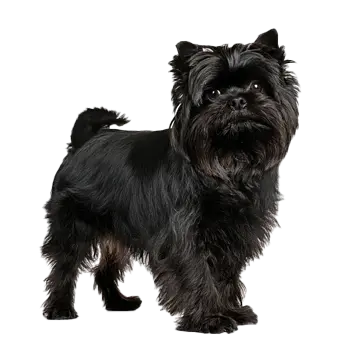
The Affenpinscher is a small, compact toy breed that stands between 9 and 11.5 inches at the shoulder and typically weighs between 7 and 10 pounds. Despite their diminutive size, these dogs possess a sturdy, square build with good bone structure that gives them a more substantial appearance than their weight might suggest. The body is well-proportioned with a level topline, and the overall impression is of a neat, alert little dog that carries itself with confidence. The legs are straight and parallel when viewed from the front, and the gait is light and confident with a distinctive springy quality. The breed's most distinctive feature is its unique facial appearance, which has earned it the nickname monkey dog or monkey terrier. The head is round with a pronounced dome and a short, blunt muzzle with a slightly undershot jaw that gives the face its characteristic expression. Large, round, dark eyes are set wide apart and convey intelligence and alertness, while bushy eyebrows frame the face and add to the monkey-like appearance. A prominent beard and mustache of longer facial hair complete the distinctive look. The ears are set high on the head and may be natural, standing erect or semi-erect, or cropped in countries where the practice remains legal. The Affenpinscher's coat is rough and wiry in texture, typically about one inch in length over most of the body, with longer hair forming a cape-like mane around the shoulders and chest. The facial furnishings, including the characteristic beard, eyebrows, and mustache, are important breed features that contribute to the overall expression. The coat comes in several colors including black, which is most common, as well as gray, silver, red, black and tan, and beige. The wiry coat requires regular hand-stripping or grooming to maintain its proper texture, though many pet owners opt for clipper cuts that soften the coat's appearance.
Key Characteristics
Temperament Temperament Temperament Temperament Temperament Temperament Affenpinschers are loyal and affectionate with their families, forming strong bonds with their people. However, they typically prefer to be near their owners rather than constantly in their laps, maintaining a degree of independence unusual in toy breeds. They can be excellent companions for adults and older children who understand how to interact respectfully with small dogs. The breed is generally not recommended for families with young children, as Affenpinschers have limited patience for rough handling or inadvertent mistreatment. Their high prey drive means they may chase small animals, and their territorial nature can make introductions to new pets challenging.
Health Considerations Health Considerations Health Considerations Health Considerations Health Considerations Health Considerations The Affenpinscher's facial structure can contribute to certain health challenges. As a brachycephalic breed with a shortened muzzle, some individuals may experience breathing difficulties, particularly in hot weather or during strenuous exercise. Owners should be vigilant about preventing overheating and avoiding excessive exertion in warm conditions. Eye problems including progressive retinal atrophy and cataracts can occur, and the prominent eyes are vulnerable to injury. Dental issues are common in toy breeds due to crowded teeth in small jaws, making regular dental care essential. Tracheal collapse, where the cartilage supporting the windpipe weakens, and lick granulomas are additional conditions occasionally seen in the breed.
Chihuahua
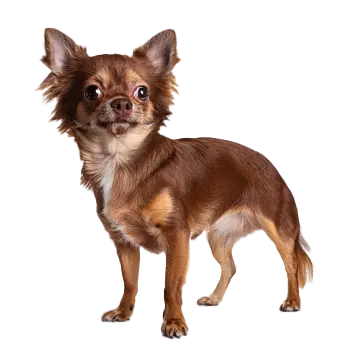
The Chihuahua holds the distinction of being the smallest recognized dog breed in the world, typically standing between 5 and 8 inches at the shoulder and weighing ideally between 2 and 6 pounds, with breed standards disqualifying dogs exceeding 6 pounds for showing. Despite their tiny size, Chihuahuas should appear sturdy and well-proportioned rather than delicate or fragile. The body is slightly longer than it is tall, with a level back and well-sprung ribs that create a rounded appearance. The legs are straight and fine-boned, and the feet are small and dainty with well-cushioned pads. The head is perhaps the most distinctive feature of the Chihuahua, with the apple dome skull being a defining characteristic recognized across all breed standards. This rounded skull shape creates the breed's signature silhouette and is accompanied by large, expressive eyes that are round, full, and set well apart. The ears are large and erect, positioned at approximately a 45-degree angle when alert, giving the dog an attentive, curious expression. The muzzle is moderately short and slightly pointed, with a well-defined stop where it meets the skull. Some Chihuahuas are born with a molera, a soft spot on the skull similar to the fontanel in human infants, though this typically closes as the dog matures. Chihuahuas come in two distinct coat varieties. The smooth coat variety has short, glossy hair that lies close to the body with possible slightly longer hair on the neck forming a light ruff. The long coat variety features soft, flat or slightly wavy hair with feathering on the ears, legs, feet, and a plume on the tail, with a pronounced ruff around the neck. Both varieties may have or lack an undercoat. The breed can appear in virtually any color or color combination, including solid, marked, or splashed patterns in black, white, fawn, chocolate, cream, and many other shades. The tail is moderately long, carried in a sickle curve or loop over the back.
Key Characteristics
Temperament Temperament Temperament Temperament Temperament Temperament Training a Chihuahua requires patience and consistency, as these intelligent dogs can be stubborn and may attempt to manipulate their owners with their adorable expressions and dramatic personalities. They respond best to positive reinforcement methods with short, engaging training sessions. House training can be particularly challenging with Chihuahuas due to their small bladders and their dislike of cold or wet weather. Many owners find success with indoor training options. The breed generally does better with older children who can interact gently and respectfully, as Chihuahuas may snap when handled roughly or startled. Their tendency toward barking and sometimes excessive attachment can require management through training.
Health Considerations Health Considerations Health Considerations Health Considerations Health Considerations Health Considerations Hypoglycemia, or low blood sugar, is a serious concern especially in Chihuahua puppies and small individuals. Their fast metabolisms and limited fat reserves make them vulnerable to blood sugar drops, which can cause weakness, trembling, seizures, and potentially life-threatening complications if not addressed promptly. Owners should monitor for symptoms and keep appropriate remedies available. Other health concerns include hydrocephalus, a condition where fluid accumulates in the brain causing neurological symptoms, and collapsed trachea, where the cartilage supporting the windpipe weakens causing breathing difficulties and a characteristic honking cough. Chihuahuas are also extremely sensitive to cold temperatures and may require protective clothing in cool weather to prevent hypothermia.
Important to Remember
Each hybrid dog is unique and may inherit any combination of traits from either parent breed. The information above represents the characteristics of the purebred parent breeds. Your Affen Chi may favor one parent over the other or display a blend of both. We strongly encourage you to read the complete breed profiles for both the Affenpinscher and Chihuahua to fully understand the range of possible temperaments, health concerns, and care requirements.