Affen Border Terrier
The Affen Border Terrier is a cross between the Affenpinscher and the Border Terrier. Because each hybrid inherits a unique combination of traits from both parents, we recommend thoroughly researching both breeds before choosing a Affen Border Terrier. Pay special attention to temperament, health issues, and care requirements, as your dog may express characteristics from either parent breed.
Affenpinscher
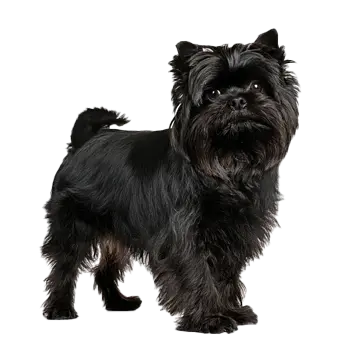
The Affenpinscher is a small, compact toy breed that stands between 9 and 11.5 inches at the shoulder and typically weighs between 7 and 10 pounds. Despite their diminutive size, these dogs possess a sturdy, square build with good bone structure that gives them a more substantial appearance than their weight might suggest. The body is well-proportioned with a level topline, and the overall impression is of a neat, alert little dog that carries itself with confidence. The legs are straight and parallel when viewed from the front, and the gait is light and confident with a distinctive springy quality. The breed's most distinctive feature is its unique facial appearance, which has earned it the nickname monkey dog or monkey terrier. The head is round with a pronounced dome and a short, blunt muzzle with a slightly undershot jaw that gives the face its characteristic expression. Large, round, dark eyes are set wide apart and convey intelligence and alertness, while bushy eyebrows frame the face and add to the monkey-like appearance. A prominent beard and mustache of longer facial hair complete the distinctive look. The ears are set high on the head and may be natural, standing erect or semi-erect, or cropped in countries where the practice remains legal. The Affenpinscher's coat is rough and wiry in texture, typically about one inch in length over most of the body, with longer hair forming a cape-like mane around the shoulders and chest. The facial furnishings, including the characteristic beard, eyebrows, and mustache, are important breed features that contribute to the overall expression. The coat comes in several colors including black, which is most common, as well as gray, silver, red, black and tan, and beige. The wiry coat requires regular hand-stripping or grooming to maintain its proper texture, though many pet owners opt for clipper cuts that soften the coat's appearance.
Key Characteristics
Temperament Temperament Temperament Temperament Temperament Temperament Affenpinschers are loyal and affectionate with their families, forming strong bonds with their people. However, they typically prefer to be near their owners rather than constantly in their laps, maintaining a degree of independence unusual in toy breeds. They can be excellent companions for adults and older children who understand how to interact respectfully with small dogs. The breed is generally not recommended for families with young children, as Affenpinschers have limited patience for rough handling or inadvertent mistreatment. Their high prey drive means they may chase small animals, and their territorial nature can make introductions to new pets challenging.
Health Considerations Health Considerations Health Considerations Health Considerations Health Considerations Health Considerations The Affenpinscher's facial structure can contribute to certain health challenges. As a brachycephalic breed with a shortened muzzle, some individuals may experience breathing difficulties, particularly in hot weather or during strenuous exercise. Owners should be vigilant about preventing overheating and avoiding excessive exertion in warm conditions. Eye problems including progressive retinal atrophy and cataracts can occur, and the prominent eyes are vulnerable to injury. Dental issues are common in toy breeds due to crowded teeth in small jaws, making regular dental care essential. Tracheal collapse, where the cartilage supporting the windpipe weakens, and lick granulomas are additional conditions occasionally seen in the breed.
Border Terrier

The Border Terrier is a small, agile working terrier with a distinctive appearance that reflects its heritage as a fox-hunting dog on the Anglo-Scottish border. Males typically stand 13 to 16 inches at the shoulder and weigh 13 to 15.5 pounds, while females are slightly smaller at 11 to 14 inches and 11.5 to 14 pounds. The breed possesses a narrow, flexible body that was essential for pursuing foxes into their underground dens, yet legs long enough to keep pace with horses and larger hounds during the hunt. The overall build is balanced and workmanlike, conveying the impression of a capable, no-nonsense working dog. The head is the breed's most distinguishing feature, often described as otter-like in shape with a broad skull and moderately short muzzle. The expression is alert and keen, reflecting the breed's active intelligence. Small, V-shaped ears are set on the sides of the head and fold forward close to the cheeks, adding to the characteristic appearance. The eyes are medium-sized, dark hazel in color, and convey an intelligent, inquisitive expression. The neck is moderately long and muscular, blending smoothly into well-laid-back shoulders. The tail is moderately short, thick at the base, and tapered toward the tip, carried gaily but never curled over the back. The Border Terrier's coat is a key breed characteristic, consisting of a double layer that provides excellent weather protection. The undercoat is soft and dense, while the outer coat is harsh, wiry, and close-lying, effectively repelling dirt and water. The coat requires regular hand-stripping to maintain its proper texture, though many pet owners opt for clipping. Recognized coat colors include red, grizzle and tan where a mixture of red and gray hairs creates a distinctive pattern, blue and tan, and wheaten. A dark muzzle is preferred in show dogs but does not affect the breed's working ability or suitability as a companion.
Key Characteristics
Temperament Temperament Temperament Temperament Temperament Temperament Border Terriers are energetic dogs that require regular physical and mental exercise to remain content and well-behaved. They enjoy long walks, play sessions, and activities that engage their minds. Without adequate stimulation, they may develop unwanted behaviors such as excessive barking, digging, or destructive chewing. The breed generally gets along well with other dogs, showing less dog-aggression than many terrier breeds, and can coexist with cats if raised together, though their prey drive means small pets like rabbits or hamsters may trigger chase instincts. They are typically excellent with children, showing patience and gentleness with youngsters who treat them respectfully.
Health Considerations Health Considerations Health Considerations Health Considerations Health Considerations Health Considerations Hypothyroidism, a condition where the thyroid gland produces insufficient hormones, has been documented in the breed. Symptoms include weight gain, lethargy, skin problems, and coat changes, and the condition is typically manageable with daily medication once diagnosed. A rare but serious inherited condition called Spongiform LeucoEncephaloMyelopathy, sometimes called shaking puppy syndrome, can occur in Border Terrier puppies. This neurological disorder affects the brain and spinal cord, causing tremors and coordination problems. The breed is generally free of many eye problems that affect other breeds, contributing to their reputation as a healthy, hardy terrier. Regular veterinary checkups help ensure any developing health issues are caught and addressed early.
Important to Remember
Each hybrid dog is unique and may inherit any combination of traits from either parent breed. The information above represents the characteristics of the purebred parent breeds. Your Affen Border Terrier may favor one parent over the other or display a blend of both. We strongly encourage you to read the complete breed profiles for both the Affenpinscher and Border Terrier to fully understand the range of possible temperaments, health concerns, and care requirements.