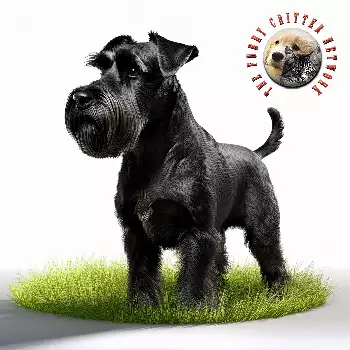

Zwergschnauzer

Miniature Schnauzer
Gallery coming soon

Furry Critter Network Etsy Shop

Quick Facts

🐕 Breed Group
Terrier Group
📏 Size Category
Small
📏 Height
12-14 inches
⚖️ Weight
11-20 pounds
⏱️ Life Expectancy
12-15 years
🧥 Coat Type
Double coat with wiry outer coat and soft undercoat
🎨 Coat Colors
Salt and Pepper, Black, Black and Silver
😀 Temperament
Friendly, Smart, Obedient
🏃 Exercise Needs
Moderate
🎓 Training Difficulty
High
👶 Good with Children
Yes
🐾 Good with Other Pets
Good with proper socialization

Other Names & Breed Recognition

The Zwergschnauzer, meaning Dwarf Schnauzer in German, is known throughout the world by various names that reflect its international popularity and heritage. In English-speaking countries, this breed is most commonly called the Miniature Schnauzer, the name under which it is registered with major kennel clubs including the American Kennel Club and The Kennel Club of the United Kingdom. The German origin of the name Zwergschnauzer directly translates to describe the breed's diminutive stature compared to its larger cousins, the Standard Schnauzer and Giant Schnauzer.

The term Schnauzer itself derives from the German word for snout or muzzle, referencing the breed's characteristic bearded face that has become one of its most recognizable features. In German-speaking countries, the breed may also be referred to as Zwergschnauzer or simply called the Miniature within the Schnauzer family designation. Historical records occasionally reference the breed as the Wirehaired Pinscher, reflecting its early classification before the Schnauzer breeds were fully distinguished from the Pinscher family in the late nineteenth century.

The Miniature Schnauzer earned official recognition as a distinct breed in 1899 when the first breed exhibition was held in Germany, though the breed had been developed over the preceding decades through careful selective breeding. The American Kennel Club formally recognized the Miniature Schnauzer in 1926, just two years after the first specimens were imported to the United States. This recognition established the breed's official status in North America and paved the way for its tremendous popularity in subsequent decades.

Internationally, the breed enjoys recognition under slightly different classifications depending on the governing kennel club. While American and Canadian kennel clubs place the Miniature Schnauzer in the Terrier Group due to its ratting background and terrier-like personality, the Federation Cynologique Internationale and The Kennel Club of the United Kingdom classify it differently. The FCI places all three Schnauzer breeds in Group 2 with Pinscher and Schnauzer types, acknowledging the breed's German heritage and relationship to other Continental breeds rather than British terrier bloodlines.

The breed's popularity has led to affectionate nicknames among enthusiasts and owners. Many simply refer to their pets as Minis to distinguish them from Standard and Giant Schnauzers. In casual conversation, owners often call them Schnauzers despite the existence of the larger varieties, testament to how thoroughly the Miniature has become the most recognized member of the Schnauzer family. Some breeders and fanciers use the abbreviated term MS in written communication when discussing breed-specific topics.

The Zwergschnauzer's recognition extends beyond kennel club registries to include various breed-specific organizations dedicated to preserving and promoting the breed. The American Miniature Schnauzer Club serves as the parent club in the United States, working with the AKC to maintain breed standards and promote responsible breeding practices. Similar organizations exist in countries worldwide, including the Miniature Schnauzer Club of Canada and breed clubs throughout Europe, Asia, and Australia.

Zwergschnauzer Organizations & Standards

The Zwergschnauzer benefits from extensive organizational support and clearly defined breed standards that guide breeders, judges, and enthusiasts worldwide. The American Miniature Schnauzer Club, founded in 1933 when it split from the combined Schnauzer club, serves as the primary breed organization in the United States and works closely with the American Kennel Club to establish and maintain the official breed standard. This parent club organizes national specialty shows, coordinates health research initiatives, and provides educational resources for breeders and owners seeking to understand the breed's ideal characteristics.

The breed standard adopted by the American Kennel Club describes the Zwergschnauzer as a robust, active dog resembling its larger cousin, the Standard Schnauzer, in miniature form. The standard emphasizes that the breed should appear sturdy and nearly square in proportion, with height at the withers ranging from twelve to fourteen inches. Dogs falling outside this range are considered objectionable in the show ring, though they may still make excellent companions. The ideal weight ranges from eleven to twenty pounds, with overall quality and balance taking precedence over specific measurements.

Physical characteristics outlined in the standard include a rectangular head with strong features, unwrinkled forehead, and the distinctive beard and eyebrows that define Schnauzer appearance. Eyes should be small, dark brown, and oval-shaped, conveying an alert and spirited expression. Ears may be cropped to stand erect or left natural in a V-shape that folds forward. The standard permits both presentations in the American show ring, though uncropped ears have become increasingly common in recent years following changing attitudes toward cosmetic surgery in dogs.

The Zwergschnauzer's double coat receives detailed attention in the breed standard. The outer coat should be wiry and hard in texture, while the undercoat remains soft and close. Proper coat presentation requires either hand-stripping, which removes dead hair and maintains the correct wiry texture, or clipping, which produces a softer coat acceptable for pets but not ideal for show dogs. The standard recognizes three color varieties: salt and pepper, solid black, and black and silver, each with specific requirements for shade and marking distribution.

Temperament standards describe the ideal Zwergschnauzer as alert and spirited yet obedient to command. The breed should exhibit friendliness, intelligence, and willingness to please without displaying aggression or timidity. These temperament requirements reflect the breed's dual heritage as both a working farm dog and a beloved companion, capable of performing practical tasks while maintaining the sociable nature necessary for family life.

The United Kennel Club maintains its own breed standard for the Miniature Schnauzer, recognizing the breed in the Terrier Group since 1948. The UKC standard closely mirrors the AKC version but allows for slightly greater size variation, accepting dogs from eleven to fifteen inches at the shoulder. This organization emphasizes the breed's working abilities alongside its appearance, reflecting UKC's focus on functional dogs capable of performing their original duties.

Internationally, the Federation Cynologique Internationale oversees breed standards for member countries throughout Europe, South America, and much of Asia. The FCI places the Zwergschnauzer in Group 2, Section 1.2, alongside its Standard and Giant relatives. The FCI standard recognizes four colors, adding white to the three accepted by American kennel clubs. This difference reflects historical European practices and maintains options for breeders working with bloodlines that produce white specimens. White Miniature Schnauzers cannot be shown in AKC conformation events but are accepted in FCI countries and by some other registries.

The Kennel Club of the United Kingdom places the Miniature Schnauzer in the Utility Group rather than with terriers, acknowledging the breed's German rather than British origins. The UK standard generally aligns with FCI requirements and permits the same four color varieties. British breed enthusiasts have been active in the breed since the early twentieth century, with the Miniature Schnauzer Club established to support owners and breeders throughout the United Kingdom.

Breed organizations beyond kennel clubs play vital roles in supporting Zwergschnauzer health and welfare. The American Miniature Schnauzer Club's Health Committee coordinates research into hereditary conditions and maintains databases tracking health testing results. The Canine Health Information Center works with breed clubs to encourage health screening, offering CHIC certification to dogs that complete recommended testing protocols. These efforts help breeders make informed decisions and gradually reduce the incidence of inherited health problems in the breed.

Kennel Club Recognition

  • American Kennel Club (AKC): Recognized in Terrier Group
  • United Kennel Club (UKC): Recognized in Terrier Group
  • Canadian Kennel Club (CKC): Recognized in Terrier Group
  • Fédération Cynologique Internationale (FCI): Recognized in Group 2, Section 1.2 (Pinscher and Schnauzer type)
  • The Kennel Club (UK): Recognized in Utility Group

Zwergschnauzer Physical Description

The Zwergschnauzer presents a distinctively handsome appearance that combines robustness with elegance in a compact, square-proportioned frame. Standing twelve to fourteen inches at the shoulder and weighing eleven to twenty pounds, this breed exemplifies the Schnauzer type in miniature form while maintaining all the substance and soundness required of a working terrier. The overall impression should convey sturdiness, activity, and alertness without any suggestion of toyishness or delicacy despite the breed's smaller size.

The head represents one of the Zwergschnauzer's most defining features, characterized by strong rectangular planes and the dramatic facial furnishings that give all Schnauzers their unmistakable appearance. The skull is moderately broad between the ears, flat rather than rounded, and unwrinkled when the dog is at ease. The muzzle is strong and blunt, equal in length to the topskull, ending in a moderately broad nose that is always solid black regardless of coat color. The distinctive bushy eyebrows arch upward above dark, deep-set eyes, while the luxuriant beard and mustache frame the muzzle to create the classic Schnauzer expression.

Eyes should be small, dark brown, and oval in shape, positioned to face forward with an alert, intelligent expression that reflects the breed's spirited personality. Lighter eye colors are considered faults in the show ring. The ears may be cropped to stand erect in a pointed shape or left in their natural state, where they are set high on the skull and fold forward in a V-shape with the inner edges lying close to the cheeks. Both presentations are equally acceptable in American conformation events, though many countries have banned ear cropping.

The neck is strong and well-arched, blending smoothly into laid-back shoulders that allow for proper front assembly and movement. The body is short-coupled and compact, with a straight, firm topline that slopes slightly downward from the withers to the tail set. The chest is moderately broad with well-sprung ribs that extend well back, providing ample room for heart and lungs. The loin is short and deep, creating the characteristic square profile when viewed from the side.

Front legs are straight when viewed from all angles, with elbows set close to the body and pasterns nearly perpendicular to the ground. The shoulders are laid back at approximately forty-five degrees, allowing for good reach during movement. Hindquarters are strongly muscled with well-bent stifles and short hocks that provide powerful drive. Feet are small, round, and cat-like with thick, black pads and arched toes that serve the breed well in both show ring and active family life.

The tail, traditionally docked to a length just long enough to be visible over the backline, is set high and carried erect. In countries where docking is prohibited, the natural tail is carried in a gentle curve but should not curl over the back. The tail's carriage contributes to the Zwergschnauzer's alert, confident deportment whether docked or natural.

The Zwergschnauzer's double coat consists of a hard, wiry outer coat and a close, soft undercoat that provides insulation in various weather conditions. This combination creates the breed's characteristic texture and appearance while serving practical purposes of protection and weather resistance. The coat lies close on the body, with longer furnishings on the legs, under the body, and on the distinctive facial features. Proper coat maintenance involves either hand-stripping to maintain the correct wiry texture or clipping, which results in a softer coat suitable for companion animals.

Three colors are recognized by most major kennel clubs. Salt and pepper, the most common color, displays a banded hair pattern with shades of gray creating an overall pepper-like appearance, with lighter gray to silver-white furnishings on the eyebrows, beard, chest, and legs. Solid black dogs have a pure black outer coat and black undercoat throughout. Black and silver specimens follow the salt and pepper pattern but with black replacing the banded gray areas, creating dramatic contrast with silver furnishings.

Movement in the Zwergschnauzer should be effortless and ground-covering, with good reach in front and strong drive from behind. The topline remains level during movement, and the legs travel parallel to each other, neither toeing in nor out. Proper structure allows the breed to move with the efficiency necessary for a dog originally bred to work around farms and pursue vermin.

Affection Level
The Zwergschnauzer forms deep bonds with family members and thrives on human companionship. These devoted dogs follow their owners throughout the home and express affection openly through playful behavior and close physical proximity.
Good With Children
Zwergschnauzers are sturdy enough to handle playtime with children and patient enough to tolerate their energy. They make excellent family companions when children are taught proper handling, though supervision is always recommended.
Good With Other Dogs
With proper socialization from puppyhood, Zwergschnauzers can coexist peacefully with other dogs. They may occasionally display terrier assertiveness but generally adapt well to multi-dog households with appropriate introductions.
Shedding Level
The Zwergschnauzer is considered a low-shedding breed, making them popular with allergy sufferers. Their wiry double coat requires regular grooming rather than constant cleanup of shed fur around the home.
Grooming Needs
Regular professional grooming every five to eight weeks maintains the Zwergschnauzer's distinctive appearance. Between appointments, weekly brushing and beard cleaning prevent matting and keep the coat healthy and neat.
Drooling Level
Zwergschnauzers are not droolers. Their bearded muzzle may occasionally trap water after drinking, but these dogs do not produce excessive saliva, keeping your home and furniture drool-free.
Coat Length
The Zwergschnauzer has a medium-length double coat with longer furnishings on the legs, beard, and eyebrows. The wiry outer coat provides protection while the soft undercoat offers insulation.
Openness To Strangers
Zwergschnauzers are naturally alert watchdogs who may be initially reserved with strangers. Once properly introduced, they warm up quickly and become friendly, though their vigilant nature remains evident.
Playfulness
These spirited terriers maintain their playful nature well into adulthood. Zwergschnauzers enjoy interactive games, fetch, and mental challenges, bringing energy and entertainment to family activities throughout their lives.
Protective Nature
Despite their small size, Zwergschnauzers take guarding duties seriously. They alert their families to visitors and unusual activities with enthusiastic barking, serving as effective watchdogs without aggressive tendencies.
Trainability
Intelligent and eager to please, Zwergschnauzers respond excellently to positive reinforcement training. Their quick minds grasp commands rapidly, though they may occasionally display independent thinking typical of terriers.
Energy Level
Zwergschnauzers possess moderate to high energy levels that require daily outlets. Regular walks, play sessions, and mental stimulation keep these active terriers content and prevent behavioral issues from developing.

Zwergschnauzer History & Development

The Zwergschnauzer's history begins in the German countryside during the late nineteenth century, where farmers sought to create a smaller version of the Standard Schnauzer capable of pursuing rats and other vermin into spaces too small for the larger breed. The Standard Schnauzer had served German farmers for centuries as an all-purpose farm dog, excelling at guarding property, driving livestock, and controlling rodent populations. However, the need for a more compact ratter led breeders to experiment with crossings that would reduce size while maintaining the Schnauzer's working abilities and characteristic appearance.

Historical records indicate that breeders achieved the Zwergschnauzer's reduced size through crosses between small Standard Schnauzers and other breeds, though the exact combinations remain debated among historians. Most experts believe the Affenpinscher contributed significantly to the miniaturization process, sharing similar coat texture and terrier-like qualities that blended well with Schnauzer characteristics. Some evidence suggests Miniature Poodles may have been involved in early breeding programs, potentially contributing intelligence and coat characteristics, while other theorists propose that small Pinschers played a role in the development.

The Schnauzer family itself has ancient roots in German livestock farming, with dogs resembling the modern Standard Schnauzer appearing in artwork dating to the fifteenth century. German Renaissance artist Albrecht Durer included a wire-haired dog in his 1503 work Madonna With The Many Animals, depicting a canine bearing striking resemblance to today's Schnauzer. These medium-sized farm dogs were known by various names through the centuries before the term Schnauzer, derived from the German word for muzzle, became standardized in the late 1800s.

The first documented Miniature Schnauzer was a black female named Findel, recorded in 1888. By this time, German breeders had established consistent breeding programs producing dogs of the desired smaller size while maintaining proper Schnauzer type. The Pinscher-Schnauzer Klub, formed in 1895, began registering Miniature Schnauzers as Wirehaired Miniature Pinschers in its initial stud book volumes, reflecting the close relationship between Schnauzer and Pinscher breeds during this formative period.

The first breed exhibition specifically for Miniature Schnauzers occurred in 1899, marking formal recognition of the breed as distinct from its Standard Schnauzer ancestors. German breeders continued refining the breed through the early twentieth century, establishing the characteristics that would define the Zwergschnauzer as it became known internationally. The breed's practical abilities as a ratter combined with its manageable size and appealing appearance positioned it well for the transition from working farm dog to urban companion.

The Zwergschnauzer arrived in the United States in 1923 when W. Goff imported the first specimens. However, these dogs failed to produce enough offspring to establish the breed firmly in America. Greater success came in 1924 when Mrs. Marie E. Slattery received four Miniature Schnauzers from German breeder Herr R. Krappatsch. Slattery's Marienhof Kennels produced the first American-bred Miniature Schnauzer puppies in 1925, laying the foundation for the breed's eventual popularity in North America.

The American Kennel Club recognized the Miniature Schnauzer in 1926, initially classifying it with the Standard Schnauzer before establishing it as a separate breed. Between 1926 and 1936, approximately 108 Miniature Schnauzers were imported to the United States from Germany, providing the genetic foundation for American breeding programs. The American Miniature Schnauzer Club formed in 1933 when it separated from the combined Schnauzer club, dedicating itself exclusively to promoting and protecting the smaller breed.

The breed's popularity in America grew steadily through the mid-twentieth century, aided significantly by the emergence of outstanding show dogs that captured public attention. Champion Dorem Display, born in 1945, became one of the most influential Miniature Schnauzers in breed history. This elegant male won the first all-breed Best in Show award for a Miniature Schnauzer and established a line that influenced countless subsequent champions. Many modern show-bred Miniature Schnauzers trace their pedigrees back to Display and his descendants.

Unlike most breeds in the American Kennel Club's Terrier Group, the Zwergschnauzer has no British ancestry whatsoever. This distinction sets the breed apart from traditional terriers developed in the British Isles for similar ratting purposes. While breeds like the Scottish Terrier, West Highland White Terrier, and Fox Terrier emerged from British breeding programs, the Miniature Schnauzer represents purely Continental European heritage. Even terriers developed outside Britain, such as the Rat Terrier and Cesky Terrier, incorporated British bloodlines, making the Miniature Schnauzer unique in its exclusively German ancestry.

World War II significantly impacted Miniature Schnauzer populations in Europe, as it did for many German breeds. American breeding programs helped preserve the breed during this difficult period, and post-war importations helped restore genetic diversity to European populations. The breed's practical size, charming personality, and adaptability to various living situations fueled continued growth in popularity during the suburban expansion of the 1950s and 1960s.

Today, the Zwergschnauzer consistently ranks among the most popular breeds registered by the American Kennel Club, typically placing within the top twenty. The breed has successfully transitioned from its working origins to become primarily a companion animal, though many still excel in performance events including agility, obedience, rally, barn hunt, and earthdog trials. Their intelligence, trainability, and athletic abilities make them competitive in various canine sports while their affectionate nature ensures their continued status as beloved family pets.

Zwergschnauzer Temperament & Personality

The Zwergschnauzer possesses a temperament that combines the spirited alertness of a terrier with the loyal devotion of a companion breed, creating a personality that has earned millions of dedicated owners worldwide. These intelligent dogs approach life with enthusiasm and curiosity, investigating their surroundings with keen interest while maintaining strong bonds with their human families. Their alert nature makes them excellent watchdogs who take seriously the responsibility of announcing visitors, though their small size and friendly disposition ensure they remain companions rather than guard dogs.

Intelligence ranks among the Zwergschnauzer's most notable personality traits, and these quick-minded dogs learn rapidly when properly motivated. They respond exceptionally well to positive reinforcement training methods, eagerly working for treats, praise, and the opportunity to please their owners. This trainability makes them suitable for novice dog owners willing to invest time in basic obedience while also appealing to experienced trainers who appreciate a dog capable of learning complex tasks and commands.

The breed's terrier heritage manifests in a confident, sometimes bold personality that belies their modest size. Zwergschnauzers carry themselves with self-assurance and rarely back down from challenges, whether those involve confronting much larger dogs or demanding attention from their owners. This confidence requires proper channeling through socialization and training to prevent it from developing into problematic behaviors such as excessive barking or attempts to dominate other household pets.

Affection flows freely from the Zwergschnauzer to family members, and these devoted dogs form strong attachments to their people. They typically want to participate in family activities and may follow their owners from room to room rather than spending extended periods alone. This desire for companionship makes them wonderful house dogs but also means they may struggle with separation anxiety if left alone for excessive periods without proper conditioning and management.

Playfulness remains a characteristic feature of the Zwergschnauzer personality throughout their lives. Unlike some breeds that settle into calm adulthood, these spirited dogs maintain their enthusiasm for games and interaction well into their senior years. They enjoy interactive play sessions, puzzle toys that challenge their minds, and activities that allow them to use their natural terrier instincts. This sustained playfulness makes them excellent companions for active families and individuals who appreciate an engaged, entertaining pet.

The breed's watchdog tendencies deserve consideration from prospective owners. Zwergschnauzers take their alerting duties seriously and will bark to announce visitors, unusual sounds, or anything else they deem worthy of attention. While this vigilance provides security benefits, it requires training and management to prevent excessive vocalization. Teaching the quiet command early and rewarding appropriate alert behavior helps channel this natural tendency constructively.

Socialization plays a crucial role in developing the well-rounded Zwergschnauzer temperament described in breed standards. Puppies exposed to varied people, places, sounds, and experiences typically develop into confident adults comfortable in diverse situations. Insufficient socialization may result in suspicious behavior toward strangers or reactivity toward unfamiliar dogs. Responsible breeders begin socialization early, and new owners should continue the process throughout puppyhood and adolescence.

With children, the Zwergschnauzer generally excels, showing patience and affection toward young family members. Their sturdy build tolerates the sometimes clumsy handling of children better than more delicate toy breeds, while their playful nature makes them willing participants in children's activities. However, as with all dogs, supervision remains essential to prevent accidents and ensure positive interactions between dogs and children learning to respect animals.

Relationships with other household pets vary depending on individual temperament and early socialization. Many Zwergschnauzers live harmoniously with cats and other dogs when raised together from puppyhood. Their terrier instincts may trigger chase behavior toward small animals, including outdoor cats and wildlife, so secure fencing and supervision remain important. With proper introduction and training, most Zwergschnauzers accept other pets as family members and may even form close bonds with feline housemates.

The Zwergschnauzer's adaptable temperament suits various living situations, from apartments to large homes with yards. Their moderate exercise needs can be met in urban settings through regular walks and indoor play, while they also enjoy the freedom of safely fenced suburban or rural properties. This versatility has contributed significantly to the breed's popularity across different demographics and housing situations.

Zwergschnauzer Family Life & Living Requirements

The Zwergschnauzer integrates seamlessly into family life, adapting to various household compositions and living situations with characteristic flexibility and enthusiasm. These versatile companions prove equally content in city apartments or country estates, provided their basic needs for exercise, mental stimulation, and human companionship are consistently met. Their moderate size makes them manageable for most living spaces while providing enough substance to avoid the fragility concerns associated with smaller toy breeds.

For families with children, the Zwergschnauzer offers an excellent combination of sturdiness, patience, and playfulness. These dogs generally tolerate the enthusiastic attention of children well and often become devoted playmates who eagerly participate in games and activities. Their size allows them to engage in play without accidentally overwhelming small children while remaining robust enough to handle the inevitable bumps and accidental rough handling that occurs in households with young family members.

Teaching children proper dog handling and establishing boundaries benefits both the children and the Zwergschnauzer. Children should learn to approach dogs calmly, avoid disturbing them during meals or sleep, and recognize signs of stress or discomfort. Zwergschnauzers communicate clearly through body language, and children who learn to read these signals develop safer, more rewarding relationships with their canine companions. Supervision during interactions remains important regardless of the dog's temperament or the child's experience with animals.

The breed's moderate exercise requirements suit families with varying activity levels. A Zwergschnauzer needs approximately thirty to sixty minutes of daily exercise, which can be divided into multiple shorter sessions or consolidated into longer outings. Regular walks, backyard play sessions, and interactive games satisfy most individuals, though more energetic dogs may appreciate additional activities. Their intelligence means mental exercise through training sessions, puzzle toys, or scent work contributes significantly to their overall well-being.

Apartment living poses no particular challenges for well-exercised Zwergschnauzers, though their watchdog tendencies require management to maintain good neighbor relations. Training appropriate alert behavior, providing adequate exercise to reduce restlessness, and ensuring sufficient mental stimulation help minimize excessive barking in shared living spaces. Many successful apartment-dwelling Zwergschnauzers lead fulfilled lives in urban environments where regular walks and visits to dog parks satisfy their exercise needs.

Homeowners with fenced yards provide ideal environments for Zwergschnauzers to explore and play safely. These curious dogs enjoy investigating their surroundings and benefit from outdoor time beyond structured walks. However, their terrier instincts may inspire digging behavior, and some individuals develop escape artist tendencies if motivated by pursuing wildlife or investigating interesting scents. Secure fencing and supervision help prevent unwanted adventures beyond property boundaries.

The Zwergschnauzer's social nature means they generally prefer living as indoor family members rather than outdoor or kennel dogs. They thrive on human interaction and may develop behavioral problems if isolated from family activities. Ideally, these dogs should have comfortable indoor sleeping arrangements and access to family common areas where they can participate in daily life. Their moderate shedding and adaptable nature make them suitable indoor companions for most households.

Households with other pets can successfully incorporate Zwergschnauzers with proper planning and introduction. Dogs raised with cats from puppyhood typically accept feline housemates as family members, though individual prey drive varies. Introducing adult Zwergschnauzers to established household pets requires patience and careful management during the transition period. Same-sex dog pairs occasionally experience conflict, particularly between intact males, so opposite-sex pairings or neutered dogs often coexist more peacefully.

Senior citizens find the Zwergschnauzer an excellent companion, as the breed's moderate size and exercise needs suit less active lifestyles while their affectionate nature provides valued companionship. These adaptable dogs adjust their energy levels somewhat to match their owners' activity patterns, though basic exercise requirements must still be met. Their alertness provides security benefits for seniors living alone, and their manageable size makes handling and care practical for older owners.

First-time dog owners often succeed with Zwergschnauzers, provided they commit to proper training and socialization. The breed's intelligence and desire to please facilitate the training process, while their reasonable exercise needs avoid overwhelming inexperienced owners. Working with puppy classes, professional trainers, or experienced breed mentors helps first-time owners navigate the learning curve and establish positive patterns that benefit both dog and owner throughout their relationship.

Zwergschnauzer Training & Exercise Needs

Training a Zwergschnauzer rewards dedicated owners with a responsive, well-behaved companion capable of learning an impressive range of commands and behaviors. These intelligent dogs possess the mental capacity for complex training while their desire to please motivates them to work cooperatively with their handlers. Successful training approaches leverage the breed's natural enthusiasm and food motivation while respecting their occasionally independent thinking that reflects their terrier heritage.

Positive reinforcement methods produce the best results with Zwergschnauzers, as these sensitive dogs respond poorly to harsh corrections or punishment-based training. Using treats, praise, toys, and play as rewards for desired behaviors builds a cooperative relationship while maintaining the dog's enthusiasm for training sessions. Clicker training works particularly well with the breed, as their quick minds rapidly associate the click sound with earned rewards.

Basic obedience training should begin early in the Zwergschnauzer's life, ideally starting with simple commands during puppyhood. Essential behaviors include sit, down, stay, come, and loose-leash walking. Early training establishes communication patterns and expectations that form the foundation for more advanced work. Puppy kindergarten classes provide valuable socialization opportunities while introducing basic training concepts in structured environments.

The Zwergschnauzer's alert nature makes training the quiet command particularly valuable. Teaching dogs to bark appropriately and then cease on command helps manage their watchdog tendencies without suppressing the protective instincts owners often appreciate. Beginning this training early prevents alert barking from becoming an ingrained habit that proves difficult to modify in adulthood.

Housetraining typically progresses smoothly with Zwergschnauzers, as their intelligence helps them understand the desired behavior quickly. Consistent schedules, frequent outdoor opportunities for young puppies, and positive reinforcement for appropriate elimination establish reliable habits. Crate training supports housetraining efforts by leveraging dogs' natural reluctance to soil their sleeping areas while providing a safe space for unsupervised periods.

Beyond basic obedience, Zwergschnauzers excel in various canine sports and activities that challenge their minds and bodies. Agility provides an excellent outlet for their energy and athletic abilities, with the breed's quick reflexes and responsiveness to handling making them competitive performers. Obedience competition showcases their trainability, while rally combines obedience elements with continuous movement that suits their active temperament.

The breed's terrier heritage makes them natural candidates for earthdog and barn hunt competitions, which allow them to exercise instincts developed through generations of vermin control work. These activities channel prey drive into appropriate outlets while providing mental stimulation unavailable through traditional obedience work. Many Zwergschnauzers display immediate interest in earthdog work, requiring minimal introduction before enthusiastically pursuing quarry through tunnels.

Exercise requirements for Zwergschnauzers include both physical and mental components. Physically, most adults need thirty to sixty minutes of activity daily, though individual needs vary based on age, health, and energy level. Walks provide basic exercise while allowing dogs to investigate their environment through sniffing, which offers significant mental stimulation. More vigorous activities like fetch, hiking, or dog sports satisfy dogs with higher energy levels.

Mental exercise proves equally important for this intelligent breed. Training sessions, puzzle feeders, scent work, and interactive toys challenge their minds and prevent boredom-related behavior problems. A Zwergschnauzer receiving adequate mental stimulation typically displays calmer household behavior than one whose brain receives insufficient engagement. Rotating toys and introducing new challenges maintains interest over time.

Young Zwergschnauzers require modified exercise programs that protect developing joints and growth plates from damage. Puppies under one year should avoid repetitive high-impact activities like jumping, extended running on hard surfaces, or stair climbing. Multiple short play sessions throughout the day satisfy their energy without stressing growing bodies. As dogs mature, exercise intensity can gradually increase based on individual development and veterinary guidance.

Consistency proves essential in Zwergschnauzer training, as these intelligent dogs quickly identify and exploit inconsistencies in rules or expectations. All family members should use the same commands and enforce the same boundaries to prevent confusion and manipulation. Dogs who learn that some people allow behaviors others prohibit may become selectively obedient, responding reliably only to those who consistently enforce expectations.

Professional training assistance benefits many Zwergschnauzer owners, particularly those addressing specific behavioral challenges or pursuing competitive activities. Qualified trainers familiar with the breed can provide personalized guidance and help identify training approaches suited to individual dogs. Group classes offer socialization benefits while teaching basic skills, and private instruction addresses specific goals or problems requiring focused attention.

Zwergschnauzer Health Concerns

The Zwergschnauzer typically enjoys good health and a generous lifespan of twelve to fifteen years when provided with appropriate care, nutrition, and veterinary attention. As with all purebred dogs, the breed carries predispositions to certain health conditions that responsible owners should understand. Awareness of these potential issues enables early detection and treatment while helping prospective owners make informed decisions about breed selection and breeder evaluation. Pancreatitis represents one of the most significant health concerns in Zwergschnauzers, with this breed experiencing the condition at higher rates than most other breeds.

Common Health Issues

  • Cataracts can develop in Zwergschnauzers at various life stages, from congenital forms present at birth to age-related clouding in seniors.
  • Hypothyroidism occurs when the thyroid gland produces insufficient hormones, affecting metabolism throughout the body.
  • Treatment involves daily thyroid hormone supplementation, which effectively manages the condition when properly dosed.
  • Liver shunts, also known as portosystemic shunts, occur more frequently in Zwergschnauzers than many other breeds.
  • Affected dogs may display stunted growth, behavioral abnormalities, or seizures.
  • Dental care including daily brushing and periodic professional cleanings prevents periodontal disease, which affects small breeds at elevated rates.

Preventive Care & Health Monitoring

  • Regular blood work monitors lipid levels and helps veterinarians adjust treatment protocols as needed.
  • Regular veterinary check-ups allow early detection of developing health problems and ensure preventive care remains current.
  • Adult Zwergschnauzers should receive comprehensive examinations at least annually, with senior dogs benefiting from twice-yearly visits that include bloodwork to monitor organ function.
  • Dental care including daily brushing and periodic professional cleanings prevents periodontal disease, which affects small breeds at elevated rates.

With appropriate preventive care, regular veterinary attention, and awareness of breed-specific health concerns, Zwergschnauzers typically live full, active lives well into their teen years. Their relatively robust health compared to some other small breeds contributes to their popularity as long-term family companions.

Zwergschnauzer Grooming & Maintenance

The Zwergschnauzer's distinctive coat requires regular maintenance to preserve both its characteristic appearance and the dog's overall health. Their double coat consists of a hard, wiry outer layer and a soft, dense undercoat that together provide weather protection and the texture that defines proper Schnauzer presentation. Understanding the different grooming approaches available helps owners choose methods suited to their lifestyle and their dog's intended purpose.

Professional grooming every five to eight weeks maintains the Zwergschnauzer's classic appearance and manages coat growth. Most companion animals are clipped, a process using electric clippers to achieve the traditional Schnauzer silhouette with short hair on the body and longer furnishings on the legs, beard, and eyebrows. While clipping produces a softer coat texture than natural, it provides practical maintenance for pets whose owners prioritize convenience over show-quality presentation.

Hand-stripping represents the traditional grooming method that maintains the coat's correct wiry texture. This technique involves manually removing dead outer coat hairs by grasping them between fingers or using a stripping knife. Hand-stripping preserves the harsh texture specified in breed standards and is required for show dogs competing in conformation events. The process requires significant skill and time, making it impractical for many pet owners though essential for serious exhibitors.

Between professional grooming sessions, home maintenance keeps the Zwergschnauzer comfortable and presentable. Weekly brushing with a slicker brush removes loose hair and prevents matting in the longer furnishings. The beard requires daily attention, as food particles and water accumulate in the facial hair. Wiping the beard after meals and checking for debris helps prevent odor and skin irritation beneath the hair.

Bathing frequency depends on the individual dog's lifestyle and coat condition. Most Zwergschnauzers benefit from monthly baths using a shampoo formulated for wiry coats. Over-bathing can strip natural oils and soften the coat texture, while insufficient bathing allows dirt and odor to accumulate. After bathing, thorough drying prevents skin issues, and the coat should be brushed while damp to maintain proper lay.

Ear care requires regular attention, as the Zwergschnauzer's ear canals can accumulate wax and debris. Weekly ear checks allow early detection of problems, and cleaning with veterinarian-recommended solutions prevents buildup that could lead to infections. Hair growth within the ear canal may require plucking to maintain airflow and prevent moisture retention. Professional groomers typically include ear maintenance as part of regular grooming appointments.

Dental hygiene deserves particular attention in Zwergschnauzers, as small breeds commonly experience dental problems. Daily tooth brushing with canine toothpaste significantly reduces tartar accumulation and gum disease risk. Dogs unaccustomed to tooth brushing should be introduced gradually, beginning with allowing them to taste the toothpaste before progressing to gentle brushing. Dental chews and professional cleanings supplement home care.

Nail trimming every two to four weeks prevents overgrowth that causes discomfort and affects gait. Dogs regularly exercised on hard surfaces may naturally wear their nails, requiring less frequent trimming. The Zwergschnauzer's black nails make identifying the quick challenging, so conservative trimming or use of nail grinders helps avoid cutting too short. Professional groomers and veterinary staff can demonstrate proper technique for owners unfamiliar with nail care.

Eye care involves regular inspection and gentle cleaning to remove discharge that accumulates in the corners. The Zwergschnauzer's prominent eyebrows can trap debris near the eyes, requiring owners to check and clean this area during regular grooming sessions. Excessive tearing or discharge changes warrant veterinary attention to rule out underlying problems.

Seasonal considerations affect grooming needs, with spring and fall typically bringing heavier shedding as the undercoat adjusts to temperature changes. More frequent brushing during these periods removes loose undercoat and maintains coat health. Summer may require attention to prevent overheating, though the Zwergschnauzer's coat should not be shaved as it provides insulation from both heat and cold.