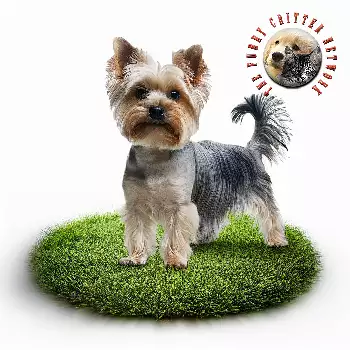

Yorkie

Yorkshire Terrier
Gallery coming soon

Furry Critter Network Etsy Shop

Quick Facts

🐕 Breed Group
Toy Group
📏 Size Category
Toy
📏 Height
7-8 inches
⚖️ Weight
Up to 7 pounds
⏱️ Life Expectancy
11-15 years
🧥 Coat Type
Long, silky, straight
🎨 Coat Colors
Blue and Tan, Blue and Gold, Black and Tan, Black and Gold
😀 Temperament
Spirited, Affectionate, Feisty, Intelligent
🏃 Exercise Needs
Low to Moderate
🎓 Training Difficulty
Moderate
👶 Good with Children
Better with older children
🐾 Good with Other Pets
With proper introduction

Other Names & Breed Recognition

The Yorkshire Terrier is affectionately known by several names that reflect both its heritage and its beloved status among dog enthusiasts worldwide. The most common nickname is simply Yorkie, a term of endearment that has become nearly as recognizable as the breed's official name. This abbreviated version captures the friendly, approachable nature of these tiny dogs while acknowledging their Yorkshire origins. The name Yorkie has become so universally accepted that it appears in casual conversation, breed club communications, and even some official documentation.

Historically, before the breed received its official designation, these dogs were known by various names that reflected their Scottish roots and working-class origins. They were initially called Broken-Haired Scotch Terriers, a name that acknowledged the Scottish weavers who brought the breed's ancestors to Yorkshire during the Industrial Revolution. This name was used in early dog shows during the 1860s when the breed was still developing its distinctive characteristics. The term Broken-Haired referred to the unique texture of their coat, which differed from the smooth-coated terriers popular at the time.

Another historical name was the Toy Terrier, which emphasized the breed's diminutive size and placement within the terrier family. Some early fanciers also referred to them as Scotch Terriers, though this created confusion with other Scottish breeds and was eventually abandoned. The name Yorkshire Terrier was officially adopted around 1870, recognizing the significant development and refinement of the breed that occurred in the Yorkshire region of England.

In various countries and languages, the Yorkie is known by translated or adapted versions of its name. In German-speaking countries, they may be called Yorkshire Terrier or simply Yorkie. French speakers use Yorkshire Terrier or Terrier du Yorkshire. Spanish-speaking regions know them as Yorkshire Terrier or Yorkie. This international consistency in naming reflects the breed's worldwide popularity and the universal recognition of its distinctive appearance and personality.

The breed's recognition by major kennel clubs has solidified its status as one of the most beloved toy breeds globally. The American Kennel Club first registered the Yorkshire Terrier in 1885, just one year after the AKC's founding, making it one of the earliest recognized breeds in America. The breed quickly gained popularity among American dog fanciers who admired its elegant appearance and spirited personality. Today, the Yorkie consistently ranks among the top ten most popular breeds registered with the AKC, a testament to its enduring appeal.

The United Kennel Club recognized the Yorkshire Terrier in 1956, classifying it within the Companion Dog Group. This recognition highlighted the breed's evolution from a working ratter to a cherished companion animal. The UKC standard emphasizes the breed's well-balanced appearance, distinctive coat, and alert terrier temperament. The Canadian Kennel Club has recognized the Yorkshire Terrier since 1889, placing it in Group V: Toys. The CKC was among the earliest North American organizations to officially acknowledge this charming breed.

Yorkie Organizations & Standards

The Yorkshire Terrier Club of America serves as the parent club for the breed in the United States and works closely with the American Kennel Club to maintain breed standards and promote responsible breeding practices. Founded to preserve and protect the Yorkshire Terrier, this organization provides educational resources for breeders and owners, hosts specialty shows, and supports health research initiatives. The club maintains a comprehensive code of ethics that members must follow and offers referral services to help prospective owners find reputable breeders.

In the United Kingdom, the Yorkshire Terrier Club was established in 1898 and remains the primary breed club in the breed's country of origin. This historic organization has played a crucial role in developing and maintaining the breed standard that serves as the foundation for standards worldwide. The club hosts championship shows, provides breeder education, and works to preserve the breed's heritage while addressing modern health and welfare concerns. Lady Edith Wyndham-Dawson served as an early secretary of the club and significantly influenced the breed's development during the Victorian era.

The Fédération Cynologique Internationale, the world's largest international federation of kennel clubs, recognizes the Yorkshire Terrier under Standard Number 86, classifying it within Group 3 Terriers, Section 4 Toy Terriers. The FCI standard, while based on the original British standard, provides detailed specifications that are used by member countries throughout Europe, South America, Asia, and other regions. This international recognition ensures consistency in breeding goals and show judging across dozens of countries.

Breed standards across all major kennel clubs share fundamental similarities while occasionally differing in minor details. All standards agree that the Yorkie should present a well-balanced, long-coated toy terrier with a steel blue and tan coat of silky texture. The maximum weight is consistently set at seven pounds, emphasizing the breed's toy classification. The standards describe a compact, well-proportioned body with an upright carriage that conveys confidence and self-importance.

The head should be small and rather flat on top, with a moderately long muzzle that is not too prominent. Eyes are medium-sized, dark, and sparkling with an intelligent expression. The distinctive V-shaped ears should be small, carried erect, and set not too far apart. The bite should be level or scissors, with sound teeth being essential. The black nose completes the facial features specified in all major standards.

Coat quality and color are of paramount importance in the Yorkshire Terrier standard. The coat should be glossy, fine, and silky in texture, hanging straight without any wave. On mature dogs, the coat reaches floor length when shown in full coat. The body color should be a dark steel blue, not silver-blue and never mingled with fawn, bronze, or black hairs. The tan on the head and legs should be a rich, clear shade, darker at the roots and shading to lighter tan at the tips. Puppies are born black and tan, with the coat gradually transitioning to the adult coloring over the first two years.

The Yorkshire Terrier Club of America's breed standard, approved by the AKC, emphasizes that the Yorkie should convey an air of vigor and self-importance. The overall quality, including coat texture and coloring, is considered of prime importance. Movement should be free, with good drive from behind, maintaining a level topline. The tail is traditionally docked to medium length in countries where this practice remains legal, though many international standards now accept natural tails.

Health testing recommendations have become an increasingly important aspect of responsible breeding, though the Yorkie does not currently have extensive required health testing protocols like some other breeds. Breeders are encouraged to screen for eye conditions, patellar luxation, and liver shunts. The breed clubs work with veterinary researchers to identify and address health concerns, promoting practices that will improve the overall health of future generations.

Kennel Club Recognition

  • American Kennel Club (AKC): Recognized in Toy Group (1885)
  • United Kennel Club (UKC): Recognized in Companion Dog Group (1956)
  • Canadian Kennel Club (CKC): Recognized in Group V: Toys (1889)
  • Fédération Cynologique Internationale (FCI): Recognized in Group 3 Terriers, Section 4 Toy Terriers (Standard No. 86)
  • The Kennel Club (UK): Recognized in Toy Group

Yorkie Physical Description

The Yorkie presents a picture of elegant refinement combined with terrier substance, creating a dog that is both beautiful and sturdy within its tiny frame. Despite weighing no more than seven pounds according to breed standards, the Yorkie carries itself with remarkable confidence and poise. The body is neat and compact, well-proportioned without appearing toyish or exaggerated. The overall impression should be of a vigorous, well-balanced toy terrier whose carriage conveys self-importance and alert intelligence.

The head is one of the Yorkie's most distinctive features, being small and rather flat on top without excessive roundness in the skull. The muzzle should not be too long, maintaining proper proportion with the skull. The expression is keen and intelligent, typical of the terrier temperament. The nose is black, and the bite should be either level or scissors, with both being acceptable according to most standards. Sound teeth are essential, though the small jaw can sometimes lead to dental crowding, which requires attention.

The eyes are medium in size, dark in color, and set to look directly forward. They sparkle with a sharp, intelligent expression that reflects the breed's alert nature. The eye rims should be dark, framing eyes that convey both curiosity and confidence. The ears are small, V-shaped, and carried erect, set not too far apart on the head. They are covered with short hair of a deep, rich tan color, and their erect carriage adds to the breed's alert appearance.

The neck is of good reach, blending smoothly into well-laid-back shoulders. This elegant neck carriage contributes significantly to the breed's proud, self-important demeanor. The topline is level, and the body is compact with a moderate spring of rib. The back is short and strong, with the overall body appearing neither cobby nor rangy. The chest has adequate depth to reach the elbows, providing sufficient room for heart and lungs.

The forelegs are straight when viewed from the front, with elbows neither turning in nor out. The hindquarters are moderately angulated when viewed from the side, with straight hocks when viewed from behind. This structure enables the smooth, free movement characteristic of the breed. Feet are round and compact with black toenails, contributing to the neat overall appearance.

The coat is the Yorkie's crowning glory and one of its most distinguishing characteristics. The hair is glossy, fine, and silky in texture, distinctly different from the wiry coats of many other terrier breeds. When kept in full show coat, the hair hangs perfectly straight down each side of the body, reaching floor length on mature dogs. A precise part runs from the base of the skull to the end of the tail, creating the breed's signature appearance. The hair on the muzzle is very long and tied back with a single bow in the center of the head or parted and tied with two bows.

Coat color is critically important and follows a specific pattern. The body coat should be dark steel-blue, not silver-blue and definitely not black. This steel-blue coloring extends from the back of the neck to the base of the tail. The hair on the tail is a darker blue. The head, chest, and legs display a rich, clear tan coloring. The tan is deeper at the roots, lightening toward the tips, and should be free of any dark or sooty hairs. Puppies are born black and tan, and the coat gradually transitions to the adult coloring over approximately 18 to 24 months.

The Yorkie moves with a smooth, flowing gait that demonstrates the breed's structural soundness. When viewed from the front, the legs move straight forward without excessive width or paddling. From behind, the movement is equally clean, with hocks neither turning in nor out. The topline remains level during movement, and there should be good reach in front and strong drive from behind. Despite their diminutive size, well-bred Yorkies cover ground efficiently and move with surprising speed when motivated.

The tail is traditionally docked to a medium length and carried slightly higher than the level of the back. In countries where docking is prohibited, the natural tail should be as straight as possible, well covered with hair of a darker blue than the body. The tail carriage, whether docked or natural, should complement the breed's confident, self-assured demeanor.

Affection Level
The Yorkie forms incredibly strong bonds with their owners and thrives on close companionship. These devoted little dogs love to be near their people constantly and will happily curl up in your lap for hours of snuggling.
Good With Children
Yorkies can be wonderful companions for older, gentle children who understand how to handle small dogs properly. Their tiny size and fragile bones make them vulnerable to injury from rough play, so supervision is essential.
Good With Other Dogs
Despite their diminutive size, Yorkies often exhibit classic terrier boldness and may challenge dogs much larger than themselves. Early socialization helps them learn appropriate canine manners and develop positive relationships with other dogs.
Shedding Level
The Yorkie's hair is more similar to human hair than typical dog fur and sheds minimally. This makes them an excellent choice for those who prefer a cleaner home, though regular grooming is still essential.
Grooming Needs
The Yorkie's beautiful silky coat requires daily brushing to prevent tangles and mats. Show dogs need extensive coat care including wrapping, while pet Yorkies are often kept in shorter, more manageable clips.
Drooling Level
Yorkies are remarkably clean dogs that produce very little drool. Their neat habits and minimal slobber make them ideal companions for those who appreciate a tidy pet that won't leave wet marks on furniture or clothing.
Coat Length
When kept in full show coat, the Yorkie's luxurious hair can reach floor length, creating a stunning, flowing appearance. This magnificent coat requires significant dedication to maintain but showcases the breed's elegant beauty.
Openness To Strangers
Yorkies can be initially reserved with unfamiliar people, often displaying their terrier wariness before warming up. With proper socialization, they become more accepting of new acquaintances while maintaining their alert watchdog nature.
Playfulness
Yorkies retain their playful, spirited nature well into their senior years. They enjoy interactive games, chasing toys, and entertaining their families with their amusing antics and surprising bursts of terrier energy.
Protective Nature
True to their terrier heritage, Yorkies take their watchdog duties seriously and will alert their owners to any unusual activity. Their bold bark belies their tiny size, and they won't hesitate to defend their territory.
Trainability
Yorkies are intelligent and capable learners but possess an independent terrier streak that can make training challenging. Positive reinforcement methods work best with this breed, along with patience and consistency.
Energy Level
Despite their small size, Yorkies have moderate energy levels and enjoy daily walks and play sessions. They adapt well to apartment living but still appreciate opportunities to explore and exercise their curious minds.

Yorkie History & Development

The Yorkie traces its origins to the mid-nineteenth century in the industrial regions of northern England, particularly the counties of Yorkshire and Lancashire. The breed emerged during the height of the Industrial Revolution, a period of massive social and economic change that brought workers from Scotland to the textile mills and coal mines of Yorkshire. These Scottish laborers brought their small terrier dogs with them, setting the stage for the development of one of the world's most beloved toy breeds.

The exact ancestry of the Yorkie remains somewhat obscured by time and the lack of detailed breeding records from that era. However, historians and breed experts believe several terrier breeds contributed to the Yorkshire Terrier's development. The Clydesdale Terrier, named for the valley in the Scottish lowlands, was likely a primary ancestor. This now-extinct breed featured a silky, blue and tan coat remarkably similar to the modern Yorkie. The Paisley Terrier, sometimes considered a variety of the Clydesdale, also contributed its beautiful coat texture and coloring.

Other breeds believed to have influenced the Yorkie's development include the Waterside Terrier, a small blue-gray dog common in the Yorkshire area, and the Old English Black and Tan Terrier. Some authorities suggest that Maltese and Skye Terrier blood was also introduced, with the Maltese possibly contributing to the silky coat texture and the Skye Terrier adding to the overall terrier character. The Manchester Terrier and Dandie Dinmont Terrier have also been mentioned as possible contributors.

In their early years, these terriers served a vital practical purpose in the industrial workplaces of Yorkshire. The small, fearless dogs were expert ratters, keeping the vermin population under control in the coal mines and textile mills where their owners worked. Their diminutive size allowed them to pursue rats into small spaces, while their terrier tenacity made them fearless in confronting their prey. Some Yorkies were also used in the cruel blood sport of rat-baiting, where bets were placed on how quickly a dog could kill a set number of rats in an enclosed pit.

The breed was initially shown under various names, including the Broken-Haired Scotch Terrier and the Toy Terrier. The dogs exhibited in these early shows were considerably larger than today's Yorkies, often weighing ten to fifteen pounds. The name Yorkshire Terrier was officially adopted around 1870, acknowledging the significant development and refinement that had occurred in that region. By 1886, the Kennel Club of England granted the breed official recognition.

One dog stands above all others in Yorkshire Terrier history: Huddersfield Ben, born in 1865 in the town of Huddersfield, Yorkshire. Owned by M.A. Foster, this remarkable dog is considered the foundation sire of the breed and is still referred to as the father of the breed. Despite being relatively large himself at eleven pounds, Huddersfield Ben consistently produced puppies that conformed to the smaller size that would become standard. He won over seventy dog shows and countless ratting competitions, establishing both the breed's show ring success and working ability.

Huddersfield Ben's influence on the breed was profound and lasting. An authority on the breed wrote in 1891 that Ben was the best stud dog of his breed during his lifetime, and one of the most remarkable dogs of any pet breed that ever lived. Most show specimens of the day traced their pedigree to him, and his impact continues to be felt in modern bloodlines. Tragically, Ben died at the young age of six in 1871 when he was struck by a carriage, but his legacy had already been secured.

As the Victorian era progressed, the Yorkie transformed from a working-class ratter into a fashionable pet of the aristocracy. Ladies of high society embraced these elegant little dogs, adorning them with ribbons and carrying them as symbols of refined taste. This transition significantly influenced the breed's development, as breeders began selecting for smaller size and more luxurious coats. The elaborate grooming practices associated with show Yorkies date from this period, when exhibitors displayed their dogs on silk cushions to show off their magnificent coats.

The Yorkie arrived in North America in the early 1870s, with the first specimen registered with the American Kennel Club in 1885. Americans quickly embraced the breed, drawn to its combination of elegant appearance and spirited personality. The breed's popularity fluctuated over the decades, declining during the 1940s when small breeds fell out of favor. However, a remarkable Yorkshire Terrier named Smoky helped revive interest in the breed.

Smoky was found in a shell hole in New Guinea during World War II by an American soldier, William Wynne. Despite her unknown origins, Smoky became a war hero, accompanying troops on combat missions, surviving typhoons, and even helping string a telegraph wire through a narrow pipe under an airstrip. After the war, Smoky and Wynne toured hospitals and appeared on television, capturing the hearts of Americans and sparking renewed interest in the Yorkshire Terrier. Smoky is credited with pioneering animal-assisted therapy and remains one of the most famous dogs in military history.

Today, the Yorkie ranks among the most popular breeds worldwide, consistently appearing in the top ten of AKC registrations. The breed has maintained its devoted following through generations, adapting from ratcatcher to companion while retaining its essential terrier spirit. Modern Yorkies serve primarily as beloved family pets, though some still demonstrate their ancestral hunting instincts when given the opportunity.

Yorkie Temperament & Personality

The Yorkie possesses a temperament that seems far too large for its tiny body, embodying the classic terrier spirit in a pocket-sized package. These diminutive dogs approach life with remarkable confidence and fearlessness, often seeming completely unaware of their small stature. This bold personality, combined with deep devotion to their owners, makes the Yorkie an engaging and entertaining companion that forms strong emotional bonds with family members.

Intelligence ranks high among the Yorkie's personality traits, and these clever little dogs quickly learn to use their wits to get what they want. They are observant and curious, taking keen interest in their surroundings and the activities of their household. This intelligence makes them capable learners, though their independent terrier nature means they may not always choose to comply with requests. Yorkies often seem to be assessing situations and making their own decisions about the best course of action.

The breed's affectionate nature is legendary among devotees, and Yorkies typically form intense bonds with their primary caregivers. They thrive on close physical contact and will happily spend hours cuddled in a lap or nestled beside their owner on the sofa. This desire for companionship means they can suffer from separation anxiety if left alone for extended periods. Yorkies do best in homes where they receive plenty of attention and interaction throughout the day.

Despite their loving nature with family members, Yorkies retain strong protective instincts that manifest in their role as vigilant watchdogs. Their alert nature means they rarely miss any unusual sound or activity, and they are quick to announce the arrival of visitors or any perceived threat. The Yorkie's bark can be surprisingly loud and persistent for such a small dog, which makes early training essential to prevent excessive barking from becoming a nuisance.

The terrier heritage runs deep in the Yorkie's personality, influencing many aspects of their behavior. They can be feisty and spirited, sometimes challenging dogs much larger than themselves without any apparent concern for the size difference. This boldness served their ancestors well when confronting rats in mines and mills, but it can create problems when directed at larger dogs who may not appreciate the challenge. Proper socialization from puppyhood helps Yorkies learn appropriate behavior around other dogs.

Yorkies display a characteristic confidence that borders on cockiness, carrying themselves with an air of self-importance that the breed standard specifically mentions. This attitude is part of their charm, and Yorkie owners often find amusement in watching their tiny companions swagger about as if they own the world. The breed's proud bearing and confident demeanor make them natural show dogs, as they seem to enjoy the attention and admire their own reflection.

The breed's playful nature remains strong throughout their lives, with many Yorkies maintaining puppy-like enthusiasm well into their senior years. They enjoy interactive games, chasing toys, and engaging in amusing antics that entertain their families. This playfulness combines with their intelligence to make them responsive to trick training, and many Yorkies excel at learning an impressive repertoire of behaviors.

Socialization plays a crucial role in developing a well-adjusted Yorkie temperament. Without adequate exposure to various people, places, and situations during puppyhood, these dogs can become overly suspicious or anxious. Some poorly socialized Yorkies develop snappy or nervous behaviors that create problems in various situations. However, with proper early experiences, Yorkies can be friendly and confident companions who adapt well to different environments.

The Yorkie's relationship with children requires special consideration due to the breed's small size and fragile structure. While they can be wonderful companions for older, gentle children who understand how to handle small dogs properly, they are generally not recommended for families with very young children. The risk of accidental injury from rough handling or being dropped is significant, and some Yorkies may react defensively if they feel threatened by unpredictable child behavior.

Owners should understand that the Yorkie's big personality can sometimes lead to behavior challenges if not properly managed. These dogs can become possessive, demanding, or even bossy if their owners fail to establish appropriate boundaries. Consistent training and clear leadership prevent the development of small dog syndrome, where the dog essentially takes charge of the household. A well-trained Yorkie understands its place in the family hierarchy while still maintaining its delightful spirit.

Yorkie Family Life & Living Requirements

The Yorkie adapts remarkably well to various living situations, making it an excellent choice for apartment dwellers and homeowners alike. Their small size means they require minimal space, and they can get adequate exercise within a modest living area. This adaptability has contributed significantly to the breed's popularity in urban environments, where larger dogs might be impractical. However, prospective owners should understand that small size does not mean low maintenance, as Yorkies have specific needs that must be addressed for them to thrive.

Apartment living suits the Yorkie well, provided their exercise and mental stimulation needs are met through daily walks and indoor play sessions. Their low-to-moderate exercise requirements mean a few short walks per day, combined with interactive playtime, generally suffices. However, their tendency to bark at sounds and strangers can create challenges in multi-unit buildings where neighbors may be disturbed. Early training to control excessive barking is essential for harmonious apartment living.

In homes with yards, Yorkies enjoy the opportunity to explore and patrol their territory, though they should never be left unsupervised outdoors. Their small size makes them vulnerable to predators including hawks, owls, and coyotes, even in suburban areas. Fencing should be secure with no gaps large enough for a tiny dog to squeeze through, as Yorkies are surprisingly determined explorers. A securely fenced yard provides a safe area for off-leash play and potty breaks.

The Yorkie's relationship with children varies depending on the individual dog's temperament and the children's ages and behavior. These dogs generally do better with older, calmer children who understand how to handle small animals gently. Young children, with their unpredictable movements and tendency to grab, can frighten or accidentally injure a tiny Yorkie. Families with young children should carefully consider whether a Yorkie is the right choice or whether waiting until children are older might be wiser.

When Yorkies and children do live together, supervision during all interactions is essential. Children should be taught to sit on the floor when holding the dog, reducing the risk of injury from falls. They should learn never to disturb the dog while eating or sleeping and to recognize signs of stress or discomfort. With proper guidance, older children can develop wonderful relationships with Yorkies, sharing in their care and enjoying their entertaining personalities.

Yorkies can coexist peacefully with other pets, though introductions should be handled carefully. Their terrier heritage means some individuals may have strong prey drive toward smaller animals like hamsters, birds, or rabbits. With cats and other dogs, Yorkies often do well when raised together or properly introduced. However, their bold nature can lead them to challenge larger dogs, which can result in injury to the smaller Yorkie. Supervising interactions with significantly larger dogs helps prevent accidents.

The breed's sensitivity to temperature extremes requires attention from owners. Yorkies lack the undercoat that provides insulation for many breeds, making them susceptible to cold weather. In winter, they may need sweaters or coats for outdoor excursions, and their time outside should be limited in very cold temperatures. Similarly, they can overheat quickly in hot weather and should have access to air conditioning and fresh water during summer months.

Housetraining can present challenges with Yorkies, as small breeds often take longer to become reliably trained. Their tiny bladders require frequent bathroom breaks, especially during puppyhood. Consistency, patience, and positive reinforcement are essential for successful housetraining. Many Yorkie owners find that indoor potty options, such as litter boxes or puppy pads, provide helpful backup, particularly in inclement weather or for owners who work long hours.

The Yorkie's need for companionship should factor into family decisions about acquiring one of these dogs. They do not do well when left alone for extended periods and may develop separation anxiety that manifests in destructive behavior, excessive barking, or house soiling. Families where someone is home most of the day or where the dog can accompany its owner to work are ideal environments for this breed.

Travel with a Yorkie is generally manageable due to their small size, and many airlines allow them to ride in carriers under the seat in the cabin. Hotels and vacation rentals that accept dogs can usually accommodate Yorkies easily. Their portable size makes them popular choices for people who want a canine companion that can join them on adventures. However, their small size also means they need protection from being stepped on in crowded places or during travel.

Yorkie Training & Exercise Needs

Training a Yorkie requires an understanding of the terrier temperament combined with consistent, positive methods that engage this intelligent breed's desire to please while respecting its independent nature. These clever dogs learn quickly but may choose when to demonstrate their knowledge, making patience an essential virtue for Yorkie trainers. The key to successful training lies in making sessions fun, brief, and rewarding, as Yorkies respond poorly to harsh corrections or tedious repetition.

Positive reinforcement forms the foundation of effective Yorkie training, with treats, praise, and play serving as powerful motivators. Food rewards work particularly well during initial training phases, though owners should use tiny treats appropriate for the dog's small size to avoid weight gain. High-value rewards reserved for especially challenging tasks help maintain interest and motivation. As training progresses, treats can be phased out gradually while verbal praise and other rewards maintain the behaviors.

Socialization represents one of the most important aspects of raising a well-adjusted Yorkie. Early exposure to various people, places, sounds, and situations helps prevent the development of fearfulness or excessive wariness that can lead to problem behaviors. Puppy socialization classes provide excellent opportunities for controlled exposure to other dogs and people while learning basic manners. The critical socialization period ends around sixteen weeks of age, making early enrollment in classes important.

Basic obedience training should begin as soon as a Yorkie puppy arrives in its new home, using gentle, positive methods appropriate for young puppies. Simple commands like sit, down, come, and stay provide a foundation for communication between dog and owner. Yorkies often excel at learning tricks, which serve the dual purpose of mental stimulation and entertainment. Teaching a repertoire of tricks can help channel the breed's intelligence and energy productively.

Housetraining often proves challenging with Yorkies, and owners should prepare for a longer process than might be expected with larger breeds. The breed's small bladder requires frequent opportunities to eliminate, especially during puppyhood. Establishing a consistent schedule with regular trips outside helps establish good habits. Crate training assists with housetraining by utilizing the dog's natural reluctance to soil its sleeping area, though crate time should be limited appropriately.

Leash training is essential for Yorkies, as their small size and bold nature can lead to dangerous situations if they are not under control during walks. A properly fitted harness is generally preferable to a collar, as it protects the trachea from damage and provides better control. Teaching loose leash walking prevents pulling, which can be particularly problematic given the breed's susceptibility to tracheal collapse.

Barking control deserves attention during training, as Yorkies can become excessive barkers if this tendency is not addressed early. Teaching a quiet command and rewarding calm behavior helps manage this common breed trait. Understanding that barking serves a purpose as an alert allows owners to acknowledge their dog's warning while teaching them to stop on command. Ignoring demand barking prevents inadvertent reinforcement of this annoying behavior.

Exercise needs for Yorkies are moderate compared to many breeds, but meeting these needs remains important for physical and mental health. Daily walks of twenty to thirty minutes, broken into two or more sessions, typically provide adequate physical exercise. The walks also offer mental stimulation through exposure to different sights, sounds, and smells. Indoor play sessions supplement outdoor exercise, especially during inclement weather.

Mental stimulation is as important as physical exercise for this intelligent breed. Puzzle toys that dispense treats engage the Yorkie's problem-solving abilities and provide entertainment during times when owners cannot interact directly. Training sessions themselves serve as mental exercise, and learning new tricks or behaviors keeps the mind active. Rotational use of different toys prevents boredom with any single item.

Agility and other dog sports offer outlets for Yorkies who enjoy more active pursuits. Many Yorkies excel in agility, their small size and quick reflexes allowing them to navigate courses with impressive speed. Rally obedience, trick training competitions, and barn hunt trials also suit the breed well. Participating in such activities strengthens the bond between dog and owner while providing structured exercise and mental challenges.

Consistency in training and daily routines helps Yorkies feel secure and understand expectations. These dogs thrive when they know what to expect from their environment and their people. Inconsistent rules or changing expectations can lead to confusion and behavior problems. All family members should agree on rules and enforce them consistently to prevent the clever Yorkie from exploiting any perceived weaknesses in the system.

Yorkie Health Concerns

The Yorkie enjoys a relatively long lifespan compared to many dog breeds, with most living between eleven and fifteen years when properly cared for. This longevity allows families to enjoy many years with their beloved companions, though it also means committing to their care for an extended period. Understanding the health conditions common to the breed helps owners recognize potential problems early and work with veterinarians to maintain optimal health throughout the dog's life.

Common Health Issues

  • Patellar luxation is one of the most common orthopedic conditions affecting Yorkies, occurring when the kneecap slides out of its normal position in the groove of the thigh bone.
  • Portosystemic shunt, also known as liver shunt, is a congenital condition where blood bypasses the liver, preventing proper detoxification.
  • Signs may include poor growth, abnormal behavior after eating, seizures, or general failure to thrive.
  • Dental disease affects Yorkies at higher rates than many other breeds due to their small jaw size and crowded teeth.
  • The accumulated bacteria from periodontal disease can spread through the bloodstream, potentially affecting the heart, liver, and kidneys.
  • Signs include weakness, trembling, disorientation, and in severe cases, seizures or collapse.

Preventive Care & Health Monitoring

  • This condition causes a characteristic honking cough, especially during excitement, exercise, or when pressure is applied to the throat.
  • Preventive dental care, including daily brushing and regular professional cleanings, helps minimize the impact of this common problem.
  • Regular veterinary check-ups twice yearly allow early detection of developing health problems and help maintain overall wellness.
  • Puppies require a series of vaccinations and should be dewormed according to veterinary recommendations.

With proper preventive care, attention to breed-specific health concerns, and prompt veterinary attention when problems arise, many Yorkies live long, healthy, and happy lives. The breed's longevity means families can enjoy many years of companionship with these spirited little dogs who bring such joy to their owners' lives.

Yorkie Grooming & Maintenance

Grooming represents one of the most significant commitments for Yorkie owners, as the breed's beautiful silky coat requires regular attention to maintain its health and appearance. The level of grooming needed varies considerably depending on whether the coat is kept in full show length or trimmed to a more manageable pet clip. Either way, regular coat care is essential to prevent the tangles and mats that can quickly develop in fine, silky hair and cause discomfort to the dog.

For Yorkies kept in full show coat, daily brushing is absolutely essential. The fine, silky hair tangles easily and can mat within days if neglected. A pin brush or quality bristle brush works well for routine maintenance, while a fine-toothed comb helps detect and remove small tangles before they become larger mats. Many show dog owners wrap the coat in small sections with tissue paper or wrapping paper to protect it from damage and breakage between shows.

Pet Yorkies typically sport shorter haircuts that significantly reduce grooming requirements while maintaining the breed's charming appearance. Popular styles include the puppy cut, which trims the coat to a uniform short length all over the body, and the teddy bear cut, which leaves the hair slightly longer and fuller around the face. Even with shorter haircuts, regular brushing several times per week prevents tangles and keeps the coat healthy.

Bathing frequency depends on the coat length and the individual dog's lifestyle. Show dogs may be bathed weekly or even more frequently, using specialized shampoos and conditioners formulated for silky coats. Pet Yorkies in shorter clips typically need bathing every two to four weeks, though this can vary based on activity level and coat condition. Using quality dog shampoo appropriate for the coat type helps maintain texture and shine.

The hair on a Yorkie's head grows quite long and can irritate the eyes if not managed properly. Traditional styling involves gathering the hair in a topknot secured with a bow, which keeps it out of the dog's face while creating the breed's signature look. For pet dogs, owners may prefer to keep the facial hair trimmed shorter for easier maintenance. Regular trimming of hair around the eyes prevents irritation and allows clear vision.

Ear care is particularly important for Yorkies, as their erect ears can accumulate wax and debris. Weekly examination of the ears helps identify problems early, and gentle cleaning with an ear cleaner formulated for dogs removes excess wax. Hair growing inside the ear canal may need to be plucked to improve air circulation and reduce the risk of ear infections. Signs of ear problems include head shaking, scratching at the ears, odor, or discharge.

Dental care presents special challenges in Yorkies due to their small mouths and tendency toward dental problems. Daily tooth brushing with canine toothpaste helps prevent the accumulation of plaque and tartar that leads to periodontal disease. Starting dental care during puppyhood helps the dog accept tooth brushing as part of the normal routine. Professional dental cleanings under anesthesia may be necessary periodically to address tartar buildup that brushing alone cannot remove.

Nail care should be performed regularly, as overgrown nails can cause discomfort and affect the dog's gait. Small dogs like Yorkies often resist nail trimming, making early positive conditioning important. Many owners find that grinding tools create a smoother finish than clippers and reduce the risk of cutting the quick. If the nails click on hard floors during normal walking, they are too long and need trimming.

Professional grooming services can be invaluable for Yorkie owners who lack the time or skill to manage full coat care themselves. Groomers experienced with the breed understand the specific needs of the silky coat and can maintain either show or pet styles. Regular professional grooming appointments, typically every four to six weeks, keep the coat in good condition and provide opportunities for thorough nail trimming, ear cleaning, and sanitary trims.

The area around the Yorkie's eyes requires attention to prevent tear staining, a common cosmetic concern in light-faced dogs. Regular gentle cleaning with a damp cloth or specialized tear stain remover helps minimize discoloration. Keeping hair trimmed away from the eyes reduces irritation that can increase tear production. Some dietary changes or additives may help reduce tear staining in dogs with persistent problems.