Wachtelhund

German Spaniel
Gallery coming soon

Furry Critter Network Etsy Shop

Quick Facts

🐕 Breed Group
Gun Dog
📏 Size Category
Medium
📏 Height
Males: 19-21 inches, Females: 18-20 inches
⚖️ Weight
40-55 pounds
⏱️ Life Expectancy
12-14 years
🧥 Coat Type
Double coat, wavy or curly, medium to long length
🎨 Coat Colors
Solid brown, brown roan, occasionally red, often with white markings or ticking
😀 Temperament
Lively, passionate hunter, friendly, docile, adaptable, intelligent
🏃 Exercise Needs
Very High
🎓 Training Difficulty
High - intelligent and eager to please
👶 Good with Children
Good with supervision and socialization
🐾 Good with Other Pets
Moderate - strong prey drive requires management

Other Names & Breed Recognition

The Wachtelhund is known by several names that reflect its German heritage and hunting specialization. The breed's official German name, Deutscher Wachtelhund, translates directly to German Quail Dog in English, referencing the breed's particular skill at flushing and hunting quail and other upland birds from dense cover. This name highlights one of the breed's primary functions, though their versatility extends far beyond bird hunting alone. The term Wachtelhund literally means quail dog in German, with Wachtel meaning quail and Hund meaning dog, making the breed's purpose immediately clear to German speakers.

In English-speaking countries, the breed is most commonly known as the German Spaniel, though this name causes some confusion and controversy among breed purists and kennel clubs. In Germany, the breed is specifically not classified as a spaniel but rather as a Stöberhund, a category of flushing and tracking dogs that is distinct from spaniels in the German classification system. The Stöberhund category emphasizes the breed's versatility in tracking and trailing wounded game in addition to flushing and retrieving, setting it apart from breeds developed primarily as bird dogs. The Verein für Deutsche Wachtelhund (VDW), the official German breed club, maintains this classification and does not consider the Wachtelhund to be a true spaniel despite superficial similarities in appearance and some overlapping functions.

This classification distinction has led to interesting nomenclature differences across international kennel clubs. The United Kennel Club initially registered the breed as German Spaniel but later changed the registration to Deutscher Wachtelhund to respect the breed's proper classification and honor the wishes of the German breed club. The American Kennel Club uses the name Deutscher Wachtelhund for the breed's listing in their Foundation Stock Service. However, many English-language publications and casual references continue to use German Spaniel as it is more immediately comprehensible to those unfamiliar with German terminology.

Regionally within Germany, the breed has historically been associated with the areas where founding stock was located, particularly Bavaria where remnants of the ancestral Stöberer breed were found in the late 19th century. Early breeding efforts drew dogs from across Germany, with foundation animals coming from diverse regions including Hannover, each contributing to the modern breed's genetic diversity. Historical records mention specific influential dogs such as Lord Augusta, considered the male from whom most modern Wachtelhunds descend, and Baby auf der Schanze, a female credited with introducing the roan coloration still seen in the breed today. These founding dogs are celebrated within Wachtelhund breeding circles, though they are not widely known outside specialized hunting dog communities. The breed remains virtually unknown to the non-hunting German public, as ownership is restricted almost exclusively to hunters, gamekeepers, and professional hunters who value the breed's exceptional working abilities above all other considerations.

Wachtelhund Organizations & Standards

The Wachtelhund's development as a distinct breed began in the late 19th century when German hunters recognized the need to preserve and recreate the versatile hunting abilities of the Stöberer, an old German hunting breed mentioned in literature as far back as 1719. The Stöberer was renowned for scent-following ability comparable to a Bloodhound's, making it invaluable for tracking game in the dense German forests. Following the Revolutions of 1848 in the German states, common people gained hunting rights previously reserved for nobility, creating demand for a versatile hunting dog that could perform multiple functions rather than requiring separate specialized breeds for different game types.

Frederick Roberth, a prominent German dog breeder, is credited with initiating the systematic recreation of the Stöberer around 1890. Working with remnants of the old breed found in Bavaria, Roberth selectively crossed these dogs with water dogs and sporting spaniels that demonstrated proven passion for hunting, carefully selecting for scenting ability, versatility, and biddable temperament. In 1897, Roberth publicly called for organized breeding efforts to standardize the type, laying crucial groundwork for the modern breed. These early efforts produced dogs capable of hunting all types of game from waterfowl and upland birds to furred animals and even dangerous game like wild boar, fulfilling the need for an all-around hunting companion.

The breed achieved official recognition when it was formally acknowledged as the Wachtelhund in 1903, marking a pivotal moment in breed development. Following this recognition, the Verein für Deutsche Wachtelhund (VDW) was founded on November 3, 1903, coinciding with Hubertustag (St. Hubert's Day), the traditional hunting patron saint's feast day. Initially called the Deutscher Wachtelhund-Klub, the organization took responsibility for maintaining pedigrees, promoting the breed among hunters and foresters, and ensuring breeding stock met standards for both physical type and hunting performance. The VDW established strict requirements that persist today, requiring all breeding dogs to pass ten specific hunting performance tests and submit veterinary-certified hip X-rays before receiving permission to breed, ensuring only dogs proven in the field and free from structural defects contribute to future generations.

In 1910, the VDW adopted the first official breed standard, establishing detailed specifications for type, temperament, and working ability. The club selected eleven foundation dogs (four males and seven females) from across Germany to form the basis of all future breeding, with representatives chosen from different regions including two from Hannover. This careful selection from geographically diverse areas helped establish genetic diversity while consolidating desired characteristics. The first official litter was recorded in 1913, marking the beginning of documented pedigreed breeding. All modern registered Wachtelhunds today trace their ancestry back to these eleven carefully selected foundation animals, creating a genetic bottleneck that required careful management to avoid inbreeding problems while maintaining breed type.

Another influential figure in breed development was Rudolf Friess, who advocated breeding two separate color lines during the mid-20th century. He promoted the idea that brown dogs possessed greater short-distance speed and superior ability to bring game directly to the gun, while brown-roan dogs demonstrated greater long-distance speed and exceptional scent-trailing ability over vast distances. This breeding policy continued for several decades, with breeders selecting for these perceived differences in working style based on color. However, modern breeding programs no longer maintain this distinction, having found no consistent correlation between coat color and working abilities, and contemporary breeders focus on overall versatility regardless of color variation.

International recognition came relatively late in the breed's history. The Fédération Cynologique Internationale recognized the Deutscher Wachtelhund, assigning it FCI Standard Number 104 and placing it in Group 8 (Retrievers - Flushing Dogs - Water Dogs), Section 2 (Flushing Dogs). The United Kennel Club followed with recognition in 1996, classifying the breed in the Gun Dog Group. The American Kennel Club has recorded the breed in their Foundation Stock Service since 2011, representing the first step toward potential full recognition though the breed has not yet achieved regular AKC status. The Continental Kennel Club also recognizes the breed. In Germany, the breed remains tightly controlled with ownership restricted almost exclusively to active hunters, gamekeepers, and professional hunters. The VDW maintains strict policies prohibiting sale to non-hunting individuals, ensuring the breed remains focused on working ability rather than companion dog characteristics, a practice that has helped preserve the Wachtelhund's exceptional hunting prowess across generations.

Kennel Club Recognition

  • American Kennel Club (AKC): Foundation Stock Service only (since 2011) - not fully recognized
  • United Kennel Club (UKC): Recognized in Gun Dog Group (1996)
  • Canadian Kennel Club (CKC): Recognized by Continental Kennel Club
  • Fédération Cynologique Internationale (FCI): Recognized in Group 8, Section 2 - Standard No. 104
  • The Kennel Club (UK): Not recognized

Wachtelhund Physical Description

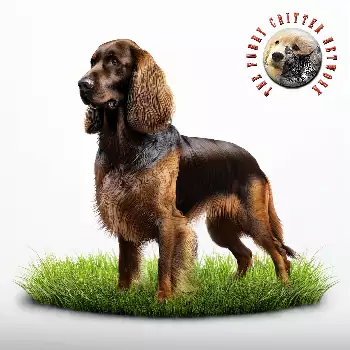
The Wachtelhund presents as a strong-boned, muscular, medium-sized gundog built for power and endurance rather than speed, reflecting its development as a forest hunting dog capable of working through dense cover and difficult terrain. Males stand 19 to 21 inches at the withers, while females measure 18 to 20 inches, with individuals up to three-quarters of an inch over standard still acceptable and not disqualified from breeding programs. Weight ranges from 40 to 55 pounds for both sexes, with males typically falling at the heavier end of the range. The body length from forechest to buttocks measures approximately twice the height at the withers, creating a distinctly rectangular silhouette that is longer than tall but never gives the impression of being high on the leg or lacking substance.

The head represents one of the breed's most distinctive and important features, appearing strong without coarseness and softly contoured without sharp angles. As a whole, the head components combine to produce the breed's characteristic expression described as soft and melting yet dignified, alert, and intelligent. When viewed from either front or side, the skull is arched and slightly flattened at the top, with the brow not appreciably higher than the back skull and without a prominent stop at the eye junction between muzzle and head. The gradual transition from skull to muzzle creates the breed's noble profile. When viewed from above, the skull's sides maintain approximate planes with the muzzle, creating a wedge shape that tapers moderately toward the nose.

The muzzle equals the skull in length, creating the balanced 1:1 proportion specified in breed standards, but appears narrower as is consistent with proper eye placement. In profile, the muzzle is wedge-shaped with tight, dry lips that indicate the dog's ability to carry game without damage. The jaws are strong and capable, demonstrating the breed's capacity to retrieve heavy game such as hares and foxes. The nose is black of medium size, though in white and pale yellow dogs a brownish nose is tolerated. Eyes are medium-sized, slightly oval in shape, and set wide apart, colored brown or hazel depending on coat color. The expression through the eyes conveys the breed's friendly, intelligent nature while maintaining alertness appropriate to a hunting dog.

The ears are one of the breed's most recognizable features, being fairly long and reaching from halfway to the nose or all the way to the tip of the nose depending on individual variation. Set at eye level or slightly below, the ears are mobile and frame the head, covered with longer, curly hair that extends the feathering. Some individuals have ears set higher while others display the more typical spaniel low-hung ears, with lower-set ears being more prone to infection due to reduced air circulation. The ears contribute significantly to the breed's overall appearance and expression.

The Wachtelhund's coat stands as one of its most functional and distinctive features, perfectly adapted for working in water and dense forest cover throughout the year. The double coat consists of short, fine hair on the head transitioning to long, thick, wavy or curly hair on the body with substantial undercoat providing weather protection. The texture is strong and slightly harsh to the touch but not wiry, with natural wave or curl that helps repel water and shed debris. The coat is well feathered with distinct frill on the neck, substantial feathering on the chest, backs of the legs, and tail, creating an elegant appearance while maintaining functionality. During hunting work, the feathering should never be so excessive that it interferes with the dog's ability to move through brush and water.

Coat colors follow specific breed standards with two main varieties recognized. The most common is solid brown in various shades, ranging from liver brown to chocolate brown and occasionally extending to red or fox-red tones. Dogs in this color variety often display white markings on the chest, legs, or toes, and may have white ticking scattered across the body. The second variety is brown roan, where brown and white hairs intermix throughout the coat to create a distinctive speckled or mottled appearance. This roan pattern was introduced by the foundation female Baby auf der Schanze and remains highly prized. Both color varieties are equally acceptable in breed standards, with historical attempts to attribute different working styles to the colors having been abandoned as unfounded. Black hair color represents a disqualification, as it is not present in the breed's genetic makeup and would indicate outcrossing.

Affection Level
The Wachtelhund forms deep, devoted bonds with family members and displays considerable affection toward those in the household. While bred primarily as a working dog rather than a companion, they are warm and loving with their people, enjoying close contact and interaction. They are people-oriented dogs who thrive on being part of family activities.
Good With Children
This breed is generally gentle and patient with children when properly socialized, making them excellent family companions for households with older kids who understand appropriate dog interaction. They can spend hours playing with children of all ages, though they may be better suited for families with older children or adults due to their exuberant energy and size.
Good With Other Dogs
The Wachtelhund is generally friendly with other dogs when properly socialized from a young age, enjoying canine companionship and often getting along well in multi-dog households. They are sociable and intelligent with other dogs, though their strong hunting drive means careful introduction and management with smaller pets is essential to prevent predatory behavior.
Shedding Level
This breed exhibits moderate shedding year-round with seasonal increases during spring and fall when they blow their coat. The thick, wavy double coat produces a steady amount of loose hair that requires regular grooming to manage. During heavy shedding periods, daily brushing becomes necessary to keep the coat healthy and control loose fur in the home.
Grooming Needs
The Wachtelhund requires weekly brushing to maintain the coat in good condition, prevent mats and tangles in the feathering, and remove loose hair and debris. The wavy coat is weather-resistant and relatively low-maintenance, though attention must be paid to the feathered areas on the ears, legs, chest, and tail. Professional grooming is generally not necessary beyond occasional bathing.
Drooling Level
The Wachtelhund exhibits minimal drooling, making it a relatively tidy breed in this regard. Their tight lips and moderate muzzle structure mean they are not prone to excessive salivation under normal circumstances. This characteristic makes them more suitable for those who prefer a cleaner dog without the constant need to wipe drool.
Coat Length
This breed has a medium to long coat with distinct length variations across the body. The hair is short and fine on the head, transitioning to longer, thick, wavy or curly hair on the body with substantial undercoat for protection. Well-feathered areas include the neck frill, chest, legs, and tail, creating an elegant appearance while maintaining functionality for hunting in dense cover.
Openness To Strangers
The Wachtelhund is generally friendly and accepting of strangers, displaying the docile and adaptable nature for which the breed was developed. They are not overly suspicious or aggressive toward unfamiliar people, though they maintain awareness and can serve as watchdogs by alerting to visitors. Their sociable temperament makes them poor guard dogs but excellent companions.
Playfulness
This breed exhibits boundless enthusiasm and a vibrant, playful personality that makes them delightful companions for active families. They maintain a puppy-like love of games and activities well into adulthood, enjoying interactive play, retrieval games, and any activity that engages their body and mind. Their playful nature extends to both work and recreation, approaching tasks with obvious joy.
Protective Nature
While the Wachtelhund will alert to unusual activity with barking, they are not naturally protective or aggressive dogs. Their friendly, docile temperament means they are more likely to greet intruders enthusiastically than to guard against them. They were bred for cooperation and adaptability rather than protection, making them watchdogs rather than guard dogs.
Trainability
The Wachtelhund is highly intelligent and eager to please, making training relatively straightforward for experienced handlers who understand hunting breeds. They learn commands quickly and respond well to positive reinforcement training methods. However, they require firm, confident handling as they may take advantage of weak or inconsistent leadership, and their strong prey drive requires channeling through appropriate activities.
Energy Level
This is an extremely high-energy breed with seemingly endless stamina and enthusiasm for activity. The Wachtelhund was bred to work entire days in the field without tiring, and this exceptional endurance translates to very high exercise requirements in a companion setting. Without adequate physical and mental outlets, they quickly become frustrated and may develop behavioral problems from pent-up energy.

Wachtelhund History & Development

The Wachtelhund's roots extend deep into German hunting dog history, tracing back to the Stöberer, an ancient German breed first mentioned in literature in 1719 and possibly existing for centuries before documented records. The Stöberer earned legendary status among hunters for possessing scenting ability rivaling that of the Bloodhound, allowing it to track game over vast distances and in challenging conditions. These dogs served the aristocracy and ruling classes who held exclusive hunting rights in the German states, functioning as versatile hunting companions capable of finding, flushing, and retrieving various game species in the dense German forests and wetlands that characterized much of the landscape.

The political upheavals of the Revolutions of 1848 in the German states fundamentally altered hunting traditions and created the circumstances that would lead to the Wachtelhund's development. Following these revolutions, common people gained hunting rights previously reserved for nobility, suddenly creating massive demand for capable hunting dogs among a population that could not afford to maintain kennels full of specialized breeds for different game types and hunting styles. The average hunter needed a single versatile dog capable of hunting everything from waterfowl to upland birds to furred game and even dangerous animals like wild boar, all while remaining biddable, trainable, and suitable for family companionship.

By the 1880s, the original Stöberer had become extremely rare, with the breed teetering on the edge of extinction as specialized hunting breeds gained popularity among wealthy sportsmen. Recognizing the imminent loss of these exceptional dogs' unique abilities, a group of German hunters initiated efforts to locate remaining Stöberer specimens and recreate their working qualities through careful selective breeding. Frederick Roberth emerged as the driving force behind these efforts around 1890, traveling throughout Germany and particularly to Bavaria where reports suggested surviving Stöberer dogs might still be found in remote hunting estates and villages.

Roberth's breeding program involved crossing the Stöberer specimens he located with carefully selected water dogs and sporting spaniels that demonstrated proven passion for hunting and strong working ability. The goal was not to create a new breed from whole cloth but rather to recreate and preserve the Stöberer's exceptional qualities while introducing genetic diversity and specific traits like water work enthusiasm and bird-finding ability that would make the dogs even more versatile. In 1897, Roberth made a public call for organized, cooperative breeding efforts to standardize the type being developed, recognizing that individual breeders working in isolation could not maintain the genetic diversity and selection pressure necessary to establish a viable breed.

The breed received official recognition as the Wachtelhund in 1903, with the name explicitly chosen to reflect the dogs' specialty in hunting Wachtel (quail) and other ground-dwelling birds in forest environments. Following this milestone, the Verein für Deutsche Wachtelhund (VDW) was founded on November 3, 1903, coinciding with Hubertustag, St. Hubert's Day, when hunters traditionally gathered to celebrate their patron saint. Initially called the Deutscher Wachtelhund-Klub, the organization immediately began establishing breeding protocols, maintaining pedigree records, and promoting the breed among Germany's hunting community. The club's formation represented crucial institutional support that would guide the breed through subsequent decades.

In 1908, the VDW had developed and implemented its own set of hunting performance tests, establishing the tradition that persists today of requiring all breeding dogs to prove their working abilities before receiving permission to reproduce. These tests evaluate abilities in tracking, flushing, retrieving on land and water, blood trailing, and temperament under various hunting scenarios. By 1910, the VDW had developed and adopted the official breed standard, providing detailed specifications for physical type, coat characteristics, temperament, and working abilities. That same year, the club selected eleven foundation dogs (four males and seven females) from various regions across Germany, with two coming from Hannover and the others representing different geographic areas. These eleven dogs became the genetic foundation for all modern registered Wachtelhunds, with the first official litter recorded in 1913 from these foundation stock matings.

The breed developed steadily through the early 20th century, though both World Wars disrupted breeding programs and caused losses in the breeding population. During the 1960s and 1970s, several Wachtelhunds were exported to the United States, though these early imports were bred only once or twice, producing a total of approximately 17 dogs before the bloodlines died out without establishing a sustainable population. Canadian hunters and guides discovered the breed's exceptional abilities and began importing Wachtelhunds for use in tracking and holding wounded bears and other large game, with several Canadian outfitters maintaining the breed for the past several decades.

In 1994, another pair of Wachtelhunds arrived in the United States, representing renewed American interest in the breed. The United Kennel Club extended recognition in 1996, placing the Wachtelhund in the Gun Dog Group and providing American breeders with a registry and showing opportunities. The American Kennel Club added the breed to its Foundation Stock Service in 2011, representing the first step toward potential full recognition though the breed remains in FSS status today. Despite these developments, the Wachtelhund remains extremely rare outside Germany, with estimates suggesting only about 100 to 150 dogs currently in the United States and Canada combined.

Throughout its history, the Wachtelhund has remained primarily a hunter's dog, with German breed club policies explicitly restricting ownership to active hunters, gamekeepers, and professional hunters. This policy, while controversial to some who appreciate the breed's temperament as a companion, has proven crucial in maintaining working ability as the primary selection criterion rather than appearance or temperament alone. The breed has avoided the fate of many hunting breeds that became primarily show dogs, with working abilities declining as emphasis shifted to physical appearance. Modern Wachtelhunds retain the same exceptional hunting abilities, endurance, and versatility that made the Stöberer legendary centuries ago, ensuring this rare breed continues to serve the hunting community as a valued working partner rather than merely as a historical curiosity.

Wachtelhund Temperament & Personality

The Wachtelhund's temperament reflects centuries of selection for a hunting dog that combines passionate work ethic with friendly, biddable nature suitable for close cooperation with hunters. This breed exhibits a lively, vibrant personality characterized by boundless enthusiasm for work and play, approaching tasks with obvious joy and determination that makes them delightful companions for active, outdoor-oriented families. They are described as friendly, assured, and very docile, displaying neither nervousness that would make them unreliable in stressful hunting situations nor aggression that would make them dangerous around people or other animals. The breed's adaptability allows them to transition smoothly between intense hunting work and calm family companion roles.

As hunters, Wachtelhunds possess a strong desire to find game, demonstrating firm tracking abilities and reliability at giving tongue (barking to announce game location). They have fine noses with scenting prowess often compared to Bloodhounds, enabling exceptional ground and air scent tracking. When game is distant, they hunt with a high nose like a Pointer, transitioning to close ground scenting like a hound when approaching the source. Unlike true hounds, however, Wachtelhunds can be called off a trail and will return to their master, demonstrating the controlled hunting style and bidability essential for cooperative hunting. They like retrieving and water work, showing particular enthusiasm for swimming in conditions from comfortable to near-freezing temperatures, diving into water immediately after ice breaks up in spring.

The breed's hunting style combines independence with control, working autonomously to locate and flush game while remaining responsive to handler direction when appropriately trained and guided. They are sharp on game and vermin, pursuing hares, foxes, and upland birds with determination while maintaining soft mouths suitable for retrieving undamaged game. Wachtelhunds prefer to hunt alone rather than in packs, naturally working in an arc pattern before the hunter and bringing game back toward the gun. While aggressive in pursuit of game, they transition to gentle, loyal family dogs when not hunting, demonstrating the versatility for which the breed was developed.

Intelligence stands out as a defining characteristic of the Wachtelhund, with these dogs being exceptionally clever and capable of learning complex tasks quickly. They are eager to please and respond enthusiastically to training, taking on most training tasks with obvious enjoyment. However, their intelligence comes with an independent streak inherited from generations of dogs bred to make autonomous decisions while hunting at distance from handlers. A German saying warns that a Wachtelhund will abuse any weakness you provide, meaning these smart dogs quickly learn to exploit inconsistent or uncertain handling. They require firm but gentle leadership from confident owners who establish clear rules and maintain them consistently.

Within the family structure, Wachtelhunds are people-oriented, being friendly, intelligent, and sociable with household members. They form deep bonds with their families and thrive on being part of household activities rather than being relegated to outdoor-only living. Despite their breeding as working dogs first and foremost, they are not the reserved, aloof hunters some working breeds become, instead displaying warm affection and enjoying close contact with family members. They are kind and gentle indoors when raised correctly, capable of settling calmly in the home environment despite their high energy levels during work or exercise periods.

With children, Wachtelhunds can be excellent companions when properly socialized and when children understand appropriate interaction with an energetic, medium-sized dog. They can spend hours playing with children of all ages, though they are best suited for families with older children or adults who can participate in the dog's training and exercise routines. Their exuberant nature and enthusiasm for play mean they may overwhelm or accidentally knock over very small children, requiring supervision during interactions. Early socialization and gradual introduction to children help ensure positive relationships develop.

The Wachtelhund's relationship with other animals requires thoughtful management due to their strong prey drive and hunting instincts. They are generally friendly with other dogs when properly socialized from young age, enjoying canine companionship in multi-dog households. However, their breeding as hunting dogs means smaller animals like cats, rabbits, and other small pets trigger chase instincts, potentially leading to tragedy if the dog is not raised with these animals from puppyhood or carefully managed. Even well-socialized individuals may not be trustworthy around small animals, particularly when prey drive is triggered by running or squeaking sounds.

Overall, the Wachtelhund presents as a true working dog with boundless enthusiasm, friendly temperament, exceptional intelligence, and the versatility to excel at multiple hunting tasks while transitioning seamlessly to devoted family companion. They are happiest in homes that can provide them with both the work they were bred for and the family companionship they crave, thriving when given clear leadership, adequate exercise, and purposeful activities that engage their considerable mental and physical abilities.

Wachtelhund Family Life & Living Requirements

The Wachtelhund presents both tremendous rewards and specific challenges as a family companion, requiring owners who understand and can accommodate the needs of an intensely driven hunting breed with exceptional energy and working instincts. These dogs do best living in the home rather than in outdoor kennels, as they are social animals who need regular contact with family members to maintain their mental and emotional well-being. Despite their breeding as working dogs, Wachtelhunds are very loyal and thrive in social atmospheres where they feel integrated into family life. They can be kept in kennels if necessary, but require substantial daily interaction with people to prevent loneliness and the behavioral problems that develop when their social needs go unmet.

In the home environment, properly raised and exercised Wachtelhunds are gentle, well-mannered, and surprisingly calm indoors despite their reputation as high-energy hunting machines. They learn household rules readily and take pleasure in being good companions, settling quietly when their exercise needs have been met. However, their medium-to-long wavy coat requires regular maintenance and can track in mud, water, debris, and vegetation from outdoor activities, meaning owners must be prepared for increased housekeeping demands. The breed sheds moderately year-round with seasonal increases, producing enough loose hair that regular vacuuming becomes necessary to keep living spaces clean.

The ideal living situation for a Wachtelhund includes substantial space for exercise and exploration, with secure fencing essential to contain a dog whose nose can lead them astray when interesting scents present themselves. Their hunting instinct compels them to follow tracks, which may lead them away from familiar environments if the property is not well secured with sturdy fencing at least six feet tall. In rural locations with adequate space, Wachtelhunds can be walked off-leash as they will range into woods and fields but regularly check in with their master, demonstrating reliable recall when properly trained. However, in urban or suburban settings, they must be leashed during walks to prevent them from chasing cats, squirrels, or other small animals that trigger their considerable prey drive.

Wachtelhunds can adapt to city living if their exercise needs are met, but this represents a significant challenge as they require a good amount of daily exercise far exceeding what most urban environments easily provide. They love water and are excellent retrievers, making frequent swimming opportunities ideal for burning energy while building strength and endurance. They will eagerly enter water right up to freezing temperatures and immediately after ice breaks up in spring, demonstrating their enthusiasm for water work. Without adequate exercise and mental stimulation, these dogs quickly become frustrated, manifesting behavioral problems including destructive chewing, excessive barking, attempts to escape confinement, and even aggression born of pent-up energy and boredom.

With children in the family, Wachtelhunds can be wonderful playmates and companions when properly socialized from puppyhood and when children are taught to interact respectfully with dogs. These dogs can spend hours playing with children of all ages, showing patience and gentleness appropriate to a family dog. However, their considerable energy, strength, and exuberant play style mean they may be better suited for families with older children or adults who understand how to safely interact with medium-sized dogs and can participate in the dog's exercise and training routines. Very young children require supervision around these dogs to prevent accidental knockdowns during play and to ensure both child and dog learn appropriate boundaries.

The Wachtelhund's compatibility with other pets varies significantly based on early socialization and the species involved. With other dogs, most Wachtelhunds are friendly and accepting when properly introduced, often enjoying the companionship of other canines in the household. They are sociable and intelligent with appropriate dog-to-dog social skills when raised with good experiences. However, their strong hunting drive and sharp instincts around game and vermin make them potentially dangerous to cats, rabbits, guinea pigs, birds, and other small pets unless they were raised with these animals from puppyhood. Even then, some individuals cannot be trusted around small animals regardless of training, as prey drive can override learned inhibitions when triggered by running or prey-like behavior.

This breed is decidedly not suitable for sedentary families, apartment dwellers without access to substantial exercise areas, or first-time dog owners who may underestimate the demands of a working hunting breed. Wachtelhunds need active, outdoor-oriented families who can provide one to two hours or more of vigorous daily exercise including long walks, hikes, swimming, field work, or hunting activities that allow them to use their natural abilities. They are happiest in homes with hunters who can provide them with the work they were bred for, but can adapt to active non-hunting families willing to substitute with dog sports such as tracking, nosework, hunt tests, or field trials that engage their hunting instincts constructively.

The ideal Wachtelhund owner possesses experience with hunting or sporting breeds, understanding their needs for both intense physical exercise and mental challenges. These owners establish clear, consistent leadership while using positive training methods that respect the dog's intelligence and working heritage. They provide structure and routines that give the dog purpose and direction while offering the affection and companionship these social dogs crave. For families meeting these criteria, the Wachtelhund offers extraordinary loyalty, tireless enthusiasm, impressive working abilities, and devoted companionship, making them treasured members of households that appreciate their unique blend of hunting prowess and friendly temperament.

Wachtelhund Training & Exercise Needs

Training the Wachtelhund requires understanding the breed's exceptional intelligence, eagerness to please, and strong hunting drive that influences their approach to learning and cooperation. These dogs are highly trainable when handled correctly, learning commands and complex tasks with impressive speed and enthusiasm. Intelligent pups, they easily grasp what handlers want and respond well to positive reinforcement techniques including treats, praise, and play rewards. However, their breeding as independent working dogs capable of making autonomous decisions while hunting means they possess an independent streak that can manifest as stubbornness when they don't see the logic in following particular commands or when leadership appears weak or inconsistent.

The most successful training approach combines firm, confident handling with gentle, patient methods that respect the dog's intelligence and working heritage. Wachtelhunds respond enthusiastically to handlers who establish clear leadership and maintain consistent rules, but they will exploit any weakness or uncertainty in leadership, true to the German saying that a Wachtelhund will abuse any weakness you provide. Harsh corrections, punishment-based training, or heavy-handed approaches typically backfire, causing these sensitive dogs to shut down, lose confidence, or become resistant to cooperation. Instead, positive reinforcement methods that make training enjoyable while maintaining clear expectations produce dogs who are both obedient and enthusiastic workers.

Early socialization represents a critical component of raising a well-adjusted Wachtelhund, exposing puppies to diverse people, animals, environments, sounds, and situations during their formative weeks and months. This exposure helps them develop into confident, stable adults who can distinguish between normal occurrences and genuine threats, preventing the development of fear-based behavioral problems. Puppy kindergarten classes provide excellent socialization opportunities while teaching basic obedience in a controlled environment with professional guidance. Ongoing training throughout the dog's life maintains their skills and provides the mental stimulation these intelligent dogs require to remain engaged and content.

Given the breed's strong prey drive and sharp instincts around game and vermin, careful management and training become essential for preventing problems with small animals. While socialization can improve a Wachtelhund's ability to coexist with household pets, it cannot override genetic hunting instincts when prey-like behavior triggers chase responses. Owners must remain realistic about limitations and implement management strategies including secure fencing, leashed walking in areas with wildlife or small pets, and supervision around any animals that might trigger predatory behavior.

Exercise requirements for the Wachtelhund are substantial, reflecting the breed's development as a tireless hunting dog capable of working entire days in demanding terrain without flagging. These dogs possess boundless enthusiasm, seemingly endless energy reserves, and a strong desire to work that demands daily outlets for both physical exertion and mental engagement. A minimum of one to two hours of vigorous daily exercise is necessary to maintain the breed's physical and mental health, though many individuals require even more activity to remain truly content. Inadequate exercise quickly leads to behavioral problems as frustrated dogs seek outlets for their considerable energy through destructive chewing, digging, excessive barking, or attempts to escape confinement.

The ideal exercise program for a Wachtelhund includes activities that engage both body and mind while allowing the dog to use natural hunting abilities. Long walks or jogs provide basic physical conditioning but should be supplemented with more engaging activities that challenge the dog's problem-solving abilities and working instincts. Hiking through varied terrain, particularly wooded areas where the dog can investigate scents and navigate obstacles, provides excellent mental and physical stimulation. Swimming ranks among the best exercises for this water-loving breed, offering low-impact cardiovascular conditioning that builds strength and endurance while satisfying their enthusiasm for water work.

For owners interested in dog sports, Wachtelhunds excel in activities that showcase their hunting heritage and scenting abilities. Tracking and nosework competitions allow them to demonstrate their exceptional scenting prowess while working cooperatively with handlers. Hunt tests and field trials designed for flushing dogs provide opportunities to work on game birds in controlled settings, satisfying hunting drive constructively. Barn hunt, which involves locating rats safely enclosed in tubes hidden in hay bales, engages prey drive while teaching control and teamwork. Some Wachtelhunds even participate in agility, obedience, or rally competitions, though their independent nature and strong scenting drive can present challenges in precision sports where strict heel work is required.

Hunting remains the ultimate fulfillment for the Wachtelhund, allowing them to perform the specialized tasks for which they were selectively bred over more than a century. Owners who hunt can involve their Wachtelhund in pursuing diverse game including upland birds like quail and pheasant, waterfowl, furred game such as hares and foxes, and even large dangerous game like wild boar and bears. The breed's versatility allows them to flush birds from dense cover, retrieve shot game from land or water, blood trail wounded deer and boar for distances measured in miles, and hold dangerous game at bay until hunters arrive. They work with high nose when game is distant, transitioning to ground scenting when closing on quarry, demonstrating the adaptability that makes them so valuable to hunters seeking a single dog capable of multiple functions.

For non-hunting owners, providing activities that simulate hunting satisfies the breed's drive while channeling it constructively. Hide-and-seek games where family members hide and the dog must find them engage scenting abilities and problem-solving skills. Scent discrimination games using hidden treats or toys challenge mental abilities while rewarding success. Retrieval games with bumpers or training dummies simulate hunting retrievals, particularly when practiced in water or varied terrain. These substitutes cannot fully replace actual hunting for a dog bred specifically for that purpose, but they provide outlets that prevent the behavioral problems stemming from completely unfulfilled drives. Puzzle toys and food-dispensing toys offer mental challenges during times when physical exercise isn't possible, though these supplement rather than replace adequate daily activity that meets this exceptional breed's considerable energy and working needs.

Wachtelhund Health Concerns

The Wachtelhund is generally considered a healthy breed with relatively few significant genetic health concerns, benefiting from selective breeding practices focused on working ability and the German breed club's strict requirements for health screening before breeding permission is granted. With proper care, nutrition, and preventive health maintenance, these dogs typically enjoy a lifespan of 12 to 14 years, which is respectable for a medium-sized working breed. The breed's moderate gene pool

Common Health Issues

  • The Wachtelhund is generally considered a healthy breed with relatively few significant genetic health concerns, benefiting from selective breeding practices focused on working ability and the German breed club's strict requirements for health screening before breeding permission is granted.
  • Hip dysplasia represents a potential hereditary joint disorder in the Wachtelhund, characterized by malformed hip joints that can lead to pain, lameness, and arthritis over time, though it is relatively rare in the breed compared to larger working dogs due to rigorous screening requirements in Germany and among responsible breeders worldwide.
  • Elbow dysplasia also occurs in the breed, with seven Wachtelhunds in North America documented to have elbow disease, all from the same bloodline that represents approximately one-third of all Wachtelhunds in America, demonstrating the importance of screening and avoiding affected lines.
  • Progressive retinal atrophy (PRA) is an inherited eye condition that can occur in the Wachtelhund, leading to gradual vision loss and eventual blindness, though responsible breeders conduct genetic testing to minimize the risk of passing on this condition.
  • Epilepsy affects some individuals in the breed, characterized by intermittent seizures that can vary widely in severity, typically first appearing in young to middle-aged dogs.
  • Patellar luxation occurs when the kneecap slips out of place, causing pain and potentially leading to arthritis, requiring weight management and regular veterinary monitoring with severe cases potentially requiring surgical intervention.

Preventive Care & Health Monitoring

  • The Wachtelhund is generally considered a healthy breed with relatively few significant genetic health concerns, benefiting from selective breeding practices focused on working ability and the German breed club's strict requirements for health screening before breeding permission is granted.
  • Progressive retinal atrophy (PRA) is an inherited eye condition that can occur in the Wachtelhund, leading to gradual vision loss and eventual blindness, though responsible breeders conduct genetic testing to minimize the risk of passing on this condition.
  • Patellar luxation occurs when the kneecap slips out of place, causing pain and potentially leading to arthritis, requiring weight management and regular veterinary monitoring with severe cases potentially requiring surgical intervention.
  • Regular veterinary check-ups allow early detection of potential health issues before they become serious, enabling timely intervention that can significantly improve outcomes and quality of life for affected dogs.

Health screening including hip and elbow evaluations through OFA or equivalent programs, cardiac examinations, and eye assessments including genetic testing for PRA helps identify potential issues in breeding stock, allowing responsible breeders to make informed decisions that improve overall breed health. With attentive preventive care, selection of puppies from health-tested parents, and prompt attention to health concerns, the Wachtelhund can live a long, active life as a cherished hunting partner and devoted family companion, maintaining the robust constitution and working ability that has characterized this versatile German breed for over a century.

Wachtelhund Grooming & Maintenance

The Wachtelhund's grooming requirements are moderate and manageable for owners willing to commit to regular maintenance routines that keep the coat healthy and functional. The breed's medium-to-long wavy or curly coat with substantial undercoat provides excellent weather protection and requires weekly brushing to maintain good condition, prevent mats and tangles, and remove loose hair and debris accumulated during outdoor activities. A pin brush works well for general coat maintenance, while a slicker brush effectively removes loose undercoat during seasonal shedding periods. The feathered areas on the ears, neck, chest, legs, and tail require particular attention as these longer hairs are prone to tangling and mat formation if neglected.

Seasonal shedding occurs twice yearly in spring and fall when the breed blows its coat, losing substantial amounts of undercoat as it transitions between summer and winter coats. During these peak shedding periods, daily brushing becomes necessary to manage the volume of loose fur and prevent it from forming mats close to the skin. An undercoat rake or de-shedding tool proves invaluable during heavy shedding, efficiently removing the thick undercoat while leaving guard hairs intact. Regular brushing during shedding season also prevents loose hair from accumulating throughout the home, making housekeeping more manageable for owners of this moderately shedding breed.

Bathing requirements for the Wachtelhund are minimal under normal circumstances, with most individuals needing bathing only every few months or when they get particularly dirty from hunting or outdoor activities. Over-bathing strips natural oils that provide the coat's weather-resistant properties and can lead to dry, irritated skin. The breed's coat possesses self-cleaning properties that allow dirt to shed naturally once dry, meaning minor soiling from outdoor activities often resolves without bathing. When bathing becomes necessary, using a gentle dog-specific shampoo formulated for longer coats helps maintain coat and skin health. Thorough rinsing removes all shampoo residue that could cause irritation or attract dirt, and complete drying prevents moisture from becoming trapped in the dense coat where it could lead to hot spots or fungal issues.

The hair between the toes requires regular trimming, particularly during winter conditions with substantial snow. This hair can mat with ice balls, snow, mud, or debris, causing discomfort and affecting the dog's gait. Trimming this hair flush with the pads prevents accumulation while maintaining the protective qualities of the foot coat. Some owners also trim excessive feathering on the legs and belly if the dog works in particularly dense cover or thorny vegetation, though excessive trimming changes the breed's characteristic appearance and may reduce weather protection.

Ear care represents a critical grooming consideration for the Wachtelhund, as their moderate-length, well-feathered ears require regular inspection and cleaning to prevent infections. The breed shows variation in ear set, with some individuals having ears set higher while others display typical low-hung spaniel ears. Dogs with lower-set ears face increased infection risk due to reduced air circulation in the ear canal. Weekly ear checks looking for redness, odor, or excessive wax buildup allow early detection of developing problems. When cleaning becomes necessary, using a veterinarian-approved ear cleaning solution and cotton balls to gently wipe the outer ear canal removes debris and excess wax. After hunting or swimming, checking and drying the ears helps prevent moisture-related infections common in dogs with pendant ears.

Nail trimming should occur every three to four weeks or as needed based on wear patterns and the dog's activity level. Dogs who spend significant time on rough surfaces may wear nails naturally and require less frequent trimming, while those primarily exercising on soft ground need more regular attention. Overgrown nails can cause discomfort, affect gait, and potentially lead to problems running or walking, making them particularly problematic for active hunting dogs who depend on sure-footedness in challenging terrain. Using quality nail clippers or a grinding tool, trim nails carefully to avoid cutting the quick, which causes pain and bleeding.

Dental care, while often overlooked, significantly impacts overall health and longevity. Brushing teeth several times weekly using dog-specific toothpaste and a soft-bristled brush prevents tartar buildup, gum disease, and the systemic health problems that can result from bacteria entering the bloodstream through diseased gums. Dental chews and appropriate chew toys supplement brushing by mechanically removing plaque, though these aids should never replace regular brushing. Despite diligent home care, professional dental cleanings by a veterinarian become necessary periodically as tartar accumulates below the gum line where brushing cannot reach. Eyes should be inspected and flushed after hunting to eliminate seeds or debris that could cause irritation or injury, particularly when working in fields with grass seeds or other vegetation that can penetrate the eye.