Tosa Inu

Tosa

Quick Facts

🐕 Breed Group
Working Group
📏 Size Category
Giant
📏 Height
Males: 24+ inches, Females: 22+ inches
⚖️ Weight
Males: 130-200 lbs, Females: 90-140 lbs
⏱️ Life Expectancy
10-12 years
🧣 Coat Type
Short, dense, hard
🎨 Coat Colors
Red, fawn, apricot, black, brindle
😀 Temperament
Calm, composed, loyal, protective
🏃 Exercise Needs
Moderate
🎓 Training Difficulty
High (experienced owners only)
👶 Good with Children
Yes, with supervision
🐾 Good with Other Pets
Requires careful management

Other Names & Breed Recognition

Tosa Inu is one of the most widely used names for this powerful Japanese breed, and it is the name that many enthusiasts outside Japan encounter first. The word "inu" is one of two common Japanese readings of the kanji character for dog, the other being "ken." Both are correct, both are used, and neither carries more authority than the other in Japanese language. Tosa Inu simply means "Tosa dog," identifying the breed by its geographic origin in the former Tosa Province, now Kochi Prefecture, on the island of Shikoku. The name is straightforward, descriptive, and free of the controversy that follows some of the breed's other designations.

The breed is known by several other names that each reflect a different aspect of its identity. The FCI recognizes the breed simply as the Tosa. The name Tosa Ken uses the alternate Japanese reading for dog and is equally common in Japanese breed literature. Tosa Token translates to "Tosa fighting dog" and directly references the breed's original purpose. Japanese Mastiff is a Western descriptive name that emphasizes the breed's size and type. The most controversial designation, Tosa Fighting Dog, explicitly references the breed's development for ritualized dog fighting in Japan and has been a factor in breed-specific legislation in several countries.

The FCI classifies the Tosa in Group 2, Section 2.1 as a Molossoid breed of mastiff type. The UKC recognizes the breed under its Guardian Dog Group. The AKC does not fully recognize the Tosa but has recorded it in the Foundation Stock Service. The Kennel Club in the United Kingdom does not recognize the breed, and the Tosa is banned under the UK Dangerous Dogs Act of 1991. Several other countries including Australia, Denmark, Norway, and Iceland also restrict or prohibit Tosa ownership through breed-specific legislation.

Among breed enthusiasts in English-speaking countries, Tosa Inu has become one of the preferred names precisely because it avoids the loaded connotations of "Fighting Dog" while still using the authentic Japanese naming convention. The name signals familiarity with the breed and its heritage without immediately invoking the fighting history that dominates public perception. For many owners and advocates, Tosa Inu represents the breed as it exists today rather than as it was originally developed.

Tosa Inu Organizations & Standards

The Tosa Inu's breed standard is governed internationally by the Federation Cynologique Internationale, which registers the breed as the Tosa under Standard No. 260. The FCI places the breed in Group 2, covering Pinscher and Schnauzer types along with Molossoid and Swiss Mountain and Cattle Dogs, specifically in Section 2.1 for Mastiff type. The standard calls for a dog of imposing stature with a broad head, powerful build, and a dignified temperament. Japan holds designation as the country of origin, and the standard reflects the breed as it developed through the crossing of native Shikoku fighting dogs with several larger Western breeds during the late nineteenth century.

Within Japan, the Japan Kennel Club oversees breed registration and maintains the standard in the country of origin. The Tosa holds a unique cultural position in Japan where traditional dog fighting, though diminishing, still takes place in some regions. This dual identity as both a cultural tradition and a modern companion breed creates a dynamic tension in how Japanese breed organizations approach the Tosa. Japanese-bred dogs are generally smaller and more athletic than their Western counterparts, reflecting the continued influence of traditional breeding priorities in some Japanese kennels.

The United Kennel Club provides recognition for the Tosa Inu within its Guardian Dog Group, offering breeders and owners in North America an avenue for registration, events, and breed documentation. The AKC's Foundation Stock Service records the breed, which is the customary first step on the path toward full recognition. The Tosa Club of America functions as the primary breed advocacy organization in the United States, focusing on responsible breeding practices, owner education, and promoting a positive public image for a breed that faces significant legislative and perception challenges.

Breed organizations for the Tosa Inu carry a responsibility that extends beyond the typical scope of breed clubs. Because the breed is banned or restricted in multiple countries, these organizations serve as critical advocates in legislative discussions, working to distinguish between the breed's historical fighting purpose and the temperament of modern dogs bred for companionship. They also play an important educational role for prospective owners who must navigate complex legal requirements before acquiring a Tosa. Temperament testing programs, mandatory health screening recommendations, and detailed owner education materials are hallmarks of serious Tosa breed organizations worldwide.

Kennel Club Recognition

  • United Kennel Club (UKC): Recognized, Guardian Dog Group
  • FCI: Recognized, Group 2: Pinscher and Schnauzer - Molossoid and Swiss Mountain and Cattledogs

Tosa Inu Physical Description

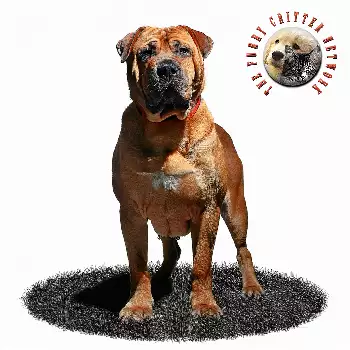
The Tosa Inu is a giant breed that makes a striking visual impression through the combination of massive size, muscular definition, and a composed bearing that suggests restrained power. Males stand at a minimum of 24 inches at the shoulder, with many Western-bred specimens exceeding 27 inches, and they commonly weigh between 130 and 200 pounds. Females are proportionally smaller, generally standing 22 inches or taller and weighing between 90 and 140 pounds. There is a notable size difference between Japanese-bred and Western-bred Tosa Inus, with Japanese dogs typically falling in the 80 to 135 pound range while Western lines trend significantly heavier. This size divergence reflects decades of different breeding priorities across the two populations.

The head of the Tosa Inu is one of its most defining features. It is large, broad, and powerful, with the skull being wide between the ears and the stop being moderately defined. The muzzle is broad and blunt, roughly moderate in length relative to the skull, and ends in a large black nose. The jaws carry tremendous strength, and the teeth meet in a clean scissors bite. The lips display moderate flews, contributing to the breed's characteristic expression. The eyes are dark brown and relatively small in proportion to the massive head, conveying an alert yet composed expression. The ears are set high on the skull, are relatively small for a dog of this size, and lie flat against the cheeks.

A prominent dewlap distinguishes the Tosa Inu from many other mastiff-type breeds. This loose skin fold at the throat is a hallmark of the breed and served a practical purpose during the breed's fighting history by protecting the neck and throat from opponents. The neck itself is thick and heavily muscled, flowing into a broad chest that reaches to or slightly below the elbow. The ribcage is well-sprung, providing ample lung and heart capacity for a breed that requires substantial cardiovascular output to power its massive frame.

The body is rectangular in outline, with the length from shoulder to buttock exceeding the height at the withers. The topline is level and firm, supported by a strong, broad back and muscular loin. The croup slopes gently, and the tail is thick at the root, tapering to a point, and reaches approximately to the hock joint. In repose, the tail hangs naturally. When alert, it rises to a moderate level but does not curl over the back.

The limbs are straight, heavily boned, and carry substantial musculature. The forelegs are well-angulated at the shoulder, and the rear legs show strong angulation at the stifle and hock, providing the driving power necessary for a dog of this mass. The feet are large, compact, and well-padded, equipped to carry the breed's considerable weight effectively.

The coat of the Tosa Inu is short, hard, and dense, lying close against the body and showcasing the muscular contours beneath. This low-maintenance coat comes in several accepted colors, with red being the most prized and common. Fawn, apricot, black, and brindle are also recognized. Small white markings on the chest and toes are tolerated but not preferred in show specimens. The skin is moderately loose over the body, particularly around the head and throat, without the excessive wrinkling seen in some other mastiff breeds.

In movement, the Tosa Inu covers ground with a fluid and powerful stride. The gait shows balanced reach and drive, with the topline remaining stable. For a dog of its bulk, the Tosa moves with notable coordination and agility, reflecting its athletic origins rather than the ponderous gait sometimes associated with giant breeds.

Affectionate With Family
The Tosa Inu shows its love through unwavering loyalty and a desire to remain close to its people. Affection from this breed is expressed quietly, through steady companionship rather than bouncy enthusiasm.
Good With Young Children
Typically patient and tolerant of children within its own family, but the breed's massive size means that all interactions with young children must be closely supervised to prevent accidental injuries.
Good With Other Dogs
Dog-directed assertiveness is a well-documented breed tendency rooted in the Tosa Inu's fighting heritage. Same-sex conflicts are particularly likely, and careful management around other dogs is always necessary.
Shedding Level
The short coat sheds at a moderate level throughout the year, with noticeable increases during spring and fall seasonal transitions. Regular brushing keeps shedding manageable.
Coat Grooming Frequency
The hard, close-lying coat is one of the easiest to maintain among giant breeds. Weekly brushing and occasional attention to skin folds covers the grooming basics for most Tosa Inus.
Drooling Level
Moderate drooling is typical, especially around mealtimes and after drinking water. The breed produces less slobber than many other mastiff types but more than tight-lipped breeds.
Coat Type
Short, dense, and firm to the touch, the coat lies flat against the body and highlights the muscular physique underneath. It provides adequate protection without requiring extensive maintenance.
Openness To Strangers
Reserved and watchful around people it does not know, the Tosa Inu assesses unfamiliar individuals at a deliberate pace. Warmth is reserved for family and trusted acquaintances.
Playfulness Level
Play is measured and deliberate rather than high-energy and sustained. The Tosa Inu may engage in brief play sessions but generally prefers calm interaction over vigorous games.
Watchdog/Protective Nature
Few breeds match the Tosa Inu's natural protective presence. The breed combines imposing physical stature with a calm vigilance that makes it a formidable and reliable guardian of home and family.
Adaptability Level
Stability and routine suit the Tosa Inu best. Frequent changes in environment, schedule, or household composition can create stress in a breed that values consistency and predictable surroundings.
Trainability Level
The Tosa Inu is fully capable of learning but evaluates commands on its own terms before complying. Positive methods and consistent expectations from an experienced handler produce the best outcomes.

Tosa Inu History & Development

The name Tosa Inu connects the breed directly to its geographic cradle in Tosa Province, a region on the southern coast of Shikoku island that has been the center of Japanese dog fighting tradition for centuries. The "inu" suffix is simply the Japanese word for dog, making Tosa Inu the most linguistically neutral of the breed's various names. It identifies the breed by where it comes from rather than what it was bred to do, and this neutrality has made it one of the most commonly used names in international breed discussions.

Dog fighting in Tosa Province has roots stretching back at least to the fourteenth century, when local warriors kept fighting dogs as symbols of martial spirit and competitive honor. The original fighting dogs of Tosa were medium-sized native breeds related to the Shikoku Inu and other Japanese spitz-type dogs. These dogs were tenacious and brave but could not compete in size with the large Western breeds that began arriving in Japan after Commodore Perry's opening of the country in 1853. This realization prompted Tosa breeders to begin a systematic program of outcrossing their native dogs with imported Western breeds.

The crossbreeding program spanned roughly four decades, from the 1860s through the early 1900s. Bulldogs were among the first Western breeds introduced, followed by Mastiffs, Great Danes, Bull Terriers, St. Bernards, and German Pointers. Each breed contributed specific qualities. Bulldogs added tenacity and a lower center of gravity. Mastiffs contributed size and bone. Great Danes brought height and reach. Bull Terriers added agility and fighting intensity. St. Bernards contributed bulk and coat. German Pointers offered athleticism. The resulting breed was dramatically different from the original Tosa fighting dogs, transformed from a medium-sized spitz type into a massive mastiff.

The Tosa Inu's history in the twentieth century was shaped by two world wars and significant social changes in Japan. During World War II, the breed's population was devastated, as large dogs were impossible to feed during wartime shortages. Dedicated breeders preserved small numbers of dogs, and the breed was gradually rebuilt in the postwar period. The Tosa Inu began appearing outside Japan in the latter half of the twentieth century, finding its way to Europe, South America, and eventually North America.

The international spread of the Tosa Inu created two distinct populations with different trajectories. Japanese breeders maintained a smaller, more athletic type, many continuing to breed with fighting performance as a consideration. Western breeders selected for increasingly larger dogs, emphasizing size, temperament stability, and suitability as companions and guardians. These divergent paths have produced two recognizable types within the same breed, a situation that breed organizations continue to navigate. The Tosa Inu's journey from regional Japanese fighting dog to internationally known breed has been complex and sometimes contentious, shaped by cultural traditions, changing social attitudes, and the ongoing challenge of breed-specific legislation that affects Tosa ownership in multiple countries around the world.

Tosa Inu Temperament & Personality

Understanding the Tosa Inu's temperament requires setting aside preconceptions driven by the breed's fighting history and looking at what selective pressure actually produced. Japanese dog fighting valued composure above all else. A dog that snarled, barked, or snapped unpredictably was penalized and excluded from breeding programs. The trait that was prized and perpetuated was controlled determination, the ability to remain calm under pressure while applying steady, purposeful force. This breeding philosophy produced a dog whose defining temperamental quality is not aggression but composure. The Tosa Inu is one of the calmest and most self-possessed large breeds you will encounter.

In the home environment, the Tosa Inu is a quiet and dignified presence. These dogs do not demand constant attention, do not engage in excessive barking, and do not bounce off the walls with unfocused energy. They settle into the rhythms of their household with a maturity that can surprise owners accustomed to more excitable breeds. The Tosa Inu expresses affection through proximity and loyalty rather than through exuberant demonstrations. It will position itself near its favorite family members, follow them from room to room, and maintain a watchful awareness of their activities. This understated devotion is one of the breed's most endearing qualities for owners who value a calm companion.

The Tosa Inu's approach to strangers reflects its guardian heritage. Unfamiliar people are met with measured observation and reserved caution. The dog does not rush to greet newcomers and does not seek approval from people it does not know. A properly socialized Tosa Inu will tolerate the presence of strangers once it determines they are not a threat, but tolerance is the operative word. The warmth and affection the breed shows its family is not extended to the wider public, and visitors who expect an enthusiastic welcome from a Tosa Inu will be disappointed.

Dog-directed behavior is the area that requires the most attention and management from Tosa Inu owners. The breed carries a genetic legacy of assertiveness toward other dogs that manifests to varying degrees across individuals. Same-sex confrontations are a well-documented tendency, and even well-socialized Tosa Inus may not be trustworthy around unfamiliar dogs, particularly in unstructured settings like dog parks. This does not mean the breed cannot live with other dogs. Many Tosa Inus coexist peacefully with canine housemates, particularly when the dogs are of the opposite sex and are introduced carefully. But the potential for conflict is always present, and responsible owners manage this reality rather than hoping it will not apply to their dog.

The breed's sensitivity is often underestimated. Beneath the imposing exterior, the Tosa Inu is perceptive and responsive to the emotional climate of its household. These dogs pick up on tension, stress, and conflict among family members, and they can internalize that emotional environment in ways that affect their behavior. A stable, calm household produces a stable, calm Tosa Inu. A chaotic or tense home environment can produce anxiety and behavioral problems in a breed that thrives on predictability and emotional consistency.

Tosa Inu Family Life & Living Requirements

The Tosa Inu is a breed that requires thoughtful placement in the right home, and prospective owners should evaluate their living situation honestly before committing to this giant breed. Space is the first consideration. A Tosa Inu needs a home with a securely fenced yard of substantial size. These are not apartment dogs, and even a modest suburban lot may feel restrictive for a breed that benefits from room to patrol and move freely. Fencing must be robust enough to contain a dog that can easily exceed 150 pounds, and gates should have reliable latches. The Tosa Inu is not typically an escape artist, but any containment failure with a dog of this size and breed carries serious consequences.

Children and the Tosa Inu can coexist well when the adults in the household maintain appropriate supervision. The breed generally shows patience and gentleness with the children in its own family, extending its protective instincts to include the youngest household members. However, the size differential between a Tosa Inu and a small child creates inherent risks that no amount of good temperament can eliminate entirely. A dog weighing well over a hundred pounds can knock over a toddler without any aggressive intent, simply through normal movement. Supervised interaction is the standard, and children should be taught how to interact respectfully with a dog of this size and temperament.

Inside the home, the Tosa Inu is remarkably quiet and low-key. These dogs spend much of their indoor time resting, observing, and simply being present. They do not typically chew destructively, bark excessively, or engage in the hyperactive behavior that some working breeds display indoors. The breed's calm domestic presence is a significant draw for owners who want a large, imposing dog without the constant management demands that come with high-energy breeds. A Tosa Inu that has received adequate exercise and mental engagement is one of the most peaceful housemates in the giant breed category.

Before acquiring a Tosa Inu, owners must investigate the legal landscape in their jurisdiction. Breed-specific legislation affecting the Tosa exists in numerous countries and municipalities. Failure to comply with these laws can result in the confiscation and destruction of the dog, along with legal penalties for the owner. Homeowner's insurance is another practical consideration, as many insurance companies either exclude coverage for certain breeds or charge substantially higher premiums. These are not minor hurdles, and responsible ownership begins with ensuring that keeping a Tosa Inu is both legal and properly insured in your area.

Tosa Inu Training & Exercise Needs

The Tosa Inu presents a training profile that rewards patience, consistency, and an understanding of independent working breeds. This is not a dog that was developed to take direction enthusiastically. The breed's heritage demanded a dog that could operate on its own assessment of a situation, and that independent thinking carries over into every aspect of the modern Tosa Inu's relationship with training. Commands are understood but compliance is offered selectively, based on the dog's evaluation of whether the request makes sense in context. This is not defiance. It is the operating logic of a breed that was never selected for handler dependence.

Positive reinforcement is the only training methodology that produces reliable results with the Tosa Inu. Food rewards, calm praise, and short varied sessions maintain the dog's engagement without triggering the shutdown response that harsh corrections provoke in this breed. The Tosa Inu has a long memory for perceived unfairness, and a handler who resorts to physical correction or intimidation will find the training relationship permanently damaged. Building trust through consistent, fair interactions is the foundation on which all Tosa Inu training must rest.

Socialization during the critical puppy period is the single most consequential training investment for any Tosa Inu owner. The window for effective socialization closes earlier in guardian breeds than in many other types, and the consequences of inadequate socialization in a breed this large are severe. Puppies should be exposed systematically to a broad range of people, animals, environments, sounds, and experiences. Controlled puppy classes, visits to varied locations, and positive encounters with unfamiliar people and dogs all contribute to developing a Tosa Inu that can navigate the world without unnecessary reactivity.

Exercise requirements for the adult Tosa Inu are moderate and manageable. Daily walks at a steady pace, supplemented by access to a secure outdoor area, meet the physical needs of most individuals. The breed was not designed for marathon running or intense athletic performance but for measured exertion over shorter periods. Puppies and adolescent dogs should be protected from excessive exercise until their skeletal development is complete, as rapid growth in giant breeds creates vulnerability to joint injuries. Mental stimulation through problem-solving toys, scent games, and varied training exercises keeps the Tosa Inu's intelligent mind engaged and helps prevent the boredom-driven behaviors that can emerge in an understimulated dog of any breed.

Tosa Inu Health Concerns

The Tosa Inu is subject to the health challenges that accompany giant breed status, and informed owners prepare for these realities before bringing one of these dogs into their home. The breed's limited genetic diversity outside Japan amplifies certain inherited risks, making careful breeder selection and health screening essential components of responsible Tosa Inu ownership.

Heart disease, specifically dilated cardiomyopathy, appears in the breed at rates that warrant regular cardiac monitoring. Annual veterinary examinations should include auscultation at minimum, with echocardiography recommended for breeding animals. Elbow dysplasia affects some individuals and should be screened alongside hip evaluation. Skin allergies and related ear infections are common enough to be considered breed tendencies, typically managed through dietary adjustments and topical treatments. Hypothyroidism has been documented in the breed and is readily treatable with daily thyroid supplementation once properly diagnosed. The Tosa Inu's expected lifespan falls between 10 and 12 years, which is consistent with other giant breeds. Proactive health management, including appropriate nutrition for giant breeds and attention to the specific vulnerabilities listed above, gives the Tosa Inu the best chance at a full and comfortable life.

Common Health Issues

  • Hip dysplasia - Developmental abnormality of the hip socket causing arthritis and mobility loss
  • Elbow dysplasia - Abnormal development of the elbow joint
  • Gastric dilatation-volvulus (bloat) - Life-threatening stomach torsion demanding emergency surgery
  • Dilated cardiomyopathy - Progressive weakening and enlargement of the heart
  • Hypothyroidism - Insufficient thyroid hormone production causing metabolic slowdown
  • Skin allergies - Environmental or dietary sensitivities causing itching and irritation
  • Entropion - Inward rolling of the eyelid causing corneal damage

Preventive Care & Health Monitoring

  • Radiographic hip and elbow screening for all breeding stock - Radiographic hip and elbow screening for all breeding stock
  • Regular cardiac auscultation and echocardiography for breeding animals - Regular cardiac auscultation and echocardiography for breeding animals
  • Strict weight management throughout the dog's life - Strict weight management throughout the dog's life
  • Multiple smaller daily meals to reduce bloat risk - Multiple smaller daily meals to reduce bloat risk
  • Avoiding strenuous exercise before and after feeding - Avoiding strenuous exercise before and after feeding
  • Controlled exercise during growth to protect developing joints - Controlled exercise during growth to protect developing joints
  • Routine thyroid function testing - Routine thyroid function testing
  • Regular skin fold cleaning to prevent bacterial and yeast infections - Regular skin fold cleaning to prevent bacterial and yeast infections

Tosa Inu Grooming & Maintenance

Grooming the Tosa Inu is among the more straightforward aspects of caring for this giant breed. The short, hard coat lies flat against the body and does not develop the tangles, mats, or debris traps that plague longer-coated breeds. A weekly session with a firm bristle brush or rubber grooming mitt removes dead hair, stimulates the skin, and distributes natural oils across the coat. This minimal routine is sufficient for most of the year. During the spring and fall shedding periods, when the coat turns over more actively, increasing brushing to every other day helps contain the loose hair before it migrates onto every surface in the home.

Bathing the Tosa Inu should be an infrequent event, reserved for times when the dog is genuinely dirty or has developed an unpleasant odor. Bathing every two to three months is a reasonable schedule for most dogs. Over-bathing depletes the coat's natural protective oils and can cause dry, irritated skin. When a bath is necessary, a gentle canine shampoo and thorough rinsing are essential. The Tosa Inu's skin folds, particularly those around the head and neck, require regular attention between baths. These folds can harbor moisture, bacteria, and yeast if not kept clean and dry. A quick wipe with a clean, slightly damp cloth followed by thorough drying should be part of the weekly routine.

Nail maintenance needs to happen every two to three weeks. A giant breed with overgrown nails is a hazard to household floors, furniture, and the skin of family members who interact with the dog. If the nails are not worn down naturally through activity on hard surfaces, regular trimming or grinding keeps them at an appropriate length. Dental health requires consistent attention through brushing, dental chews, or a combination of both, as periodontal disease affects dogs of all sizes and progresses without intervention. The ears should be inspected weekly for redness, discharge, or foul odor, all of which can indicate developing infection. The pendant ear shape limits airflow and creates a warm, moist environment that is favorable to bacterial and yeast growth if not monitored. Routine ear cleaning with a veterinarian-recommended solution prevents most ear problems before they become established.