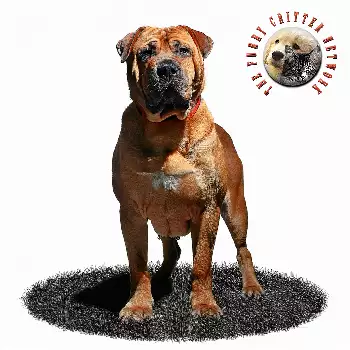
Tosa Fighting Dog

Tosa
Gallery coming soon

Furry Critter Network Etsy Shop

Quick Facts

🐕 Breed Group
Guardian Dog
📏 Size Category
Giant
📏 Height
24-32 inches (males), 21.5-28 inches (females)
⚖️ Weight
100-200 lbs (Western), 66-88 lbs (Japanese)
⏱️ Life Expectancy
10-12 years
🧥 Coat Type
Short, dense, and harsh
🎨 Coat Colors
Red, Fawn, Apricot, Brindle, Black, Black and Tan
😀 Temperament
Calm, Patient, Loyal, Protective
🏃 Exercise Needs
Moderate
🎓 Training Difficulty
Moderate - requires experienced handler
👶 Good with Children
Yes, with supervision due to size
🐾 Good with Other Pets
No - often intolerant of other dogs

Other Names & Breed Recognition

The Tosa Fighting Dog is known by numerous names across different regions and kennel clubs, reflecting its rich heritage and the various cultures that have embraced this remarkable breed. The most common alternative designation is Tosa Inu, with Inu being the Japanese word for dog. Similarly, the breed is called Tosa Ken, where Ken also translates to dog in Japanese. The formal Japanese name Tosa Token combines the regional origin with the traditional term for a fighting dog. In Western countries, this breed is frequently referred to as the Japanese Mastiff due to its mastiff-like appearance and Japanese origin.

The name Tosa itself derives from the Tosa Province, which corresponds to modern-day Kochi Prefecture on the island of Shikoku in Japan. This region served as the birthplace and primary development center for the breed during the late 19th century. The provincial name has become inseparably linked with the breed's identity, regardless of which suffix or designation follows it. The term Japanese Fighting Dog is sometimes used, though this name emphasizes the breed's controversial historical purpose rather than its current role as a companion and guardian.

In Japan, the Tosa Fighting Dog holds a unique cultural position, often described as the canine equivalent of Sumo wrestlers. This comparison extends beyond mere size to encompass the ceremonial treatment and honorific status these dogs receive. Champion Tosa Fighting Dogs in Japan are adorned with elaborate ceremonial aprons and presented with great formality, mirroring traditions associated with successful Sumo wrestlers. The breed is considered a national treasure in its homeland, though this reverence exists alongside the controversial practice of dog fighting that continues in remote regions.

The international recognition of the Tosa Fighting Dog began formally with the Federation Cynologique Internationale in 1964, when the organization granted definitive acceptance to the breed. The FCI classifies the Tosa Fighting Dog under Group 2, which encompasses Pinscher and Schnauzer types, Molossoid breeds, and Swiss Mountain and Cattle Dogs. More specifically, the breed falls within Section 2.1 as a Molossoid of the Mastiff type. This classification acknowledges the breed's physical characteristics and working heritage while placing it among other large, powerful guardian breeds.

The United Kennel Club granted recognition to the Tosa Fighting Dog on January 1, 1998, classifying it within the Guardian Dog Group. This recognition provides American enthusiasts with a legitimate registry for their dogs and establishes breed standards for competition and breeding purposes. The UKC standard emphasizes the breed's stately manner, robust build, and calm vigilant demeanor while acknowledging its historical development from Japanese and Western breeds.

The American Kennel Club currently includes the Tosa Fighting Dog in its Foundation Stock Service program, which serves as an initial step toward potential full recognition. Dogs registered through this program can participate in certain AKC companion events while the breed continues its development toward meeting full recognition requirements. This provisional status has existed since 1997, reflecting the breed's relative rarity in the United States and the ongoing evaluation of breeding programs.

Notably, the Tosa Fighting Dog lacks recognition from several major kennel clubs. The Canadian Kennel Club does not currently recognize the breed, making official registration unavailable in Canada. Perhaps most significantly, the breed is banned in the United Kingdom under the Dangerous Dogs Act, preventing legal ownership and eliminating any possibility of Kennel Club recognition. Similar restrictions exist in Australia, Denmark, Norway, Iceland, Malaysia, and several other countries where breed-specific legislation targets breeds with fighting dog heritage.

Tosa Fighting Dog Organizations & Standards

The Tosa Fighting Dog benefits from dedicated breed organizations and detailed standards that guide responsible breeding practices and preserve the breed's distinctive characteristics. These organizations work to promote the breed positively while acknowledging and addressing concerns stemming from its fighting dog heritage. The establishment of clear standards helps distinguish well-bred specimens from those produced without regard for temperament or health, a critical distinction for a breed facing legal restrictions in multiple countries.

The Federation Cynologique Internationale maintains the primary international standard for the Tosa Fighting Dog under Standard Number 260. This document, published in its current valid form on December 9, 1997, establishes the official parameters for the breed worldwide. The FCI standard describes the general appearance as a large-sized dog with a stately manner and robust build, featuring hanging ears, short hair, a square muzzle, and a hanging tail that is thick at the root. The standard emphasizes that this breed was formerly used for fighting but now serves primarily as a watchdog.

According to the FCI breed standard, the Tosa Fighting Dog should present an overall impression of imposing size combined with dignity, strength, and elegance. The head is described as large with a broad skull and a fairly abrupt stop. The muzzle should be moderately long with a straight nasal bridge, and the jaws must be strong with a scissors bite. The standard specifies that eyes should be rather small and dark brown in color, contributing to the dignified expression characteristic of the breed. Ears are relatively small, thin, and set high on the head, hanging close to the cheeks.

The FCI standard addresses the significant size variation seen in the breed between Japanese and Western specimens. While the standard sets minimum height requirements of 60 centimeters for males and 55 centimeters for females, it notably establishes no maximum height. This flexibility acknowledges that Western-bred Tosa Fighting Dogs often significantly exceed the size of their Japanese counterparts, with Western dogs sometimes weighing twice as much as those bred in Japan. The preferred coat color is solid red, though the standard accepts fawn, apricot, black, and brindle colorations, with slight white markings permitted on the chest and feet.

The United Kennel Club standard for the Tosa Fighting Dog closely parallels the FCI document while incorporating specific American perspectives on the breed. The UKC recognizes the breed within its Guardian Dog Group, acknowledging the breed's role as a protector of home and family in the United States. The standard describes the overall appearance as that of a massive but dynamic and flexible athlete, using the evocative phrase a true canine samurai to capture the breed's essence.

The UKC breed standard provides detailed guidance on acceptable head structure, including specifications for the large, broad skull with its boxy muzzle and clearly observable dewlap. The standard notes that wrinkling on the head becomes particularly visible when the dog is alert. Regarding temperament, the UKC standard emphasizes that the Tosa Fighting Dog should be normally tranquil, quiet, and obedient with a calm but vigilant demeanor. It specifically states that overtly aggressive behavior toward humans is uncharacteristic of the breed and highly undesirable.

The Continental Kennel Club also recognizes the Tosa Fighting Dog and maintains its own breed standard document. This organization acknowledges two color varieties within the breed, the standard variety and the nonstandard variety, providing more detailed color specifications than some other registries. The CKC standard emphasizes the breed's self-composed and self-confident nature while noting the significant responsibility that comes with owning such a powerful animal.

Breed-specific organizations work to educate potential owners about the responsibilities of Tosa Fighting Dog ownership. The Tosa Inu Club of North America serves as a primary resource for enthusiasts in the United States, connecting responsible breeders with suitable homes and promoting ethical breeding practices. These organizations emphasize the importance of health testing, proper socialization, and matching puppies with experienced owners capable of providing appropriate leadership.

The Japan Kennel Club maintains the breed in its registry within the country of origin, though the organization's standards and practices differ somewhat from Western approaches. Japanese breeders have historically focused on different characteristics than their Western counterparts, resulting in the notable size difference between Japanese and Western specimens. The Japan Kennel Club's involvement ensures that the breed maintains its connection to its historical roots while adapting to modern expectations for companion animals.

Kennel Club Recognition

  • American Kennel Club (AKC): Foundation Stock Service - Working Group (not fully recognized)
  • United Kennel Club (UKC): Recognized in Guardian Dog Group (January 1, 1998)
  • Canadian Kennel Club (CKC): Not recognized
  • Fédération Cynologique Internationale (FCI): Recognized in Group 2 (Pinscher and Schnauzer - Molossoid breeds), Section 2.1 Molossoid breeds, Mastiff type
  • The Kennel Club (UK): Banned under Dangerous Dogs Act - not recognized

Tosa Fighting Dog Physical Description

The Tosa Fighting Dog presents an impressive physical specimen that immediately commands attention through its combination of massive size, muscular development, and dignified bearing. This breed epitomizes power restrained by composure, with every physical attribute serving either functional or aesthetic purposes rooted in its development as Japan's premier fighting dog. The overall silhouette suggests both tremendous strength and surprising agility for a dog of such substantial size.

The head of the Tosa Fighting Dog is among its most distinctive features, being notably large and broad with a skull that appears slightly arched when viewed from above. The stop, the transition point between skull and muzzle, is fairly abrupt without being extreme. The muzzle itself is moderately long and squared off, contributing to the breed's characteristic expression of calm determination. Powerful jaws underlie the muzzle, equipped with a complete set of large, evenly spaced white teeth meeting in a scissors bite. The lips are pendulous, creating the flews typical of mastiff breeds.

The breed displays characteristic loose skin that forms wrinkles on the face, particularly visible when the dog becomes alert or attentive. This loose skin extends to form a clearly observable dewlap at the throat, another hallmark of the breed that served historically to protect the vulnerable neck area during fighting. The skin throughout the body is thick and somewhat loose, providing both protection and the flexibility necessary for athletic movement.

The eyes of the Tosa Fighting Dog are rather small to medium in size, dark brown in color, and contribute significantly to the breed's dignified expression. They are set well apart and rimmed with solid black pigment. The relatively small eye size compared to the massive head creates a distinctive appearance that conveys boldness and composure. The ears are medium in size, thin, and set high on the skull. They hang close to the cheeks, reaching to approximately the level of the jaw when the dog is relaxed.

The neck is muscular and powerful, providing support for the massive head while allowing the fluid movement essential to an athletic breed. The dewlap mentioned previously extends along the underside of the neck, a characteristic feature that should be present but not excessive. The neck flows smoothly into well-defined withers that sit high above the level topline of the back.

The body of the Tosa Fighting Dog is slightly longer than tall, creating a rectangular profile when viewed from the side. The back is level and straight, demonstrating the structural soundness essential in a large breed. The loins are broad and muscular, providing the core strength necessary for the breed's impressive physical capabilities. The croup shows a slight arch at the top before descending to the tail set. The chest is broad and deep, with moderately sprung ribs that provide ample room for heart and lung capacity. The belly is well drawn up, contributing to the athletic rather than ponderous appearance.

The tail of the Tosa Fighting Dog is thick at the root and tapers progressively toward the tip, reaching approximately to the hocks when the dog is relaxed. The tail hangs naturally when at rest but may be carried slightly higher during movement or excitement. The thick base provides balance during movement while the tapering prevents the tail from becoming unwieldy.

The legs of the Tosa Fighting Dog are straight, well-boned, and muscular throughout. Front legs display adequate bone without appearing coarse, and elbows are set close to the body. Rear legs show well-developed muscular definition with appropriate angulation at stifle and hock joints. Feet are large and compact with well-arched toes and dark, hard nails. Pads are thick and resilient, capable of supporting the breed's considerable weight during activity.

The coat of the Tosa Fighting Dog is short, dense, and harsh to the touch, lying close to the body throughout. This coat type provides adequate weather protection while requiring minimal maintenance. The preferred color is solid red in various shades from light fawn to deep mahogany. Other acceptable colors include apricot, fawn, brindle in various patterns, and black. Slight white markings on the chest and feet are permitted by breed standards. Many specimens display a darker-colored mask around the muzzle and may have darker pigmentation on the ears and tail tip.

The size variation within the Tosa Fighting Dog breed is notable and reflects different breeding priorities between regions. Japanese-bred specimens typically stand between 55 and 65 centimeters at the shoulder and weigh between 36 and 61 kilograms. Western-bred dogs, particularly those from American lines, may reach heights of 82 centimeters or more and weights exceeding 90 kilograms. This significant difference results from Western breeders prioritizing increased size, while Japanese breeders maintain the original proportions better suited to their traditional dog fighting format.

Affection Level
The Tosa Fighting Dog forms deep, devoted bonds with family members. This breed demonstrates quiet but genuine affection through its constant presence and protective vigilance. While not overtly demonstrative, the Tosa Fighting Dog shows love through loyalty and attentiveness to its family's wellbeing.
Good With Children
The Tosa Fighting Dog can be gentle and patient with children when properly raised together. Due to their massive size and strength, supervision is essential during all interactions. This breed has been used as nanny dogs in Japan, showing remarkable tolerance for the unpredictable behavior of young children.
Good With Other Dogs
The Tosa Fighting Dog typically does not get along well with other dogs, particularly those of the same sex. This breed was developed for dog fighting and retains strong territorial instincts. Early socialization can help, but most Tosa Fighting Dogs do best as the only dog in the household.
Shedding Level
The Tosa Fighting Dog sheds moderately throughout the year with seasonal increases during spring and fall. Their short, dense coat releases loose hair consistently but not excessively. Regular weekly brushing helps minimize shedding and keeps the coat healthy and manageable.
Grooming Needs
The Tosa Fighting Dog has minimal grooming requirements due to its short, low-maintenance coat. Weekly brushing removes loose hair and distributes natural oils. Facial wrinkles require regular cleaning to prevent skin infections, and routine nail trimming and ear cleaning complete their grooming needs.
Drooling Level
The Tosa Fighting Dog drools moderately, particularly after drinking water or when anticipating food. Unlike many mastiff breeds, excessive drooling is not characteristic of this breed. Owners should expect some drool during excitement or hot weather but manageable amounts under normal circumstances.
Coat Length
The Tosa Fighting Dog possesses a short, smooth coat that lies close to the body. This dense, harsh-textured coat provides weather protection without requiring extensive maintenance. The short length makes grooming straightforward and helps owners quickly identify any skin issues or parasites.
Openness To Strangers
The Tosa Fighting Dog is naturally reserved and aloof with unfamiliar people. This breed does not immediately warm to strangers, maintaining a watchful distance until properly introduced. Proper socialization from puppyhood helps develop appropriate behavior, though inherent wariness remains a breed characteristic.
Playfulness
The Tosa Fighting Dog is dignified rather than playful, preferring calm companionship over boisterous games. This breed enjoys relaxed outdoor activities and quality time with family members. While not exuberant, they appreciate interactive sessions and gentle play that respects their composed nature.
Protective Nature
The Tosa Fighting Dog excels as a guardian and watchdog with exceptional protective instincts. This breed naturally defends its territory and family without requiring training to do so. Their imposing presence, deep bark, and fearless nature make them formidable protectors against any perceived threat.
Trainability
The Tosa Fighting Dog is intelligent and capable of learning quickly but possesses an independent streak requiring patient, consistent handling. This breed responds best to positive reinforcement methods from confident, experienced trainers. Firm but fair leadership establishes the respect necessary for successful training.
Energy Level
The Tosa Fighting Dog has moderate energy requirements, needing approximately 45-60 minutes of daily exercise. This breed prefers leisurely walks over vigorous activities and appreciates calm household environments. Despite their athletic build, they are relatively inactive indoors and adapt well to relaxed lifestyles.

Tosa Fighting Dog History & Development

The history of the Tosa Fighting Dog is inextricably linked to Japan's centuries-old tradition of dog fighting, a practice that shaped the breed's development and continues to influence its perception worldwide. Understanding this history provides essential context for appreciating both the breed's remarkable qualities and the responsibilities that accompany ownership of such a powerful animal. The breed emerged from deliberate crosses between native Japanese dogs and imported Western breeds during a transformative period in Japanese history.

Japan's tradition of dog fighting dates back to the 14th century, when the practice enjoyed popularity among various social classes. The native fighting dogs of this era bore little resemblance to the modern Tosa Fighting Dog, being considerably smaller and resembling the Spitz-type dogs common throughout Japan. These indigenous fighting dogs, particularly those from the Tosa Province on the island of Shikoku, formed the foundation upon which the modern breed would eventually be built.

The transformation of the Tosa Fighting Dog from a medium-sized indigenous fighter to the massive breed known today began following Commodore Matthew Perry's arrival in Japan in 1854. Perry's expedition ended Japan's long period of isolation and opened the country to foreign trade and influence. Among the many changes this brought was the introduction of Western dog breeds that Japanese dog fanciers eagerly incorporated into their breeding programs.

The development of the modern Tosa Fighting Dog proceeded through a series of intentional crossbreedings with carefully selected Western breeds. In 1872, Bulldogs were introduced to the breeding program, contributing strength and tenacity to the developing breed. The Mastiff followed in 1874, adding substantial size and power. German Pointers were incorporated in 1876, bringing improved scenting ability and a more cooperative temperament. The Great Dane joined the breeding program in 1924, contributing additional height and an imposing presence.

Historical accounts suggest that Saint Bernards and Bull Terriers also contributed to the breed's development, though the specific years of their involvement remain unclear. The Bull Terrier may have added determination and fighting spirit, while the Saint Bernard could have contributed additional size and a calmer temperament. The precise genetic contributions of each breed remain somewhat speculative, but the combined result produced a dog that excelled in Japanese-style dog fighting while displaying characteristics markedly different from its ancestors.

Japanese dog fighting rules heavily influenced the breed's development and resulted in several distinctive characteristics. Unlike some fighting traditions that valued aggressive displays and vocalizations, Japanese rules required dogs to fight silently without growling, barking, or cowering. Dogs that violated these rules were disqualified regardless of their fighting ability. This requirement produced a breed known for its exceptionally quiet nature and stoic temperament, characteristics that remain prominent in well-bred Tosa Fighting Dogs today.

The fighting style rewarded by Japanese rules resembled Sumo wrestling more than Western dog fighting. Victory came through pinning opponents rather than causing injury, and matches emphasized strength, technique, and endurance over raw aggression. Champion fighting dogs were treated with honors similar to those accorded to successful Sumo wrestlers, including ceremonial aprons and formal presentation rituals. This cultural context elevated the Tosa Fighting Dog to a status unique among fighting breeds.

The two World Wars significantly impacted the Tosa Fighting Dog population in Japan. Food shortages and general hardship during these periods led to drastic reductions in all large dog breeds, with the Tosa Fighting Dog being particularly affected. Maintaining such substantial animals during times of scarcity proved nearly impossible for most owners. By the end of World War II, the breed had been reduced to a small number of surviving specimens.

Postwar recovery efforts focused on rebuilding the breed from these remaining dogs. Japanese breeders worked to preserve the original type while their counterparts in other countries, particularly the United States, developed lines that diverged somewhat from Japanese specimens. American breeders generally favored larger dogs, eventually producing Tosa Fighting Dogs that significantly exceeded the size of Japanese examples. This size differential remains one of the most notable distinctions between Japanese and Western breeding programs.

The Tosa Fighting Dog's introduction to the West occurred primarily during the latter half of the 20th century. Early imports to Europe came not directly from Japan but through Korea, China, and Taiwan. The first European-born Tosa Fighting Dogs were registered in Sweden and Germany around 1982. The breed gradually spread throughout Europe and North America, though legal restrictions in many countries limited its expansion.

Dog fighting with Tosa Fighting Dogs continues legally in parts of Japan today, though the practice faces increasing criticism both domestically and internationally. The dogs used in these matches are typically not registered with kennel clubs and come from lines specifically maintained for fighting purposes. This parallel population of fighting dogs exists alongside the companion and show dogs bred according to kennel club standards, though the distinction is not always clear to outside observers.

The modern Tosa Fighting Dog in Western countries serves primarily as a companion animal and guardian rather than a fighting dog. Responsible breeders emphasize temperament alongside physical characteristics, selecting breeding stock that demonstrates the calm, dignified nature prized by the breed standard. The transition from fighting dog to family guardian represents an ongoing evolution that builds upon the breed's inherent loyalty and protective instincts while channeling these traits toward appropriate modern roles.

Legal restrictions on Tosa Fighting Dog ownership exist in numerous countries, reflecting ongoing concerns about the breed's fighting heritage. The United Kingdom banned the breed under the Dangerous Dogs Act, as did Australia, Denmark, Norway, and several other nations. These restrictions complicate breeding programs and limit the breed's spread, though dedicated enthusiasts continue working to demonstrate that properly bred and raised Tosa Fighting Dogs can be responsible members of society.

Tosa Fighting Dog Temperament & Personality

The temperament of the Tosa Fighting Dog stands as perhaps its most important characteristic, determining whether individual dogs can successfully transition from their fighting heritage to roles as family companions and guardians. When properly bred for temperament and appropriately raised, the Tosa Fighting Dog displays a remarkable combination of quiet dignity, unwavering loyalty, and composed watchfulness that makes it a devoted family member. Understanding the nuances of this temperament is essential for anyone considering this powerful breed.

The most striking aspect of the Tosa Fighting Dog's personality is its exceptional calmness and composure. This breed was specifically developed to fight silently, without the growling, barking, or aggressive displays common in other fighting breeds. The result is a dog that approaches life with remarkable equanimity, remaining unruffled by circumstances that might agitate other breeds. This calm disposition extends to daily life, where well-bred Tosa Fighting Dogs demonstrate patience and tolerance that belie their formidable appearance.

Quietness characterizes the Tosa Fighting Dog in ways that distinguish it from virtually all other guardian breeds. These dogs rarely bark without significant reason, and excessive vocalization is considered a fault in the breed. When they do bark, the sound is deep and resonant, immediately commanding attention. This economy of vocalization makes the Tosa Fighting Dog suitable for environments where noise might be problematic, though potential owners should understand that silence does not indicate reduced protective capability.

Loyalty to family represents the emotional core of the Tosa Fighting Dog's temperament. These dogs form intensely devoted bonds with their immediate family members, demonstrating affection through constant presence and vigilant protection. While not overtly demonstrative in the manner of some breeds, Tosa Fighting Dogs communicate their devotion through attentiveness and a strong desire to remain near family members. This loyalty can border on possessiveness, making early socialization essential for developing appropriate behavior toward visitors and extended family.

The Tosa Fighting Dog's relationship with strangers reflects its guardian heritage. These dogs are naturally reserved and aloof with unfamiliar people, maintaining watchful distance rather than offering immediate friendship. Proper introduction by trusted family members helps the Tosa Fighting Dog accept newcomers, but inherent wariness remains a breed characteristic. This reserve makes the breed an excellent natural guardian without requiring training to distrust strangers.

Interactions between Tosa Fighting Dogs and other dogs require careful management and realistic expectations. The breed was developed for dog fighting and retains strong dog-aggressive tendencies that early socialization can moderate but rarely eliminates entirely. Most Tosa Fighting Dogs do best as the only dog in the household, particularly when same-sex pairings are involved. Even dogs raised together from puppyhood may develop conflicts as they mature, requiring experienced management.

The Tosa Fighting Dog's relationship with children demonstrates the breed's capacity for gentleness despite its power. When properly raised with children and appropriately supervised, these dogs show remarkable patience and tolerance for the unpredictable behavior of young people. Historical accounts suggest Tosa Fighting Dogs served as nanny dogs in some Japanese households. However, the breed's massive size necessitates constant supervision during interactions with children, as even friendly movement could accidentally injure a small child.

Intelligence characterizes the Tosa Fighting Dog, though this intelligence manifests differently than in breeds developed for obedience work. These dogs observe, assess, and respond thoughtfully rather than acting impulsively. They learn quickly when motivated but may choose whether to comply based on their own judgment. This independent thinking served the breed well in fighting contexts and remains a core temperament trait requiring experienced handling.

The Tosa Fighting Dog's protective instincts emerge naturally and require channeling rather than encouragement. These dogs instinctively guard their territory and family members without requiring training to do so. The combination of protective instinct, massive physical presence, and deep bark provides effective deterrence against intruders. However, these same protective instincts can become problematic without proper socialization and training to help the dog distinguish genuine threats from normal activities.

Despite their imposing presence, Tosa Fighting Dogs are sensitive to their owners' emotions and respond strongly to the tone of voice and body language. Harsh training methods typically prove counterproductive with this breed, which responds much better to calm, consistent leadership and positive reinforcement. The sensitivity that makes them attuned to family emotions also means they can become stressed in chaotic household environments.

Maturity in the Tosa Fighting Dog comes slowly, with some individuals not reaching full mental and emotional development until three or four years of age. This extended adolescence requires patience from owners, as young Tosa Fighting Dogs may test boundaries repeatedly before fully accepting household rules. The investment in training and socialization during this developmental period pays dividends throughout the dog's life, producing a stable, reliable companion from potentially challenging raw material.

Tosa Fighting Dog Family Life & Living Requirements

Living successfully with a Tosa Fighting Dog requires understanding, preparation, and commitment that exceeds what many breeds demand. These powerful dogs can become wonderful family companions when placed in appropriate homes with experienced owners, but the consequences of mismatches between dog and household can be serious. Prospective owners must honestly assess their capabilities and circumstances before bringing this breed into their lives.

The ideal home for a Tosa Fighting Dog provides ample space for a giant breed to move comfortably. While these dogs are relatively calm indoors and can adapt to various living situations, their size makes spacious homes preferable. Apartments can work for experienced owners committed to meeting exercise needs, but houses with securely fenced yards offer significant advantages. The fencing must be robust and tall enough to contain a determined dog that could easily breach inadequate barriers.

Owner experience represents perhaps the most critical factor in successful Tosa Fighting Dog ownership. First-time dog owners should not consider this breed regardless of their enthusiasm or research. The combination of massive size, protective instincts, dog-aggression, and strong will requires handling skills that develop only through experience with large, powerful breeds. Previous ownership of mastiff-type dogs provides useful preparation, though the Tosa Fighting Dog presents unique challenges even within this category.

Family composition significantly influences whether a Tosa Fighting Dog represents an appropriate choice. Adults-only households or those with older children generally provide the safest environment. Families with infants or toddlers face increased risks simply due to the size differential and the potential for accidental injury during normal interactions. Even the gentlest giant can knock over a small child with an enthusiastic tail wag or playful movement.

Children old enough to understand appropriate behavior around dogs can develop wonderful relationships with Tosa Fighting Dogs. Teaching children to respect the dog's space, avoid rough play, and interact calmly helps prevent problems. The Tosa Fighting Dog's patient nature tolerates considerable childhood activity when the dog has been properly raised and socialized. However, parental supervision remains essential regardless of the dog's temperament or the child's training.

Other pets present significant considerations for potential Tosa Fighting Dog owners. The breed's history of dog aggression makes multi-dog households challenging and often inadvisable. Same-sex pairings frequently prove particularly problematic. Some Tosa Fighting Dogs can coexist peacefully with dogs of the opposite sex, particularly when raised together from puppyhood, but no guarantees exist. Cats and other small animals may trigger prey drive in some individuals, though dogs raised with cats often learn to accept them as family members.

The household schedule must accommodate a Tosa Fighting Dog's need for human companionship. While not as demanding as some breeds, these dogs form strong attachments to their families and can develop behavioral problems when consistently left alone for extended periods. Households where someone is typically home provide better environments than those where all family members work long hours away from the residence.

Exercise requirements for the Tosa Fighting Dog are moderate compared to working and sporting breeds but must still be met consistently. Daily walks of 45 to 60 minutes satisfy most adults' physical needs while providing mental stimulation through exposure to the outside world. The breed prefers leisurely walks to vigorous running and should not be expected to accompany joggers or cyclists on extended outings. Their athletic build belies a preference for calm, measured activity.

Yard exercise supplements but does not replace structured walks for the Tosa Fighting Dog. These dogs need the mental stimulation of exploring beyond their immediate territory, encountering different environments, and maintaining social exposure. A large fenced yard provides welcome space for free movement but should not become a substitute for regular outings under owner supervision.

Climate considerations affect Tosa Fighting Dog management throughout the year. The breed's short coat provides limited insulation against extreme cold, making outdoor housing inappropriate in northern climates. Conversely, their massive bodies generate substantial heat that can become problematic during hot weather. Air conditioning, access to shade, and abundant fresh water are essential during summer months. Exercise should be scheduled for cooler morning and evening hours during heat waves.

Legal restrictions on Tosa Fighting Dog ownership exist in numerous jurisdictions and must be researched before acquisition. Beyond national bans in countries like the United Kingdom and Australia, regional and local regulations may prohibit or restrict the breed. Insurance implications also warrant investigation, as some companies refuse coverage for households with breeds they consider dangerous. Understanding and complying with all applicable laws and regulations is an essential responsibility of ownership.

Financial considerations extend beyond the substantial purchase price of a well-bred Tosa Fighting Dog. Food costs for a giant breed are significant, with quality nutrition for such a large dog representing a meaningful monthly expense. Veterinary care, training classes, appropriate supplies, and potential emergency medical expenses all scale with the dog's size. Prospective owners should realistically assess their ability to provide for a Tosa Fighting Dog throughout its 10 to 12 year lifespan.

Tosa Fighting Dog Training & Exercise Needs

Training a Tosa Fighting Dog requires patience, consistency, and experienced handling that respects the breed's intelligence while establishing clear leadership. These dogs are neither eager-to-please performers nor stubborn contrarians, but thoughtful individuals who respond to training that makes sense to them. Understanding this unique learning style helps owners develop effective training approaches that build the well-mannered companion every Tosa Fighting Dog should become.

Early socialization represents the foundation upon which all subsequent training builds for the Tosa Fighting Dog. Exposure to diverse people, places, sounds, and experiences during the critical developmental period from 8 to 16 weeks shapes the dog's adult response to the world. Socialization for this breed must be particularly thorough because their natural wariness of strangers and dog-aggression can become problematic without early intervention. Puppy kindergarten classes, supervised exposure to various environments, and positive interactions with calm, well-mannered dogs all contribute to proper development.

Basic obedience training should begin immediately upon acquiring a Tosa Fighting Dog puppy and continue throughout the dog's life. Commands such as sit, down, stay, come, and heel provide essential control over a dog that will eventually weigh well over 100 pounds. The reliability of these commands can determine whether potentially dangerous situations are avoided or escalate into problems. Training sessions should be kept relatively short to maintain the dog's interest and always end on positive notes.

Positive reinforcement methods prove most effective with the Tosa Fighting Dog, who responds poorly to harsh corrections or confrontational training approaches. Food rewards, praise, and play motivate learning while preserving the trust relationship essential for controlling such a powerful breed. Harsh methods may achieve short-term compliance but typically damage the human-canine bond and can provoke defensive responses from a dog more than capable of causing harm.

Leash manners deserve particular attention in Tosa Fighting Dog training given the breed's size and strength. An untrained adult pulling on the leash can easily overwhelm handlers, creating dangerous situations in public environments. Teaching proper leash behavior from puppyhood, before the dog reaches full size, makes the process much easier. Equipment such as front-clip harnesses can assist in managing pulling while training progresses, but should not substitute for proper training.

The Tosa Fighting Dog's intelligence means training should provide mental challenge along with behavioral instruction. These dogs bore quickly with endless repetition of mastered commands. Incorporating new challenges, varying training locations, and maintaining realistic expectations about attention span keeps training productive. The breed's desire to please their respected owners motivates compliance when training is conducted appropriately.

Canine Good Citizen certification provides an excellent training goal for Tosa Fighting Dog owners. This program evaluates basic manners and control in real-world situations, including accepting friendly strangers, walking through crowds, and behaving appropriately around other dogs. Achieving this certification demonstrates that a Tosa Fighting Dog can function safely in public environments, potentially helpful in jurisdictions where the breed faces restrictions or negative perceptions.

Proactive management of dog-aggression requires specific training approaches beyond general obedience work. Teaching the Tosa Fighting Dog to focus on the handler rather than other dogs, remain calm during distant sightings, and walk past potential triggers without reaction takes considerable time and consistency. Some dogs may never become reliable around unfamiliar dogs, requiring permanent management strategies rather than training solutions.

Exercise requirements for the Tosa Fighting Dog are moderate but must be met consistently to prevent behavioral problems associated with excess energy. Daily walks of approximately 45 to 60 minutes typically satisfy adult dogs, though puppies and adolescents may need additional activity. The breed prefers measured, leisurely exercise over vigorous activity, making them unsuitable jogging partners but excellent walking companions.

Mental stimulation supplements physical exercise in maintaining a well-balanced Tosa Fighting Dog. Puzzle toys that dispense food rewards, training sessions that challenge problem-solving abilities, and exploration of new environments all provide cognitive engagement. A mentally tired dog often proves better behaved than one that is merely physically exhausted, making mental exercise as important as physical activity.

Weight management intersects with exercise planning for the Tosa Fighting Dog. These already substantial dogs tend toward weight gain when exercise is insufficient or food portions excessive. Excess weight stresses joints and exacerbates orthopedic problems to which the breed is predisposed. Maintaining appropriate condition through adequate exercise and proper feeding protects long-term health and mobility.

Protection training or Schutzhund work is generally not recommended for Tosa Fighting Dogs despite their natural guardian abilities. These dogs possess inherent protective instincts that do not require development through formal training. Encouraging aggressive responses through protection training can unbalance dogs that already tend toward wariness and dog-aggression, potentially creating dangerous animals. Their natural protective capabilities provide ample security for home and family without additional encouragement.

Training continues throughout the Tosa Fighting Dog's life rather than ending after puppyhood. Adolescent dogs may test boundaries repeatedly as they mature, requiring patient reinforcement of established expectations. Adult dogs benefit from ongoing training that maintains skills and provides mental engagement. Senior dogs may need modified approaches that accommodate changing physical capabilities while preserving the structure they have known throughout their lives.

Tosa Fighting Dog Health Concerns

The Tosa Fighting Dog generally enjoys robust health when bred responsibly and provided appropriate care, with a typical lifespan of 10 to 12 years that is respectable for a giant breed. Like all purebred dogs, however, the breed has predispositions to certain health conditions that prospective owners should understand. Awareness of these potential issues enables early detection, appropriate veterinary care, and informed breeding decisions that protect future generations.

Common Health Issues

  • Hip dysplasia represents one of the most significant orthopedic concerns affecting the Tosa Fighting Dog, causing abnormal development of the hip joint that leads to pain, lameness, and arthritis.
  • Elbow dysplasia similarly affects the Tosa Fighting Dog, causing developmental abnormalities in the elbow joint that result in lameness and chronic pain.
  • Bloat, properly termed gastric dilatation-volvulus, poses a life-threatening risk to the Tosa Fighting Dog as it does to all large, deep-chested breeds.
  • Immediate veterinary intervention is essential, as bloat can prove fatal within hours without treatment.
  • Feeding multiple small meals rather than one large meal and avoiding exercise immediately after eating helps reduce bloat risk.
  • Heart disease affects some Tosa Fighting Dogs, with various forms of cardiac dysfunction occurring within the breed.

Preventive Care & Health Monitoring

  • Feeding multiple small meals rather than one large meal and avoiding exercise immediately after eating helps reduce bloat risk.
  • Regular veterinary check-ups at least twice yearly allow early detection of developing health problems before they become serious.
  • Dental care including daily brushing and professional cleanings as recommended prevents periodontal disease that can affect overall health.
  • Weight management through proper diet and adequate exercise prevents obesity-related health complications that can shorten lifespan and reduce quality of life.

With proper preventive care and attention to breed-specific health concerns, the Tosa Fighting Dog can enjoy a full, active life as a devoted family companion. The investment in quality breeding, appropriate nutrition, regular veterinary care, and attentive ownership maximizes the years shared with these remarkable dogs while minimizing the impact of health problems.

Tosa Fighting Dog Grooming & Maintenance

The Tosa Fighting Dog's grooming requirements are refreshingly minimal compared to many breeds, representing one of the few low-maintenance aspects of owning such a demanding dog. The short, dense coat requires basic care rather than elaborate grooming routines, though attention to certain breed-specific needs ensures the dog remains clean, comfortable, and healthy. Even owners unfamiliar with dog grooming can manage the Tosa Fighting Dog's needs with basic tools and consistent scheduling.

Coat care for the Tosa Fighting Dog consists primarily of weekly brushing to remove loose hair and distribute natural oils throughout the coat. A rubber curry brush or grooming mitt works effectively on the short, harsh coat, loosening dead hair while stimulating the skin beneath. More frequent brushing during seasonal shedding periods, typically spring and fall, helps manage the increased hair loss during these times. The short coat does not mat or tangle, eliminating concerns that complicate grooming for longer-coated breeds.

Bathing the Tosa Fighting Dog should occur as needed rather than on a fixed schedule, typically every two to three months for dogs that do not become particularly dirty between baths. The short coat dries relatively quickly after bathing, reducing time requirements compared to breeds with longer or denser coats. Using shampoo formulated for dogs protects the skin's natural oils while effectively cleaning the coat. Overbathing can strip these protective oils, leading to dry skin and coat problems.

The facial wrinkles characteristic of the Tosa Fighting Dog require regular attention that goes beyond general coat care. These skin folds can trap moisture, debris, and bacteria, creating environments conducive to infection if not properly maintained. Wiping the wrinkles with a clean, damp cloth several times weekly removes accumulated matter and allows inspection for developing problems. Thoroughly drying the wrinkles after cleaning prevents the moisture that contributes to skin infections.

The dewlap and throat skin also benefit from regular inspection and cleaning, particularly in dogs with prominent skin folds in this area. Food, water, and drool can accumulate in these folds, potentially causing skin irritation or odor if not addressed. Similar cleaning techniques to those used for facial wrinkles maintain these areas in healthy condition.

Drooling management forms part of routine maintenance for the Tosa Fighting Dog, though this breed typically drools less than many other mastiff types. Having towels available to wipe the muzzle after drinking and before the dog shakes water across the room helps maintain household cleanliness. Some drooling increase occurs during hot weather, after exercise, and in anticipation of food, representing normal variation rather than health concerns.

Nail care requires regular attention to prevent overgrowth that can affect the dog's gait and cause discomfort. The Tosa Fighting Dog's large, heavy nails need trimming approximately every two to three weeks, depending on activity level and the surfaces the dog walks on. Handling the feet frequently from puppyhood helps the dog accept nail trimming calmly, important given the difficulty of restraining an uncooperative giant breed. Grinding tools offer an alternative to traditional clippers for owners who find them easier to use safely.

Ear cleaning helps prevent infections in the Tosa Fighting Dog's pendant ears, which can trap moisture and debris due to their hanging position. Weekly inspection allows early detection of developing problems, including excessive wax, unusual odors, or signs of infection. Cleaning with appropriate ear cleaning solution maintains ear health, though over-cleaning can itself cause irritation. Any signs of infection require veterinary attention rather than home treatment.

Dental care represents an often-neglected aspect of Tosa Fighting Dog maintenance with significant health implications. Regular tooth brushing, ideally daily but at minimum several times weekly, reduces tartar accumulation and helps prevent periodontal disease. Dental problems can lead to systemic health issues as bacteria from infected gums enter the bloodstream. Dental chews and appropriate chewing toys supplement brushing but do not replace it. Professional dental cleaning by a veterinarian may be needed periodically despite good home care.

Seasonal considerations affect grooming routines for the Tosa Fighting Dog. Summer heat increases the importance of regular brushing to remove loose undercoat that can contribute to overheating. Winter may require paw care in regions where roads are treated with salt or chemicals, including rinsing and drying feet after walks. Attention to these seasonal variations helps maintain the dog's comfort and health throughout the year.

Professional grooming services are generally unnecessary for the Tosa Fighting Dog unless owners prefer assistance with tasks such as nail trimming or ear cleaning. The breed's straightforward grooming needs fall well within most owners' capabilities. However, groomers experienced with giant breeds can provide valuable assistance for owners uncomfortable with certain procedures or dogs that resist home grooming.