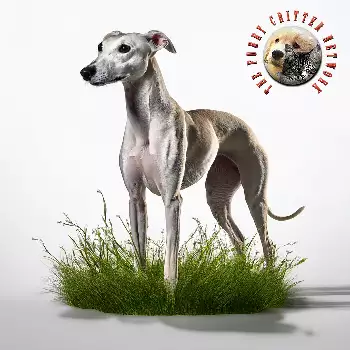

Snapdog

Whippet
Gallery coming soon

Furry Critter Network Etsy Shop

Quick Facts

🐕 Breed Group
Hound
📏 Size Category
Medium
📏 Height
18-22 inches
⚖️ Weight
25-40 pounds
⏱️ Life Expectancy
12-15 years
🧥 Coat Type
Short, smooth, fine
🎨 Coat Colors
Any color or combination of colors acceptable
😀 Temperament
Gentle, Affectionate, Quiet, Playful
🏃 Exercise Needs
Moderate to High
🎓 Training Difficulty
Moderate
👶 Good with Children
Yes
🐾 Good with Other Pets
Good with dogs, caution with small animals

Other Names & Breed Recognition

The Snapdog is the affectionate nickname for one of the most elegant and graceful breeds in the canine world, officially registered as the Whippet by all major kennel clubs. This distinctive sighthound has accumulated several colorful monikers throughout its storied history, each reflecting different aspects of its character, abilities, and cultural significance. Understanding these various names provides fascinating insight into the breed's evolution and the people who have cherished these remarkable dogs for generations.

The name Whippet itself has interesting etymological origins, most likely derived from an early seventeenth-century English word meaning to move briskly or to whip, perfectly capturing the breed's lightning-fast movement and agility. Historical records from 1610 mark the first documented use of the term Whippet in reference to this type of dog. The alternative name Snapdog emerged from the Victorian era, describing the breed's characteristic tendency to snap up prey with remarkable speed and precision, a behavior that made them invaluable for catching rabbits and other small game.

Perhaps the most evocative of the breed's nicknames is the Poor Man's Racehorse, a title that speaks directly to the Snapdog's origins among the working classes of northern England. This moniker arose during the Industrial Revolution when coal miners and mill workers in Lancashire, Yorkshire, and Northumberland developed and refined the breed for racing entertainment. Unable to afford the larger Greyhounds favored by the wealthy, these working-class enthusiasts created their own version suitable for their means and living conditions.

The breed has also been known historically as the Lightning Rag Dog, referencing the popular rag racing competitions where dogs would chase cloth lures along straight courses. These races were a primary form of entertainment and gambling among the working classes, with the Snapdog's incredible acceleration and speed making them the undisputed champions of these events. Some historical texts also refer to the breed as the English Whippet or simply the Snap, further variations that have been used in different regions and time periods.

International recognition has brought additional naming variations across different countries and cultures. The breed is recognized globally under the official designation of Whippet, though regional nicknames persist among enthusiasts. In some European countries, the breed retains historical references to its English origins, while other regions have developed their own colloquial terms of endearment for these graceful athletes.

Today, while Whippet remains the official registered name with all major kennel clubs worldwide, the term Snapdog continues to be used affectionately by breed enthusiasts who appreciate the historical connection to the breed's working-class origins and its characteristic hunting behavior. Whether called Snapdog, Whippet, or Poor Man's Racehorse, this elegant breed has earned recognition as one of the most versatile and beloved sighthounds in existence.

Snapdog Organizations & Standards

The Snapdog has achieved recognition from all major kennel clubs and breed organizations worldwide, a testament to the breed's consistency, quality, and enduring appeal. These organizations have worked diligently to establish and maintain breed standards that preserve the essential characteristics that make the Snapdog such a remarkable and distinctive sighthound. Understanding the various organizations and their standards provides valuable insight for breeders, exhibitors, and prospective owners alike.

The American Kennel Club granted recognition to the Whippet in 1888, placing the breed in the Hound Group where it has remained ever since. The AKC breed standard emphasizes the Snapdog's essential qualities as a medium-sized sighthound giving the appearance of elegance and fitness, denoting great speed, power, and balance without coarseness. The standard specifically notes that the breed should be built for speed and work, with all forms of exaggeration avoided. This focus on functional athleticism combined with aesthetic beauty has guided American breeders for well over a century.

The United Kennel Club recognized the Snapdog in 1935, classifying the breed within the Sighthound and Pariah Group. The UKC standard mirrors the breed's original purpose, emphasizing balanced combination of muscular power and strength with elegance and grace of outline. UKC standards particularly stress that breeders and judges have the responsibility to avoid any conditions or exaggerations detrimental to health, welfare, essence, and soundness of the breed, reflecting modern understanding of responsible breeding practices.

The Kennel Club of the United Kingdom, as the originating registry for the breed, officially recognized the Whippet in 1891 following several years of exhibition at English dog shows. The KC standard has served as the foundation for breed standards worldwide, emphasizing the breed's British heritage and the qualities that made it invaluable to its original breeders. Recognition by the Kennel Club marked the transition of the Snapdog from a working-class sporting dog to a respected purebred with standardized characteristics.

The Fédération Cynologique Internationale recognizes the Whippet under Standard Number 162, classifying the breed in Group 10, Section 3 as a Short-haired Sighthound, with Great Britain designated as the country of origin. The FCI standard provides an international framework for judging and breeding, enabling Snapdogs from different countries to be evaluated against consistent criteria at international competitions and events.

The Canadian Kennel Club recognizes the Whippet in the Hound Group, following standards that closely align with the American Kennel Club while incorporating metric measurements consistent with Canadian practices. The Australian National Kennel Council and New Zealand Kennel Club also recognize the breed, with standards following closely those established by the Kennel Club UK, reflecting the Commonwealth's shared canine heritage.

The American Whippet Club, founded in 1930, serves as the parent club for the breed in the United States and works closely with the AKC to protect and advance the breed's interests. The club maintains a comprehensive breeder education program, promotes responsible breeding practices, and organizes specialty shows and racing events that celebrate the Snapdog's unique combination of beauty and athletic ability. The club's Code of Ethics guides members in maintaining the breed's physical and temperamental qualities.

The Whippet Club in the United Kingdom, established in 1899, represents the oldest breed club dedicated to the Whippet and continues to promote the breed in its country of origin. Similar breed clubs exist throughout Europe, Australia, and other regions where the Snapdog has established a devoted following. These organizations collectively work to preserve the breed's heritage while ensuring its continued health and vitality for future generations.

Kennel Club Recognition

  • American Kennel Club (AKC): Recognized - Hound Group (1888)
  • United Kennel Club (UKC): Recognized - Sighthound and Pariah Group (1935)
  • Canadian Kennel Club (CKC): Recognized - Hound Group
  • Fédération Cynologique Internationale (FCI): Recognized - Group 10 Section 3, Standard No. 162
  • The Kennel Club (UK): Recognized - Hound Group (1891)

Snapdog Physical Description

The Snapdog presents a picture of streamlined elegance and athletic power, embodying the ideal form of a medium-sized sighthound built for speed and efficiency. Every aspect of the breed's physical structure contributes to its remarkable ability to achieve explosive acceleration and maintain high speeds, while simultaneously creating the aesthetic beauty that has captivated dog lovers for generations. Understanding the breed's physical characteristics is essential for appreciating what makes this sighthound truly exceptional.

In terms of size, the Snapdog occupies an ideal middle ground among sighthounds, large enough to be a substantial and capable athlete yet compact enough for comfortable home living. Male Snapdogs stand between 19 and 22 inches at the withers, with the ideal being approximately 20 to 21 inches, while females measure between 18 and 21 inches. Weight varies based on height and condition, with males typically ranging from 25 to 40 pounds and females from 20 to 35 pounds. The breed standard emphasizes that the Snapdog should appear neither too delicate nor too heavy, maintaining the balance essential for its athletic function.

The head is long and lean, with a flat skull that is fairly wide between the ears and tapers elegantly to the muzzle. The stop is scarcely perceptible, creating the smooth, clean lines characteristic of sighthounds. The jaws are powerful and clean-cut, capable of catching and holding prey despite the refined appearance. The nose is typically black, though blue-colored coats may have bluish noses and liver coats may have liver-colored noses. Eyes are large, round to oval in shape, dark brown to nearly black, and convey an alert, intelligent expression that reveals the breed's keen awareness of its surroundings.

The ears are small, fine in texture, and rose-shaped, folding back and along the neck when at rest yet becoming semi-erect when the dog is alert or excited. This distinctive ear carriage is an identifying characteristic of the breed and contributes to the elegant head profile. Erect ears are considered a serious fault as they detract from the breed's characteristic appearance.

The neck is long, clean, and muscular, elegantly arched without any suggestion of throatiness, widening gracefully into well-laid-back shoulders. This long neck allows the Snapdog to reach forward efficiently while running and contributes to the breed's graceful outline. The shoulders are well-muscled but not loaded, permitting free, unrestricted movement essential for the breed's athletic performance.

The body structure exemplifies the double-suspension gallop that makes sighthounds so remarkably fast. The back is broad, firm, and well-muscled, with a distinctive natural arch beginning over the loin and carrying through the croup. This arch is continuous without flatness and provides the spring necessary for the breed's powerful stride. The brisket reaches as nearly as possible to the point of the elbow, providing ample heart and lung room for the cardiovascular demands of high-speed running. The ribs are well-sprung but never barrel-shaped, and there is a definite tuck-up of the underline that contributes to the aerodynamic silhouette.

The forelegs are straight with substantial bone, giving an appearance of strength without heaviness. Pasterns are strong, slightly bent, and flexible, acting as shock absorbers during high-speed running. The hindquarters are broad, muscular, and powerful, providing the explosive thrust necessary for the breed's remarkable acceleration. The stifles are well-bent, and the hocks are well let-down, creating the leverage for efficient propulsion.

Feet are well-formed with hard, thick pads, more hare-foot than cat-foot in appearance, though both are acceptable. The long toes are close and well-arched, with strong nails. The tail is long and tapering, reaching at least to the inside of the hock, carried low with only a gentle upward curve when the dog is in motion.

The coat is short, fine, and smooth, lying close to the body. This minimal coat contributes to the Snapdog's streamlined appearance and creates virtually no air resistance during running. The breed comes in any color or combination of colors, with no preference given to any particular color or pattern. Common colors include fawn, brindle, black, blue, red, and white, either solid or in various combinations and markings.

Affection Level
The Snapdog forms deep, devoted bonds with their family members and thrives on physical closeness. These elegant sighthounds are known for seeking out warm spots and human companionship, often curling up next to or on top of their owners whenever possible.
Good With Children
Snapdogs are gentle and patient with children, making them excellent family companions. Their calm indoor demeanor and lack of aggressive tendencies make them suitable for households with kids, though their slender build means they do best with children who understand gentle handling.
Good With Other Dogs
Generally sociable and non-aggressive with other dogs, the Snapdog coexists peacefully with canine companions. They particularly enjoy the company of other sighthounds and similarly sized breeds, often engaging in playful chases and relaxed cohabitation.
Shedding Level
The Snapdog's short, fine coat produces minimal shedding throughout the year. Their lack of an undercoat means there are no seasonal shedding events, making them a relatively clean breed that leaves little hair on furniture or clothing.
Grooming Needs
Among the easiest breeds to groom, the Snapdog requires only occasional brushing to remove loose hair and maintain coat health. Their short, smooth coat stays naturally clean and they are virtually odor-free, requiring bathing only as needed.
Drooling Level
The Snapdog is essentially a non-drooling breed with tight lips and clean facial structure. Owners rarely need to deal with slobber or drool, making them an excellent choice for those who prefer a tidy companion without the mess associated with some breeds.
Coat Length
The Snapdog possesses a very short, close-lying coat that lies flat against their sleek, muscular body. This minimal coat length contributes to their streamlined appearance and reduces grooming requirements while providing little insulation against cold weather.
Openness To Strangers
Snapdogs tend to be reserved but not unfriendly with strangers, often taking time to warm up to new people. While not aggressive, they may appear aloof initially and prefer to observe newcomers from a distance before deciding to engage socially.
Playfulness
Despite their dignified appearance, Snapdogs are surprisingly playful and enjoy short bursts of energetic activity. They excel at games involving chasing and running, displaying their incredible speed and agility during play sessions before settling back into relaxation mode.
Protective Nature
The Snapdog's gentle temperament means they are not naturally protective or guard-oriented dogs. While they may bark to announce visitors, their friendly nature and lack of aggression make them more likely to greet intruders than challenge them.
Trainability
Snapdogs are intelligent but possess the independent nature common to sighthounds, which can make training challenging. They respond best to positive reinforcement methods with variety and patience, as harsh corrections will cause them to shut down emotionally.
Energy Level
The Snapdog displays a unique energy pattern of intense bursts followed by extended rest periods. They require daily opportunities to run at full speed in a secure area, but spend much of their time contentedly lounging and conserving energy indoors.

Snapdog History & Development

The history of the Snapdog is a fascinating tale of working-class ingenuity, athletic excellence, and eventual recognition as one of the canine world's most elegant breeds. While sighthound-type dogs of various sizes have existed for thousands of years, the modern Snapdog as we know it today emerged from the industrial heartland of northern England during the late eighteenth and nineteenth centuries, developed by people who transformed a practical necessity into a passionate pursuit.

The ancestry of sighthound dogs extends deep into antiquity, with representations of small, Greyhound-like hunting dogs appearing in Ancient Egyptian artwork, medieval European tapestries, and Renaissance paintings. These dogs served various hunting and companionship roles throughout history, but it was in England that the specific breeding programs that created the Snapdog would eventually take shape. The concept of maintaining Greyhound-type dogs in different sizes was well-documented in hunting manuals dating to the Middle Ages, with Edward of Norwich noting the advantages of keeping great, middle, and small sizes of greyhounds for different types of game.

The transformation from generic small sighthound to the distinctive Snapdog occurred primarily in the industrial regions of northern England, particularly in Lancashire, Yorkshire, Durham, and Northumberland. During the Industrial Revolution, coal miners and mill workers sought entertainment and recreation that fit their limited means and cramped living conditions. The larger Greyhounds used for coursing by the landed gentry were too expensive to maintain and too large for modest working-class homes, creating demand for a smaller, more economical alternative.

Resourceful workers began breeding smaller Greyhounds, possibly crossing them with terriers and Italian Greyhounds to achieve the desired size while maintaining speed and prey drive. The exact recipe remains somewhat mysterious, as these early breeders were practical people more concerned with results than documentation. What emerged was a remarkably fast, agile dog that could thrive on limited resources while providing both sport and companionship to their working-class owners.

The Victorian era saw the Snapdog's rise to prominence as the centerpiece of rag racing, a wildly popular form of entertainment among the working classes. In these races, dogs would be released to chase rags or cloths waved by their owners at the finish line, covering distances of approximately 200 yards at incredible speeds. These straight-track races became the primary testing ground for the breed's abilities, earning the Snapdog its legendary nickname as the Poor Man's Racehorse. Working men would breed, train, and race their dogs, betting on the outcomes and developing increasingly refined bloodlines.

The breed's name evolved during this period, with Snapdog arising from the breed's characteristic tendency to snap up prey with lightning speed. The term Whippet itself derives from an early seventeenth-century word meaning to move briskly, perfectly describing the breed's explosive acceleration. The first documented use of Whippet to describe this type of dog appeared in 1610, though the modern breed would not be fully standardized until much later.

As dog shows gained popularity among the middle and upper classes during the late Victorian period, the Snapdog began its transition from purely functional sporting dog to recognized purebred. The breed first appeared at organized dog shows in the 1870s, with the Kennel Club granting official recognition in 1891. Herbert Vickers is credited with requesting official breed recognition on April 16, 1890, a milestone that elevated the Snapdog from its humble working-class origins to respectable show ring competitor.

The American Kennel Club recognized the breed in 1888, interestingly before the Kennel Club's official recognition, as Snapdogs had been imported to America by English immigrants who brought their racing traditions with them. The breed found particular popularity in Massachusetts, Pennsylvania, and other New England states where textile mills employed many English immigrants familiar with rag racing traditions.

The early twentieth century saw continued refinement of the breed for both show and racing purposes. Notable early champions like Ch. Shirley Wanderer and Ch. Manorley Maori established important bloodlines that influenced the breed's development on both sides of the Atlantic. The American Whippet Club was founded in 1930 to protect and advance the breed's interests in the United States, organizing both conformation shows and racing events.

World Wars I and II posed significant challenges for the breed, as food shortages and economic hardships made keeping dogs difficult. However, dedicated breeders in both Britain and America preserved important bloodlines through these troubled times, ensuring the breed's survival and continued development. The post-war period saw renewed interest in the Snapdog, with the breed gaining popularity as both a show dog and family companion.

Today, the Snapdog enjoys worldwide recognition and appreciation, valued equally for its athletic abilities, elegant appearance, and gentle temperament. While professional racing has declined, amateur racing and lure coursing provide outlets for the breed's natural instincts, and the Snapdog has proven adaptable to various dog sports including agility, flyball, and obedience. The breed consistently ranks among the top sixty breeds in AKC registrations, testimony to its enduring appeal as a versatile companion.

Snapdog Temperament & Personality

The Snapdog possesses a temperament that beautifully balances athletic intensity with gentle serenity, creating a companion that is both exciting and comfortable to live with. This unique personality profile sets the breed apart from many other sighthounds and makes the Snapdog particularly well-suited to modern family life. Understanding the breed's temperamental characteristics is essential for anyone considering adding one of these elegant athletes to their household.

At home, the Snapdog demonstrates a calm, quiet demeanor that surprises many who know the breed only by its racing reputation. These dogs are content to spend much of their day relaxing on soft surfaces, often seeking out the warmest spots in the house and preferring elevated positions like sofas and beds. The American Kennel Club aptly describes them as quiet and dignified in their owner's living room, noting that they make excellent house dogs. This peaceful indoor behavior makes the Snapdog well-suited for apartment living, provided their exercise needs are met.

The breed's affectionate nature is legendary among enthusiasts. Snapdogs form deep, devoted bonds with their human families and crave physical closeness. They are notorious heat-seekers who will burrow under blankets, curl up against warm bodies, and find creative ways to maximize contact with their loved ones. This desire for warmth and companionship stems partly from their thin coats and low body fat, but also reflects a genuinely affectionate temperament that makes them outstanding companion animals.

Despite their calm indoor demeanor, Snapdogs retain all the athletic intensity of their racing heritage when outdoors or given something to chase. The transformation from couch potato to lightning-fast athlete can be instantaneous and dramatic, showcasing the breed's remarkable energy reserves and prey drive. They excel at short bursts of explosive activity followed by extended rest periods, a pattern that reflects their evolutionary development as coursing dogs designed to catch prey through speed rather than endurance.

The Snapdog's relationship with children is generally excellent, though some considerations apply. Their gentle, patient nature makes them suitable companions for families with kids, and they rarely display aggression or rough behavior. However, their slender build and sensitive temperament mean they do best with children who have learned to handle dogs respectfully. Very young children should always be supervised, not because the Snapdog might harm them, but because rough handling could hurt or frighten the dog.

With other dogs, Snapdogs are typically sociable and peaceful, lacking the territorial aggression seen in some breeds. They particularly enjoy the company of other sighthounds and similarly gentle breeds, often forming close bonds with canine housemates. However, their strong prey drive means that small pets like cats, rabbits, and rodents may trigger chase instincts, though many Snapdogs coexist peacefully with cats they have been raised alongside from puppyhood.

Strangers typically encounter a reserved but not unfriendly dog. Snapdogs are not aggressive or suspicious by nature, but they lack the effusive greeting behavior of more extroverted breeds. They may take time to warm up to new people, preferring to observe from a distance before deciding to engage. This reserve should not be confused with fearfulness, which is considered a fault in the breed standard.

The Snapdog's sensitivity is both a charm and a challenge. These dogs are highly attuned to their environment and their owner's emotions, responding poorly to harsh treatment or tense household atmospheres. Rough training methods will cause them to shut down emotionally, while patient, positive approaches bring out their willing and cooperative nature. This sensitivity also manifests as potential separation anxiety, as Snapdogs who are deeply bonded to their owners may struggle when left alone for extended periods.

While not typically excessive barkers, Snapdogs will alert their owners to unusual occurrences, making them passable watchdogs despite their lack of protective instinct. They are far more likely to greet an intruder with curiosity than aggression, preferring to retreat rather than confront potential threats. This gentle temperament is fundamental to the breed and should be preserved and valued.

Intelligence in the Snapdog is evident but expressed through the lens of sighthound independence. They are capable learners but may choose when to comply based on their own assessment of the situation. This is not stubbornness in the traditional sense but rather the independent thinking that served coursing dogs well when they needed to make split-second decisions during the hunt without human direction.

Snapdog Family Life & Living Requirements

The Snapdog adapts remarkably well to diverse living situations, making it one of the more versatile sighthounds for modern family life. While their racing heritage might suggest they need vast spaces to thrive, these elegant dogs have proven themselves equally content in city apartments and country estates, provided their specific needs for exercise, comfort, and companionship are thoughtfully addressed. Understanding how to create an optimal living environment ensures both dog and family will flourish together.

One of the Snapdog's greatest advantages as a family pet is its moderate size combined with quiet indoor behavior. Unlike many high-energy breeds that remain active constantly, Snapdogs spend much of their time at home relaxing peacefully. This makes them surprisingly well-suited for apartment living, a fact that surprises many who assume sighthounds need extensive space. The key is providing adequate daily exercise opportunities rather than constant indoor activity space.

The breed's sensitivity to temperature significantly influences living arrangements. Snapdogs lack the protective body fat and thick coats that insulate other breeds, making them vulnerable to cold weather. They genuinely suffer in cold temperatures and should be considered indoor dogs that require climate-controlled environments. During winter months, they will need warm coats for outdoor excursions and may require heated beds or blankets indoors. Conversely, their thin coats make them relatively heat-tolerant compared to heavily coated breeds, though shade and water should always be available during warm weather.

Furniture sharing is essentially non-negotiable with this breed. Snapdogs will seek out soft, elevated surfaces to rest on, and attempting to keep them off furniture typically creates ongoing conflict. Potential owners who prefer dogs that stay on the floor should consider other breeds. Most Snapdog enthusiasts embrace this trait, enjoying the close companionship that comes from sharing space with these affectionate dogs.

Families with children will generally find the Snapdog an excellent choice, though some considerations apply. The breed's gentle, tolerant nature makes them patient with youngsters, and they lack the rough play style or guarding tendencies that can create problems with some breeds. However, their slender build means they can be injured by overly rough handling, and their sensitive temperament may cause them to become withdrawn if subjected to chaotic or stressful environments. Families should ensure children understand proper dog handling before bringing home a Snapdog.

Multi-pet households can work well with Snapdogs, particularly when introducing dogs to each other properly. They typically coexist peacefully with other dogs, especially other sighthounds, and may form close bonds with canine companions. However, their strong prey drive means small animals like cats, rabbits, and rodents may be viewed as prey rather than housemates. Many Snapdogs live successfully with cats they were raised alongside, but introductions with adult dogs should be handled carefully, and small pocket pets should be kept securely separated.

Exercise requirements, while not excessive, are non-negotiable for the Snapdog's physical and mental well-being. The breed requires daily opportunities to run at full speed in a secure, enclosed area. A securely fenced yard is ideal, but regular visits to a safe off-leash area can serve the same purpose for those without private outdoor space. The emphasis on security is crucial, as Snapdogs will chase anything that catches their attention and can easily escape over or through inadequate fencing. A fence of at least six feet is recommended, and owners should check for gaps or weak points regularly.

Leash walks alone, while necessary and enjoyable, do not satisfy the Snapdog's need for free running. Without opportunities to sprint, the breed may become restless, frustrated, or develop behavioral issues. Dog parks can serve this purpose if the Snapdog is well-socialized, though owners should be aware that the sight of running dogs or small animals may trigger chase behavior that could cause problems in mixed groups.

The Snapdog's need for companionship means this is not a breed that tolerates being left alone for extended periods. They bond deeply with their families and may develop separation anxiety if isolated regularly. Households where all family members work long hours away from home may not provide the ideal environment unless arrangements can be made for midday company or dog daycare. The breed does well with other dogs, and having two Snapdogs can help address their social needs.

Yard requirements are relatively modest despite the breed's athletic nature. A medium-sized, securely fenced area provides adequate space for the short sprint sessions Snapdogs need. Unlike endurance breeds that require extensive territory, Snapdogs exercise in brief, intense bursts and are then content to return to their favorite resting spots indoors.

Snapdog Training & Exercise Needs

Training the Snapdog requires understanding and adapting to the unique mindset of sighthounds, whose independent nature differs significantly from the eager-to-please temperament of herding or sporting breeds. Success comes from working with the breed's natural inclinations rather than against them, using positive methods that respect their sensitivity while establishing clear, consistent expectations. The reward is a well-mannered companion who responds reliably in the contexts that matter most for daily life.

The independent thinking characteristic of sighthounds, including the Snapdog, evolved over centuries of coursing work where dogs needed to make rapid decisions without human input. This heritage means Snapdogs evaluate commands based on their own assessment of the situation rather than blindly complying. They are intelligent enough to learn any behavior but may choose when to perform it based on factors humans don't always understand. This should not be mistaken for stupidity or stubbornness, but rather recognized as a different form of canine intelligence.

Positive reinforcement training methods are absolutely essential for Snapdogs. These sensitive dogs respond very poorly to harsh corrections, which may cause them to shut down emotionally and become reluctant to engage in training at all. Physical corrections, yelling, or intimidating body language will damage your relationship with a Snapdog and create lasting problems. Instead, use food rewards, toys, praise, and play to motivate learning and reinforce desired behaviors.

Variety in training sessions helps maintain the Snapdog's interest and engagement. Unlike some breeds that thrive on repetitive drill work, Snapdogs quickly become bored with excessive repetition. Keep training sessions short, interesting, and varied, ending on positive notes before the dog loses focus. Training games that incorporate movement and play often produce better results than formal obedience exercises.

Recall training presents particular challenges with Snapdogs due to their prey drive and independent nature. Once a Snapdog locks onto a moving target, calling them back becomes extremely difficult if not impossible. For this reason, many experienced owners never allow their Snapdogs off-leash in unsecured areas, regardless of how well-trained they appear. The sight of a running cat, squirrel, or other animal can override months of training in an instant, potentially putting the dog in danger.

Basic obedience training should begin early, focusing on essential commands like sit, down, stay, and come. While Snapdogs may never achieve the precision of competitive obedience dogs, they can learn to respond reliably enough for safe, pleasant daily life. Patience is essential, as progress may be slower than with more biddable breeds. Celebrate small victories and maintain realistic expectations.

Socialization during puppyhood is crucial for developing a confident, well-adjusted adult Snapdog. Exposure to various people, places, sounds, and experiences helps prevent the excessive timidity that can develop in undersocialized sighthounds. Puppy classes provide excellent opportunities for both socialization and basic training in a controlled environment.

Exercise requirements center on the Snapdog's need for regular opportunities to run at full speed. These bursts of sprinting exercise are essential for the breed's physical and mental health and cannot be replaced by leash walking alone. A securely fenced yard where the dog can sprint freely is ideal, though regular access to a safe, enclosed area serves the same purpose. The emphasis on security cannot be overstated; standard fencing may be inadequate for a dog that can reach speeds of 35 miles per hour and may attempt to pursue prey through any available gap.

The duration and intensity of exercise should match the individual dog's age, condition, and preferences. Young Snapdogs require more frequent opportunities to burn energy, while seniors may be content with shorter sessions. What remains constant is the need for free running rather than just leash exercise. Without this outlet, Snapdogs may become restless, develop destructive behaviors, or gain unhealthy weight.

Dog sports offer excellent outlets for the Snapdog's athletic abilities and prey drive. Lure coursing, in which dogs chase a mechanical lure across an open field, provides the closest approximation to the breed's original purpose and is immensely satisfying for most Snapdogs. Amateur racing events allow the breed to exercise its competitive instincts safely. Agility, flyball, and rally obedience offer additional options for physical and mental stimulation, though the Snapdog's independent nature may make competitive obedience challenging.

Mental stimulation complements physical exercise in keeping Snapdogs content and well-behaved. Puzzle toys, food-dispensing games, and nose work activities engage the breed's intelligence and provide enrichment beyond simple physical exertion. Rotating toys and introducing new challenges helps prevent boredom.

Snapdog Health Concerns

The Snapdog enjoys a reputation as one of the healthier purebred dogs, benefiting from generations of selective breeding focused on athletic performance and structural soundness. With typical lifespans ranging from 12 to 15 years, these elegant sighthounds often remain active and vital well into their senior years when provided appropriate care. However, like all breeds, Snapdogs have certain health predispositions that informed owners should understand and monitor.

Common Health Issues

  • Progressive Retinal Atrophy is an inherited eye condition affecting Snapdogs in which the retinal cells gradually deteriorate, eventually leading to blindness.
  • Mitral Valve Disease occurs when heart valves degenerate and fail to close properly, allowing blood to flow backward and straining the heart.
  • This condition tends to appear in older Snapdogs and may initially present as a heart murmur detected during routine veterinary examination.
  • Early detection through regular cardiac screening allows for management with medications that can extend quality of life.
  • Congenital deafness occurs in the breed at low rates but should be tested for in puppies, particularly those with significant white coloring.
  • Hypothyroidism, while relatively uncommon in the breed compared to some others, has been documented in Snapdogs and causes metabolic slowdown, weight gain, lethargy, and skin problems.

Preventive Care & Health Monitoring

  • While not painful and not curable, genetic testing can identify carriers before breeding, allowing responsible breeders to reduce the condition's prevalence.
  • Owners should inspect their Snapdog's skin regularly, especially after exercise, and keep wounds clean to prevent infection.
  • Regular veterinary check-ups at least twice yearly allow early detection of developing health problems before they become serious.
  • Dental care including regular brushing and professional cleanings as needed prevents periodontal disease, which can affect overall health by allowing bacteria to enter the bloodstream.

With attentive care, regular veterinary monitoring, and awareness of breed-specific health considerations, Snapdogs typically enjoy long, healthy lives as cherished family companions. The breed's generally robust health reflects the benefits of selection for functional athletic ability rather than extreme physical characteristics.

Snapdog Grooming & Maintenance

The Snapdog ranks among the easiest breeds to groom and maintain, a significant advantage for owners who prefer spending time enjoying their dogs rather than performing extensive coat care. The breed's short, smooth coat requires minimal attention while remaining naturally clean and virtually odor-free. However, certain breed-specific needs require awareness and attention to keep your Snapdog comfortable, healthy, and looking their elegant best.

Coat care for the Snapdog is refreshingly simple compared to many breeds. The short, fine hair lies close to the body and lacks an undercoat, meaning there are no dense mats to work out or seasonal coat blows to manage. Weekly brushing with a soft bristle brush or grooming mitt removes loose hair, distributes natural skin oils, and keeps the coat gleaming. More frequent brushing during the minor shedding that occurs may be helpful, though the Snapdog produces far less loose hair than most breeds.

Bathing needs are minimal and should be performed only as necessary rather than on a fixed schedule. The Snapdog's coat has natural dirt-repelling properties, and the breed produces little of the skin oil that creates doggy odor in other breeds. Most Snapdogs require bathing only every few months unless they have gotten into something dirty or smelly. When bathing is necessary, a gentle dog shampoo preserves the coat's natural oils and skin health.

The Snapdog's thin coat and minimal body fat create special considerations for environmental protection. In cold weather, these dogs require warm clothing when outdoors, including sweaters, jackets, and even pajamas for indoor warmth in cool houses. The breed genuinely suffers in cold temperatures and should not be expected to tolerate extended outdoor exposure in winter months. Quality dog coats designed for sighthounds, which accommodate their deep chests and tucked waists, provide better protection than generic designs.

Skin care deserves attention given the breed's vulnerability to cuts and scrapes. The Snapdog's thin skin tears more easily than that of more heavily coated breeds, particularly during energetic play or running through vegetation. Regular inspection of the skin, especially after outdoor exercise, helps identify injuries early before they become infected. Minor cuts typically heal quickly, but deeper wounds may require veterinary attention.

Dental care should be a priority for Snapdog owners, as the breed may be more prone to dental problems than some others. Daily tooth brushing using dog-specific toothpaste is ideal, though several times weekly represents a reasonable minimum. Regular dental check-ups during veterinary visits allow professional assessment and cleaning as needed. Dental chews and toys can supplement but not replace brushing.

Nail care requires regular attention, as overly long nails can affect the Snapdog's gait and cause discomfort. Most Snapdogs need nail trimming every two to four weeks, depending on how much their nails wear naturally through activity on hard surfaces. The breed's naturally short, strong nails are typically dark-colored, making it harder to see the quick. Careful trimming or regular use of a nail grinder helps maintain proper nail length without causing bleeding.

Ear care involves regular inspection and gentle cleaning as needed. The Snapdog's rose-shaped ears generally stay healthy with minimal intervention, but should be checked weekly for signs of infection, excessive wax, or debris. Clean ears gently with a veterinarian-approved ear cleaner, never inserting anything into the ear canal.

Eye care is particularly important given the Snapdog's prominent, expressive eyes. Check daily for discharge, redness, or irritation, and gently wipe away any accumulated material with a soft, damp cloth. The breed's eyes are vulnerable to injury during running and play, so inspect carefully after vigorous exercise.

The overall low-maintenance grooming requirements of the Snapdog make them excellent choices for owners who want an elegant, clean companion without the time investment required by heavily coated breeds. The minimal grooming needs also reduce professional grooming costs, as most owners can easily handle all maintenance at home with basic tools and supplies.