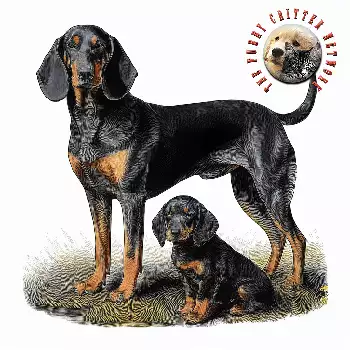

The Smalands Hound carries several names that reflect both its geographic origins and international presence in the canine world. The primary registered name, Smalandsstovare, directly translates from Swedish to describe the breed's heritage, with Smaland referring to the southern Swedish province where the breed originated and stovare meaning hound. This linguistic connection to place emphasizes the deep roots this breed has within Swedish hunting culture and tradition. The Swedish word stovare specifically denotes a type of hound that drives game with its voice, adding functional description to the geographic identifier.
Alternative names for this distinguished breed include the Smaland Hound, Smalands Hound, and the Swedish spelling with diacritical marks as Smålandsstövare. In French-speaking regions, the breed is known as Chien courant du Småland, while Spanish speakers refer to it as Sabueso de Småland. Finnish documentation lists the breed as Smoolanninajokoira. German breed references may use Småland-Laufhund. These various names all reference the same exceptional hunting companion that has served Swedish hunters for centuries, with each translation maintaining the essential geographic and functional identification of the breed.
The Smalands Hound holds the distinction of being the oldest native scenthound breed of Sweden, a title that speaks to its enduring value within Swedish hunting traditions. Documentation of dogs matching the Smalands Hound description dates back to the sixteenth century, making this breed part of Swedish cultural heritage extending back nearly five hundred years. This ancient heritage places the Smalands Hound among the most historically significant hunting breeds in all of Scandinavia. The breed's longevity demonstrates its effectiveness as a hunting companion and its adaptability to the demanding Scandinavian environment where harsh winters and rugged terrain required exceptional canine durability.
Despite its ancient lineage, the Smalands Hound remains one of the rarest dog breeds in the world today. Even within its native Sweden, the breed numbers remain critically low, with approximately sixty to one hundred puppies registered annually with kennel clubs. This extreme rarity places the Smalands Hound among the most endangered purebred dog populations globally. The scarcity adds to the breed's mystique but also presents significant challenges for those seeking to acquire one of these exceptional hunting companions. Breed enthusiasts work diligently to maintain healthy populations while preserving the authentic characteristics that define the Smalands Hound, balancing genetic diversity against the risks of introducing outside bloodlines.
The breed has gained recognition from multiple international kennel organizations, though it remains relatively unknown outside Scandinavia and dedicated hound enthusiast circles. The Swedish Kennel Club has maintained oversight of the breed since establishing the first official breed standard in 1921, making them the primary authority on breed documentation and preservation efforts. International recognition through organizations including the Federation Cynologique Internationale and United Kennel Club has helped bring attention to this remarkable breed while establishing standards that guide responsible breeding practices worldwide. The American Rare Breed Association also acknowledges the Smalands Hound, providing registry options for the limited number of these dogs present in North America.