
Quick Facts

🏛 Breed Organization
FCI Group 1 - Herding Dogs
🌍 Native Country
Czech Republic/Slovakia
📏 Size & Weight
24-26 inches tall, 44-57 pounds
⌚ Life Expectancy
13-16 years
👶 Average Litter Size
6-7 puppies
🏷 Breed Group
Working/Herding Group

Other Names

The Slovak Wolfdog is formally known as the Czechoslovakian Wolfdog or Československý vlčiak (CSV) in its countries of origin. Following the dissolution of Czechoslovakia, both the Czech Republic and Slovakia claim the breed as their national heritage, leading to regional naming variations. In Czech, the breed is called Československý vlčák, while in Slovak it's Československý vlčiak. Internationally, it may be referred to as the Czech Wolfdog, Czechoslovak Wolfdog, or sometimes abbreviated as CSV from its FCI designation. In German-speaking regions, it's known as the Tschechoslowakischer Wolfhund. The breed has also been colloquially called the Ceskoslovensky Vlcak, and among enthusiasts, simply "Vlcak" (pronounced vul-chak), meaning "wolfdog" in Czech and Slovak languages.

Slovak Wolfdog Description

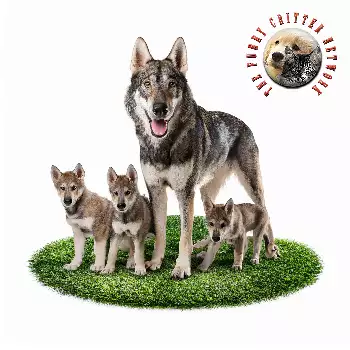
The Slovak Wolfdog stands as one of the most remarkable and controversial achievements in modern canine breeding, representing a successful hybridization between domestic dogs and wild Carpathian wolves. Created through a deliberate military experiment in 1955 Czechoslovakia, this breed embodies the raw power and primitive instincts of the wolf combined with the trainability and loyalty of the German Shepherd Dog. The result is a creature of extraordinary beauty and capability, possessing the endurance to cover vast distances, the intelligence to solve complex problems, and the courage to face challenges that would daunt many domestic breeds. Yet this same wolf heritage brings unique challenges that make the Slovak Wolfdog unsuitable for casual ownership, demanding handlers who understand and respect both the wild and domestic aspects of their nature.

The physical appearance of the Slovak Wolfdog immediately betrays its wolf ancestry, presenting a striking silhouette that turns heads and sometimes causes concern among those unfamiliar with the breed. These are medium to large dogs, with males typically standing 26 inches at the shoulder and females slightly smaller at 24 inches. Their weight ranges from 44 to 57 pounds for females and 54 to 66 pounds for males, creating a lean, athletic build that emphasizes functionality over mass. The overall impression is one of primitive elegance, with every line of the body suggesting both power and agility. The rectangular body format, with length exceeding height by a ratio of 10:9, provides the structural foundation for the tireless, ground-covering trot that can be maintained for hours without fatigue.

The coat of the Slovak Wolfdog is a marvel of natural engineering, consisting of straight, close-lying hair that changes dramatically with the seasons. In winter, a dense undercoat develops, providing exceptional insulation against extreme cold, while summer brings a lighter coat that still offers protection from sun and insects. The color is invariably wolf-gray, ranging from yellowish-gray to silver-gray, always with a characteristic light mask around the face. A distinctive feature is the lighter coloring on the chest and throat, creating the classic wolf pattern that serves as natural camouflage. The coat is self-cleaning and weather-resistant, requiring minimal grooming despite its impressive appearance. This practical coat reflects the breed's development for military purposes where elaborate grooming would have been impractical.

The head of the Slovak Wolfdog is perhaps its most wolf-like feature, with a symmetric, well-muscled skull that forms a blunt wedge when viewed from above. The stop is moderately marked, creating a noble profile that avoids both the extreme angles of some shepherd breeds and the completely straight profile of primitive dogs. The eyes are perhaps the most captivating feature - amber colored, narrow, and obliquely set, conveying an expression of alert intelligence mixed with primitive wildness. These eyes miss nothing, constantly scanning the environment with an intensity that reflects the breed's wolf heritage. The relatively small, triangular ears are erect and mobile, capable of pinpointing sounds from remarkable distances. The nose is always black, and the lips are tight-fitting with black pigmentation, contributing to the breed's weather-resistant capabilities.

The temperament of the Slovak Wolfdog represents a complex blend of wolf and dog characteristics that creates both remarkable capabilities and significant challenges. These dogs possess an intelligence that goes beyond simple trainability, demonstrating problem-solving abilities and environmental awareness that can seem almost supernatural. They are intensely loyal to their pack - whether human or canine - but this loyalty is earned rather than given freely. Unlike many domestic breeds that show immediate friendliness, Slovak Wolfdogs maintain the wolf's natural caution toward strangers, requiring proper introduction and time to accept new individuals. This wariness is not fear or aggression but rather a careful evaluation process that reflects their wild heritage.

The pack mentality in Slovak Wolfdogs is extraordinarily strong, influencing every aspect of their behavior and requiring owners to establish and maintain clear leadership. These dogs constantly test boundaries and hierarchies, not from disobedience but from an instinctive need to understand their place in the social structure. They respond poorly to harsh dominance-based training, which can trigger defensive aggression or complete shutdown. Instead, they require consistent, fair leadership that earns respect through competence rather than force. Within their established pack, Slovak Wolfdogs show remarkable cooperation and communication, using body language, vocalizations, and even eye contact to coordinate activities and maintain social bonds.

The intelligence of the Slovak Wolfdog manifests in ways that can both delight and frustrate their owners. They learn quickly but bore easily with repetitive training, often finding creative ways to achieve desired outcomes while technically following commands. Their problem-solving abilities are exceptional, with many owners reporting their dogs figuring out complex door latches, escape routes, and even manipulating other pets or family members to achieve their goals. This intelligence requires constant mental stimulation through varied training, environmental enrichment, and meaningful work. Without adequate mental challenges, Slovak Wolfdogs can develop destructive behaviors or become escape artists of legendary proportions.

The prey drive in Slovak Wolfdogs remains remarkably strong, reflecting their recent wolf ancestry and creating significant management challenges in modern environments. Small animals, including cats, rabbits, and even small dogs, can trigger intense predatory sequences that are difficult to interrupt once initiated. This is not aggression in the traditional sense but rather deeply ingrained hunting behavior that operates below conscious control. Even well-socialized Slovak Wolfdogs may never be completely trustworthy around small animals, requiring constant supervision and management. This prey drive extends to moving objects like bicycles, joggers, and playing children, necessitating strong recall training and careful environmental management.

Exercise requirements for Slovak Wolfdogs far exceed those of most domestic breeds, reflecting their development from wolves that naturally cover 20-30 miles daily. These dogs require not just physical exercise but purposeful activity that engages their minds and satisfies their need for exploration. Simple leash walks, even lengthy ones, rarely suffice. Slovak Wolfdogs thrive with activities like hiking, bikejoring, skijoring, or structured work that mimics their military heritage. They excel at endurance activities, capable of maintaining steady paces for hours without showing fatigue. However, their exercise must be carefully managed during growth to prevent joint problems, and their wolf-like efficiency means they can survive on less food than might be expected for their activity level.

The social behavior of Slovak Wolfdogs with other dogs requires careful understanding and management. They communicate using the full range of wolf body language, which can be misunderstood by dogs lacking this vocabulary. Their play style tends toward wrestling and chase games that can overwhelm less robust dogs. With proper socialization, they can form strong bonds with other dogs, particularly other Slovak Wolfdogs or primitive breeds that share their communication style. However, same-sex aggression can develop, particularly between males, reflecting the wolf's natural tendency toward single-sex dominance hierarchies. Multi-dog households require careful management and clear human leadership to prevent conflicts.

Vocalization in Slovak Wolfdogs encompasses a range far beyond typical dog barking. They howl, both alone and in groups, using this primal form of communication to maintain contact over distances and strengthen social bonds. Their howling can be triggered by sirens, music, or simply the desire to communicate with their pack. They also use a variety of whines, growls, and unique vocalizations that seem to bridge the gap between wolf and dog communication. Interestingly, they bark less frequently than many domestic breeds, reserving this vocalization for specific alerts rather than general excitement or attention-seeking.

The environmental needs of Slovak Wolfdogs extend beyond simple space requirements to include opportunities for natural behaviors. They benefit from varied terrain that allows climbing, jumping, and exploration. Many show a strong preference for elevated positions from which to survey their territory, reflecting the wolf's natural vigilance. They often dig cooling pits in summer and snow caves in winter, behaviors that should be accommodated rather than suppressed. Access to water for drinking and cooling is essential, as many Slovak Wolfdogs enjoy swimming and will seek out water sources during warm weather.

Training a Slovak Wolfdog requires approaches that respect their intelligence and independent nature while maintaining consistent boundaries. They respond best to positive reinforcement methods that make training feel like cooperative problem-solving rather than submission exercises. Food motivation varies among individuals, with some showing typical dog enthusiasm for treats while others display the wolf's casual attitude toward food when not hungry. Toy and play motivation can be strong but must be carefully managed to prevent possessive behaviors. Most importantly, training must remain interesting and varied, as Slovak Wolfdogs quickly lose interest in repetitive exercises and may simply refuse to participate if bored.

The bonding process with Slovak Wolfdogs differs significantly from typical domestic breeds, requiring patience and respect for their cautious nature. Puppies go through distinct fear periods that are more pronounced than in many breeds, requiring careful socialization without overwhelming exposure. The primary bond typically forms with one or two individuals who earn the dog's trust through consistent, fair interaction. This bond, once formed, is incredibly strong, with Slovak Wolfdogs showing devotion and protectiveness toward their chosen people. However, this same bond can lead to separation anxiety or overprotectiveness if not properly managed through training and socialization.

The grooming requirements of Slovak Wolfdogs are surprisingly minimal given their impressive appearance. Their coat naturally repels dirt and debris, requiring brushing only during seasonal shedding periods when the undercoat is blown. They have little doggy odor and rarely need bathing unless they've encountered something particularly offensive. However, the seasonal shedding is dramatic, with enormous amounts of undercoat released over several weeks. Nail care requires attention as their nails are strong and fast-growing, and many Slovak Wolfdogs strongly dislike having their feet handled, necessitating early conditioning to grooming procedures.

Coat Type
Dense double coat, weather-resistant and self-cleaning
Coat Length/Shedding
Medium length with heavy seasonal shedding
Openness to Strangers
Very reserved and suspicious of strangers
Playfulness Level
Playful with pack members, intense play style
Watchdog/Protective Nature
Excellent watchdog, protective without aggression
Adaptability Level
Requires experienced handling, not adaptable to all situations
Trainability Level
Highly intelligent but independent, requires skilled training
Energy Level
Very high energy requiring extensive daily exercise
Barking Level
Minimal barking, more likely to howl
Affectionate with Family
Deeply devoted to pack/family members
Good with Young Children
Requires supervision, may be too intense for small children
Good with Other Pets
Strong prey drive, challenging with small pets

Slovak Wolfdog Standard By Organization

Fédération Cynologique Internationale (FCI)

General Appearance: The Slovak Wolfdog is above medium size with a rectangular frame. In body build, movement, coat texture, color of coat and mask, the breed resembles the wolf. Important Proportions: Length of body to height at withers = 10:9. Length of muzzle to length of cranial region = 1:1.5.

Temperament: Lively, very active, capable of endurance, docile with quick reactions. Fearless and courageous. Suspicious yet does not attack without cause. Shows tremendous loyalty toward its master. Resistant to weather conditions. Versatile in use.

Head: Symmetric, well muscled, viewed from the side and from above, forming a blunt wedge. Sex characteristics must be distinct. Skull: Viewed from the front and from the side, a slightly arched forehead. No conspicuous frontal furrow. Occipital bone clearly visible. Stop: Moderately marked. Nose: Oval shaped, black. Muzzle: Dry, not broad. Straight nasal bridge. Eyes: Narrow, slanting, amber colored. Ears: Pricked, thin, triangular, short.

Body: Topline: Flowing transition from neck to body. Body slightly sloping. Withers: Well muscled, pronounced. Back: Firm and straight. Loins: Short, well muscled, not broad, slightly sloping. Chest: Pear-shaped, narrowing towards the sternum. Belly: Firm, tucked up.

United Kennel Club (UKC)

The Slovak Wolfdog is a relatively new breed created from foundation stock consisting of German Shepherd Dogs and Carpathian wolves. The breed was engineered to have the temperament, pack mentality, and trainability of the German Shepherd and the strength, physical build, and stamina of the Carpathian wolf. They are lively, very active, fearless, and courageous dogs with a distinct personality. They have tremendous loyalty toward their master and family.

Size: Males 26 inches minimum; Females 24 inches minimum. Weight is in proportion to height: Males 57 pounds minimum; Females 44 pounds minimum. The relationship between height and length of body is 9:10 or less. Substance: The breed should be powerful and strong but never heavy or coarse. Both sexes should appear athletic and capable of great endurance.

American Kennel Club (AKC) - Foundation Stock Service

While not fully recognized by the AKC, the Slovak Wolfdog is recorded in the Foundation Stock Service. The breed is described as retaining more primitive canine behaviors than other domestic breeds. High intelligence, athleticism, and wolflike appearance characterize the breed. The standard emphasizes the importance of proper socialization from early age and the need for experienced handlers. The breed's working ability should be paramount, with form following function.

Particular emphasis is placed on the breed's unique temperament, which combines independence with loyalty, wariness with courage, and primitive instincts with trainability. The standard notes that judges should not penalize the breed's natural reserve with strangers, as this is a breed characteristic rather than a fault.

Other Organizations

The Czech and Slovak national breed clubs maintain detailed standards emphasizing the breed's working heritage and wolf-like characteristics. These standards stress the importance of preserving the breed's unique temperament and physical capabilities while ensuring dogs remain manageable in modern society. The breed clubs particularly emphasize health testing, temperament evaluation, and working ability assessment for breeding stock. International breed clubs focus on maintaining genetic diversity while preserving breed type, acknowledging the limited gene pool and the importance of careful breeding management.

Slovak Wolfdog History

The history of the Slovak Wolfdog begins in 1955 with one of the most audacious biological experiments of the 20th century, when Czechoslovakian military scientists initiated a program to create the ultimate working dog by crossing German Shepherd Dogs with Carpathian wolves. This experiment, conducted at the military kennels in Libějovice, was led by biological engineer Karel Hartl, who sought to combine the wolf's superior physical capabilities and environmental adaptations with the German Shepherd's trainability and willingness to work with humans. The initial motivation was purely practical: the harsh conditions along Czechoslovakia's borders demanded patrol dogs with exceptional endurance, independence, and sensory capabilities that existing breeds could not provide.

The first successful mating occurred in 1958 between a Carpathian wolf named Brita and a German Shepherd Dog named Cézar z Brezového hája. This pairing, after several unsuccessful attempts with other wolves and dogs, produced viable offspring that could be raised and trained. The early experiments revealed that first-generation hybrids (F1) possessed remarkable physical capabilities but were extremely difficult to train and showed strong wild behaviors. These F1 hybrids were subsequently bred back to German Shepherd Dogs, gradually increasing the percentage of dog genetics while attempting to retain the wolf's superior physical traits.

Throughout the 1960s, the breeding program expanded under military control, with strict selection criteria focusing on trainability, health, and working ability. The scientists discovered that by the third and fourth generations, the wolf-dog hybrids became manageable enough for military use while retaining enhanced sensory abilities, endurance, and environmental adaptations. Four wolves in total contributed to the breed's foundation: Brita, Argo, Šarik, and Lejdy, with their genetics carefully integrated into different breeding lines. This limited genetic foundation would have lasting implications for the breed's development and modern breeding management.

The military phase of the breed's development focused intensively on creating dogs suitable for border patrol work. These dogs needed to work independently for extended periods, navigate challenging terrain, detect intruders at great distances, and show unwavering loyalty to their handlers. The breeding program's success varied, with many individuals proving unsuitable for military work due to excessive shyness, independence, or difficulty in training. However, those that succeeded demonstrated capabilities far exceeding traditional military dogs, particularly in endurance, night vision, and scent work.

In 1965, after the experiment's initial success, a detailed breeding plan was developed to standardize the new breed's characteristics. The program moved beyond simple wolf-dog crossing to selective breeding among the hybrids themselves, focusing on individuals that best combined desired traits. This period saw intense documentation of physical and behavioral traits, with detailed records maintained for each generation. The military's systematic approach laid the groundwork for the breed's eventual recognition, though this was not the original intent of the program.

The 1970s marked a crucial transition as information about the wolf-dog experiment began reaching civilian dog enthusiasts. Despite military secrecy, rumors of these remarkable animals sparked intense interest among Czechoslovakian dog breeders and working dog enthusiasts. In 1982, the Slovak Wolfdog was officially recognized as a national breed in Czechoslovakia, though still primarily under military control. This recognition represented a significant shift from military experiment to acknowledged breed, though breeding remained highly restricted and controlled.

The breed's development took a dramatic turn in 1983 when Major František Rosík, vice-president of the Czechoslovakian breed club, presented the Slovak Wolfdog at international dog shows. The reaction was mixed, with fascination at the breed's wolf-like appearance tempered by concerns about temperament and suitability as companion animals. Some countries immediately banned the breed, fearing the implications of wolf hybrids in civilian populations. Others saw potential in these unique animals for specialized working roles beyond military applications.

The fall of communism in 1989 and the subsequent dissolution of Czechoslovakia in 1993 created both opportunities and challenges for the breed. Military kennels were disbanded or privatized, and breeding stock became available to civilian breeders for the first time. However, this transition also meant the loss of centralized breeding oversight and the systematic approach that had characterized the breed's early development. Both the newly independent Czech Republic and Slovakia claimed the breed as their national heritage, leading to parallel breed clubs and occasionally divergent breeding goals.

International recognition came gradually, with the Fédération Cynologique Internationale (FCI) granting provisional recognition in 1989 and full recognition in 1993. This international acknowledgment legitimized the breed but also brought new challenges. Different countries had varying regulations regarding wolf hybrids, with some banning them entirely and others requiring special permits. The breed's wolf content, while relatively small by the 1990s (estimated at 6-7%), still caused legal and public relations challenges that persist today.

The 1990s and early 2000s saw explosive interest in Slovak Wolfdogs, particularly among enthusiasts attracted to their wolf-like appearance. Unfortunately, this popularity surge led to irresponsible breeding by those who prioritized appearance over temperament and health. Some breeders even attempted to increase wolf content through new wolf crosses, creating unstable animals that damaged the breed's reputation. Established breed clubs fought to maintain breeding standards and educate potential owners about the breed's challenging nature.

Modern breeding programs face the ongoing challenge of maintaining genetic diversity within a limited gene pool while preserving breed characteristics. All Slovak Wolfdogs descend from those four original wolves and a limited number of German Shepherd Dogs, creating a genetic bottleneck that requires careful management. International cooperation among breed clubs has become essential, with breeding stock exchanged between countries to maintain genetic health. DNA testing and pedigree analysis help breeders avoid excessive inbreeding while preserving desired traits.

The 21st century has brought new roles for Slovak Wolfdogs beyond their original military purpose. They excel in search and rescue, particularly in challenging terrain where their endurance and sure-footedness prove invaluable. Some work in avalanche rescue, others in tracking, and a few in specialized therapy programs for people attracted to their unique presence. However, these working roles remain limited to handlers who understand and can manage the breed's distinctive characteristics.

Today, the Slovak Wolfdog remains relatively rare, with worldwide population estimated at around 7,000 individuals. The largest populations exist in Czech Republic, Slovakia, and Italy, with growing numbers in other European countries and North America. The breed continues to evolve, with modern breeders working to maintain the wolf-like appearance and superior physical capabilities while selecting for temperaments better suited to contemporary life. This balancing act between wildness and domestication remains the central challenge and fascination of the breed.

The future of the Slovak Wolfdog depends on responsible breeding and ownership practices that respect both the breed's unique heritage and the practical requirements of modern society. Breed clubs worldwide work to educate potential owners about the substantial commitments required, discourage impulse purchases based on appearance alone, and maintain breeding standards that prioritize health and temperament. The ongoing scientific interest in the breed, as one of the few successful wolf-dog breeds, provides opportunities for research into canine genetics, behavior, and the domestication process itself.

Slovak Wolfdog Function

The original function of the Slovak Wolfdog was military service, specifically border patrol work along Czechoslovakia's Iron Curtain frontiers during the Cold War. These dogs were expected to work independently in harsh conditions, covering vast territories while detecting and tracking intruders. Their superior night vision, enhanced hearing, and exceptional scent capabilities made them ideal for this work. Unlike traditional patrol dogs that worked closely with handlers, Slovak Wolfdogs could operate semi-independently, making decisions about threat levels and appropriate responses while maintaining radio contact through specialized equipment. Their endurance allowed them to work extended shifts that would exhaust conventional military dogs.

In modern times, Slovak Wolfdogs have found new working roles that utilize their unique capabilities. Search and rescue teams value their exceptional endurance and sure-footedness in difficult terrain. Their superior scenting ability and determination make them effective in tracking lost persons across vast wilderness areas. Some excel in avalanche rescue, where their light build allows them to traverse unstable snow while their endurance enables extended search periods. However, their independent nature and selective bonding mean they require handlers who understand their unique working style, which differs significantly from traditional search and rescue dogs.

As companions, Slovak Wolfdogs serve a specialized niche for experienced owners seeking a primitive, intelligent partner rather than a traditional pet. They excel in canine sports requiring endurance and intelligence, such as tracking, bikejoring, and skijoring. Their wolf heritage makes them fascinating subjects for behavioral research and education about wolf-dog differences. Some individuals work in educational programs, helping people understand wolf behavior and conservation needs. However, their challenging temperament and extensive requirements mean they remain unsuitable for typical pet homes, functioning best with dedicated owners who can provide the structure, exercise, and mental stimulation these remarkable animals require.

Slovak Wolfdog Behavior

The behavioral profile of the Slovak Wolfdog presents a fascinating study in the intersection of wild and domestic canine traits, creating an animal whose actions often confound those familiar only with typical dog breeds. These animals retain strong wolf behavioral patterns overlaid with varying degrees of domestic dog sociability, resulting in complex behavioral responses that require deep understanding to interpret correctly. Their behavior changes dramatically based on context, season, and social dynamics, reflecting the wolf's sophisticated social structure and environmental adaptability. Understanding Slovak Wolfdog behavior requires abandoning many assumptions about domestic dog behavior and appreciating the profound influence of their wild heritage.

Pack dynamics dominate every aspect of Slovak Wolfdog behavior, with these animals constantly aware of social hierarchies and their position within them. They engage in sophisticated social negotiations using body language inherited directly from wolves - subtle ear positions, tail carriages, and facial expressions that communicate complex messages about status, intentions, and emotional states. Within their human family pack, they continuously assess and occasionally test leadership, not from a desire to dominate but from an instinctive need to ensure capable leadership exists. This testing might manifest as selective deafness to commands, pushing physical boundaries, or attempting to control resources, requiring consistent, confident responses from owners.

The fear and flight responses in Slovak Wolfdogs remain much stronger than in most domestic breeds, reflecting the wolf's survival strategy of avoiding danger rather than confronting it. Novel situations, unexpected noises, or unfamiliar objects can trigger intense flight responses that override training and socialization. This neophobia (fear of new things) served wolves well in the wild but creates challenges in human environments. Early and extensive socialization can moderate but rarely eliminates these responses. Owners must understand that forcing a frightened Slovak Wolfdog to confront fears directly often intensifies the problem, requiring instead patient, gradual desensitization approaches.

Territorial behavior in Slovak Wolfdogs operates at multiple levels, from immediate denning areas to extended patrol territories. They naturally establish and patrol boundaries, using scent marking, visual presence, and vocalizations to communicate ownership. This territoriality isn't necessarily aggressive but rather informational - announcing presence to prevent conflicts. Within their territory, they show heightened awareness and protective behaviors, while outside familiar areas, they may become anxious or hypervigilant. Some individuals develop extreme territorial behaviors if not properly managed, potentially leading to barrier aggression or overprotectiveness of property.

Hunting and prey behaviors remain remarkably intact in Slovak Wolfdogs, with full predatory sequences from searching through consumption potentially activated by appropriate stimuli. Moving objects trigger orientation, stalking, chasing, and potentially catching behaviors that operate below conscious control. This isn't aggression but rather hardwired hunting behavior that made wolves successful predators. Small animals, including pets, can trigger these sequences with potentially fatal results. Even well-fed Slovak Wolfdogs retain strong hunting drives, requiring careful management around potential prey animals and moving objects like bicycles or running children.

Social facilitation - the tendency for behaviors to spread through a group - strongly influences Slovak Wolfdog behavior. One dog howling triggers others to join, creating chorus howling sessions that strengthen social bonds. Similarly, excitement, fear, or aggression in one individual can quickly spread through a group. This social facilitation extends to learning, with Slovak Wolfdogs effectively teaching each other both desirable and undesirable behaviors. In multi-dog households, this can create management challenges as problems with one dog often become problems with all.

Seasonal behavioral changes in Slovak Wolfdogs reflect their wolf heritage more strongly than most domestic breeds. Fall and winter often bring increased activity levels, enhanced social bonding, and sometimes increased same-sex aggression related to breeding seasons. Spring sees dramatic shedding accompanied by increased restlessness and roaming desires. Summer heat may trigger decreased activity and increased water-seeking behaviors. These seasonal patterns affect training responsiveness, social dynamics, and management requirements, necessitating flexible approaches throughout the year.

Communication behaviors in Slovak Wolfdogs encompass a rich vocabulary of vocalizations, body language, and even facial expressions. Beyond howling, they use whines, whimpers, growls, and unique sounds that seem to bridge wolf and dog vocalizations. Their body language includes subtle signals often missed by humans accustomed to more obvious dog communications. The position of their impressive tail alone can convey numerous messages about emotional state and intentions. Understanding this complex communication system is essential for successful interaction and can prevent misunderstandings that lead to behavioral problems.

Resource guarding behaviors in Slovak Wolfdogs can be intense and sophisticated, extending beyond simple food or toy possession to include spaces, people, and even abstract resources like attention. They may use subtle body blocking, positioning, and eye contact to control resources without overt aggression. This guarding behavior reflects the wolf's need to secure resources for survival and can be challenging to modify through training. Management often proves more effective than attempted elimination of these behaviors, with owners learning to respect and work around resource sensitivities.

Stress behaviors in Slovak Wolfdogs often manifest differently than in typical domestic dogs, with many individuals showing displacement behaviors, repetitive actions, or withdrawal rather than obvious anxiety. Pacing, excessive grooming, digging, or destructive chewing may indicate stress even when the dog appears otherwise calm. Their sensitivity to environmental changes, social disruptions, or routine alterations can trigger stress responses that persist longer than in more adaptable breeds. Recognizing and addressing stress signals early prevents escalation to more serious behavioral problems.

Slovak Wolfdog Family Dynamics

The integration of a Slovak Wolfdog into family life creates unique dynamics that challenge conventional notions of pet ownership, requiring families to adapt to the dog's needs rather than expecting the dog to simply fit into existing routines. These animals view the family as their pack, with all the complex social negotiations and hierarchical considerations that entails. Success requires all family members to understand and consistently apply appropriate interaction protocols, as Slovak Wolfdogs quickly identify and exploit inconsistencies in rules or weakness in leadership. The family must function as a cohesive unit in their interactions with the dog, presenting unified expectations and boundaries.

The establishment of family hierarchy with a Slovak Wolfdog is a delicate process that continues throughout the dog's life. These dogs naturally recognize a primary leader, typically the person who provides the most consistent structure and meets their needs, but they also assess each family member individually. Children, in particular, are rarely viewed as authority figures, more often being considered as peers or subordinates in the pack structure. This can lead to challenging dynamics where the dog may attempt to control children's movements through herding behaviors, body blocking, or even gentle mouthing. Successful families establish clear rules where adults maintain authority while children learn to interact appropriately without attempting to dominate the dog.

Daily routines in households with Slovak Wolfdogs must accommodate the breed's substantial exercise and stimulation needs, often requiring significant lifestyle adjustments. Morning and evening exercise sessions become non-negotiable family activities, regardless of weather or convenience. The dog's presence influences everything from vacation planning (finding appropriate care or dog-friendly destinations) to home modifications (secure fencing, dig-proof barriers, escape-proof locks). Families often find their social lives altered, as the dog's wariness of strangers and territorial nature can complicate hosting guests or participating in activities that require leaving the dog alone for extended periods.

The impact of a Slovak Wolfdog on family relationships can be both strengthening and challenging. The substantial commitment required often brings families together through shared responsibilities and activities. However, disagreements about management, training approaches, or the dog's behavior can create tension. The dog's tendency to form primary bonds can also create jealousy or feelings of rejection in family members not chosen as the primary attachment figure. Successful families acknowledge these dynamics openly and work to ensure all members have positive relationships with the dog while respecting its natural preferences.

Slovak Wolfdog Health

The Slovak Wolfdog generally enjoys robust health, benefiting from hybrid vigor introduced through its wolf ancestry and the careful selection practiced during the breed's military development phase. With an average lifespan of 13-16 years, they typically outlive many breeds of similar size, showing remarkable resistance to many common canine diseases. This longevity and general hardiness reflect both the wolf's natural selection for survival and the founder's emphasis on functional soundness over aesthetic traits. However, the breed's limited genetic foundation and relatively small population create specific health considerations that require careful monitoring and management by breeders and owners alike.

Hip dysplasia, while less common than in many large breeds, remains a concern in Slovak Wolfdogs, particularly given their high activity levels and athletic demands. The condition's presentation in this breed often differs from typical cases, with many mildly affected dogs remaining functional due to their lean build and well-developed supporting musculature. However, the breed's high pain tolerance, inherited from their wolf ancestors, means they may not show obvious discomfort until damage is advanced. Breeding stock should undergo hip evaluation through recognized schemes, with results used to inform breeding decisions. Environmental factors, including appropriate exercise during growth, proper nutrition, and weight management, significantly influence hip joint development.

Elbow dysplasia occurs less frequently than hip dysplasia but requires equal attention, particularly given the breed's need for sustained locomotion. The condition can manifest as various developmental abnormalities within the elbow joint, leading to lameness and arthritis. Slovak Wolfdogs with elbow dysplasia may show intermittent lameness after exercise, stiffness after rest, or subtle gait alterations. Early detection through screening radiographs allows for management strategies that can maintain quality of life, though affected individuals should not be bred.

Degenerative myelopathy (DM), a progressive neurological disease affecting the spinal cord, has been identified in Slovak Wolfdogs, though its prevalence remains under investigation. This condition, typically appearing in middle-aged to older dogs, causes progressive weakness and eventual paralysis of the hind limbs. Genetic testing can identify carriers and at-risk individuals, allowing breeders to make informed decisions to reduce disease incidence. The availability of genetic testing represents a significant advancement in breed health management, though the limited gene pool makes elimination of carriers challenging without further restricting genetic diversity.

Eye conditions in Slovak Wolfdogs are relatively uncommon, though several have been documented. Progressive retinal atrophy (PRA), cataracts, and lens luxation occur sporadically within the breed. The wolf ancestry appears to have contributed genes for excellent vision, with most individuals maintaining good eyesight throughout life. Regular ophthalmologic examinations help identify problems early, particularly important for working dogs whose performance depends on keen vision. The breed's amber eyes, while striking, show normal function and don't appear associated with vision problems as in some breeds with light-colored eyes.

Cardiac health in Slovak Wolfdogs generally remains excellent, with heart disease being uncommon. However, as the breed ages and population expands, sporadic cases of dilated cardiomyopathy and other cardiac conditions have been reported. The breed's athletic nature means cardiac problems significantly impact quality of life when they occur. Regular veterinary examinations including cardiac auscultation help identify issues early. The breed's exceptional endurance and athletic capability serve as natural selection factors, with cardiac problems typically becoming apparent during normal activity.

Dietary sensitivities and gastrointestinal issues occur with moderate frequency in Slovak Wolfdogs, possibly reflecting the wolf's specialized diet and the transition to commercial dog foods. Some individuals show sensitivity to grains or certain protein sources, developing chronic diarrhea, poor coat condition, or skin problems. The breed's efficient metabolism, adapted for feast-or-famine conditions, can lead to obesity if fed typical pet dog quantities. Many thrive on raw or minimally processed diets that more closely approximate their ancestral nutrition, though such feeding requires careful planning to ensure nutritional balance.

The breed's primitive immune system generally provides robust disease resistance, but can occasionally overreact to vaccines or medications. Some individuals show stronger reactions to routine vaccinations than typical domestic dogs, developing injection site swelling or systemic reactions. Modified vaccination protocols, using minimal vaccine schedules while maintaining protection, may benefit sensitive individuals. The breed's response to anesthesia and certain medications may also differ from domestic dogs, requiring veterinarians familiar with primitive breeds or careful monitoring during procedures.

Dental health in Slovak Wolfdogs typically exceeds that of many breeds, with their wolf heritage contributing strong teeth and jaws. The scissor bite and proper jaw alignment rarely show the problems common in breeds with modified skull shapes. However, without appropriate chewing opportunities, tartar accumulation can occur. Providing raw bones or appropriate chewing items helps maintain dental health naturally, though some individuals may require professional cleaning as they age.

Reproductive health in Slovak Wolfdogs shows some primitive characteristics, with females often cycling once yearly rather than the twice-yearly pattern common in domestic dogs. This can complicate breeding planning but reflects the wolf's natural reproductive cycle. Males may show seasonal fertility variations, with sperm quality potentially varying throughout the year. Whelping is generally uncomplicated, with the breed's functional conformation supporting natural birth. However, the strong maternal instincts inherited from wolves can make some females extremely protective of puppies, requiring careful management during the neonatal period.

Cancer rates in Slovak Wolfdogs appear lower than in many purebred dogs, possibly due to hybrid vigor and the absence of selection for extreme traits. However, as the breed ages and more data accumulates, patterns may emerge. Osteosarcoma, hemangiosarcoma, and lymphoma have been reported, though no breed-specific predispositions have been established. The limited population and relatively recent breed development make long-term health trends difficult to establish, emphasizing the importance of health data collection and sharing among breeders.

Genetic diversity management represents perhaps the greatest long-term health challenge for Slovak Wolfdogs. All individuals descend from four wolves and a limited number of German Shepherd Dogs, creating a narrow genetic base. While this has produced consistency in type, it also limits options for avoiding inherited conditions. International cooperation among breed clubs, including semen banking and coordinated breeding programs, helps maintain genetic diversity. Some have proposed outcrossing to wolves or other breeds to increase diversity, though this remains highly controversial within the breed community.

Common Health Issues

  • Hip dysplasia (moderate occurrence)
  • Elbow dysplasia (less common)
  • Degenerative myelopathy (genetic test available)
  • Dietary sensitivities
  • Pituitary dwarfism (rare)
  • Eye conditions (sporadic)

Recommended Health Testing

  • Hip dysplasia evaluation
  • Elbow dysplasia screening
  • Degenerative myelopathy genetic test
  • Annual eye examination
  • Cardiac evaluation
  • Full genetic panel when available

Major Slovak Wolfdog Specific Rescues

If you're looking to adopt a Slovak Wolfdog, be aware that this is an extremely rare breed requiring experienced handling. Due to their rarity and special needs, breed-specific rescues are limited:

Czechoslovakian Vlcak Club of America

The official breed club maintains a rescue network for Slovak Wolfdogs in need of rehoming. They provide breed education and carefully screen potential adopters to ensure appropriate placements for these challenging dogs.

Visit Website
Howling Woods Farm

Specializes in wolf-dogs and northern breeds, occasionally having Slovak Wolfdogs. They provide extensive education about wolf-dog ownership and maintain strict adoption requirements to ensure successful placements.

Visit Website
Petfinder - Slovak Wolfdog Search

Search for available Slovak Wolfdogs through Petfinder's database. Due to the breed's rarity, they seldom appear, but alerts can notify you if one becomes available. Be prepared for extensive screening by rescue organizations.

Visit Website

Due to the changing nature of rescue organizations, please verify website functionality before contacting.

"Don't Shop... Please Adopt" - There are many wonderful Slovak Wolfdogs waiting for their forever homes.