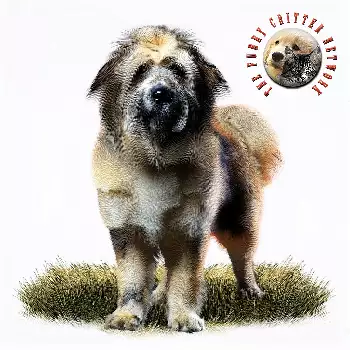

PyreShep

Pyrenean Shepherd
Gallery coming soon

Furry Critter Network Etsy Shop

Quick Facts

🐕 Breed Group
Herding
📏 Size Category
Small
📏 Height
15-21 inches (38-54 cm)
⚖️ Weight
15-30 pounds (7-14 kg)
⏱️ Life Expectancy
15-17 years
🧥 Coat Type
Rough-Faced (long/demi-long) or Smooth-Faced (short)
🎨 Coat Colors
Fawn, Brindle, Gray, Blue Merle, Black, Black with White Markings
😀 Temperament
Intelligent, Active, Devoted, Alert, Mischievous
🏃 Exercise Needs
Very High
🎓 Training Difficulty
Highly Trainable (for experienced owners)
👶 Good with Children
Yes, with proper socialization
🐾 Good with Other Pets
Yes, with early socialization

Other Names & Breed Recognition

The Pyrenean Shepherd carries a collection of names reflecting its French heritage and the regional variations that developed across the Pyrenees mountain range. In its native France, the breed is universally known as Berger des Pyrénées, translating directly to Shepherd of the Pyrenees, a name that has remained unchanged for centuries as these remarkable dogs worked alongside shepherds in some of Europe's most challenging terrain.

The abbreviated designation PyreShep has become an affectionate informal name used throughout the English-speaking world, offering a convenient shorthand for enthusiasts, breeders, and owners discussing this energetic breed. This nickname appears frequently in breed publications, kennel club documents, and casual conversation, providing an accessible alternative to the breed's formal French name while maintaining clear identification.

Regional naming variations historically reflected the somewhat isolated development of dogs in different Pyrenean valleys, where individual communities refined their working dogs according to local needs and preferences. The term Petit Berger, meaning little shepherd, acknowledged the breed's status as the smallest of the French herding dogs while distinguishing it from the much larger Great Pyrenees that worked alongside these active herders. Some historical references use Labrit or Labri, names associated with specific regional populations.

The breed's division into two distinct coat varieties has produced additional nomenclature, with the long-haired or rough-faced variety known in French as à Poil Long or Museau Normal, while the smooth-faced variety carries the designation à Face Rase. These coat-based distinctions appear in formal breed documentation and registration systems, with some countries treating the varieties as separate breeds while others recognize them as variations within a single breed standard.

International recognition has standardized the breed's official designation while preserving the French nomenclature that honors its origins. The Fédération Cynologique Internationale maintains the French names Chien de Berger des Pyrénées à Poil Long for the long-haired variety and Chien de Berger des Pyrénées à Face Rase for the smooth-faced type, acknowledging France's ownership of the breed standards and the country's role in developing these exceptional herding dogs.

The American Kennel Club and other English-language registries have adopted Pyrenean Shepherd as the official breed name, providing clear identification while maintaining connection to the breed's geographic origins. This naming convention has gained acceptance throughout North America, the United Kingdom, and Australia, facilitating international breeding programs and competition while ensuring consistent breed identification across national boundaries.

The Canadian Kennel Club registers the breed as Berger des Pyrénées, preserving the French designation in recognition of Canada's bilingual heritage and the breed's European roots. This naming choice reflects the CKC's approach to maintaining breed nomenclature that honors countries of origin while serving Canadian breeders and enthusiasts.

PyreShep Organizations & Standards

The Pyrenean Shepherd benefits from recognition by major international kennel organizations, each maintaining breed standards that preserve the essential characteristics developed through centuries of selective breeding in the challenging mountain environment where these dogs proved their worth as tireless herding companions. These standards ensure that modern PyreSheps retain the physical attributes, temperament, and working capabilities that defined the breed during its long history in the Pyrenees.

The American Kennel Club granted full recognition to the Pyrenean Shepherd in January 2009, admitting the breed to the Herding Group where it competes today alongside other pastoral breeds. This recognition culminated years of effort by American enthusiasts who imported foundation stock, established breeding programs, and demonstrated the breed's qualities through competition in the Miscellaneous Class. The AKC standard recognizes both rough-faced and smooth-faced varieties as components of a single breed, describing a small, sinewy, lean dog whose sparkling personality animates every movement.

The Pyrenean Shepherd Club of America serves as the AKC parent club, having formed in 1987 to protect and preserve the breed in North America. Working closely with the French parent club, American fanciers established breeding protocols, health testing requirements, and educational programs that continue guiding responsible breed stewardship. The PSCA participates in the Canine Health Information Center database, requiring hip and patella evaluations along with eye examinations before dogs can earn CHIC certification.

The United Kennel Club recognized the Pyrenean Shepherd in 1995, placing the breed in the Herding Dog Group and emphasizing its working heritage and functional abilities. The UKC standard describes an ancient breed native to the Pyrenees Mountain valleys of France, highlighting the courage, resourcefulness, and initiative that enabled these small dogs to manage large flocks across challenging terrain. The UKC's emphasis on working ability complements the conformation focus of other registries.

The Fédération Cynologique Internationale classifies the Pyrenean Shepherd in Group 1 (Sheepdogs and Cattledogs), Section 1 (Sheepdogs), maintaining separate standards for the long-haired variety (Standard Number 141) and the smooth-faced variety (Standard Number 138). France holds breed ownership within the FCI system, with the Réunion des Amateurs de Chiens Pyrénéens serving as the breed's French parent club since its founding in 1923. The FCI standards describe in precise detail the structure, movement, and temperament that distinguish properly bred specimens.

The Kennel Club of the United Kingdom recognizes the Pyrenean Sheepdog in its Pastoral Group, maintaining standards aligned with FCI guidelines while accommodating British show traditions. British breeders have contributed to international breeding programs, importing quality stock and participating in health initiatives that benefit the worldwide PyreShep population.

The Canadian Kennel Club granted full recognition to the Berger des Pyrénées in 1992, placing the breed in Group VII (Herding Dogs). Canadian breeders have maintained strong connections with European breeding programs, importing foundation stock that established the genetic base for North American populations while preserving the working characteristics essential to breed identity. The breed remains relatively rare in Canada but enjoys dedicated support from enthusiasts who appreciate its unique combination of intelligence, energy, and devotion to family.

Kennel Club Recognition

  • American Kennel Club (AKC): Recognized in Herding Group (2009)
  • United Kennel Club (UKC): Recognized in Herding Dog Group (1995)
  • Canadian Kennel Club (CKC): Recognized in Herding Dogs Group (1992)
  • Fédération Cynologique Internationale (FCI): Group 1 (Sheepdogs and Cattledogs), Section 1 (Sheepdogs), Standard No. 141 (Long-haired) and 138 (Smooth-faced)
  • The Kennel Club (UK): Recognized in Pastoral Group

PyreShep Physical Description

The Pyrenean Shepherd presents a picture of efficient functionality in a surprisingly small package, every aspect of its structure contributing to the tireless endurance and agile athleticism required for moving sheep across some of Europe's most challenging mountain terrain. This smallest of the French herding breeds demonstrates that effective herding requires neither great size nor imposing physical presence, but rather the combination of intelligence, speed, and indefatigable energy that characterizes well-bred PyreSheps.

Size specifications reveal the breed's compact dimensions, with males typically standing between 15.5 and 18.5 inches at the withers for rough-faced varieties and 15.5 to 21 inches for smooth-faced types. Females generally measure slightly smaller, ranging from 15 to 18 inches for rough-faced and 15.5 to 20.5 inches for smooth-faced. Weight remains proportionate to height and structure, typically falling between 15 and 30 pounds, with the breed standard emphasizing lean, sinewy build rather than heavy bone or substantial mass.

Proportions differ between the two varieties, with rough-faced dogs clearly longer than tall while smooth-faced individuals present a more square silhouette. Both varieties share the lean, light framework that enables remarkable agility and endurance without the bulk that would prove disadvantageous on steep mountain slopes. The overall impression conveys maximum energy in minimum size, a dog seemingly constructed entirely of bone, sinew, and boundless enthusiasm.

The head contributes significantly to breed type, appearing triangular when viewed from above with a nearly flat skull, rounded at the sides with barely noticeable median furrow. The occiput remains barely perceptible, while the skull slopes gently toward the muzzle without pronounced stop. The muzzle appears straight and shorter than the skull, narrow but not exaggeratedly so, affecting a wedge shape well filled beneath the eyes. Smooth-faced varieties display slightly longer muzzles covered with short, fine hairs that create the variety's distinctive appearance.

Eyes reflect the breed's alert, intelligent character, appearing almond-shaped and dark brown with an expression often described as cunning or wary. The keen gaze suggests a mind constantly processing information about the surrounding environment, evaluating potential threats or opportunities with the calculating assessment of a working herder. Eye rims show full pigmentation, typically black though varying in brown dogs. Blue or partially blue eyes may occur in merle-colored individuals.

Ears set high on the skull may be cropped or natural, with both presentations equally acceptable under American standards though cropping has fallen from favor in many countries. Natural ears typically display semi-erect carriage with the tips falling forward or outward. Ear leather remains thin and mobile, with dogs using ear position expressively to communicate mood and intention.

The coat represents a defining breed characteristic, varying dramatically between the two recognized varieties. Rough-faced dogs carry long or demi-long coats that are dense, almost flat or slightly wavy, with texture described as halfway between goat hair and sheep wool. This unique texture provides weather protection while resisting matting when properly maintained. Hair reaches its greatest length on the neck and withers, forming a prominent ruff, while the face carries longer hair that creates the rough-faced appearance. Some dogs develop cords or strands called cadenettes, particularly on the chest and forelegs, or felted plates called matelotes that overlap like tiles on the croup.

Smooth-faced varieties present an entirely different appearance, with short, fine hair covering the muzzle and face while body coat remains semi-long or less. The facial hair becomes longer on the sides of the head, finishing in a modest ruff. Body coat reaches approximately two inches in length, with the ruff and culottes potentially extending to three inches. This variety's neater facial appearance prompted the French designation à Face Rase, meaning smooth or shaved face.

Coat colors span a wide range, including various shades of fawn from tan to copper, grays from charcoal to silver to pearl, merles in diverse tones, brindle, black, and black with white markings. White should not cover more than thirty percent of the body in black-and-white dogs. The skin beneath often shows mottling with light and dark patches regardless of coat color.

Movement defines breed quality, with the PyreShep's gait described as flowing, the feet barely leaving the ground in a motion that seems to skim the earth. At the trot, the head carries fairly high at slow speeds, lowering to backline level as speed increases. The smooth, efficient gait reflects centuries of selection for dogs who could work all day covering vast distances across mountain terrain without wasting energy on excessive movement.

Affection Level
The PyreShep forms intensely devoted bonds with its primary person, often becoming a true one-person dog. This breed demonstrates profound loyalty and seeks constant companionship, remaining attentive to their chosen human's every movement and mood.
Good With Children
With proper socialization, PyreSheps can coexist well with children, though their herding instincts may prompt them to chase or nip at running youngsters. They do best with older children who understand appropriate dog interaction and respect the breed's sensitivity.
Good With Other Dogs
PyreSheps generally accept other dogs when properly introduced, particularly those they've been raised with. Their herding heritage means they may attempt to control other dogs' movements, and early socialization helps develop appropriate canine social skills.
Shedding Level
Shedding varies by coat type, with the dense double coat producing moderate seasonal shedding. Rough-faced varieties may develop cords or mats that trap loose hair, while smooth-faced dogs shed more visibly throughout the year.
Grooming Needs
Grooming requirements depend on coat variety, with rough-faced dogs needing weekly brushing to prevent matting and smooth-faced dogs requiring less intensive maintenance. Neither variety should be scissored or excessively groomed, as the natural coat serves important protective functions.
Drooling Level
The PyreShep is a notably clean breed with virtually no drooling tendency. Their neat habits and tidy mouths make them pleasant indoor companions who won't leave moisture trails on furniture or clothing.
Coat Length
Rough-faced PyreSheps carry substantial coat length, with hair reaching six to seven centimeters on the neck and withers. Smooth-faced varieties have shorter facial hair but still maintain moderate body coat length for weather protection.
Openness To Strangers
Natural wariness toward strangers served this breed well when alerting guard dogs to potential threats in the mountains. Modern PyreSheps retain this reserved nature, requiring extensive socialization to prevent excessive shyness or fearfulness around unfamiliar people.
Playfulness
Impish and mischievous throughout their lives, PyreSheps approach life with infectious enthusiasm and a sense of humor. Their playful energy demands appropriate outlets, and they excel at games involving speed, agility, and problem-solving.
Protective Nature
While not guardian dogs by heritage, PyreSheps display alert watchfulness and will bark to announce visitors or unusual occurrences. Their historical role involved alerting the larger Great Pyrenees to potential threats rather than confronting dangers directly.
Trainability
Exceptionally intelligent and capable of remarkable learning, the PyreShep requires an experienced handler who understands sensitive, independent herding breeds. Positive methods produce outstanding results, while harsh corrections damage trust and cooperation.
Energy Level
Bred to work tirelessly moving sheep across challenging mountain terrain, the PyreShep possesses seemingly inexhaustible energy reserves. This breed requires substantial daily exercise and mental stimulation to prevent the behavioral problems that develop in understimulated individuals.

PyreShep History & Development

The Pyrenean Shepherd traces its origins to the ancient pastoral traditions of the Pyrenees Mountains, the rugged range separating France from Spain where sheep herding has sustained mountain communities for millennia. Archaeological evidence suggests that small herding dogs resembling modern PyreSheps have worked alongside shepherds in this region for thousands of years, their lineage extending back perhaps to the Neolithic period when early domesticated dogs first assisted humans with livestock management.

The breed's precise origins remain obscured by the mists of time, with no written records documenting its early development in remote mountain valleys where shepherds selected breeding stock based solely on working ability. Some historians propose connections to dogs accompanying Indo-European migrations that brought pastoral traditions to Western Europe over four thousand years ago. Others suggest indigenous development from dogs already present on the Iberian Peninsula, refined through countless generations of selection for the specific demands of Pyrenean sheep herding.

What remains certain is that by the medieval period, small, agile herding dogs had become essential partners in the transhumance, the seasonal movement of sheep between high summer pastures and protected winter valleys. This annual migration across challenging terrain required dogs capable of working long hours over steep slopes, through dense forest, and across rocky outcrops where sure-footedness and endurance proved essential. The PyreShep's compact size proved advantageous in this environment, allowing dogs to navigate terrain that would challenge larger, heavier breeds.

The working relationship between the Pyrenean Shepherd and the Great Pyrenees represents one of canine history's most successful partnerships. The larger Pyrenean Mountain Dogs served as flock guardians, remaining with the sheep to protect against wolves, bears, and human predators. Meanwhile, the smaller PyreSheps acted as the shepherd's direct working partners, moving sheep according to human direction, gathering scattered animals, and alerting the guardian dogs to potential threats. This division of labor enabled effective flock management across vast areas where single shepherds might supervise hundreds of animals.

The breed remained essentially unknown outside its mountain homeland until the early twentieth century, when French cynologists began documenting the indigenous breeds of various regions. Bernard Sénac-Lagrange produced the first formal breed descriptions in the 1920s, working with the newly formed Réunion des Amateurs de Chiens Pyrénéens to establish standards that would guide future breeding. The French parent club published its first official standard in 1923, codifying the characteristics that distinguished quality specimens.

World War I brought unexpected recognition to the Pyrenean Shepherd when hundreds, perhaps thousands, of these brave little dogs served French troops as couriers, search and rescue dogs, and patrol companions. Their small size, intelligence, and tireless energy made them valuable military assets, though the war's demands cost many PyreSheps their lives. The breed's wartime contributions raised its profile while also depleting the already limited population.

The Société Centrale Canine, France's national kennel club, granted formal recognition in 1926, initially classifying the breed as two distinct varieties based on coat type. The Fédération Cynologique Internationale accepted both varieties on a definitive basis in 1955, establishing the international standards that continue guiding breeding programs worldwide. Standard Number 141 covers the long-haired variety while Standard Number 138 addresses the smooth-faced type.

The breed's introduction to North America occurred gradually, with some PyreSheps reportedly accompanying imported sheep flocks during the nineteenth century. Serious breeding efforts began in the 1970s and 1980s when dedicated fanciers imported foundation stock from France, establishing the genetic base for American and Canadian populations. The Pyrenean Shepherd Club of America formed in 1987, working toward AKC recognition that would finally arrive in 2009.

Canadian recognition came earlier, with the Canadian Kennel Club registering the breed in 1992. A small community of dedicated Canadian breeders, particularly Mme Demarais in Quebec, established foundation breeding programs that contributed to North American population development while maintaining connections to European bloodlines.

Today the Pyrenean Shepherd remains relatively rare outside its French homeland, with dedicated breeders working diligently to maintain the exceptional working characteristics and sound temperament that defined the breed throughout its remarkably long mountain heritage. The breed's exceptional intelligence, tireless energy, and devoted personality have attracted enthusiasts worldwide who appreciate these qualities while recognizing that PyreSheps require experienced handling and appropriate lifestyle accommodation to thrive successfully in modern domestic settings.

PyreShep Temperament & Personality

The Pyrenean Shepherd possesses a temperament as distinctive as its appearance, combining exceptional intelligence, boundless energy, and profound devotion in a small package that demands experienced handling and appropriate lifestyle accommodation. Understanding the PyreShep's complex personality helps potential owners determine whether this remarkable breed suits their circumstances while preparing those who proceed for the challenges and rewards of life with these ancient mountain herders.

Intelligence defines the PyreShep's mental landscape, a sharp, quick mind that processes information rapidly and retains learned behaviors with remarkable precision. This cognitive capacity reflects centuries of selection for dogs capable of independent decision-making while working distant from human oversight, solving problems as they arose without waiting for instruction. Modern PyreSheps apply this same intelligence to learning household routines, anticipating owner intentions, and unfortunately, finding creative ways to circumvent rules they find inconvenient.

The breed's devotion to its primary person achieves legendary intensity, with many PyreSheps becoming true one-person dogs whose entire existence centers on their chosen human. This attachment develops early and remains unshakeable throughout the dog's life, producing companions whose attentiveness borders on the uncanny. The bond, while deeply rewarding for the recipient, can create challenges when dogs must accept handling by others or tolerate their person's attention toward alternative recipients.

Energy reserves in well-bred PyreSheps seem virtually inexhaustible, a legacy of breeding for dogs capable of working from dawn to dusk moving sheep across challenging mountain terrain. This vitality manifests as constant motion, alert observation, and eager readiness for activity that continues throughout the breed's notably long lifespan. Puppies display explosive energy that moderates only slightly with maturity, leaving adult dogs requiring substantial daily exercise well into their senior years.

The characteristic PyreShep wariness toward strangers served essential functions in the breed's working history, when dogs needed to distinguish between family members and potential threats while alerting guardian dogs to suspicious approaches. Modern PyreSheps retain this reserved nature, approaching unfamiliar people with caution that extensive socialization can moderate but rarely eliminates entirely. This tendency requires careful management to prevent escalation into fearfulness or inappropriate defensive behavior.

A mischievous sense of humor animates the PyreShep's interactions, with many individuals displaying playful cleverness that delights owners who appreciate canine comedy. These dogs seem to recognize which behaviors generate laughter and may repeat amusing actions for effect, though this same cleverness can complicate training when dogs discover that entertaining disobedience attracts more attention than quiet compliance.

Sensitivity characterizes the breed's response to handler mood and training approach, with PyreSheps demonstrating awareness of human emotional states that influences their own behavior. Harsh corrections, loud voices, or tense handling may produce withdrawal, anxiety, or defensive reactions rather than improved compliance. Successful trainers approach the breed with patience, consistency, and positive methods that preserve the trust essential to productive partnership.

Vocal tendencies in PyreSheps reflect their heritage as alert dogs responsible for notifying guardian dogs about potential threats. Modern individuals retain strong barking instincts, announcing visitors, responding to environmental sounds, and expressing excitement or frustration vocally. Without appropriate management, this tendency can escalate into nuisance barking that disturbs neighbors and strains owner patience.

Herding instinct remains strong in properly bred PyreSheps, manifesting in behaviors that seem appropriate from the dog's perspective but may prove problematic in non-working contexts. Chasing moving objects, circling family members, and nipping at heels represent natural expressions of herding drive that require channeling into appropriate outlets rather than simple suppression.

With other animals, PyreSheps typically coexist peacefully when properly introduced, though their herding instincts may prompt attempts to control the movement of other pets. Dogs raised with cats usually accept feline housemates, while those introduced later may view cats as herding subjects or prey depending on individual temperament and socialization history. Multiple-dog households work best when established early, with the PyreShep's tendency toward same-sex aggression occasionally complicating later additions.

PyreShep Family Life & Living Requirements

The Pyrenean Shepherd integrates into family life with the same wholehearted enthusiasm the breed brings to every endeavor, forming deep bonds with household members while requiring lifestyle accommodations that respect this ancient herder's significant needs for activity, engagement, and appropriate handling. Understanding these requirements before acquiring a PyreShep helps ensure successful placement while preparing families for the rewarding challenges ahead.

Space requirements favor homes with securely fenced yards where PyreSheps can run, explore, and burn energy safely, though the breed's primary need involves active engagement rather than mere territory. Rural or suburban settings generally suit PyreSheps better than urban apartments, providing room for the vigorous activity these dogs require along with reduced density of strangers and stimuli that may trigger reactive barking. However, dedicated urban owners who commit to extensive exercise, training, and socialization can successfully accommodate PyreSheps in apartment settings.

Fencing demands serious attention given the breed's intelligence, agility, and potential for escape when insufficiently stimulated or motivated to investigate interesting stimuli. Standard fencing often proves inadequate for determined PyreSheps, who may climb, dig, or find creative exit strategies. Secure six-foot fencing with buried extensions or concrete barriers typically contains these resourceful dogs while preventing the dangers of unsupervised roaming.

Exercise requirements rank among the highest of any breed, reflecting the PyreShep's heritage as a tireless mountain worker capable of covering vast distances daily. Minimum exercise typically includes ninety minutes or more of vigorous activity, with hiking, running, and agility training providing superior workouts compared to sedate neighborhood walks. Mental exercise through training, puzzle toys, and interactive games supplements physical activity, addressing cognitive needs that remain as demanding as physical requirements.

Children and PyreSheps can form successful relationships when properly managed, though the breed's herding instincts and sensitivity require careful supervision during interactions. Older children who understand appropriate dog handling and can participate in training and exercise often become valued partners for family PyreSheps. Younger children may inadvertently trigger herding behaviors, with running and squealing potentially provoking chase and nip responses that, while not aggressive, can frighten or injure small children.

Teaching children to interact appropriately with dogs remains essential, emphasizing calm behavior, gentle handling, and recognition of canine stress signals. Family PyreSheps benefit from having safe spaces where they can retreat from childhood chaos when needed, preventing the stress that develops when sensitive dogs feel trapped in overwhelming situations.

Other pets typically coexist successfully with PyreSheps when introductions occur during puppyhood and appropriate management prevents rehearsal of problematic behaviors. Cats may trigger herding or prey instincts depending on individual temperament and early experiences, with gradual, supervised introductions establishing appropriate relationships. Other dogs usually find PyreSheps acceptable housemates, though same-sex combinations occasionally develop conflict requiring careful management.

Separation tolerance varies among individuals, with many PyreSheps struggling when left alone due to their intense human attachment. The breed's vocal tendencies may escalate during isolation, with barking and howling disturbing neighbors and indicating genuine distress. Households where someone is typically present suit PyreSheps better than those requiring dogs to spend extended periods alone. Gradual acclimation to separation, appropriate crate training, and enrichment activities help dogs cope with necessary alone time.

Vocal management requires consistent attention given the breed's strong barking instincts. Early training that acknowledges appropriate alerting while discouraging excessive vocalization helps prevent nuisance barking that strains neighbor relations and owner patience. The breed's intelligence enables learning distinctions between acceptable and unacceptable barking contexts when training approaches the issue thoughtfully.

Climate tolerance reflects the breed's mountain heritage, with PyreSheps generally handling cold weather well while potentially struggling in extreme heat. The dense coat that protected dogs in Pyrenean winters requires management during hot summers, with limited outdoor activity during peak heat, access to shade and water, and air conditioning during extreme temperatures.

Grooming demands vary by coat type, with rough-faced varieties requiring weekly brushing to prevent matting while smooth-faced dogs need less intensive maintenance. Neither variety should be scissored or excessively groomed, as the natural coat texture serves important protective functions. Professional grooming typically proves unnecessary for owners willing to maintain home brushing routines.

PyreShep Training & Exercise Needs

Training the Pyrenean Shepherd offers both extraordinary rewards and significant challenges, as this breed's exceptional intelligence and eager working drive combine with sensitivity and independent thinking that demand experienced, thoughtful handling. Success requires understanding the PyreShep's unique psychology while adapting training approaches to match this ancient herder's distinctive learning style and motivational patterns.

Positive reinforcement methods produce outstanding results with PyreSheps, their sensitivity and desire for partnership creating powerful incentives for correct behavior when rewards appear meaningful and delivery proves timely. Food, toys, play, and praise all serve effectively as training rewards, with variety maintaining interest during sessions that might otherwise become repetitive. Harsh corrections, physical punishment, or intimidation-based methods prove deeply counterproductive, damaging the trust-based relationship essential to PyreShep cooperation while potentially triggering defensive reactions or anxious withdrawal.

Puppy training should begin immediately upon bringing a PyreShep home, capitalizing on the early socialization window when young dogs most readily accept new experiences. Given this breed's natural wariness toward strangers, extensive socialization during puppyhood assumes critical importance, with exposure to diverse people, places, sounds, and experiences building the confidence that prevents fearfulness in adult dogs. Undersocialized PyreSheps may develop problematic shyness or reactivity that proves difficult to modify later.

Basic obedience provides foundation behaviors upon which more advanced training builds, with focus, attention, and impulse control particularly important for managing the PyreShep's high energy and quick reactions. Teaching reliable recalls proves especially important given the breed's herding instincts and potential for bolting toward moving stimuli. Leash manners require patient development, as PyreSheps naturally pull toward interesting sights, sounds, and smells.

The breed's intelligence enables rapid learning but also quick identification of loopholes in training consistency. PyreSheps readily discriminate between situations where rules apply versus contexts where relaxed enforcement permits alternative choices. Maintaining consistent expectations across all circumstances prevents the confusion and opportunistic behavior that develops when dogs perceive variability in rule enforcement.

Herding instinct management presents particular challenges, as PyreSheps demonstrate strong drives to chase, circle, and control movement that can prove problematic in non-working contexts. Rather than attempting to suppress these deep-seated instincts, successful training redirects herding energy toward appropriate outlets. Organized herding activities, treibball (ball herding), and structured games that engage herding instincts constructively satisfy drives while preventing inappropriate applications.

Agility offers an ideal outlet for PyreShep energy and intelligence, combining physical activity with mental challenges in ways that engage the breed's natural abilities. These small, quick dogs excel at agility competition, their mountain heritage providing the sure-footedness and body awareness that obstacle work demands. The sport also strengthens handler-dog communication and provides controlled environments for practicing focus amid distractions.

Obedience competition showcases PyreShep precision when training succeeds in channeling the breed's intelligence toward formal work. Rally obedience offers a more relaxed alternative that many PyreSheps find enjoyable, with its varied exercises and handler communication creating engaging challenges. Flyball, disc dog, and other canine sports similarly provide appropriate outlets for PyreShep energy while building teamwork skills.

Exercise requirements demand serious commitment from PyreShep owners, as this breed's energy reserves exceed those of most dogs their size. Minimum exercise typically includes ninety minutes to two hours of vigorous activity daily, with hiking, running, and active play providing superior workouts. Mental exercise through training, puzzle toys, and interactive games supplements physical activity, as tired bodies without tired minds often produce restless, destructive behavior.

Under-exercised PyreSheps inevitably develop behavioral problems, channeling unused energy into destructive behavior, excessive barking, or obsessive activities that indicate unmet needs. The commitment required to adequately exercise this breed cannot be overemphasized, and potential owners should honestly assess their available time and activity levels before selecting a PyreShep.

Training challenges often involve managing the breed's independence rather than addressing defiance or stubbornness. PyreSheps selected for mountain work needed to make quick decisions without human guidance, producing modern dogs who may question commands that seem unnecessary or proceed with their own plans when handler direction isn't compelling. Building engagement that makes cooperation inherently rewarding proves more effective than attempting to enforce compliance through force.

PyreShep Health Concerns

The Pyrenean Shepherd enjoys one of the longest lifespans among all dog breeds, with many individuals living 15 to 17 years and some reaching 18 or 19 years of age. This exceptional longevity reflects the breed's robust constitution developed through centuries of natural selection in demanding mountain environments where only the healthiest, most vigorous dogs survived to reproduce. However, understanding breed-specific health concerns enables owners to provide appropriate preventive care while recognizing early signs of problems that benefit from prompt veterinary attention. The PyreShep community demonstrates strong commitment to health improvement, with the Pyrenean Shepherd Club of America participating in the Canine Health Information Center database and establishing testing protocols that responsible breeders follow.

Common Health Issues

  • Hip dysplasia affects Pyrenean Shepherds at moderate rates, with OFA statistics showing approximately 19 percent of evaluated dogs demonstrating some degree of abnormal hip development.
  • Patellar luxation occurs when the kneecap slips out of its normal position, causing intermittent lameness and gait abnormalities.
  • Epilepsy has been documented in the breed, causing seizures that may range from mild focal episodes to severe generalized convulsions.
  • Progressive retinal atrophy threatens vision in affected dogs, causing gradual deterioration of the retina that eventually leads to blindness.
  • Heart disease, particularly patent ductus arteriosus, represents a congenital condition where a blood vessel that should close shortly after birth remains open, causing abnormal blood flow and potential heart failure.
  • Cataracts can develop in Pyrenean Shepherds, causing cloudiness of the eye lens that impairs vision and may progress to blindness without treatment.

Preventive Care & Health Monitoring

  • Hip dysplasia affects Pyrenean Shepherds at moderate rates, with OFA statistics showing approximately 19 percent of evaluated dogs demonstrating some degree of abnormal hip development.
  • Annual eye examinations through CERF identify developing problems early, while genetic testing in related breeds suggests similar tests may eventually become available for PyreSheps.
  • Symptoms may include coughing, exercise intolerance, and weakness, with surgical correction often possible when the condition is diagnosed early.
  • Regular eye examinations identify developing cataracts early, when treatment options remain most effective.

Responsible breeders consider health alongside conformation and temperament when planning litters. With appropriate preventive care, prompt attention to developing problems, and the genetic advantages conferred by centuries of natural selection, Pyrenean Shepherds frequently enjoy active, healthy lives that extend well beyond most breeds, rewarding their devoted owners with many years of companionship.

PyreShep Grooming & Maintenance

Grooming the Pyrenean Shepherd varies significantly based on coat variety, with rough-faced dogs requiring more intensive maintenance than their smooth-faced counterparts, though neither type demands the elaborate grooming routines associated with some breeds. Understanding proper coat care preserves the natural texture and protective qualities that developed over centuries of mountain work while maintaining the tidy appearance that makes PyreSheps pleasant household companions.

The rough-faced variety carries a coat of remarkable texture, described as halfway between goat hair and sheep wool, that provides excellent weather protection while resisting the matting that plagues many long-coated breeds. This unique coat structure developed through selection for working dogs who needed protection from harsh mountain conditions without requiring grooming attention that shepherds couldn't provide in remote pastures. Modern rough-faced PyreSheps retain this practical coat when breeding preserves proper texture.

Weekly brushing typically suffices for rough-faced PyreSheps, with thorough sessions that reach the skin to detect developing mats before they tighten into painful tangles. Slicker brushes and wide-toothed combs serve well for routine maintenance, while mat splitters or detangling sprays address any problem areas. The coat should appear slightly windblown and tousled rather than meticulously groomed, preserving the natural appearance that characterizes the breed.

Some rough-faced dogs develop cords or strands called cadenettes, particularly on the chest and forelegs, or felted plates called matelotes that overlap like tiles on the croup. These formations represent natural coat development rather than matting, though owners unfamiliar with the phenomenon sometimes attempt to brush them out. Proper cadenettes and matelotes may be left intact, separated into smaller cords, or gently removed according to owner preference and show requirements.

Smooth-faced PyreSheps require less intensive coat maintenance, their shorter facial hair and moderate body coat producing a neater appearance with less grooming effort. Weekly brushing removes loose hair and distributes skin oils while checking for any developing mats in the longer coat areas around the neck and hindquarters. The smooth-faced coat still provides weather protection but demands less owner attention than the rough-faced variety.

Neither variety should be scissored, clipped, or otherwise artificially shaped, as the natural coat texture serves important protective functions and cutting produces undesirable results. Show standards specifically fault scissored coats, but practical considerations also discourage trimming, as cut hair often regrows with altered texture that reduces weather resistance and increases matting tendency.

Bathing occurs as needed rather than on fixed schedules, with most PyreSheps requiring baths every few months unless specific circumstances dictate more frequent washing. The coat's natural texture tends to shed dirt when dry, reducing bathing requirements compared to breeds with softer coats. Using appropriate dog shampoo preserves coat health while avoiding the skin irritation harsh detergents can cause. Thorough rinsing removes all shampoo residue that could irritate skin or alter coat texture.

Ear care assumes particular importance given the breed's semi-erect ear carriage, which can trap debris and moisture. Weekly ear inspection and cleaning with appropriate solutions removes accumulations before problems develop. Dogs showing signs of ear infection, including odor, discharge, or apparent discomfort, require veterinary attention for appropriate treatment.

Dental care follows standard canine protocols, with regular brushing using dog-specific toothpaste preventing the periodontal disease that affects many breeds. The PyreShep's intelligence often makes them cooperative dental care patients once accustomed to the brushing routine, particularly when positive associations develop during puppyhood. Dental chews and professional cleanings supplement home care.

Nail trimming maintains proper foot structure and comfortable movement, with monthly attention typically sufficient for most dogs. Active PyreSheps exercising on hard surfaces may wear nails naturally, requiring less frequent trimming, while less active individuals need more regular attention. Establishing positive associations with nail care during puppyhood eases lifetime maintenance for this sometimes sensitive breed.