Quick Facts

🛡️ Breed Organization
American Kennel Club (AKC), Fédération Cynologique Internationale (FCI), United Kennel Club (UKC)
🌍 Native Country
England, United Kingdom
📏 Size & Weight
Males: 30+ inches, 160-230 lbs; Females: 27.5+ inches, 120-170 lbs
⏱️ Life Expectancy
6-10 years
👶 Average Litter Size
2-5 puppies
🏷️ Breed Group
Working Group (AKC), Working Dogs (FCI)

Other Names

The Old English Mastiff is known by several names throughout different regions and organizations. Most commonly, this magnificent breed is simply called the "English Mastiff" or just "Mastiff" in many countries, particularly in North America. In some historical contexts, they have been referred to as the "Olde English Mastiffe" using archaic spelling. The breed has also been known as the "British Mastiff" in some international circles, though this is less common.

Within breed registries, the official name varies slightly. The American Kennel Club recognizes the breed as simply "Mastiff," while the Fédération Cynologique Internationale lists them under "Mastiff." Some older literature and historical documents refer to them as the "English Mastiff Dog" or "Great English Mastiff," emphasizing their impressive size and English heritage.

Colloquially, owners and enthusiasts often use affectionate nicknames such as "Gentle Giant," "English Gentle Giant," or simply "Big Boy" or "Big Girl" when referring to their beloved companions. These informal names reflect the breed's characteristic combination of massive size with a notably sweet and calm temperament.

Old English Mastiff Description

The Old English Mastiff stands as one of the most imposing and majestic dog breeds in the world, combining massive physical presence with a surprisingly gentle and affectionate nature. These ancient guardians represent the epitome of the "gentle giant" concept, weighing in as one of the heaviest dog breeds while maintaining a calm, dignified demeanor that has endeared them to families for centuries.

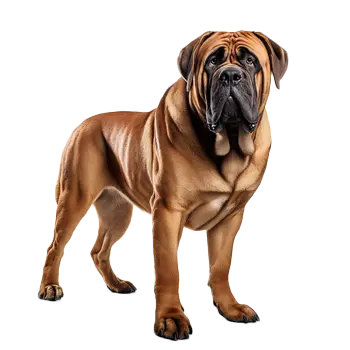
Physically, the Old English Mastiff is built on a grand scale. Males typically stand at least 30 inches at the shoulder and can weigh anywhere from 160 to 230 pounds, with exceptional specimens reaching even greater weights. Females are slightly smaller but still formidable, standing at least 27.5 inches tall and weighing between 120 and 170 pounds. Despite their enormous size, these dogs move with surprising grace and dignity, their powerful build designed for endurance rather than speed.

The breed's head is perhaps their most distinctive feature - massive, broad, and well-proportioned to their body size. The skull is wide between the ears with a well-defined stop, while the muzzle is short, broad, and deep. Their eyes are set wide apart, medium in size, and express intelligence and gentleness. The ears are small in proportion to the head, V-shaped, and hang close to the cheeks, giving the dog an alert yet peaceful expression.

The Old English Mastiff's body is powerfully built with a broad chest, well-sprung ribs, and a strong, straight back. Their tail is set moderately high, wide at the root, and tapering to the tip. The legs are strong and well-boned, supporting their considerable weight with remarkable stability. The overall impression is one of massive strength combined with nobility and dignity.

The breed's temperament is where they truly shine as family companions. Despite their formidable appearance, Old English Mastiffs are known for their gentle, calm, and affectionate nature. They are naturally protective of their family without being aggressive, preferring to use their imposing presence as a deterrent rather than confrontation. These dogs form strong bonds with their families and are particularly patient and gentle with children, often serving as living pillows for young family members.

Intelligence is another hallmark of the breed, though they can sometimes appear stubborn or slow to respond. This is often misinterpreted - Old English Mastiffs are thoughtful dogs who prefer to assess situations before acting. They are highly trainable when approached with patience and consistency, responding best to positive reinforcement methods rather than harsh corrections.

The social nature of the Old English Mastiff makes them excellent family dogs, but they do require proper socialization from an early age. While naturally gentle, their size means that even playful behavior can be overwhelming if not properly channeled. They generally get along well with other pets when properly introduced and socialized, though their protective instincts may emerge if they perceive threats to their family.

Exercise needs for the Old English Mastiff are moderate but important for maintaining their health and preventing obesity. While they don't require the high-energy exercise of smaller breeds, they do need regular walks and mental stimulation. Their exercise routine should be carefully managed, especially during puppyhood, to avoid putting too much stress on developing joints and bones.

The breed's low energy level indoors makes them surprisingly suitable for various living situations, though space considerations are important due to their size. They are generally quiet dogs, not prone to excessive barking, though they will alert their family to visitors or unusual occurrences with their deep, resonant bark.

Grooming requirements are relatively straightforward, though the sheer size of the dog makes routine care more time-consuming. Their short coat sheds moderately year-round with heavier shedding periods twice annually. Regular brushing helps manage loose hair and keeps their coat healthy and shiny.

The Old English Mastiff's adaptability extends to climate considerations. Their short coat provides minimal insulation, making them sensitive to extreme temperatures. They prefer moderate climates and need protection from both extreme heat and cold. During hot weather, they're susceptible to overheating due to their size and shortened muzzle, requiring careful monitoring and access to cool, shaded areas.

As working dogs historically, Old English Mastiffs retain many traits that made them valuable guardians and companions to nobility and commoners alike. Their natural protective instincts are balanced by their inherent gentleness, making them excellent family protectors who can distinguish between normal social interactions and genuine threats.

The breed's longevity, while shorter than many smaller breeds, can be maximized through proper care, nutrition, and regular veterinary attention. Their giant size brings specific health considerations that responsible owners must understand and address proactively. Despite these challenges, the reward of sharing life with an Old English Mastiff is immeasurable for those who appreciate their unique combination of strength, gentleness, and unwavering loyalty.

Modern Old English Mastiffs continue to excel as family companions, therapy dogs, and gentle ambassadors for their breed. Their imposing size commands respect, while their gentle nature wins hearts, making them truly unique in the canine world. For families seeking a loyal, protective, and affectionate companion who happens to be one of the largest dogs on Earth, the Old English Mastiff represents an extraordinary choice that brings both challenges and incomparable rewards.

Coat Type
Double coat with short, straight, coarse outer coat and dense undercoat
Coat Length/Shedding
Short coat, moderate to heavy shedding year-round with seasonal increases
Openness to Strangers
Naturally reserved with strangers but not aggressive; becomes more welcoming once properly introduced
Playfulness Level
Moderate playfulness, especially as adults; enjoys interactive play but prefers calm activities
Watchdog/Protective Nature
Excellent natural guardian instincts, protective but not aggressive; uses size and presence as deterrent
Adaptability Level
Moderate adaptability; adjusts to routine changes but needs space and climate considerations
Trainability Level
Highly trainable with patience and positive methods; intelligent but thoughtful in response
Energy Level
Low to moderate energy; requires regular exercise but not high-intensity activities
Barking Level
Low tendency to bark unnecessarily; deep, resonant bark used primarily for alerting
Affectionate with Family
Extremely affectionate and devoted to family members; forms strong bonds with all family members
Good with Young Children
Excellent with children when properly socialized; naturally gentle and patient with young family members
Good with Other Pets
Generally good with other pets when properly socialized; may be protective of smaller animals

Old English Mastiff Standard By Organization

American Kennel Club (AKC)

General Appearance: The Mastiff is a large, massive, symmetrical dog with a well-knit frame. The impression is one of grandeur and dignity. Dogs are more massive throughout than bitches. Size: Dogs, minimum 30 inches at shoulder; Bitches, minimum 27½ inches at shoulder. Fault: Dogs under 30 inches; bitches under 27½ inches.

Head: In general outline giving a massive appearance when viewed from any angle. Breadth greatly to be desired. Skull broad between the ears, forehead flat, but wrinkled when excited. Brows slightly raised; muscles of the temples and cheeks well developed. Arch across the skull from ear to ear a flattened curve with a furrow up the center of the forehead. Eyes set wide apart, medium in size, never too prominent. Expression alert but kindly. Color of eyes brown, the darker the better, and showing no haw.

Ears small in proportion to the skull, V-shaped, rounded at the tips. Leather moderately thin, set widely apart at the highest points on the sides of the skull continuing the outline across the summit. They should lie close to the cheeks when in repose. Ears dark in color, the blacker the better, conforming to the color of the muzzle.

Muzzle short, broad under the eyes and running nearly equal in width to the end of the nose. Truncated, showing great depth from the point of the nose to the underjaw. Underjaw broad to the end and slightly rounded. Muzzle dark in color, the blacker the better. Muzzle should be half the length of the skull. Lack of foreface with nostrils set on top of muzzle is a reversion to the Bulldog and is very undesirable. A dark muzzle is preferable.

Body: Neck slightly arched, moderately long, very muscular, and measuring in circumference about one or two inches less than the skull before the ears. Chest wide, deep, rounded between the forelegs, well let down between them. Ribs extremely well rounded. False ribs deep and well set back. Shoulder and arm slightly sloping, giving stability and power. Forearms straight, strong and set wide apart, heavy boned. Elbows parallel to body. Feet large, round, and compact with well arched toes. Pasterns strong and bent only slightly.

Back muscularly powerful and straight. Loins wide and muscular. Flanks properly drawn up. Hindquarters broad, wide and muscular. Second thighs well developed, hocks bent, wide apart, and quite squarely set when standing or walking. Feet large, round, and compact with well arched toes.

Tail set on moderately high and reaching to the hocks or a little below them. Wide at the root, tapering to the end, hanging straight in repose, forming a slight curve, but never over the back when the dog is in action.

Coat: Outer coat moderately coarse. Undercoat, dense, short, and close lying. Coat should not be so long as to produce 'fringe' on the belly, tail, or hind legs. Color: Apricot, silver fawn, or dark fawn-brindle. Fawn-brindle should have fawn as a background color which should be throughout completely covered with very dark stripes. In any case, muzzle, ears, and nose should be dark in color, the blacker the better, with similar color tone around the eye orbits and extending upward between them.

Fédération Cynologique Internationale (FCI)

General Appearance: Head in general outline giving a square appearance when viewed from any angle. Breadth greatly to be desired. Body massive, broad, deep, long, powerfully built, on legs wide apart and squarely set. Muscles sharply defined. Size should be combined with soundness. Height and substance important if both points are proportionally combined.

Important Proportions: Length of body from point of shoulder to point of buttock greater than height at withers. Height of body from withers to elbow equal to height from elbow to ground. Circumference of skull in front of ears greater than height of dog at withers.

Behaviour and Temperament: A combination of grandeur and good nature, courage and docility. Dignified rather than gay. Head: Skull broad between ears, forehead flat, with wrinkles when attention is excited. Brows slightly raised. Muscles of temples and cheeks well developed. Arch across skull a flattened curve, with a furrow up the center of the forehead from between the eyes to halfway up the sagittal suture.

Stop: There should be a distinct stop between the eyes with some depth of furrow. Nose: Broad with widely spreading nostrils when viewed from front, flat, not pointed or turned up in profile. Muzzle: Short, broad under the eyes, and keeping nearly parallel in width to end of nose. Truncated, showing great depth from point of nose to underjaw. Lips: Diverging at obtuse angles with the septum and sufficiently pendulous to show a square profile.

Eyes: Small, wide apart, divided by at least the space of two eyes. The stop between the eyes well marked but not over abrupt. Colour hazel brown, the darker the better, showing no haw. Free from obvious eye problems. Ears: Small, thin to the touch, wide apart, set on at the highest points of the sides of the skull, so as to continue the outline across the summit, and lying flat and close to the cheeks when in repose.

United Kennel Club (UKC)

General Appearance: The Mastiff is a large, massive, powerful, symmetrical, well-knit dog. The head is massive and the body is rectangular rather than square. The Mastiff is courageous but not aggressive, and combines a grandeur and dignity with a kindly nature. The breed has an ancient lineage, and over the centuries has been consistently bred for size, substance, and the typical Mastiff head and expression.

Characteristics: The Mastiff is innately good-natured, calm, easygoing, and surprisingly gentle for such a large dog. They are self-confident and watchful, and are naturally protective of home and family. They make excellent family companions. The breed is characteristically docile, but is capable of guarding. Typically slower to mature, both physically and mentally.

Head and Skull: The head gives a rectangular appearance when viewed from any angle. The breadth of the head is greatly desired and should be in proportion to the length of the entire dog. The skull is broad and flat between the ears. The forehead shows marked wrinkles which are particularly distinctive when the dog is alert or excited. The brows are slightly raised, and the muscles of the temporal region and cheeks are well developed.

Size and Weight: Dogs minimum 30 inches at the withers. Bitches minimum 27.5 inches at the withers. Dogs typically weigh 160-230 pounds. Bitches typically weigh 120-170 pounds. Great size is desirable provided that the proportions and type are maintained. Equal consideration is to be given to height and substance.

Other Organizations

The Kennel Club (UK): Recognizes the breed as the "Mastiff" with similar standards emphasizing the massive head, broad skull, and gentle temperament. Slight variations in wording but consistent emphasis on size, proportion, and character.

Canadian Kennel Club: Follows standards very similar to the AKC, with the breed recognized as "Mastiff." Emphasis on the combination of size with soundness and the characteristic gentle but watchful temperament.

Australian National Kennel Council: Similar standards to FCI, recognizing the breed's need for both impressive size and maintained proportion. Special attention to the breed's suitability as a family companion despite their imposing appearance.

Various smaller kennel clubs worldwide generally follow either the AKC, FCI, or Kennel Club (UK) standards with minor regional adaptations. All recognized standards emphasize the breed's distinctive massive head, powerful body, gentle temperament, and the importance of maintaining breed type while selecting for size and substance.

Old English Mastiff History

The Old English Mastiff boasts one of the most ancient and storied lineages in the canine world, with roots stretching back over 2,000 years into the misty depths of British history. Archaeological evidence and historical records suggest that massive dogs similar to the modern Mastiff were present in Britain long before the Roman invasion, serving the Celtic tribes as guardians of property and companions in warfare.

The earliest documented references to these imposing dogs come from Roman writings, where they described the fearsome British war dogs that fought alongside Celtic warriors against Roman legions. Julius Caesar himself wrote of the courage and ferocity of British dogs, noting their size and fighting spirit. These early Mastiff-type dogs so impressed the Romans that they began importing them to Rome for use in the Colosseum, where they fought against gladiators, wild beasts, and each other in the brutal spectacles that entertained Roman citizens.

During the Roman occupation of Britain (43-410 AD), the breed likely received influences from Roman Molossian dogs and other mastiff-type breeds brought by the invaders. This crossbreeding helped establish the foundation bloodlines that would eventually develop into the distinct English Mastiff breed. The Romans maintained breeding programs for these dogs, recognizing their value both as war dogs and as impressive symbols of power and status.

After the fall of Roman rule in Britain, the Anglo-Saxon period saw these massive dogs transition from primarily military roles to becoming guardians of estates and livestock. Medieval records from the 11th century onward frequently mention "bande-dogges" or "tye-dogges" - terms referring to the large guard dogs kept chained during the day and released at night to protect properties from wolves, bears, and human intruders.

The Norman Conquest of 1066 brought new influences to the breed, as Norman nobles brought their own large hunting and guard dogs. During the medieval period, ownership of mastiff-type dogs became closely associated with the nobility and landed gentry. The Forest Laws enacted by Norman kings prohibited commoners from owning large dogs capable of hunting royal game, making Mastiffs symbols of aristocratic privilege.

One of the most famous early examples of the breed's loyalty and courage comes from the legend of Sir Piers Legh and his Mastiff at the Battle of Agincourt in 1415. According to the story, Sir Piers was wounded in battle, and his faithful Mastiff stood guard over him for many hours until help arrived. The dog was said to have been brought back to the Legh family estate, where it became the foundation for the famous Lyme Hall Mastiffs, a bloodline that continued for over 500 years.

During the Tudor period (1485-1603), Mastiffs gained renewed prominence as royal and noble guard dogs. King Henry VIII was known to be particularly fond of the breed and maintained kennels of Mastiffs at various royal residences. These dogs were used not only as guardians but also in the brutal sport of bear-baiting, which was popular entertainment among all social classes during this era.

The Elizabethan age saw the beginning of more systematic breeding efforts, as wealthy landowners began maintaining detailed records of their dogs' lineages. The breed's reputation for loyalty, courage, and impressive size made them highly prized, and Mastiffs were often given as diplomatic gifts between noble houses and even foreign dignitaries.

The 17th and 18th centuries brought significant challenges to the breed. The English Civil War (1642-1651) disrupted many breeding programs as estates were destroyed and noble families displaced. Additionally, changing attitudes toward blood sports and the gradual elimination of large predators from the British Isles reduced the practical need for such massive guard dogs.

The Industrial Revolution of the 18th and 19th centuries initially threatened the breed's survival as traditional aristocratic patronage declined and urban living became more common. However, this period also saw the rise of organized dog breeding and the establishment of breed standards. The first dog shows in the mid-1800s featured Mastiffs prominently, and dedicated breeders began working to preserve and refine the breed's characteristics.

The Victorian era marked a crucial period in the breed's development. Queen Victoria's patronage of dog breeding and showing helped maintain public interest in purebred dogs, including Mastiffs. During this time, the breed standard became more formalized, with emphasis placed on the massive head, gentle temperament, and impressive size that characterizes the modern Mastiff.

The late 19th century saw the establishment of the first Mastiff breeding clubs and the maintenance of detailed stud books. Notable breeders like John Wigglesworth began systematic breeding programs that helped establish the consistent type seen in modern Mastiffs. The breed was among the first to be recognized by The Kennel Club when it was founded in 1873.

World War I dealt a devastating blow to the breed, as food rationing made it nearly impossible to maintain large dogs, and many breeding programs were suspended or abandoned. The breed's population in Britain dropped to critically low numbers, with only a handful of breeding pairs surviving the war years.

Recovery after WWI was slow but determined. Dedicated breeders worked to rebuild the population using the surviving bloodlines, often outcrossing to similar breeds to maintain genetic diversity. The interwar period saw gradual recovery, but World War II brought even greater challenges as bombing, food shortages, and evacuation displaced both breeders and dogs.

The modern renaissance of the Old English Mastiff began in the post-WWII era, with significant contributions from both British and American breeding programs. American breeders, who had maintained larger populations during the wars, played a crucial role in helping rebuild European bloodlines. The establishment of the Mastiff Club of America in the early 20th century had helped maintain breed interest and quality in North America.

The breed's introduction to other countries followed patterns of British colonization and immigration. Mastiffs arrived in Australia and New Zealand with British settlers, while American populations grew through both colonial-era importations and later breed-specific imports. Each region developed its own breeding programs while maintaining the essential characteristics that define the breed.

Contemporary Old English Mastiff breeding focuses on maintaining the breed's impressive size and gentle temperament while addressing health concerns common to giant breeds. Modern breeding programs emphasize health testing, genetic diversity, and temperament evaluation to ensure the breed continues to thrive as both family companions and impressive representatives of canine nobility.

Today's Old English Mastiff represents thousands of years of selective breeding, combining ancient working ability with modern companion dog qualities. The breed's history reflects humanity's changing relationship with dogs, from war companions and estate guardians to beloved family members who happen to be among the largest dogs on Earth. This remarkable journey from ancient British war dog to modern gentle giant illustrates both the breed's adaptability and the enduring human fascination with these magnificent animals.

The breed's historical significance extends beyond its practical uses to its symbolic representation of British heritage and the human-canine bond. Museums, historical societies, and breed enthusiasts continue to research and preserve the rich history of the Old English Mastiff, ensuring that future generations understand and appreciate the remarkable journey of these gentle giants through the centuries.

Old English Mastiff Function

The Old English Mastiff's historical and contemporary functions reflect the breed's evolution from ancient war dog to modern family guardian and companion. Throughout their long history, these magnificent dogs have adapted their natural instincts and capabilities to serve various roles that capitalize on their impressive size, natural protective instincts, and surprisingly gentle temperament.

Historically, the primary function of the Old English Mastiff was as a war dog and property guardian. In ancient Britain, Celtic tribes utilized these massive dogs in battle, where their size, strength, and fearless nature made them formidable opponents. Archaeological evidence suggests these dogs were trained to fight alongside warriors, capable of bringing down mounted enemies and serving as living weapons in tribal conflicts. Their reputation was so fearsome that Roman historians specifically noted their prowess in battle.

During medieval times, the breed's function evolved to focus more heavily on estate protection and livestock guarding. As Britain became more settled and organized, the need for war dogs diminished, but the requirement for effective property guardians increased. Mastiffs were particularly valued for their ability to deter both human intruders and large predators such as wolves and bears, which were still common in medieval Britain.

The "bande-dogge" tradition that developed during this period saw Mastiffs chained during daylight hours and released at night to patrol estates and farms. This practice took advantage of the breed's natural protective instincts while ensuring they didn't interfere with daily activities. Their deep, resonant bark served as an effective early warning system, while their imposing presence was often enough to deter potential threats without the need for physical confrontation.

During the Tudor and Elizabethan periods, Mastiffs found new functions in the brutal sports popular among all social classes. Bear-baiting and bull-baiting utilized the breed's size, strength, and tenacity, though this period represents a darker chapter in the breed's history. While these activities were eventually outlawed, they demonstrated the breed's courage and power, characteristics that were later channeled into more positive roles.

The traditional function of the Old English Mastiff as a deterrent cannot be overstated. Their impressive size and dignified bearing made them living symbols of power and status. Noble families often kept Mastiffs not just for their practical protective value, but as impressive displays of wealth and influence. The sight of these massive dogs was often enough to discourage potential threats without any need for aggressive action.

In modern times, the Old English Mastiff's primary function has shifted dramatically toward companionship and family protection. Today's Mastiffs serve as gentle giants who provide both emotional support and security for their families. Their natural protective instincts have been refined through selective breeding to create dogs who are naturally suspicious of strangers but not aggressive, preferring to use their imposing presence as a deterrent rather than physical confrontation.

Contemporary family protection represents perhaps the breed's most important modern function. Old English Mastiffs excel at assessing situations and responding appropriately to potential threats. Their calm, thoughtful nature allows them to distinguish between normal social interactions and genuine security concerns. When they do perceive a threat, their response is typically measured and proportionate, using their size and deep bark to discourage unwanted behavior.

The breed's function as a therapy and emotional support animal has gained recognition in recent decades. Their gentle, calm nature makes them excellent candidates for therapeutic work, particularly in situations where their impressive size provides comfort and security to those they're helping. Many Mastiffs work in hospitals, nursing homes, and other care facilities where their presence brings joy and emotional support to patients and residents.

Mastiffs have also found success in competitive dog sports and activities, though their approach differs from more energetic breeds. In obedience competitions, they demonstrate the intelligence and trainability that has always characterized the breed. While not suited for high-energy activities like agility, they excel in disciplines that reward calm, measured responses and strong handler-dog relationships.

The breed's function in modern law enforcement and security work continues in specialized roles. While not typically used as patrol dogs due to their calm temperament, some Mastiffs work in detection roles where their intelligence and strong nose can be utilized. Their imposing presence also makes them valuable in certain security applications where deterrence is more important than active intervention.

Educational and ambassadorial functions represent another important modern role for the breed. Well-trained Mastiffs serve as breed ambassadors at dog shows, educational events, and public demonstrations. Their combination of impressive size with gentle temperament helps educate the public about responsible dog ownership and the true nature of giant breeds.

The Old English Mastiff's function as a family companion encompasses many aspects of daily life. They serve as playmates for children, providing patient interaction and teaching young people about responsible pet care. Their low energy requirements make them suitable apartment dogs despite their size, functioning well as calm, quiet housemates who adapt to their family's lifestyle.

Search and rescue work represents an emerging function for some Mastiffs, particularly in areas where their size and strength can be advantageous. While not as common as breeds like German Shepherds or Labrador Retrievers in this field, Mastiffs have successfully participated in search operations where their powerful build and determination prove valuable.

The breed's function in preserving genetic diversity and breed history is increasingly important as breeders work to maintain healthy populations while preserving the characteristics that define the Old English Mastiff. Modern breeding programs focus on maintaining the breed's traditional functions while adapting to contemporary needs and addressing health concerns common to giant breeds.

Ultimately, the Old English Mastiff's greatest modern function may be as a living link to canine history and a testament to the enduring bond between humans and dogs. These gentle giants represent thousands of years of selective breeding and human partnership, demonstrating how a breed originally developed for war and protection can evolve into one of the most beloved family companions in the canine world.

The breed continues to adapt to new roles and functions as society changes, always maintaining the essential characteristics of size, strength, intelligence, and gentle temperament that have made them valuable human partners throughout history. Whether serving as family protectors, therapy dogs, or simply beloved companions, Old English Mastiffs continue to fulfill their most important function: enriching the lives of the humans privileged to share their lives with these remarkable animals.

Old English Mastiff Behavior

The behavioral characteristics of the Old English Mastiff represent a fascinating study in contrasts - massive physical presence combined with gentle temperament, natural protective instincts balanced with calm docility, and impressive intelligence coupled with thoughtful deliberation. Understanding these behavioral traits is essential for anyone considering sharing their life with one of these gentle giants.

At the core of Mastiff behavior is their naturally calm and dignified demeanor. These dogs rarely display the hyperactive or anxious behaviors common in many other breeds. Instead, they approach life with a measured, thoughtful attitude that reflects their centuries of breeding as guardian dogs who needed to assess situations carefully before acting. This calmness makes them excellent companions for families seeking a peaceful household environment.

The protective instinct in Old English Mastiffs is perhaps their most notable behavioral characteristic, though it manifests quite differently from the aggressive guarding behavior seen in some breeds. Mastiffs are naturally suspicious of strangers and will position themselves between their family and potential threats, but they rarely act aggressively without significant provocation. Their protection style relies more on intimidation through their imposing presence rather than active confrontation.

Intelligence in Mastiffs is often underestimated due to their deliberate response style. These dogs are highly intelligent but prefer to think before acting, which can sometimes be misinterpreted as slowness or stubbornness. They excel at reading human emotions and social situations, demonstrating remarkable intuition about family dynamics and individual needs. This intelligence makes them highly trainable when approached with patience and positive reinforcement methods.

Social behavior in Old English Mastiffs is generally excellent, though proper socialization from an early age is crucial due to their eventual size. Well-socialized Mastiffs are friendly with familiar people and can be taught to accept strangers appropriately. They typically enjoy meeting new people once properly introduced, though they may remain somewhat reserved compared to more outgoing breeds.

The breed's interaction with children is legendary, earning them the nickname "gentle giants." Mastiffs seem to instinctively understand their size relative to small children and adjust their behavior accordingly. They are remarkably patient with young family members, often tolerating behavior that would annoy other breeds. However, their size means that even gentle play can accidentally overwhelm very small children, requiring supervision during interactions.

Energy levels in Old English Mastiffs are generally low to moderate, especially in adult dogs. Puppies may display higher energy and playfulness, but most adult Mastiffs are content with moderate daily exercise and prefer calm activities. This low energy level makes them surprisingly suitable for apartment living, provided they receive adequate daily exercise and mental stimulation.

Exercise behavior in Mastiffs requires careful consideration of their physical limitations and health needs. They enjoy daily walks and appreciate opportunities to explore new environments, but they are not suited for high-intensity activities like jogging or agility work. Their exercise needs can usually be met with regular walks, some playtime, and mental stimulation through training or puzzle toys.

Communication behavior in Old English Mastiffs is generally restrained. They are not typically vocal dogs, preferring to communicate through body language and positioning. When they do bark, it's usually for good reason - alerting to strangers or unusual situations. Their bark is deep and resonant, serving as an effective deterrent and communication tool. They rarely engage in nuisance barking or excessive vocalization.

Training behavior reveals the breed's intelligence and eagerness to please, though their approach to learning is methodical rather than enthusiastic. Mastiffs respond best to positive reinforcement techniques and consistent, patient training methods. They can become stubborn if subjected to harsh corrections or inconsistent handling. Early socialization and basic obedience training are essential due to their eventual size and strength.

Territorial behavior in Mastiffs is moderate and usually appropriate. They naturally consider their home and family their responsibility to protect, but well-bred and properly socialized dogs don't display excessive territorial aggression. They may patrol their property and investigate unusual sounds or visitors, but they typically defer to their owner's judgment about whether situations require their intervention.

The breed's behavior with other pets depends largely on socialization and individual personality. Many Mastiffs coexist peacefully with other dogs and even cats when properly introduced and socialized. Their calm nature often makes them good companions for other pets, though their size means that rough play with smaller animals should be supervised. Some Mastiffs may display same-sex aggression, particularly males, requiring careful management in multi-dog households.

Separation anxiety is not typically a major behavioral issue for Old English Mastiffs, though they do form strong bonds with their families. They can usually tolerate being left alone for reasonable periods, though like all dogs, they prefer companionship. Their calm nature helps them cope with routine separations better than many more anxious breeds.

Feeding behavior in Mastiffs requires special consideration due to their size and susceptibility to bloat. They tend to be somewhat possessive of food, though not typically aggressive about it. Many Mastiffs benefit from elevated feeding stations and multiple small meals rather than one or two large meals per day. Their eating habits are usually methodical rather than rushed.

Attention-seeking behavior in Mastiffs is generally subtle. Rather than demanding attention through barking or hyperactive behavior, they may simply position themselves near their favorite people or rest their massive head on someone's lap. This gentle approach to seeking affection is characteristic of the breed's overall demeanor.

Problem behaviors in Old English Mastiffs are usually related to their size rather than aggression or destructiveness. Jumping up to greet people can be problematic due to their weight, and their tail can clear coffee tables with ease. Pulling on the leash can be challenging given their strength, making early training essential. Digging and destructive chewing are not typically major issues with this breed.

Adaptability behavior shows that Mastiffs can adjust to various living situations provided their basic needs are met. They adapt well to routine changes and can travel with their families, though their size presents logistical challenges. They generally prefer stable routines but are flexible enough to accommodate their family's lifestyle changes.

Age-related behavior changes in Mastiffs often involve increased calmness and decreased activity levels as they mature. Senior Mastiffs may become even more sedentary and may require encouragement to maintain appropriate exercise levels. Their protective instincts typically remain strong throughout their lives, though they may become more selective about what situations warrant their attention.

Understanding and working with the natural behavioral tendencies of the Old English Mastiff creates the foundation for a successful relationship with these remarkable dogs. Their combination of strength, intelligence, and gentleness requires knowledgeable handling and appropriate training, but rewards owners with a loyal, protective, and loving companion who embodies the best qualities of the human-canine bond.

The key to successful Mastiff ownership lies in appreciating their behavioral characteristics and working with them rather than against them. These dogs thrive when their natural instincts are channeled positively through training, socialization, and appropriate outlets for their protective and companionship needs. When properly understood and managed, the Old English Mastiff's behavior makes them incomparable family companions and gentle guardians.

Old English Mastiff Family Dynamics

The Old English Mastiff's integration into family dynamics represents one of the most remarkable aspects of the breed, as these massive dogs demonstrate an almost supernatural ability to adapt their behavior to fit seamlessly into the complex social structure of modern families. Their natural understanding of family hierarchies, combined with their gentle nature and protective instincts, makes them exceptional family members who enrich household dynamics in unique and meaningful ways.

Within the family unit, Old English Mastiffs naturally assume the role of gentle protector and calm mediator. They seem to intuitively understand their position as guardians while respecting the leadership of their human family members. This balance allows them to provide security and comfort without challenging family authority structures or creating dominance issues that can occur with some breeds.

The relationship between Mastiffs and children is particularly special and forms a cornerstone of the breed's family integration. These dogs display an almost magical ability to adjust their behavior around young family members, becoming living pillows, patient playmates, and gentle guardians. Children often form intense bonds with their Mastiff companions, learning valuable lessons about responsibility, empathy, and the human-animal bond through daily interactions with their gentle giant.

Mastiffs demonstrate remarkable patience with children's behavior, tolerating dress-up games, enthusiastic petting, and the general chaos that young children bring to household dynamics. They seem to understand instinctively that children require gentle treatment and protection, often positioning themselves between young family members and potential hazards or strangers. This protective instinct extends to playdates and social situations, where Mastiffs may quietly supervise children's activities.

The breed's interaction with different family members reveals their emotional intelligence and social adaptability. Mastiffs often develop slightly different relationships with each family member, responding to individual personalities and needs. They may be more playful with teenage family members, calmer with elderly relatives, and especially protective of pregnant women or infants.

In multi-generational households, Old English Mastiffs excel as bridges between different age groups. Their calm presence can help mediate family tensions and provide a common focus for family activities. Elderly family members often find great comfort in the steady presence of a Mastiff, while younger members enjoy the adventure of caring for such an impressive companion.

The daily routine integration of a Mastiff into family life requires some adjustment due to their size, but their adaptable nature makes this transition smoother than might be expected. These dogs quickly learn family schedules and adapt their behavior accordingly. They understand when it's time for quiet activities, when children are doing homework, and when family energy levels are high or low.

Exercise and activity dynamics within families with Mastiffs often center around moderate, inclusive activities that can accommodate the dog's energy level and size. Family walks become leisurely affairs where conversation and bonding take precedence over speed or distance. Backyard play sessions involve the whole family and help children learn appropriate interaction with their giant companion.

The protective aspects of Mastiff family dynamics manifest in subtle but important ways. These dogs serve as early warning systems for unusual situations, alerting families to visitors or unusual activities. Their presence provides psychological security for all family members, particularly when adults are away from home. Children often feel safer knowing their Mastiff is nearby, and this sense of security can positively impact their confidence and independence.

Training and behavior management become family affairs with Mastiffs, as consistency across all family members is crucial for success. Children learn to participate in training activities appropriate to their age, helping to reinforce commands and providing socialization opportunities for the dog. This shared responsibility teaches valuable lessons about commitment, consistency, and teamwork.

The emotional support role of Old English Mastiffs within families cannot be overstated. Their calm, steady presence provides comfort during difficult times, celebrations during happy occasions, and constant companionship through daily life. Many families report that their Mastiff seems to sense when family members are upset or stressed, offering comfort through their presence and gentle attention.

Social dynamics outside the immediate family also benefit from the Mastiff's presence. These dogs often serve as conversation starters and social ice-breakers, helping shy family members interact with neighbors and strangers. Their impressive size and gentle nature make them memorable and often help families form connections within their communities.

The logistics of family life with a Mastiff require some planning and adaptation. Vehicle considerations become important for family trips, and vacation planning must account for their size and care needs. However, many families find that these adjustments bring them closer together as they work as a team to accommodate their gentle giant's needs.

Mealtime dynamics often shift when a Mastiff joins the family, as these dogs typically prefer to be near their people during family meals. While they should not be fed from the table, their presence adds a sense of completeness to family gatherings. Teaching children about appropriate feeding practices and food safety becomes an important family lesson.

The breed's response to family conflicts and stress demonstrates their emotional intelligence and desire to maintain household harmony. Mastiffs may become anxious during family arguments and will often try to position themselves between conflicting parties or seek out the most distressed family member to provide comfort. This behavior can help families recognize the impact of their interactions on all household members.

Seasonal family activities adapt to include the Mastiff's needs and capabilities. Summer activities may require more shade and water considerations, while winter activities might focus on indoor bonding and shorter outdoor excursions. These adaptations often lead to new family traditions and shared experiences that strengthen family bonds.

The educational value of sharing family life with an Old English Mastiff extends beyond basic pet care to include lessons about respect, gentleness, and responsibility. Children learn to be mindful of their actions around a large animal and develop empathy through caring for a creature that depends on them for love and care.

As families grow and change, Mastiffs demonstrate remarkable adaptability to shifting dynamics. They welcome new babies, adjust to teenagers' changing schedules, and provide comfort as family members age. Their stability and consistency serve as anchors during times of family transition, offering continuity and emotional support when other aspects of life are changing.

The long-term family relationships that develop with Old English Mastiffs often span significant portions of family members' lives, creating lasting memories and strong emotional bonds. Children who grow up with Mastiffs often carry the lessons learned and love shared into their own adult relationships and future families.

Financial planning within families must account for the significant costs associated with Mastiff ownership, including food, veterinary care, and size-related expenses. This shared financial responsibility can teach valuable lessons about budgeting, planning, and making decisions for the benefit of all family members.

The ultimate measure of successful Old English Mastiff family integration is the seamless way these gentle giants become integral parts of family identity and daily life. They participate in family photos, holiday celebrations, and quiet evenings at home with equal dignity and joy, enriching every aspect of family life through their presence, protection, and unconditional love.

Old English Mastiff Health

The health considerations for Old English Mastiffs are complex and multifaceted, reflecting both the challenges inherent in their giant size and the specific genetic predispositions that have developed within the breed over centuries of selective breeding. Understanding these health aspects is crucial for current and prospective owners to ensure these gentle giants live the healthiest, longest lives possible while maintaining their quality of life throughout their years.

The most significant health consideration for Old English Mastiffs is their relatively short lifespan compared to smaller breeds, typically ranging from 6 to 10 years. This shortened longevity is directly related to their giant size, as larger dogs age more rapidly and face increased stress on their cardiovascular, musculoskeletal, and other body systems. However, with proper care, nutrition, and veterinary attention, many Mastiffs can live fulfilling lives within this timeframe.

Cardiovascular health represents one of the most critical areas of concern for the breed. The massive size of Old English Mastiffs places extraordinary demands on their hearts, which must pump blood throughout their enormous frames. This stress can lead to various cardiac conditions, including dilated cardiomyopathy, where the heart muscle becomes weakened and enlarged, reducing its efficiency in pumping blood throughout the body.

Regular cardiac screening is essential for breeding dogs and should be considered for all adult Mastiffs. Early detection of heart conditions can lead to management strategies that may extend and improve quality of life. Symptoms of cardiac issues may include exercise intolerance, excessive panting, coughing, or collapse during activity, all of which require immediate veterinary attention.

Musculoskeletal health concerns are paramount in Old English Mastiffs, as their substantial weight and size create significant stress on joints, bones, and supporting structures. Hip dysplasia is a common hereditary condition where the hip joint fails to develop properly, leading to arthritis, pain, and mobility issues. Elbow dysplasia presents similar challenges in the front legs, affecting the dog's ability to move comfortably and contributing to long-term joint deterioration.

The breed's susceptibility to osteosarcoma, a aggressive bone cancer, represents one of the most serious health challenges facing Old English Mastiffs. This cancer typically affects the long bones of the legs and can develop rapidly, often requiring amputation and chemotherapy for treatment. The prognosis for osteosarcoma is generally guarded, making early detection and aggressive treatment essential.

Gastric dilatation-volvulus, commonly known as bloat or gastric torsion, poses an acute health emergency for Mastiffs and other large, deep-chested breeds. This condition occurs when the stomach fills with gas and potentially twists, cutting off blood flow and creating a life-threatening situation requiring immediate emergency surgery. Prevention strategies include feeding multiple small meals throughout the day, using elevated feeding stations, and avoiding exercise immediately before and after meals.

Eye health concerns in Old English Mastiffs include several hereditary conditions that can significantly impact quality of life. Progressive retinal atrophy can lead to gradual vision loss and eventual blindness, while entropion and ectropion affect eyelid position and can cause irritation, infection, and corneal damage. Regular ophthalmologic examinations can detect these conditions early and guide appropriate treatment strategies.

The breed's shortened muzzle and large head size can contribute to respiratory challenges, particularly in hot weather or during strenuous activity. Brachycephalic airway syndrome, while not as severe as in flat-faced breeds, can still affect some Mastiffs, leading to breathing difficulties, snoring, and heat intolerance. Owners must be particularly vigilant about providing adequate ventilation and avoiding overexertion, especially in warm conditions.

Neurological health considerations include the potential for epilepsy, which can manifest as seizures of varying severity and frequency. While not extremely common in the breed, epilepsy can significantly impact quality of life and requires ongoing veterinary management with anticonvulsant medications. Additionally, some Mastiffs may develop degenerative myelopathy, a progressive spinal cord disease that affects mobility and coordination.

Skin and coat health issues are generally minor in Old English Mastiffs, though their size can make routine care more challenging. Hot spots, bacterial skin infections, and seasonal allergies may occur, requiring appropriate veterinary care and management. Regular grooming and inspection help identify skin issues early, preventing more serious complications.

Reproductive health considerations are important for breeding dogs and those not yet spayed or neutered. Female Mastiffs may experience complications during whelping due to large puppy size and potentially small litter sizes. Cesarean sections are not uncommon in the breed, requiring experienced veterinary care and careful monitoring during pregnancy and delivery.

Nutritional management plays a crucial role in maintaining Old English Mastiff health throughout their lives. Puppies require carefully balanced nutrition that supports healthy growth without promoting too rapid development, which can contribute to skeletal problems. Adult dogs need high-quality nutrition that maintains appropriate body weight while supporting their massive frame and energy needs.

Weight management is critical for Old English Mastiffs, as excess weight compounds all other health issues and places additional stress on joints, heart, and respiratory system. Maintaining optimal body condition requires careful attention to diet and exercise, working closely with veterinarians to establish appropriate feeding and activity protocols.

Exercise management must balance the need for physical activity with the breed's limitations and health considerations. Moderate, regular exercise helps maintain muscle tone and cardiovascular health without overtaxing joints or respiratory system. Swimming can provide excellent low-impact exercise for Mastiffs who enjoy water activities.

Preventive veterinary care becomes even more critical for giant breeds like the Old English Mastiff. Regular wellness examinations, vaccinations, parasite prevention, and early detection screening can identify potential problems before they become serious. Many veterinarians recommend twice-yearly wellness visits for adult Mastiffs to monitor their health more closely.

Environmental considerations impact Mastiff health significantly. These dogs are sensitive to temperature extremes and require appropriate shelter, heating, and cooling to maintain comfort and health. Their size makes them susceptible to pressure sores if they spend extended time on hard surfaces, necessitating comfortable bedding and regular position changes for less mobile individuals.

Mental health and quality of life considerations are often overlooked but crucial for Old English Mastiffs. These intelligent, social dogs require mental stimulation and companionship to maintain psychological well-being. Boredom, isolation, or lack of purpose can contribute to depression and behavioral issues that impact overall health.

End-of-life care for Old English Mastiffs requires special consideration due to their size and the practical challenges of caring for a giant dog with mobility issues. Planning for senior care, including mobility assistance, pain management, and quality of life assessment, helps ensure these beloved companions receive appropriate care throughout their lives.

Genetic testing and health screening have become increasingly important tools for Old English Mastiff breeders and owners. Available tests can identify carriers of hereditary conditions and help guide breeding decisions to reduce the incidence of genetic diseases in future generations. Prospective owners should inquire about health testing of parent dogs when considering a Mastiff puppy.

The importance of working with veterinarians experienced in giant breed care cannot be overstated. These dogs have unique needs and considerations that may not be familiar to all veterinary practitioners. Finding a veterinarian comfortable with large dogs and knowledgeable about breed-specific health issues is essential for optimal care.

Despite the health challenges associated with their size and genetic predispositions, many Old English Mastiffs live happy, healthy lives when provided with appropriate care, nutrition, and veterinary attention. Understanding these health considerations allows owners to make informed decisions about prevention, treatment, and quality of life management, ensuring their gentle giants receive the best possible care throughout their lives.

Common Health Issues

  • Hip and elbow dysplasia - developmental orthopedic conditions affecting joint formation and function, leading to arthritis and mobility issues
  • Gastric dilatation-volvulus (bloat) - acute, life-threatening condition where the stomach fills with gas and may twist, requiring emergency surgery
  • Dilated cardiomyopathy - heart muscle disease causing enlarged heart and reduced pumping efficiency, potentially leading to heart failure
  • Progressive retinal atrophy - hereditary eye condition causing gradual vision loss and potential blindness
  • Osteosarcoma - aggressive bone cancer commonly affecting the long bones of the legs, requiring prompt diagnosis and treatment
  • Entropion and ectropion - eyelid conditions causing irritation and potential corneal damage

Recommended Health Testing

  • Hip and elbow dysplasia screening through OFA or PennHIP evaluation for breeding dogs and early detection in young adults
  • Cardiac evaluation including echocardiogram and auscultation by veterinary cardiologist for breeding dogs and periodic screening
  • Ophthalmologic examination by veterinary ophthalmologist to detect hereditary eye conditions and guide treatment decisions
  • Genetic testing for progressive retinal atrophy and other available hereditary conditions to inform breeding decisions
  • Regular wellness examinations including complete blood work, urinalysis, and physical assessment twice yearly for adult dogs
  • Thyroid function testing as thyroid disorders can affect metabolism, weight, and overall health in giant breeds

Major Old English Mastiff Specific Rescues

If you're looking to adopt an Old English Mastiff, consider contacting these breed-specific rescue organizations:

Mastiff Rescue ― ADOPTIONS

Find a home for an Old English Mastiff in need of rescue on Rescue Me!, a website that connects shelters and individuals with adoptive families. Learn about the history, characteristics and trivia.

Visit Website
Mastiff Rescue USA

Volunteer-based rescue network working nationwide to save Mastiffs from shelters and provide foster care until permanent homes are found. They focus on education and supporting Mastiff owners to prevent surrenders.

Visit Website
Gentle Giants Rescue and Adoption

Large breed rescue organization that regularly handles Mastiffs and other giant breeds. Based in California but helps place dogs nationwide, providing medical care and behavioral rehabilitation.

Visit Website

Due to the changing nature of rescue organizations, please verify website functionality before contacting.

"Don't Shop... Please Adopt" - There are many wonderful Old English Mastiffs waiting for their forever homes.