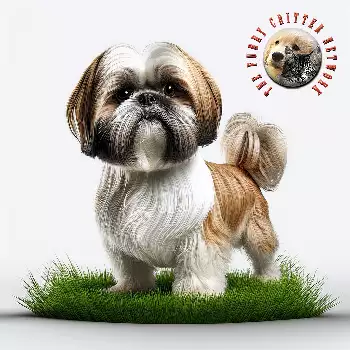
Lion Dog

Pekingese
Gallery coming soon

Furry Critter Network Etsy Shop

Quick Facts

🐕 Breed Group
Toy
📏 Size Category
Small
📏 Height
6-9 inches
⚖️ Weight
Up to 14 pounds
⏱️ Life Expectancy
12-14 years
🧥 Coat Type
Long, straight double coat with profuse mane
🎨 Coat Colors
All colors and markings equally acceptable, Red, Fawn, Black, Black and Tan, Sable, Brindle, White, Parti-color, Cream
😀 Temperament
Dignified, independent, loyal, confident, affectionate with family
🏃 Exercise Needs
Low to Moderate
🎓 Training Difficulty
Moderate - independent and stubborn
👶 Good with Children
Better with older children
🐾 Good with Other Pets
Moderate - can be assertive

Other Names & Breed Recognition

The Lion Dog is the registered breed name Pekingese, though this magnificent toy breed has been known by numerous appellations throughout its extensive history. The name "Pekingese" derives from Peking, the former name of Beijing, China, where the breed was developed and treasured by Chinese royalty for centuries. In modern China, Beijing has replaced Peking as the city's official name, though the breed's name remains unchanged in international kennel club registrations, preserving historical continuity.

The most common nickname, "Lion Dog," references both the breed's appearance and its spiritual significance in Chinese culture. With their profuse mane of hair around the neck and shoulders, compact powerful body, and fearless temperament, these dogs were deliberately bred to resemble lions, the Buddhist symbol of courage and protection. Chinese legend holds that the Pekingese descended from the union of a lion and a monkey, combining the lion's noble courage with the monkey's cleverness, though in reality the breed likely descended from ancient Asian companion dogs.

In Chinese contexts, the breed is known as "Foo Dog" or "Fu Dog," referencing the mythical lion-like creatures that guard Buddhist temples and imperial palaces. These guardian lions, called "shi," were believed to possess protective powers against evil spirits, and Pekingese were bred to resemble these sacred symbols. The term "Foo Dog" became common in Western interpretations of Chinese culture, though the reference is actually to lions rather than dogs. Pekingese were considered living representations of these protective spirits, adding to their sacred status.

Historically, extremely small Pekingese weighing less than six pounds were called "Sleeve Dogs" or "Sleeve Pekingese" because members of the Chinese imperial court carried them in the wide sleeves of their formal robes. These tiny dogs served as companions and hand warmers, accompanying nobles everywhere they went, concealed within elaborate silk garments. While modern breed standards no longer recognize separate size divisions, the term "sleeve dog" persists in discussions of breed history and occasionally in reference to particularly small individuals.

Another historical Chinese name for the breed is "Ha pa dog" or "Happa dog," used during certain periods to distinguish the rough-coated variety from smooth-coated versions. The smooth-coated variety, which existed in nineteenth-century China alongside the long-coated dogs, has since disappeared from modern breeding programs, though historical records document its presence in imperial kennels. Contemporary Pekingese are universally the long, profusely coated variety.

The breed has been affectionately called "Peke" as a shortened, informal version of Pekingese, particularly among breed enthusiasts, owners, and within dog show communities. This nickname appears frequently in casual conversation and writing about the breed, though formal registration and show contexts always use the full name Pekingese.

Kennel club recognition of the Pekingese has occurred worldwide, with the breed accepted by virtually every major registration organization. The American Kennel Club officially recognized the Pekingese in 1906, making it one of the earlier recognized toy breeds in the United States. The first Pekingese registered with the AKC was named Rascal, and the Pekingese Club of America was formed in 1909, becoming the breed's official parent club. The AKC classifies the breed in the Toy Group, where it has remained throughout its recognition history.

The United Kennel Club recognized the Pekingese in 1948, placing it in the Companion Group. The UKC maintains breed standards that emphasize soundness and moderate type, discouraging exaggerations that could compromise health or function. The Fédération Cynologique Internationale includes the Pekingese in Group 9, which encompasses companion and toy dogs, specifically in Section 8 for Japanese Chin and Pekingese. The breed is recognized by kennel clubs throughout Europe, Asia, Australia, and South America.

The Kennel Club in the United Kingdom, the world's oldest kennel club, recognizes the Pekingese in the Toy Group. The breed arrived in England following the Second Opium War in 1860 when British forces discovered surviving Pekingese in the imperial palace and brought them back to Britain. These dogs formed the foundation of Western breeding programs, with some presented to Queen Victoria herself.

The Canadian Kennel Club and Continental Kennel Club both recognize the Pekingese, maintaining standards similar to other major kennel clubs while emphasizing the breed's distinctive characteristics including the lion-like appearance, rolling gait, compact structure, and profuse coat. Breed clubs dedicated to the Pekingese exist in numerous countries, working to preserve breed type while promoting health and responsible breeding practices.

Lion Dog Organizations & Standards

The Lion Dog is recognized by all major international kennel organizations, each maintaining comprehensive breed standards that describe the ideal Pekingese in terms of appearance, structure, movement, and temperament. These standards serve as blueprints for breeders and guides for judges, ensuring that essential breed characteristics are preserved while promoting sound, healthy dogs. The American Kennel Club's recognition in 1906 established the Pekingese as one of the earliest toy breeds officially registered in the United States, with the breed quickly gaining popularity among American dog fanciers.

The AKC breed standard emphasizes that the Pekingese should be surprisingly heavy for its size, feeling stocky and muscular when lifted. The standard specifies a maximum weight of fourteen pounds with no minimum, though disqualification occurs for dogs exceeding fourteen pounds. This weight limit ensures the breed maintains its toy classification while acknowledging that good bone and substance are essential breed characteristics. The standard describes the overall balance as paramount, with the head being large in proportion to the body, contributing to the distinctive lion-like appearance.

The AKC standard describes the Pekingese head in great detail, requiring a massive, broad, flat topskull that combines with wide-set eyes, prominent cheekbones, and a broad lower jaw to form the correctly shaped face. When viewed frontally, the skull should be wider than deep, creating the desired rectangular, envelope-shaped appearance. In profile, the face should be flat, with the chin, nose leather, and brow lying in one plane that slants very slightly backward from chin to forehead. The eyes must be large, round, dark, and lustrous, set frontally in the skull with the nose positioned well up between them.

The coat receives particular attention in the AKC standard, described as a long, straight outer coat of coarse texture combined with a thick, soft undercoat. The standard specifies that all coat colors and markings are allowable and of equal merit, with a black mask or self-colored face being equally acceptable. Feathering should be long on ears, legs, tail, and toes, with the mane forming a distinctive ruff or frill around the neck that extends beyond the shoulder blades, creating the signature lion-like appearance.

The characteristic rolling gait of the Pekingese receives emphasis in the standard, described as unhurried, dignified, free, and strong with a slight roll over the shoulders. This unique movement results from the combination of bowed forelegs, well-laid-back shoulders, full broad chest, and narrow light rear, all working together to produce adequate reach and moderate drive. The gait should be smooth and effortless, free from bouncing, prancing, or jarring.

The United Kennel Club recognized the Pekingese in 1948 and maintains breed standards within the Companion Group that emphasize soundness and moderation. The UKC standard describes the Pekingese as well-balanced and lion-like in appearance with an alert, intelligent expression. The breed should be small, thickset, and double-coated, carrying itself with dignity and quality. Importantly, the UKC standard specifically states the breed should be free of respiratory distress caused from excessive face wrinkles or insufficient nostrils and able to move freely and soundly.

The UKC breed standard includes serious faults that address health concerns, particularly regarding dogs over fourteen pounds in weight. The standard emphasizes that breeders and judges have the responsibility to avoid conditions or exaggerations detrimental to health, welfare, essence, and soundness. This health-conscious approach in breed standards reflects growing awareness of issues associated with extreme brachycephalic features and encourages breeding for moderate, functional type.

The Fédération Cynologique Internationale classifies the Pekingese in Group 9, which includes companion and toy dogs. The FCI standard is recognized internationally and serves as the reference for many countries worldwide. The FCI's approach to breed standards emphasizes that dogs should be fit for their historical function while maintaining sound health and welfare. The standard describes the Pekingese as a small dog that is well-balanced and lion-like in direct appearance.

The Kennel Club in the United Kingdom places the Pekingese in the Toy Group and maintains an updated breed standard with particular attention to health considerations. The UK standard notes that breed standards are guidelines describing the ideal characteristics, with the emphasis that absolute soundness is essential. The Kennel Club has implemented health monitoring through their Breed Watch system, which identifies points of concern for the breed including breathing difficulties associated with brachycephalic structure.

The Canadian Kennel Club recognizes the Pekingese with standards similar to the AKC, describing the breed as a medium-small, exotic, hardy breed with well-developed body, strong loins, and the characteristic long, straight, hard, dense coat. The CKC standard describes the temperament as gay and assertive but chary of strangers, reflecting the breed's dignified independence. The ideal height specified is 10 to 11 inches with up to 11.5 inches permissible, with disqualification for dogs exceeding 11.5 inches.

Breed clubs dedicated to the Pekingese exist in most countries where the breed is popular, working to preserve breed type, promote health testing, and educate both breeders and the public about responsible ownership. The Pekingese Club of America, founded in 1909 and recognized as the AKC parent club, maintains a code of ethics for member breeders and sponsors health research. The club encourages screening for conditions affecting the breed including eye diseases, cardiac problems, and structural issues.

British breed clubs, including the Pekingese Club founded in 1904, have long histories of promoting the breed while addressing health concerns. These clubs work with The Kennel Club to implement health schemes and screening programs. In recent years, there has been increased focus on breeding for more moderate facial features that allow better respiratory function while maintaining the breed's distinctive appearance.

International breed clubs collaborate through organizations like the World Canine Organization to share health data, breeding information, and research findings. This cooperation helps address breed-wide health concerns and promotes breeding practices that prioritize both type and soundness. Many clubs now strongly encourage or require health testing before breeding, including cardiac evaluation, patella examination, and eye screening through certified veterinary specialists.

Kennel Club Recognition

  • American Kennel Club (AKC): Recognized 1906 in Toy Group
  • United Kennel Club (UKC): Recognized 1948 in Companion Group
  • Canadian Kennel Club (CKC): Recognized in Toy Group
  • Fédération Cynologique Internationale (FCI): Recognized in Group 9, Section 8 (Japanese Chin and Pekingese)
  • The Kennel Club (UK): Recognized in Toy Group

Lion Dog Physical Description

The Lion Dog is a compact, low-set, well-balanced toy breed with distinctive physical characteristics that reflect centuries of careful breeding to resemble the Chinese guardian lion. The breed's appearance is immediately recognizable, featuring a massive head, profuse coat, and characteristic rolling gait that sets it apart from all other toy breeds. Despite their small stature, Pekingese feel surprisingly heavy and substantial when lifted, a quality specifically bred into the type to convey strength and substance within a small package.

The overall proportion of the Lion Dog is slightly longer than tall, measuring from the forechest to the buttocks versus height at withers. This rectangular outline combined with heavy front and lighter rear quarters creates the breed's distinctive profile. Dogs typically stand six to nine inches at the shoulder, though height is less emphasized in breed standards than overall balance and correct proportion. Weight should not exceed fourteen pounds, with most adults falling between seven and fourteen pounds depending on bone structure and individual build.

The head is perhaps the breed's most distinctive feature and receives extensive attention in all breed standards. The skull is massive in proportion to body size, broad and flat across the top, creating a rectangular shape when viewed from any angle. When seen from the front, the face forms an envelope or rectangular shape due to the combination of wide-set eyes, prominent cheekbones, broad lower jaw, and proper head width. The topskull should be wider than it is deep, an important distinction from round-headed toy breeds.

The face is distinctly flat in profile, a brachycephalic characteristic that defines the breed but also requires careful breeding to maintain respiratory health. The chin, nose, and brow ideally lie in one plane that slants very slightly backward from chin to forehead. The nose is positioned well up between the eyes, broad and black with wide-open nostrils. The muzzle is broad, never narrow or snipy, with the lower jaw equal to or slightly longer than the upper jaw, creating a slightly undershot bite. The teeth and tongue should not show when the mouth is closed.

The eyes are one of the Lion Dog's most appealing features—large, round, dark, lustrous, and set frontally in the skull. They should be prominent without bulging excessively, giving the breed's characteristic bold, direct expression. The eyes are set wide apart at the level where the skull and muzzle meet, contributing to the flat-faced appearance. Eye rims are fully pigmented black, and the dark color of the eyes creates appropriate contrast with facial hair regardless of coat color.

The ears are heart-shaped, set on the front corners of the skull at the level of the top of the eyes, and carried close to the head. They are heavily feathered with long fringe that blends into the mane. Proper ear set and carriage contribute significantly to the overall head expression and the frame created by the facial furnishings.

The neck is short and thick, setting well into the shoulders and creating a compact, powerful appearance. The body demonstrates the heavy front, lighter rear construction that produces the breed's distinctive movement. The chest is broad and deep, with the forelegs well-sprung ribs creating substantial width. The brisket extends to the elbows, providing good depth. The body narrows toward the rear, with lighter quarters and narrow waist creating the proper wedge shape when viewed from above.

The topline is level from withers to tail set, maintained during standing and movement. The back is short and level, never roached or swayed. The loin is short but not so short as to interfere with movement, and slightly arched. The croup is nearly level to slightly sloping, providing proper tail set without excessive elevation.

The forequarters show the bowed front legs characteristic of the breed, with shoulders well-laid back and upper arm equal in length to the shoulder blade. The bowed forearm creates the rolling gait while providing stability and correct front assembly. The legs are short, thick, and heavy-boned, appearing somewhat curved due to the prominent elbows that are held close to the body. The pasterns are short and slightly sloping. Feet are large, flat, and turned slightly outward, with long feathering between toes.

The hindquarters are lighter and narrower than the forequarters, contributing to the wedge-shaped body. The thighs are well-muscled with moderate angulation. The hocks are well let down with legs straight when viewed from behind. Rear feet are not as turned out as front feet, with good feathering.

The tail is set high and carried well over the back to either side, heavily feathered with long fringe that adds to the overall profuse coat appearance. The plume should be long and flowing, contributing to the breed's opulent appearance. The tail's position over the back is essential to proper breed type.

The coat is the Lion Dog's crowning glory, consisting of a long, straight outer coat of coarse texture combined with a thick, soft, dense undercoat. The coat should not be silky, woolly, or excessively soft but rather straight and somewhat hard in texture. The profuse mane forms a ruff around the neck and shoulders that extends beyond the shoulder blades, creating the signature lion-like appearance that gives the breed its nickname. Feathering is long on the ears, backs of all four legs, tail, and toes. All coat colors and patterns are equally acceptable, including red, fawn, brindle, black, black and tan, sable, white, cream, and parti-colors in any combination.

Affectionate With Family
The Lion Dog forms intense, devoted bonds with family members and demonstrates unwavering loyalty to their chosen people. While often selecting one or two favorite family members for closest attachment, they extend affection to the entire household. Their love manifests through companionship, sitting near or on laps, and attentive presence, making them exceptional companions for those who earn their trust and respect.
Good With Young Children
The Lion Dog is better suited to homes with older, gentle children who understand appropriate interaction with small, dignified dogs. Their independent nature, fragile structure, and low tolerance for rough handling make them unsuitable for very young children who may inadvertently hurt them or trigger defensive responses. With respectful older children, they can form wonderful bonds based on mutual consideration and gentle interaction.
Good With Other Dogs
The Lion Dog approaches other dogs with confidence and sometimes assertiveness despite their small size. They do not recognize themselves as tiny and may challenge much larger dogs, requiring careful management and socialization. They typically coexist best with dogs they've grown up with and those who respect their space. Their independent nature means they neither seek nor particularly enjoy the company of strange dogs during walks.
Shedding Level
The Lion Dog sheds moderately, with seasonal increases typically occurring twice yearly when they blow their dense undercoat. Regular grooming captures shed hair before it deposits throughout the home, and many owners find the shedding manageable with consistent brushing routines. The long outer coat tends to hold shed undercoat until brushed, which helps contain loose hair compared to shorter-coated breeds that shed more visibly.
Coat Grooming Frequency
The Lion Dog requires substantial grooming commitment to maintain their luxurious coat and prevent matting. Daily brushing is ideal for dogs in full coat, with professional grooming recommended every six to eight weeks. The profuse mane around the neck and shoulders, feathering on legs and tail, and facial furnishings all demand regular attention. Many pet owners choose shorter clips for easier maintenance while preserving the breed's distinctive lion-like appearance.
Drooling Level
The Lion Dog is not a drooling breed despite their slightly undershot jaw and flat face structure. They maintain clean mouths with minimal salivation under normal circumstances. Owners appreciate this characteristic as it means no drool marks on furniture, clothing, or floors, making them tidy companions. Excessive drooling would be unusual and should prompt veterinary consultation if observed.
Openness To Strangers
The Lion Dog maintains a dignified aloofness with strangers, reflecting their imperial heritage as exclusive companions to Chinese royalty. They assess new people carefully before deciding whether to accept interaction, often remaining reserved or indifferent to unfamiliar individuals. This natural wariness makes them effective watchdogs who alert to visitors while displaying the confident independence characteristic of breeds developed for selective companionship rather than universal friendliness.
Playfulness Level
The Lion Dog exhibits moderate playfulness, enjoying brief play sessions with favorite toys and family members while maintaining their dignified bearing. They often display bursts of energy and amusing antics that contrast with their normally regal demeanor, bringing smiles to their owners. Their play style tends toward gentler activities rather than rough-and-tumble games, and they appreciate play that respects their physical limitations and preferences.
Watchdog/Protective Nature
The Lion Dog possesses strong watchdog instincts and takes seriously their role as household guardian. They remain alert to environmental changes and announce visitors or unusual sounds with surprisingly loud, persistent barking. Despite their small size, they demonstrate courage and protectiveness toward their family, positioning themselves between loved ones and perceived threats. This guardian nature must be balanced with training to prevent excessive barking.
Adaptability Level
The Lion Dog adapts well to various living situations from apartments to houses, thriving wherever their family resides. Their small size, moderate exercise needs, and indoor-oriented nature make them highly portable and suitable for urban living. They adjust to routine changes more readily when transitions are gradual, and they can accompany families through moves, lifestyle changes, and various household arrangements as long as they remain central to family life.
Trainability Level
The Lion Dog presents training challenges due to their independent, stubborn nature and strong sense of self-importance. They possess intelligence and can learn commands but may choose not to comply if they don't perceive value in obedience. Training requires patience, consistency, creative motivation, and respect for their dignified nature. Harsh methods fail entirely with this breed, while positive reinforcement with high-value rewards produces better results, though never the eager-to-please responsiveness of working breeds.
Energy Level
The Lion Dog has low to moderate energy levels, content with short walks and indoor companionship. They enjoy brief periods of activity followed by extensive lounging, often spending much of the day resting in favorite spots where they can observe household activity. Their brachycephalic structure limits strenuous exercise tolerance, particularly in warm weather, making them ideal companions for less active households seeking a calm, dignified presence.

Lion Dog History & Development

The Lion Dog, known formally as the Pekingese, possesses one of the longest, most remarkable histories of any dog breed, with roots extending back over two thousand years to ancient China. While the exact origins of the breed remain somewhat mysterious due to limited early documentation, Chinese historical records, artwork, and cultural artifacts confirm that small, lion-like dogs existed in China as early as 200 BC, with some sources suggesting even earlier origins in the eighth century. These dogs were treasured possessions of Chinese emperors, held in such reverence that they existed exclusively within the walls of the Imperial Palace in Peking, now known as Beijing.

Chinese mythology attributes supernatural origins to the Pekingese, with legends describing them as the offspring of a lion and a monkey, or alternately, a lion and a marmoset. According to these romantic tales, a lion fell in love with a small primate and asked Buddha to reduce his size while allowing him to retain his lion's courage and character, resulting in the Pekingese. While these legends reflect cultural symbolism rather than genetic reality, they accurately capture how the Chinese viewed these dogs—as creatures combining lion-like courage and nobility with clever intelligence and compact size.

In reality, the Pekingese likely descended from ancient companion dogs of Asia, possibly related to breeds like the Tibetan Spaniel, Japanese Chin, and Maltese, all of which shared regions and trade routes throughout ancient times. Selective breeding over many centuries refined the type, emphasizing the broad skull, flat face, flowing coat, compact size, and fearless temperament that characterize the modern breed. The goal was always to create living representations of the foo dogs or guardian lions that flanked temple entrances and palace gates throughout China.

Within the Forbidden City and other imperial palaces, Pekingese lived lives of extraordinary privilege and luxury. Palace eunuchs managed the imperial kennels with meticulous care, maintaining careful breeding records and implementing selective breeding programs designed to preserve and enhance desired characteristics. These palace breeding programs were remarkably sophisticated, demonstrating understanding of genetic principles centuries before such knowledge became formalized in Western science. Breeding stock was carefully chosen based on appearance, temperament, and health, with records of lineages maintained through multiple generations.

The smallest Pekingese, weighing less than six pounds, were known as "sleeve dogs" because members of the imperial court carried them concealed in the voluminous sleeves of formal robes. These tiny companions served multiple purposes—they provided warmth as living hand warmers during cold seasons, they were believed to bring good fortune, and their presence indicated the owner's high status within the imperial hierarchy. The privilege of owning a Pekingese was restricted to the emperor, members of the imperial family, and occasionally, high-ranking officials specifically granted this honor.

Common people were forbidden to own Pekingese under penalty of death, and stealing one of these sacred dogs was a capital crime. This strict prohibition ensured that bloodlines remained pure and that the breed remained exclusively associated with royalty. The dogs were considered so sacred that people of lower rank were required to bow in their presence, acknowledging their spiritual significance. Buddhist beliefs held that the souls of departed monks might be reincarnated as Pekingese, further elevating their spiritual status.

The Pekingese remained completely unknown to the Western world until the mid-nineteenth century, when increasing tensions between China and Western powers led to military conflicts that would ultimately change the breed's fate forever. During the Second Opium War, also known as the Arrow War, Anglo-French forces invaded Beijing in 1860. As troops advanced on the Old Summer Palace, one of the emperor's main residences, the imperial family fled. In their haste, they ordered the destruction of all Pekingese within the palace to prevent these sacred dogs from falling into foreign hands.

Most of the palace dogs were killed as ordered, but five Pekingese survived, found hidden in the palace by British Captain John Hart Dunne. These five dogs—one male and four females—became the foundation stock for all Pekingese in the Western world. One of these rescued dogs was presented to Queen Victoria and named Looty, a somewhat unfortunate name referencing the circumstances of acquisition. The remaining four dogs were brought back to England by Captain Dunne and his companions, where they attracted immediate attention from British dog fanciers.

Queen Victoria's acceptance of Looty generated enormous interest in the breed among British aristocracy. The mystique surrounding these exotic dogs from the emperor's palace, combined with their unusual appearance and association with royalty, made them instantly fashionable. Additional Pekingese gradually made their way to England through diplomatic channels and as gifts from Chinese officials. The Empress Dowager Cixi, who ruled China during much of the late nineteenth century, occasionally presented Pekingese as diplomatic gifts to foreigners she wished to honor.

The Pekingese Club was founded in England in 1904, just over forty years after the first dogs arrived. Early breeders worked to establish type while maintaining the breed's health and distinctive characteristics. British fanciers developed the first written breed standards, attempting to capture in words the essential qualities of the palace dogs. Early dog shows in England featured Pekingese prominently, with the breed quickly becoming popular among exhibitors.

The breed reached the United States shortly after establishing itself in England, with the American Kennel Club officially recognizing the Pekingese in 1906. The first Pekingese registered with the AKC was named Rascal. The Pekingese Club of America was formed in 1909 as the breed's parent club, tasked with preserving breed type and promoting responsible breeding. American breeders imported stock from England and developed their own breeding programs, often collaborating with British breeders to maintain quality.

Throughout the early twentieth century, the Pekingese enjoyed tremendous popularity both as show dogs and as companions for families who could provide the grooming and care the breed requires. The breed peaked in popularity during the 1930s through 1950s when Pekingese regularly appeared among the most popular breeds registered. Several Pekingese have won Best in Show at Westminster Dog Show, cementing the breed's status in American dog fancy.

By the mid-twentieth century, the Pekingese was well-established worldwide, recognized by kennel clubs in virtually every country with organized dog breeding. The breed's popularity has waxed and waned over the decades, currently ranking in the middle ranges of AKC registration statistics. While no longer among the most popular breeds, the Pekingese maintains a devoted following among those who appreciate the breed's unique characteristics, ancient heritage, and dignified temperament. Modern breed clubs emphasize health testing and moderate breeding to address concerns about extreme brachycephalic features while preserving the breed's essential lion-like type that has captivated admirers for over two millennia.

Lion Dog Temperament & Personality

The Lion Dog possesses a temperament of remarkable complexity and depth, combining regal dignity with surprising affection, fearless courage with independent aloofness, and playful humor with serious watchfulness. This breed's personality reflects its imperial heritage—these are dogs who were companions to emperors and empresses, treated as sacred beings within palace walls, and their behavior still carries an air of nobility and self-importance that sets them apart from typical lap dogs. Understanding and appreciating the Lion Dog's temperament requires recognizing that despite their small size, these are dogs with strong personalities and clear opinions about how the world should operate.

At the core of the Lion Dog's personality is unwavering loyalty and deep devotion to family members. They form intensely strong bonds with their chosen people, often selecting one or two family members as special favorites though maintaining affection for the entire household. Their love manifests through constant companionship—they follow favored people from room to room, sit nearby during daily activities, and frequently seek physical contact through sitting on laps or pressing against legs. Unlike some companion breeds that bestow affection indiscriminately, the Lion Dog is selective and discerning, making their devotion all the more meaningful when earned through patient understanding of their independent nature.

Dignity and self-importance are hallmarks of the Lion Dog's character. These dogs carry themselves with confidence and poise that seems incongruous with their small stature. They possess innate understanding of their own importance, treating household members and situations with the gravitas of royalty granting audience. This regal bearing is not haughtiness but rather supreme self-confidence—the Lion Dog knows they are special and expects others to acknowledge this reality. They demand respect and consideration, becoming stubborn or uncooperative when they feel their dignity has been compromised.

Intelligence marks the breed clearly, though it manifests as independent thinking rather than eagerness to please. Lion Dogs are perceptive observers who notice details in their environment, remember routines and individual people, and make decisions based on their own assessment of situations. They learn quickly what behaviors produce desired results, whether those behaviors please their owners or not. This intelligence combined with stubbornness creates training challenges—a Lion Dog understands perfectly well what is being asked but may choose not to comply if they see no personal benefit in obedience.

Courage and fearlessness distinguish the Lion Dog from many toy breeds. Despite weighing no more than fourteen pounds, these dogs possess the heart and confidence of guard dogs many times their size. They will not back down from confrontations with larger dogs, potentially putting themselves at risk through their boldness. This courage made them effective palace guardians despite their size—intruders faced small dogs who barked ferociously and showed no fear, often causing hesitation or alarm. Modern owners must protect their brave Lion Dogs from situations where their fearlessness could lead to injury.

Alertness and watchfulness are deeply ingrained characteristics. The Lion Dog remains aware of surroundings at all times, monitoring household activity and the environment beyond. They possess acute hearing and notice subtle changes that humans miss, responding with loud, persistent barking to announce visitors, unusual sounds, or anything they deem worthy of alert. This watchdog instinct makes them excellent sentinels despite their small size, though it can also create challenges with excessive barking if not properly managed through training.

With strangers, the Lion Dog maintains dignified aloofness and suspicion. They do not warm readily to unfamiliar people, preferring to assess newcomers from a safe distance before deciding whether to allow interaction. Some individuals never fully accept strangers, remaining politely distant throughout visits. This wariness is not fearfulness but selective acceptance—the Lion Dog simply doesn't feel compelled to befriend everyone they meet. Forced interaction or attempts to rush their acceptance typically backfire, increasing their resistance.

The breed's relationship with children depends heavily on the child's age and behavior. Lion Dogs are better suited to homes with older, gentle children who understand appropriate interaction with small dogs. Very young children who move unpredictably, speak loudly, or attempt to handle the dog roughly will find the Lion Dog uncooperative or defensive. The breed's small size makes them vulnerable to accidental injury, and their low tolerance for disrespectful handling means they may snap in self-defense if provoked. With respectful older children who treat them gently, Lion Dogs can form wonderful friendships.

Playfulness emerges in the Lion Dog's personality through brief bursts of energy and amusing antics rather than sustained boisterous play. They enjoy toys and games on their own terms, often displaying a comedic side that contrasts sharply with their usual dignity. Many engage in silly behaviors or playful teasing that clearly demonstrates their sense of humor. However, their play style tends toward gentler activities, and they tire more quickly than more athletic breeds, preferring play sessions that respect their physical limitations and brachycephalic structure.

Stubborn independence is both charm and challenge in living with the Lion Dog. They possess strong preferences and opinions about virtually everything—where they sleep, what they eat, when they wish to be petted, which family members they favor, and countless other daily details. They communicate these preferences clearly through body language and vocalizations, and they expect their desires to be considered. Owners who appreciate this independent thinking find it endearing, while those expecting compliant obedience often experience frustration.

Lion Dog Family Life & Living Requirements

The Lion Dog integrates into family life with ease when their particular requirements and temperament are properly understood and accommodated. These dogs thrive as indoor companions, living their lives primarily within the home near family members rather than as outdoor pets. Their imperial heritage as palace dogs means they expect—and indeed require—comfortable living conditions with climate control, soft resting places, and central position in household activity. Understanding the Lion Dog's needs and limitations ensures harmonious family relationships and optimal quality of life for these dignified companions.

One of the breed's greatest advantages for families is their adaptability to various living situations. The Lion Dog's small size and low to moderate exercise requirements make them ideally suited to apartment living, though they adapt equally well to larger homes. They require no yard, though access to a small outdoor space for elimination and brief exploration is convenient. Their compact size allows them to live comfortably in urban environments, and many thrive in city apartments where they serve as watchdogs alerting to hallway sounds and providing devoted companionship to their owners.

Temperature sensitivity requires consideration in any living situation. The Lion Dog's brachycephalic structure makes them vulnerable to heat stress and breathing difficulties in warm conditions. They must have access to air conditioning during hot weather and should never be left in vehicles or exposed to high temperatures for extended periods. Exercise during summer must be limited to early morning or evening hours when temperatures are cooler, and owners should watch carefully for signs of respiratory distress or overheating including excessive panting, blue-tinged gums, or weakness. Conversely, their profuse coat provides excellent cold weather protection, allowing them to enjoy winter walks though they should wear protective boots in snow to prevent ice accumulation between toe pads.

Exercise requirements are minimal compared to most breeds, making the Lion Dog suitable for less active households or elderly owners. A daily walk of fifteen to twenty minutes combined with brief indoor play sessions typically satisfies their physical needs. Some individuals enjoy longer walks or moderate hikes when weather permits, but many are content with shorter outings focused primarily on elimination and environmental enrichment through sniffing and observing. Indoor play with favorite toys, gentle games of fetch down hallways, or interactive puzzle toys provide additional physical and mental stimulation without requiring outdoor exertion.

Within the home, the Lion Dog typically claims favorite spots from which to observe household activity and rest throughout the day. Many prefer elevated positions on furniture or beds where they can see their domain, reflecting their heritage as palace dogs who monitored imperial quarters. They often shadow favorite family members, relocating to whatever room those people occupy while maintaining independent positioning rather than demanding constant physical contact. They appreciate routine and consistency, adjusting best to households with predictable schedules and regular patterns.

The breed's grooming requirements significantly impact family life and must be seriously considered before bringing a Lion Dog home. The profuse coat requires daily brushing to prevent mats and tangles, with professional grooming recommended every six to eight weeks for bathing, trimming, and thorough coat care. The facial folds require daily cleaning to prevent skin infections, and tear staining is common, requiring regular attention. Many families choose to keep their Lion Dog in a shorter trim that reduces grooming time while maintaining an attractive appearance, though some enthusiasts prefer the full, flowing coat that showcases the breed's lion-like beauty.

Housetraining presents moderate challenges with the Lion Dog, as is common among small breeds. They can be successfully housetrained with patience, consistency, and positive reinforcement, though some individuals prove more stubborn than others. Small bladders mean they need more frequent outdoor access, particularly as puppies and seniors. Establishing regular schedules, rewarding appropriate elimination, and preventing accidents through close supervision creates success. Some owners living in apartments or high-rises successfully train their Lion Dogs to use indoor potty systems or pads as a supplement or alternative to outdoor elimination.

The breed's relationship with other household pets depends largely on individual temperaments and early socialization. Lion Dogs can coexist with other dogs when raised together from puppyhood, though careful management may be necessary with dominant individuals or during resource guarding situations. Their fearless nature means they won't automatically defer to larger dogs, potentially creating conflict if not properly supervised. Many do well with cats, particularly when introduced young, though their prey drive may trigger chasing of small pets like rabbits, hamsters, or birds.

Safety considerations specific to the Lion Dog include protecting them from their own courage in encounters with much larger dogs, securing fencing to prevent escape, supervising near stairs since their short legs and front-heavy structure make falls particularly dangerous, and being mindful of their vulnerability to jumping off furniture which can cause injury. Their profuse coat can obscure vision if facial hair isn't properly maintained, potentially causing them to stumble or miss hazards. Their flat face makes them vulnerable to eye injuries from sharp objects, plants, or aggressive behavior from other animals.

The Lion Dog's exceptional longevity, typically twelve to fourteen years with many individuals living even longer, represents a significant long-term commitment for families. Bringing one into the home means accepting responsibility for their care, grooming, training, and health management for potentially fifteen or more years, including accommodation for age-related needs in senior years. Families must consider their ability to provide consistent care throughout the dog's life, including financial resources for veterinary care and grooming.

Children and Lion Dogs can have wonderful relationships when children are old enough to understand appropriate interaction. The breed is better suited to homes with older children who move calmly, speak quietly, and treat the dog gently and respectfully. Very young children who grab, squeeze, or handle roughly will find the Lion Dog uncooperative or defensive. Supervision is always necessary, and children must learn to respect the dog's space, particularly when eating, sleeping, or seeking solitude.

Lion Dog Training & Exercise Needs

Training the Lion Dog presents unique challenges that stem directly from the breed's imperial heritage, independent nature, and strong sense of self-importance. These are not dogs bred for centuries to work alongside humans following commands; rather, they were bred as companions to emperors who expected devotion without demanding subservience. Understanding this fundamental aspect of breed character is essential for successful training. The Lion Dog can learn virtually anything through proper methods, but they will never display the eager compliance of working breeds, and harsh or forceful training methods invariably fail with this dignified, sensitive breed.

Early socialization forms the foundation for all future training and behavior. Beginning during the critical developmental period between eight and sixteen weeks of age, puppies should experience positive exposure to diverse people, animals, environments, and situations. Well-socialized Lion Dog puppies meet men, women, children, people wearing hats or sunglasses, individuals using wheelchairs or walkers, and people of various ethnic backgrounds. They encounter friendly dogs of different sizes and temperaments in controlled settings, experience car rides to various destinations, hear household sounds like vacuum cleaners and televisions, and visit different environments including veterinary offices, parks, and pet-friendly stores.

Basic obedience training should begin early and continue throughout life, though owners must adjust expectations to match breed characteristics. Lion Dogs can learn sit, stay, come, down, leave it, and other standard commands through positive reinforcement methods utilizing high-value treats, praise, and other rewards. However, compliance may be selective—a Lion Dog who knows "come" perfectly well may choose not to obey if they're engaged in something more interesting or don't perceive immediate benefit in compliance. Training sessions should be kept short, typically ten to fifteen minutes, maintaining the dog's interest through variety and enthusiasm rather than lengthy drilling.

Positive reinforcement is the only effective training approach with the Lion Dog. These sensitive, proud dogs respond to rewards, encouragement, and gentle guidance while shutting down completely or becoming more stubborn when faced with harsh corrections, physical punishment, or intimidation. Food rewards typically motivate well, particularly using treats of exceptional palatability reserved specifically for training. Some individuals respond well to praise and affection as rewards, while others work best with toy rewards or play breaks. Clicker training can be effective, providing precise communication about which behavior earned the reward.

The Lion Dog's stubbornness requires creativity and patience from trainers. When a command is ignored, repeating it louder or more forcefully rarely produces better results. Instead, trainers should assess whether the dog truly understands what's being asked, whether sufficient motivation exists, and whether the environment contains excessive distractions. Breaking complex behaviors into smaller steps, increasing reward value, reducing distractions, and maintaining upbeat energy all improve training outcomes. Some behaviors require multiple short training sessions over weeks or months before the Lion Dog reliably complies.

Housetraining demands consistency and patience, as Lion Dogs can prove challenging in this area. Establishing regular schedules for outdoor breaks—first thing in the morning, after every meal, after naps, after play sessions, and before bedtime—creates predictability. Supervising closely when indoors and confining to small areas or crates when unsupervised prevents accidents. Immediately rewarding successful outdoor elimination with praise and treats reinforces the desired behavior. Accidents should never be punished, as this creates fear and confusion rather than understanding. Indoor potty training using pads or artificial grass systems can be successful for apartment dwellers or during severe weather.

Barking management often requires specific attention since the Lion Dog's watchdog instinct makes them naturally vocal. While their alert barking serves a valuable purpose, excessive or prolonged barking can create problems with neighbors or household members. Teaching "quiet" or "enough" commands involves allowing one or two alert barks, then calmly interrupting with the command and rewarding compliance. Never punishing barking itself, which is natural behavior, but rather teaching when barking should cease prevents the development of chronic barking habits while preserving the breed's guardian instincts.

Exercise requirements for the Lion Dog are among the lowest of any breed, making them ideal for less active households, elderly owners, or families with limited time for lengthy outdoor activities. A daily walk of fifteen to twenty minutes provides physical exercise and crucial mental stimulation through environmental exposure to new sights, sounds, and smells. Some individuals enjoy longer walks during cool weather, but many are content with brief outings primarily for elimination and limited exploration. Indoor play sessions with toys, gentle fetch games, or hide-and-seek provide additional physical activity without requiring outdoor exertion.

The brachycephalic structure that defines the breed's appearance also significantly limits exercise tolerance. The Lion Dog cannot engage in strenuous running, prolonged physical exertion, or activities during hot, humid weather without risking serious respiratory distress or heat stroke. Exercise must be limited to cool times of day during summer, always watching for signs of breathing difficulty including excessive panting, wheezing, blue-tinged gums, or reluctance to continue. Immediate cooling and veterinary attention may be necessary if overheating occurs.

Mental stimulation is equally important as physical exercise for this intelligent breed. Puzzle toys that dispense treats, hiding treats around the house for the dog to find, teaching new tricks, and rotation of toys to maintain novelty all provide cognitive challenges. Lion Dogs genuinely enjoy problem-solving activities when presented as games rather than work, and adequate mental engagement prevents boredom-related behavioral problems including destructive chewing, excessive barking, or attention-seeking behaviors.

While not typically considered a sporting breed, some Lion Dogs enjoy participating in activities suited to their physical limitations and independent nature. Rally obedience provides structured training that many find engaging, and trick training allows creative owners to teach entertaining behaviors their dogs can perform. Scent work or nose work games tap into natural canine abilities while providing mental challenge. These activities must always account for the breed's brachycephalic limitations, keeping sessions short and avoiding activities requiring sustained exertion or exposure to heat.

Lion Dog Health Concerns

The Lion Dog typically enjoys a lifespan of twelve to fourteen years when provided with excellent care, with many individuals living considerably longer into their mid to late teens. This longevity is one of the breed's appealing characteristics, offering families many years of companionship. Like all purebred dogs, however, the Lion Dog has predisposition to certain genetic health conditions that responsible breeders screen for and potential owners should thoroughly understand before bringing one of these dogs home.

Common Health Issues

  • Brachycephalic airway obstruction syndrome affects virtually all Lion Dogs to some degree, caused by the severely shortened skull and face that defines breed type.
  • This syndrome encompasses multiple anatomical abnormalities including stenotic nares with narrowed nostrils restricting airflow, elongated soft palate that extends into the throat obstructing the airway, everted laryngeal saccules that protrude into the airway, and sometimes tracheal hypoplasia where the windpipe is abnormally narrow.
  • Progressive retinal atrophy is an inherited eye disease affecting some Lion Dogs, causing gradual deterioration of the retina's photoreceptor cells that eventually leads to complete blindness.
  • Unfortunately, no treatment currently exists for progressive retinal atrophy, though affected dogs typically adapt remarkably well to blindness when it occurs gradually, and owners can help by maintaining consistent home environments and using verbal cues.
  • Cataracts develop in many Lion Dogs, particularly as they age, causing clouding of the eye's lens that impairs vision and may progress to blindness if severe.
  • Early-stage cataracts may not significantly affect daily function, but advanced cataracts that substantially impair vision can be surgically removed by veterinary ophthalmologists.

Preventive Care & Health Monitoring

  • Skin fold dermatitis develops in the Lion Dog's facial folds and wrinkles when moisture, food particles, or debris become trapped, creating conditions favorable for bacterial or yeast infections.
  • Prevention through daily cleaning of facial folds is far easier than treating established infections.
  • Regular veterinary check-ups twice yearly allow early detection and management of developing health problems before they become serious or irreversible.
  • Vaccinations against preventable diseases including distemper, parvovirus, hepatitis, rabies, and other conditions appropriate to geographic location and lifestyle should be administered according to veterinary recommendations and maintained throughout the dog's life to ensure ongoing protection.

Dental care including daily tooth brushing at home, professional cleanings as needed typically every one to two years, and monitoring for signs of dental disease prevents the pain and systemic health problems associated with periodontal disease that so commonly affects small breed dogs. Weight management through appropriate diet and portion control prevents obesity-related complications including worsening of breathing difficulties, increased stress on joints, diabetes risk, heart disease, and reduced lifespan that affects overweight dogs regardless of breed, though it is particularly crucial for brachycephalic breeds like the Lion Dog.

Lion Dog Grooming & Maintenance

The Lion Dog's spectacular coat, while beautiful and essential to breed type, represents one of the most significant commitments involved in owning this breed. The profuse double coat consisting of a long, straight, coarse-textured outer coat and thick, soft undercoat requires substantial ongoing maintenance to remain healthy, mat-free, and attractive. Potential owners must honestly assess their willingness and ability to provide this care before bringing a Lion Dog home, as neglected coats quickly become uncomfortable, unhealthy, and difficult to salvage.

Daily brushing is ideal for Lion Dogs maintained in full coat, with grooming sessions typically lasting thirty to sixty minutes depending on coat length, density, and condition. Brushing should be systematic and thorough, working through the coat in sections to ensure complete coverage from skin to hair tips. Many experienced groomers recommend line brushing, where the coat is parted and brushed layer by layer, checking at skin level for mats or tangles. A quality pin brush or slicker brush handles the main coat, while a fine-toothed metal comb provides finishing work and reveals any hidden tangles.

Areas requiring particular attention include the profuse mane around the neck and shoulders, the feathering on all four legs, the heavily furnished tail, the skirts along the body sides, and particularly the friction zones where matting develops most readily—behind the ears, under the front legs, around the collar area, in the groin, and where the tail contacts the body. Detangling spray or leave-in conditioner makes brushing more comfortable and helps work through minor tangles without excessive pulling. Severe mats should be carefully worked apart with fingers and a mat splitter rather than ripped out, though in extreme cases they may need to be cut out carefully with scissors.

Many pet owners choose to keep their Lion Dog in a shorter, more manageable trim that dramatically reduces daily grooming requirements while maintaining an attractive appearance. Common pet clips include an overall body trim to one to two inches, a trimmed face keeping hair short around eyes and muzzle, trimmed feet for cleanliness, and various styles that preserve the breed's lion-like silhouette while making maintenance practical. Dogs in shorter coat typically require professional grooming every six to eight weeks with brushing at home once or twice weekly being sufficient. This pragmatic approach allows families to enjoy the breed without the intensive grooming commitment required for show-length coats.

Bathing should occur every two to four weeks for most Lion Dogs, though frequency varies based on lifestyle, coat length, and individual needs. Dogs who spend time outdoors, those with skin conditions, or those prone to facial staining may need more frequent bathing, while fastidiously clean indoor companions may require less. Using high-quality dog shampoo formulated for long coats or the dog's specific coat type ensures thorough cleaning without stripping essential oils. Following shampoo with a good conditioner helps prevent tangling and keeps the coat manageable.

Thorough rinsing is absolutely essential, as residual shampoo or conditioner can cause skin irritation, create greasy buildup, or attract dirt. Many groomers recommend rinsing far longer than seems necessary, ensuring all product is completely removed. The Lion Dog's dense undercoat holds water and product, requiring extra time and attention during rinsing.

Drying the coat completely after bathing is crucial for preventing skin problems and matting. A high-velocity pet dryer efficiently removes moisture while fluffing the coat, though care must be taken not to overheat the dog or dry too aggressively near the face. The coat should be brushed during drying to prevent tangles from setting in the wet hair. Never allow a Lion Dog to air dry completely, as this inevitably results in matting that can be extremely difficult or impossible to remove without significant coat damage.

Facial grooming requires daily attention and special techniques specific to the Lion Dog's flat-faced structure. The facial folds that contribute to the breed's characteristic appearance also trap moisture, food particles, and debris, potentially causing skin infections if not kept clean. Daily wiping of facial folds with a soft, damp cloth or specialized facial wipes prevents bacterial or yeast overgrowth. The area should be gently dried after cleaning, as persistent moisture encourages infection.

Tear staining is extremely common in the Lion Dog, causing reddish-brown discoloration of the hair below the eyes. Contributing factors include the breed's prominent eyes, shallow eye sockets that allow tears to overflow onto the face, and hair that wicks moisture. Daily gentle wiping of the eye area with soft, moistened cloths or tear stain removal products specifically formulated for dogs helps minimize staining. Keeping hair around the eyes short reduces wicking, and some owners supplement diets with products claiming to reduce staining, though results vary.

Ear care is important for maintaining overall health. The Lion Dog's heavily feathered, pendant ears can trap moisture and debris, creating conditions favorable for ear infections. Weekly inspection for signs of redness, odor, discharge, or sensitivity to touch allows early detection of problems. Gentle cleaning with veterinary-approved ear cleaner when needed removes debris and excess wax. Hair growing inside the ear canal can be carefully plucked by professional groomers to improve air circulation, though this should be done carefully to avoid irritation.

Nail trimming should be performed every two to three weeks or whenever nails touch the ground during standing. Long nails cause discomfort, alter gait, and potentially lead to musculoskeletal problems over time. The Lion Dog's dark nails make identifying the quick (blood vessel inside the nail) difficult, so conservative trimming that removes only the curved tip is safest. If bleeding occurs from cutting the quick, styptic powder quickly stops it. Regular trimming from puppyhood habituates dogs to the procedure.

Dental care is critically important for the Lion Dog, as small breeds and brachycephalic breeds are particularly prone to dental problems. Daily tooth brushing with dog-specific toothpaste and a soft brush or finger brush prevents tartar buildup, periodontal disease, and tooth decay. Starting dental care early makes it a routine part of daily grooming. Dental treats, toys designed to clean teeth, and professional cleanings as recommended by veterinarians all contribute to oral health and may extend lifespan by preventing systemic infections that can arise from dental disease.