Hollandse Smoushondje

Dutch Smoushond
Gallery coming soon

Furry Critter Network Etsy Shop

Quick Facts

🐕 Breed Group
Terrier Group
📏 Size Category
Small
📏 Height
14-17 inches (35-43 cm)
⚖️ Weight
16-22 pounds (7-10 kg)
⏱️ Life Expectancy
12-15 years
🧥 Coat Type
Double coat, rough, wiry, harsh texture
🎨 Coat Colors
Straw yellow in all shades
😀 Temperament
Affectionate, lively, friendly, cheerful, adaptable
🏃 Exercise Needs
Moderate to High
🎓 Training Difficulty
High - intelligent and eager to please
👶 Good with Children
Excellent - patient and playful
🐾 Good with Other Pets
Very Good - socializes well with proper introduction

Other Names & Breed Recognition

The Hollandse Smoushondje carries several names that reflect its Dutch heritage and distinctive appearance. In its homeland, the breed is most commonly known as the Hollandse Smoushond, with 'Hollandse' meaning Dutch and 'Smoushond' roughly translating to 'bearded dog' or 'Jewish dog.' The term 'Smous' historically referred to Jewish men in 19th century Netherlands, as the breed's wiry facial hair and beard resembled the traditional appearance of Orthodox or Hasidic Jewish men. While this etymology has controversial origins rooted in historical slurs, the name has become the accepted breed designation without negative connotations in modern usage.

The breed may also be called simply 'Smoushond' in casual conversation, with the 'Hollandse' prefix distinguishing it from similar European terrier breeds. Some enthusiasts affectionately refer to these dogs as 'Smousjes' in the plural form. In English-speaking countries, the breed is most often called the Dutch Smoushond, with 'Hollandse Smoushondje' serving as an alternate name that preserves the original Dutch pronunciation. Historical records also reference the breed as the 'Gentleman's Stable Dog' or 'Gentleman's Coach Dog,' reflecting its original purpose accompanying wealthy merchants and nobility in the late 1800s. These aristocratic monikers distinguished the breed from common working terriers and emphasized its status as a fashionable companion.

Additionally, the breed has been called the Dutch Ratter or Hollandse Rattenhond in recognition of its exceptional vermin control abilities. During its heyday in Amsterdam and Rotterdam stables, the Hollandse Smoushondje earned widespread recognition for its tireless rat-catching prowess. Some historical texts refer to the breed as the Stable Pinscher or Dutch Schnauzer, acknowledging its likely genetic relationship to German Pinscher and Schnauzer breeds. These alternative names highlight the ongoing debate among canine historians about the breed's precise ancestry and development.

International kennel clubs recognize this breed under specific official designations. The Fédération Cynologique Internationale (FCI), which granted full breed recognition in 1981, classifies the Dutch Smoushond in Group 2, Section 1 as a Pinscher and Schnauzer type breed. The United Kennel Club (UKC), which recognized the breed in 2006, places it within the Terrier Group, acknowledging its traditional ratting heritage. The breed's official registration name with the Dutch Kennel Club (Raad van Beheer op Kynologisch Gebied in Nederland) is Hollandse Smoushond, and this remains the primary designation used for pedigree documentation and breed standard references throughout Europe and internationally where the breed is known.

Hollandse Smoushondje Organizations & Standards

The Hollandse Smoushondje enjoys recognition from several international kennel organizations, though it remains rare outside its Dutch homeland. The breed's official standards emphasize its distinctive rough coat, compact build, lively temperament, and historical function as both a stable ratter and gentleman's companion. Understanding these organizational standards provides valuable insight into proper breed type, temperament expectations, and the characteristics breeders strive to preserve.

The Fédération Cynologique Internationale represents the breed's most significant international recognition body. The FCI granted full breed recognition to the Dutch Smoushond on March 11, 1981, after the breed's successful reconstruction following near-extinction during World War II. The organization classifies the Hollandse Smoushondje in FCI Group 2 (Pinscher and Schnauzer, Molossoid and Swiss Mountain and Cattledogs), Section 1 (Pinscher and Schnauzer types), with the Smoushond as a distinct subsection. The current FCI breed standard, published on November 10, 2011, provides detailed specifications for physical appearance, temperament, coat quality, movement, and overall breed type. This standard serves as the foundation for breed evaluation throughout FCI member countries across Europe, Asia, Africa, and South America.

The United Kennel Club granted recognition to the Dutch Smoushond in 2006, making it the only major English-language kennel organization to fully recognize the breed. The UKC places the Hollandse Smoushondje within the Terrier Group, acknowledging its historical ratting function despite the FCI's classification as a Pinscher/Schnauzer type. The UKC breed standard closely follows FCI guidelines while adapting descriptions for American audiences. This recognition provides opportunities for Dutch Smoushond owners in the United States to participate in UKC conformation shows, performance events, and companion dog programs, though the breed remains exceedingly rare in North America.

The Dutch Kennel Club (Raad van Beheer op Kynologisch Gebied in Nederland) serves as the breed's national parent organization and maintains the official Dutch stud book. Founded in 1902, this organization represents approximately 200 breed clubs with 150,000 members and holds membership in the FCI. The Dutch Kennel Club granted provisional recognition to the reconstructed Hollandse Smoushondje in 1978 when the Hollandse Smoushonden Club was re-established to protect and promote breed interests. The original 1905 breed standard, created by Mrs. H.A. Earl of Bylandt, A. Woltman Elpers, and L. Seegers, underwent revision in 1980 to reflect modern breeding goals while retaining core characteristics. Currently, approximately 125 Dutch Smoushond puppies receive registration annually with the Nederlands Honden Stamboek, indicating the breed's stable but limited population.

The Hollandse Smoushonden Club represents the official breed club protecting the Hollandse Smoushondje's interests in the Netherlands since its reformation in 1978. This organization originally formed in 1905 to document and register the small stable dog as a purebred breed when it faced extinction threats. After disbanding during World War II when organized dog breeding ceased, dedicated enthusiasts revived the club to support Mrs. H.M. Barkman's breed reconstruction efforts. Today's club maintains breeding standards, educates owners, coordinates health testing initiatives, organizes specialty shows, and carefully monitors the limited gene pool to ensure breed viability. The organization expresses cautious attitudes toward promoting the breed internationally, preferring to maintain breeding stock within the Netherlands to strengthen domestic populations.

Notably, the American Kennel Club does not recognize the Hollandse Smoushondje and is unlikely to grant recognition in the foreseeable future. The breed's extreme rarity in the United States, with possibly no established breeding populations, prevents consideration for AKC Foundation Stock Service enrollment. Similarly, the Kennel Club in the United Kingdom does not recognize the breed, and the Canadian Kennel Club maintains no official registry for Dutch Smoushonds. These absences reflect the breed's concentrated presence in the Netherlands and limited international distribution despite its FCI recognition.

Kennel Club Recognition

  • American Kennel Club (AKC): Not Recognized
  • United Kennel Club (UKC): Recognized in 2006 - Terrier Group
  • Canadian Kennel Club (CKC): Not Recognized
  • Fédération Cynologique Internationale (FCI): Fully Recognized in 1981 - Group 2, Section 1 (Pinscher and Schnauzer type)
  • The Kennel Club (UK): Not Recognized

Hollandse Smoushondje Physical Description

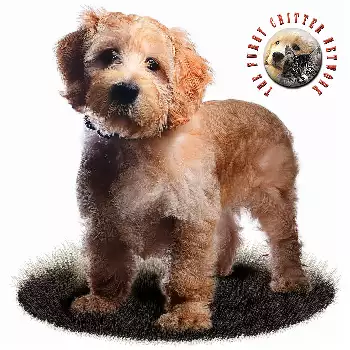
The Hollandse Smoushondje presents as a small, sturdy terrier with a distinctive rough coat and charming, wizened expression that immediately captures attention. Standing between 14 to 17 inches (35-43 centimeters) at the withers and weighing approximately 16 to 22 pounds (7-10 kilograms), this breed falls squarely into the small dog category while maintaining substantial presence and solid musculature. The breed standard emphasizes a square build where height at the withers ideally equals the body length from point of shoulder to point of buttocks, though females may exhibit slightly longer bodies than males. This compact, balanced structure reflects the breed's historical function as an agile stable ratter and coach dog.

The head represents one of the Hollandse Smoushondje's most distinctive and breed-typical features. Viewed from above, the skull appears broad and short with a slightly domed shape and moderately rounded forehead. The stop (the step between the muzzle and forehead) is clearly defined and distinct, creating the characteristic terrier expression. The muzzle measures approximately half the length of the skull from the occipital bone to the stop, creating harmonious facial proportions. Strong, full jaws provide the power necessary for the breed's original ratting work, while thin, tight lips with black rims frame the mouth neatly. The nose is consistently black and broad, adding to the breed's appealing facial structure.

The eyes of the Hollandse Smoushondje convey the breed's lively, friendly personality. Large, round, and dark brown in color, the eyes feature dark, black-pigmented rims that enhance their expressive quality. The eye placement and shape create a bright, alert, and friendly expression that reflects the breed's affectionate temperament. The eyes should never appear hidden by excessively long eyebrow furnishings, and the gaze communicates intelligence and warmth. Small, triangular ears set high on the skull drop forward with the front edge lying close to the cheeks. The ears are thin in texture with slightly rounded tips, contributing to the overall alert and attentive expression.

The body structure emphasizes compactness, strength, and balanced proportions throughout. The neck flows smoothly into well-laid shoulders without excessive arch or bulk. A straight, level topline extends from the withers to the base of the tail, supported by a solid back and moderately developed loin. The chest reaches approximately half the height at the withers in depth, providing adequate heart and lung capacity without appearing barrel-shaped or narrow. Well-sprung ribs create a rounded body cavity while maintaining the desired square outline. The underline shows minimal tuck-up, reflecting the breed's sturdy constitution rather than a tucked, racy appearance.

The Hollandse Smoushondje's limbs demonstrate moderate angulation that supports agile, efficient movement. The forelegs stand straight, firm, and well-muscled from shoulder to paw, positioned neither too wide nor too narrow. The flexible hind legs feature good muscling with moderate angulation at the stifle and hock joints, providing drive and propulsion for movement. All four feet are small, compact, round, and cat-like in appearance, covered with long protective hair. The feet feature well-arched toes and preferably dark nails, though lighter nails sometimes occur. The tail, historically docked but now typically left natural in countries where docking is prohibited, is set moderately high and carried gaily but never curled tightly over the back. When the dog is relaxed, the tail hangs naturally in a gentle curve.

The coat represents the breed's most recognizable and essential characteristic. The Hollandse Smoushondje sports a double coat consisting of a harsh, wiry, coarse outer layer measuring approximately 1.5 to 2.5 inches in length with sufficient soft undercoat beneath. The texture feels rough to the touch and naturally creates an unkempt, tousled appearance that defines breed type. Any tendency toward matting or a soft, woolly texture throughout represents a serious fault, as does a coat parting down the back indicating excessive length or incorrect texture. The coat on the legs is medium length, pointing backward and suggesting slight feathering without dense, woolly coverage that obscures leg outline. The tail coat is bushy without fringe or plume.

Facial furnishings create the breed's distinctive bearded appearance. Long, straight, wiry hairs form a substantial beard and mustache that give the Hollandse Smoushondje its characteristic wizened, almost human-like expression. Bushy eyebrows, while present and expressive, should never grow so long that they hide the eyes or obstruct vision. The head coat maintains the wiry texture found on the body but in slightly shorter length. There should be no topknot or part on the head, as these features contradict proper breed type. The overall coat presentation should appear deliberately rustic and natural rather than sculpted or heavily styled.

Color in the Hollandse Smoushondje is singularly uniform and non-negotiable according to breed standards. The only acceptable color is straw yellow, appearing in any shade from pale cream to deep golden tones. This distinctive yellow color likely reflects the breed's connection to yellow Schnauzer puppies that German breeders historically culled from their litters. The Hollandse Smoushondje's movement appears lively, active, and efficient. The gait demonstrates good reach in front and strong drive from behind, with the legs moving parallel when viewed from front or rear. The overall impression conveys a sturdy, cheerful, energetic small terrier with a unique rough coat and endearing scruffy appearance that captures hearts while maintaining working terrier functionality.

Affectionate with Family
The Hollandse Smoushondje forms incredibly strong bonds with family members and thrives on close companionship. This breed demonstrates unwavering devotion and seeks to be involved in all family activities, showing genuine pleasure in the company of their loved ones. Their affectionate nature makes them exceptional family dogs who genuinely enjoy quality time with everyone in the household.
Good with Young Children
Known for remarkable patience and gentleness with children, the Hollandse Smoushondje makes an outstanding playmate for youngsters. This breed naturally understands how to interact appropriately with kids of all ages, displaying careful movements and tolerant behavior. Their playful spirit matches children's energy while maintaining a protective instinct that ensures safe interactions during playtime.
Good with Other Dogs
The Hollandse Smoushondje generally enjoys canine companionship and socializes well with other dogs when properly introduced. This breed's friendly disposition makes park visits and multi-dog households successful, though they may occasionally display typical terrier confidence with unfamiliar dogs. Early socialization ensures they develop excellent dog-to-dog communication skills throughout their lives.
Shedding Level
With its wiry, harsh coat texture, the Hollandse Smoushondje sheds minimally compared to many other breeds. The coat structure naturally releases dead hair gradually rather than seasonal heavy shedding, making maintenance manageable. Regular brushing and twice-yearly professional hand-stripping keeps shedding to an absolute minimum while maintaining the characteristic rustic appearance.
Coat Grooming Frequency
The Hollandse Smoushondje requires moderate grooming attention with weekly brushing sessions using a long-toothed comb to prevent matting. Professional hand-plucking twice annually maintains proper coat texture and appearance, though some owners learn to perform this themselves. The breed's deliberately unkempt look requires less styling than many terriers but benefits from consistent maintenance routines.
Drooling Level
The Hollandse Smoushondje exhibits virtually no drooling tendencies, keeping themselves and their surroundings clean and dry. This breed's tight lips and efficient mouth structure prevent excessive saliva production even during meals or excitement. Owners appreciate this trait as it eliminates concerns about drool stains on furniture or clothing throughout daily activities.
Coat Type
The distinctive double coat features a rough, wiry, harsh outer layer measuring approximately 1.5 to 2.5 inches in length with adequate undercoat beneath. This waterproof coat naturally repels moisture and maintains an intentionally tousled, carefree appearance that defines the breed. Facial furnishings including beard, mustache, and bushy eyebrows create the characteristic wizened expression that enthusiasts adore.
Openness to Strangers
The Hollandse Smoushondje approaches unfamiliar people with initial caution but warms up quickly once introductions are made properly. This breed demonstrates good judgment about strangers while maintaining polite behavior rather than excessive suspicion or aggression. Their watchdog instincts alert families to visitors without developing into problematic wariness with adequate socialization during puppyhood.
Playfulness Level
Naturally playful and energetic, the Hollandse Smoushondje maintains puppy-like enthusiasm well into adulthood. This breed delights in interactive games, toy play, and spontaneous fun sessions with family members throughout the day. Their playful nature balances wonderfully with calmer moments, creating an engaging companion who knows when to initiate play and when to relax contentedly.
Watchdog/Protective Nature
The Hollandse Smoushondje excels as an alert watchdog who takes their protective duties seriously without aggression. This breed possesses keen awareness of surroundings and reliably announces visitors or unusual activities with appropriate barking. Their protective instinct toward family members combines with good judgment, making them effective guardians who respond proportionally to actual situations rather than false alarms.
Adaptability Level
Remarkably adaptable to various living situations, the Hollandse Smoushondje thrives in apartments, houses, urban or rural settings with equal contentment. This breed prioritizes being with loved ones over specific environmental requirements, adjusting seamlessly to different climates, schedules, and household routines. Their flexibility makes them ideal for families with changing circumstances or those who travel regularly with their pets.
Trainability Level
The Hollandse Smoushondje demonstrates impressive intelligence and genuine eagerness to learn new commands and behaviors. This breed responds exceptionally well to positive reinforcement training methods, picking up skills quickly with consistent practice. Their natural desire to please their owners combined with sharp mental acuity makes training sessions productive and enjoyable for both dog and handler throughout their lives.

Hollandse Smoushondje History & Development

The history of the Hollandse Smoushondje weaves through nineteenth-century Amsterdam stables, near-extinction during World War II, and remarkable resurrection through dedicated breeding efforts in the 1970s. This rare breed's journey reflects changing social attitudes toward dogs, the devastating impact of war on European dog breeds, and the determination of preservationists to rescue disappearing canine heritage. Understanding this complex history provides essential context for appreciating the modern Hollandse Smoushondje and the careful stewardship required to ensure its continued survival.

The breed's exact origins remain somewhat mysterious, though most canine historians agree the Hollandse Smoushondje descended from yellow or fawn puppies culled from German Coarse Haired Pinscher litters during the mid-1800s. These Pinschers, which later evolved into modern Schnauzers, produced occasional yellow-colored offspring that German breeders considered undesirable and frequently euthanized to maintain breeding programs focused on salt-and-pepper or black colorations. According to popular legend, a compassionate Dutch merchant named C.J. Abraas recognized value in these rejected puppies and began acquiring them, transporting them back to Amsterdam where he marketed them as unique and valuable due to their golden color. The Dutch associated yellow and orange hues with royalty and national identity, making these cheerful yellow dogs immediately appealing to Amsterdam's merchant class.

Abraas maintained a significant kennel of these dogs in his Amsterdam stables and sold them at the city's commodity exchange, where wealthy merchants and traders gathered for business. He cleverly marketed them as 'Heeren Stallhonden' (Gentleman's Stable Dogs) or 'Gentleman's Coach Dogs,' positioning them as prestigious companions for the upper-middle classes rather than common working terriers. These dogs served dual purposes: they trotted behind horse-drawn carriages creating an elegant ensemble that displayed their owner's status and taste, and they controlled rat and mouse populations in the stables where valuable horses were kept. This combination of fashionable appearance and practical utility drove the breed's popularity throughout the late nineteenth century.

The name 'Smoushond' itself carries significant cultural and linguistic weight. 'Smous' was a Dutch term in the 1800s referring to Jewish men, derived from the name Moses, and the dogs' wiry beards and shaggy facial hair resembled the traditional appearance of Orthodox Jewish men. While this etymology originates from what many consider a historical ethnic slur, the name became the accepted breed designation without retaining negative connotations. The 'Hollandse' prefix was added to distinguish these Dutch dogs from similar breeds like the Brussels Griffon, which also featured rough coats and bearded faces. Alternative theories suggest 'Smous' derives from 'Smousbaard,' meaning mustache and beard in Dutch, though the ethnic reference appears more historically supported.

By the late 1800s and early 1900s, the Hollandse Smoushondje had achieved considerable popularity in the Netherlands and recognition in neighboring countries including Germany and Belgium. The breed entered the show ring in 1874 at a Dutch Agriculture Show, thanks to the efforts of an enthusiastic fancier named Mr. Stinstra. However, after Stinstra's death, interest in the breed began declining as it lacked consistent type and standardization. Recognizing the danger of extinction, dedicated fanciers formed the Hollandse Smoushond Club in 1905 to document, register, and preserve the small stable dog as a distinct purebred breed. Mrs. H.A. Earl of Bylandt, A. Woltman Elpers, and L. Seegers collaborated to create the first official breed standard that same year, establishing guidelines for appearance, temperament, and breed type.

Despite this organizational effort, the breed's popularity fluctuated dramatically over subsequent decades. The advent of motorized vehicles gradually eliminated the need for coach dogs, and changing fashions shifted attention toward other breeds. A second breed club formed in 1925 to promote the Hollandse Smoushondje, but it struggled to maintain interest. The breed's population diminished steadily through the 1920s and 1930s, and then catastrophe struck with the outbreak of World War II.

The German occupation of the Netherlands from 1940 onward proved devastating for many dog breeds, and the Hollandse Smoushondje suffered tremendously. All professional dog breeding activities ceased during the occupation as resources became scarce, breeders dispersed or died, and maintaining pedigree records became impossible. Many dogs were killed, abandoned, or died from disease and starvation during the harsh war years. The breed's already small population could not withstand these losses. The last registered litter appeared in the Dutch Kennel Club's stud book (Nederlands Honden Stamboek) in 1949, four years after the war's end. By the early 1950s, most canine experts considered the Hollandse Smoushondje extinct as a purebred dog. Some believe that no purebred breed members survived at all, while others maintain that perhaps a handful of crossbred dogs with Smoushond characteristics persisted in rural areas without documentation.

The breed remained absent from dog shows, registries, and public awareness for nearly two decades until 1973, when Mrs. H.M. Barkman van der Weel undertook an ambitious project to resurrect the Hollandse Smoushondje. Barkman's motivation came from a deeply personal source: a childhood photograph of her Jewish friend's Smoushond, a friend who had been deported and killed during the Holocaust. This poignant image and story inspired Barkman to attempt breed reconstruction. She published the photograph and her story, which generated numerous responses from people across the Netherlands who reported seeing dogs resembling the Smoushond.

Barkman's reconstruction methodology remains controversial among purists. Working with fellow enthusiast Mrs. Mia van Woerden, she collected approximately thirty mixed-breed dogs that physically resembled historical Smoushond photographs and descriptions. She also incorporated four Border Terriers into her breeding program. Additional breeds believed to have contributed genetic material include Poodles, Brussels Griffons, and German Schnauzers, though Barkman kept imperfect records that make precise reconstruction details uncertain. Critics argue that Barkman essentially created a new breed that merely resembled the historical Smoushond rather than preserving actual genetic lineage. Supporters counter that she successfully recreated both type and temperament through careful selective breeding, effectively saving the breed from permanent extinction even if genetic purity cannot be absolutely proven.

Regardless of these debates, Barkman's efforts produced remarkable results. Through careful selection based on historical photographs, old pedigrees, and consultations with judges who remembered the original breed, she developed dogs that bred true for both physical appearance and temperament. The Dutch Kennel Club recognized the reconstructed breed with provisional status in 1978, the same year the Hollandse Smoushonden Club reformed to protect and promote breed interests. The original 1905 breed standard underwent revision in 1980 to reflect modern breeding goals while maintaining core characteristics. Most significantly, the Fédération Cynologique Internationale granted full international recognition to the Dutch Smoushond on March 11, 1981, validating the reconstruction effort.

Since achieving FCI recognition, the Hollandse Smoushondje has maintained a small but stable population centered almost entirely in the Netherlands. Approximately 125 puppies receive annual registration with the Dutch Kennel Club, indicating limited but sustainable breeding activity. The breed's numbers remain too low to consider it fully secure, and each puppy is carefully evaluated as a potential breeding candidate. Dutch breeders have expressed deliberate reluctance to export breeding stock internationally, preferring to concentrate genetic resources within the Netherlands to strengthen the domestic population. This protective approach has kept the breed essentially unknown outside Europe, with possibly no established breeding populations in North America or other continents.

The United Kennel Club granted recognition to the breed in 2006, becoming the only major English-language kennel organization to formally acknowledge the Hollandse Smoushondje. However, this recognition has not translated into significant populations in the United States or Canada. The American Kennel Club does not recognize the breed and likely will not without established American breeding programs and populations. Today, the Hollandse Smoushondje remains a living link to nineteenth-century Dutch culture and dog breeding history, a testament to both the fragility of rare breeds and the power of dedicated preservation efforts to rescue disappearing canine heritage from oblivion.

Hollandse Smoushondje Temperament & Personality

The Hollandse Smoushondje exhibits a delightful temperament that combines terrier vivacity with remarkable gentleness and adaptability. This breed's personality reflects its dual heritage as both a working ratter and a gentleman's companion, resulting in a dog that can switch seamlessly between energetic play and calm, contented companionship. Understanding the Hollandse Smoushondje's temperament helps prospective owners determine whether this rare breed matches their lifestyle and expectations.

Affection toward family members represents one of the breed's most endearing qualities. The Hollandse Smoushondje forms intensely loyal bonds with their people and genuinely enjoys spending time in their company. This breed demonstrates what enthusiasts describe as an almost intuitive ability to read human moods and emotions, adjusting their behavior accordingly. When family members feel happy and energetic, the Smoushondje eagerly participates in activities and play. When someone feels unwell or sad, these perceptive dogs often settle quietly nearby, offering comforting presence without demanding attention. This emotional intelligence makes them exceptional companions for people who value deep connections with their pets.

Despite terrier heritage, the Hollandse Smoushondje exhibits remarkable gentleness with children and earns consistent praise as an excellent family dog. The breed displays natural patience with youngsters, tolerating the sometimes clumsy handling and loud play that can overwhelm more sensitive breeds. These dogs instinctively moderate their energy levels and movements around small children, playing appropriately without excessive roughness. Many families report that their Smoushondje actively seeks out children's company and appears happiest when included in kids' activities. This child-friendly temperament, combined with the breed's small size that prevents accidental knockdowns, makes the Hollandse Smoushondje an ideal choice for families with young children.

The breed demonstrates friendly, sociable attitudes toward other dogs when properly socialized during puppyhood. Unlike some terriers that display dog-aggressive tendencies, the Hollandse Smoushondje typically enjoys canine companionship and plays well with other dogs at parks or in multi-dog households. They generally lack the quarrelsome nature that characterizes some terrier breeds. However, owners should remember that individual personalities vary, and some Smoushondjes may display typical terrier confidence or assertiveness with unfamiliar dogs, particularly if they sense their family requires protection. Early and ongoing socialization helps ensure the Hollandse Smoushondje develops excellent dog-to-dog social skills.

Regarding other pets, the Hollandse Smoushondje shows commendable tolerance and adaptability. While the breed originated as a ratter with strong prey drive toward vermin, properly raised individuals can coexist peacefully with cats, rabbits, and other household pets. The key to successful multi-species households involves early introduction during the critical socialization period, allowing the Smoushondje to accept other animals as family members rather than prey. Many owners report their Smoushondjes living harmoniously with cats, though individual prey drive varies. Caution and proper introduction protocols remain important, particularly with small pets like hamsters or birds that might trigger instinctive hunting behaviors.

The Hollandse Smoushondje approaches strangers with initial caution but without excessive suspicion or aggression. This balanced attitude makes them effective watchdogs who alert families to visitors without developing into problem barkers or fearful, shy dogs. Once proper introductions occur, most Smoushondjes warm up to new people relatively quickly, displaying their naturally friendly and cheerful disposition. This moderate wariness serves the practical purpose of home protection while allowing the breed to function comfortably in social situations. With adequate socialization during puppyhood, the Hollandse Smoushondje develops confidence and appropriate responses to unfamiliar people in various contexts.

Playfulness characterizes the breed throughout their lives, not just during puppyhood. The Hollandse Smoushondje maintains a youthful, fun-loving spirit well into their senior years, readily engaging in games with family members. They particularly enjoy interactive play that involves chasing, fetching, or problem-solving activities. These dogs often entertain themselves with toys, sometimes even inventing solo games like tossing objects and retrieving them. This inherent playfulness contributes to the breed's appeal as a family companion and keeps them mentally stimulated and physically active.

Energy levels in the Hollandse Smoushondje rate as moderate to moderately high, requiring daily exercise and mental stimulation to maintain happiness and good behavior. These active dogs need regular walks, play sessions, and opportunities to explore their environment. However, they do not demand the extreme exercise requirements of some working breeds. After adequate activity, the Hollandse Smoushondje settles contentedly indoors, making them suitable for various living situations including apartments. This balanced energy level means they can match active families' lifestyles without becoming overwhelming or destructive when exercise needs are met.

Intelligence and trainability stand out as notable Hollandse Smoushondje characteristics. This breed learns quickly and responds excellently to positive reinforcement training methods. They demonstrate genuine eagerness to please their owners, making training sessions productive and enjoyable for both dog and handler. The Hollandse Smoushondje excels in various canine activities including obedience, agility, and trick training. Their intelligence means they can also learn undesirable behaviors quickly if not provided with consistent guidance, making early training important for developing well-mannered companions.

The breed exhibits minimal tendencies toward anxiety or nervousness when properly raised and socialized. The Hollandse Smoushondje demonstrates a stable, confident temperament that allows them to adapt to various situations without becoming stressed or fearful. They handle routine changes, travel, and new experiences with admirable composure. This emotional stability contributes significantly to their reputation as easygoing, adaptable family companions who fit seamlessly into diverse household situations and lifestyles.

Hollandse Smoushondje Family Life & Living Requirements

The Hollandse Smoushondje adapts remarkably well to family life in diverse living situations, making them versatile companions for many household types. Their small size, moderate exercise requirements, and affectionate temperament combine to create an ideal family dog that thrives on companionship and involvement in daily activities. Understanding how this breed functions within family environments helps potential owners create living situations where both dog and family flourish together.

Regarding living space requirements, the Hollandse Smoushondje demonstrates impressive flexibility and adaptability. While these dogs appreciate access to a securely fenced yard where they can patrol for vermin and explore safely, they adapt perfectly well to apartment living provided their exercise needs receive adequate attention. The breed's small size makes them physically suitable for compact spaces, and they lack the excessive energy levels that make some breeds poorly suited to apartment life. Their moderate barking tendencies pose less risk of neighbor complaints compared to more vocal breeds, though proper training ensures they understand when barking is appropriate.

The Hollandse Smoushondje's primary environmental requirement focuses not on space but on proximity to their beloved family members. This breed genuinely suffers when separated from their people for extended periods and should not be relegated to outdoor-only living arrangements. They function best as house dogs who share living spaces with their families, participating in household activities and enjoying comfortable indoor accommodations. The breed's waterproof coat provides some protection from weather, but they appreciate climate-controlled indoor environments, particularly in extreme heat or cold.

Daily exercise needs for the Hollandse Smoushondje rate as moderate but essential for maintaining physical health and behavioral soundness. These active dogs require approximately 45 to 60 minutes of daily physical activity, which can be divided into multiple shorter sessions if needed. A morning walk, afternoon playtime in the yard, and evening stroll typically satisfies their exercise requirements. The breed enjoys various physical activities including brisk walks where they can sniff and explore, off-leash play in safely fenced areas, fetch games, and interactive toys that provide both physical and mental stimulation.

Many Hollandse Smoushondje owners find that their dogs excel in canine sports and activities. The breed's intelligence, athleticism, and eagerness to please make them excellent candidates for dog sports including agility, rally obedience, and nose work. These activities provide mental stimulation alongside physical exercise, helping prevent boredom and associated behavioral problems. Water activities also appeal to many Smoushondjes, as the breed generally enjoys swimming and water play when introduced gradually and positively.

The breed's relationship with children deserves special mention, as the Hollandse Smoushondje consistently earns high marks as a child-friendly companion. These dogs display remarkable patience with youngsters, tolerating the sometimes less-than-gentle handling that children may offer. Their small size prevents accidental knockdowns of toddlers, while their sturdy build means they're not overly fragile or easily injured by normal childhood interactions. The Hollandse Smoushondje often forms especially close bonds with children in their families, seeking out their company and enthusiastically participating in playtime. Supervision remains important with any dog-child interaction, but this breed's reliable, gentle temperament minimizes concerns.

Integration into multi-pet households typically proceeds smoothly with the Hollandse Smoushondje. While originally bred as ratters, properly socialized individuals coexist peacefully with cats and other household pets. The key to success involves early introduction during the critical socialization period and careful management during initial meetings. Many families successfully maintain households including Smoushondjes alongside cats, smaller dogs, and even rabbits. Individual prey drive varies, so some Smoushondjes may require more careful management around small pets than others. Patience, proper introductions, and realistic expectations based on individual temperament ensure harmonious multi-species households.

The breed's grooming needs represent an important consideration for families. The Hollandse Smoushondje's rough, wiry coat requires regular brushing two to three times weekly using a long-toothed metal comb to prevent matting and maintain the characteristic unkempt appearance. Professional hand-stripping approximately twice annually maintains proper coat texture and appearance, though some owners learn to perform this maintenance themselves. The deliberately rustic coat requires less intensive styling than many groomed breeds, making maintenance manageable for most families. Regular attention to ear cleaning, nail trimming, and dental care completes the grooming routine.

Training and mental stimulation form essential components of successful family life with a Hollandse Smoushondje. These intelligent dogs need regular mental challenges to prevent boredom and associated behavioral issues. Daily training sessions, even just five to ten minutes, keep their minds engaged and strengthen the human-canine bond. Puzzle toys, interactive feeders, hide-and-seek games, and rotating toy selections provide mental stimulation between structured training sessions. The breed's intelligence means they can learn both desirable and undesirable behaviors quickly, making consistent, positive training approaches crucial from puppyhood.

The Hollandse Smoushondje functions well in various family structures including singles, couples, families with children, and active seniors. Their moderate energy levels and adaptable nature mean they can adjust to different activity levels and routines. They accompany owners on errands, travel well in vehicles, and generally handle routine changes with admirable flexibility. This versatility makes them suitable for first-time dog owners who commit to proper training and socialization, as well as experienced handlers who appreciate the breed's unique combination of terrier spirit and gentle companionship.

Regarding separation tolerance, the Hollandse Smoushondje prefers maximum time with their families but can learn to accept reasonable alone periods when properly trained. Gradual acclimation to separation during puppyhood, combined with appropriate mental and physical stimulation before departures, helps prevent separation anxiety. Providing puzzle toys, safe chew items, and comfortable resting areas makes alone time more manageable. The breed typically adjusts to full-time workers' schedules if morning and evening activity needs receive adequate attention, though doggy daycare or mid-day visits from pet sitters benefit individuals who work long hours. The Hollandse Smoushondje's social nature means they genuinely prefer companionship over solitude, making them ideal for families where someone is frequently home or arrangements can be made for regular human interaction throughout the day.

Hollandse Smoushondje Training & Exercise Needs

Training a Hollandse Smoushondje typically proves rewarding and enjoyable due to the breed's intelligence, eagerness to please, and responsive nature. While they possess typical terrier independence and occasional stubbornness, their strong desire for human companionship and approval makes them significantly more biddable than many terrier breeds. Understanding effective training approaches and appropriate exercise regimens ensures the Hollandse Smoushondje develops into a well-mannered, confident companion.

Early socialization forms the foundation of successful Hollandse Smoushondje development. Puppies require exposure to diverse people, animals, environments, sounds, surfaces, and experiences during the critical socialization window between approximately three and sixteen weeks of age. Well-socialized Smoushondjes develop into confident adults who handle novel situations calmly and appropriately. Puppy socialization classes provide structured opportunities for controlled exposure while teaching basic obedience skills. Between formal classes, owners should introduce puppies to friendly strangers, well-mannered dogs, various locations beyond the home, and common environmental stimuli like traffic noise, crowds, and different walking surfaces.

Positive reinforcement training methods work exceptionally well with the Hollandse Smoushondje. This breed responds enthusiastically to praise, treats, toys, and play as training rewards, learning quickly when desired behaviors earn positive consequences. Harsh corrections, physical punishment, or intimidation-based training damage the trust bond between dog and handler while potentially creating fearful or aggressive responses. The Hollandse Smoushondje's sensitive nature means they genuinely want to please their owners, making positive methods both more effective and more humane than outdated dominance-based approaches.

Basic obedience training should begin as soon as the Hollandse Smoushondje puppy arrives home. Essential commands including sit, down, stay, come, and loose-leash walking form the foundation for good manners and safety. These dogs learn commands quickly, often mastering basics within just a few repetitions when training sessions remain short, positive, and rewarding. The key to success involves consistency across all family members and contexts, gradually increasing difficulty and distractions as the dog demonstrates reliable understanding. Short training sessions of five to ten minutes several times daily prove more effective than lengthy sessions that may cause boredom or frustration.

Housetraining generally proceeds smoothly with the Hollandse Smoushondje when owners maintain consistent schedules and provide adequate outdoor opportunities. Taking puppies outside immediately after waking, following meals, after play sessions, and before bedtime establishes reliable elimination patterns. Crate training facilitates housetraining by utilizing the dog's natural reluctance to soil their sleeping area. Most Hollandse Smoushondje puppies achieve reliable house manners within a few weeks to months when owners remain patient, consistent, and positive. Accidents should be cleaned thoroughly without punishment, as the puppy is learning and punishment can create anxiety around elimination.

The breed's intelligence and work ethic make them excellent candidates for advanced training and dog sports. Hollandse Smoushondjes excel in activities including competitive obedience, rally, agility, nose work, barn hunt, and trick training. These activities provide mental stimulation alongside physical exercise, strengthening the human-canine bond while channeling the breed's natural energy and intelligence productively. Many owners find that their Smoushondjes eagerly anticipate training sessions and demonstrate impressive problem-solving abilities when facing novel challenges.

Leash training deserves special attention with the Hollandse Smoushondje, as their terrier heritage may manifest in pulling or distraction during walks. Teaching polite loose-leash walking from puppyhood prevents the development of difficult walking habits. The breed generally responds well to positive leash training methods that reward walking beside the handler while redirecting pulling behaviors. Given adequate training and exercise, most Hollandse Smoushondjes become pleasant walking companions who maintain appropriate focus on their handlers despite environmental distractions.

Exercise requirements for the Hollandse Smoushondje rate as moderate but non-negotiable for maintaining behavioral soundness and physical health. These active dogs need daily physical activity totaling approximately 45 to 60 minutes, though individual needs vary based on age, health, and temperament. A combination of walks, play sessions, and mental stimulation activities typically satisfies exercise needs. The breed enjoys various physical activities including brisk neighborhood walks where they can sniff and explore, fetch games, agility course practice, and swimming sessions when weather permits.

Variety in exercise routines benefits the intelligent Hollandse Smoushondje by preventing boredom and maintaining engagement. Rotating walking routes, introducing new toys, practicing different training exercises, and occasionally visiting novel locations like pet-friendly stores or outdoor cafes provides mental stimulation alongside physical activity. The breed's size and adaptability mean they can accompany owners on various outings, making them excellent adventure companions for active individuals or families who enjoy including their dogs in diverse activities.

Mental stimulation rates equally important as physical exercise for the Hollandse Smoushondje. Without adequate mental challenges, these intelligent dogs may develop undesirable behaviors including excessive barking, destructive chewing, or hyperactivity. Daily training sessions, even brief five-minute practices, keep their minds engaged. Puzzle toys that dispense treats when manipulated correctly provide independent mental challenges. Food-dispensing toys, snuffle mats, and frozen stuffed toys extend feeding times while engaging problem-solving abilities. Hide-and-seek games where the dog searches for hidden treats or toys combine mental and physical activity.

Recall training deserves emphasis with the Hollandse Smoushondje, as reliable response to the come command ensures safety in various situations. While not typically prone to wandering like some hound breeds, the Smoushondje's terrier heritage may cause distraction when encountering interesting scents or potential prey. Building a strong recall through positive reinforcement, using high-value rewards, and practicing in progressively more distracting environments creates reliable off-leash responsiveness. Even with excellent recall, Smoushondjes should remain leashed in unfenced areas near traffic or other hazards.

Behavioral challenges remain relatively uncommon with the properly trained and exercised Hollandse Smoushondje. However, insufficient attention to exercise, training, and mental stimulation can result in nuisance behaviors. Excessive barking may develop if the dog lacks adequate activity or feels bored. Destructive chewing often indicates insufficient appropriate chew items or inadequate exercise. Resource guarding, while not breed-typical, can emerge if not addressed during puppyhood. Early intervention, professional guidance when needed, and commitment to meeting the breed's needs prevent most behavioral issues from developing or escalating.

Hollandse Smoushondje Health Concerns

The Hollandse Smoushondje generally enjoys robust health with appropriate care, typically living between 12 to 15 years.

Common Health Issues

  • The breed's relatively small gene pool due to limited breeding populations and historical near-extinction creates ongoing concerns about genetic diversity, making careful health screening and responsible breeding practices essential.
  • Patellar luxation represents one of the most common orthopedic conditions affecting the Hollandse Smoushondje, involving displacement of the kneecap from its normal position.
  • Cataracts can develop in this breed, causing cloudiness in the eye lens that impairs vision and may progress to blindness if left untreated.
  • Hip dysplasia occurs occasionally in Hollandse Smoushondjes despite their small size, causing abnormal hip joint development that leads to arthritis and discomfort.
  • Lens luxation has been reported in the breed, involving displacement of the eye lens that can cause severe pain and vision loss.
  • Dental care including daily brushing and professional cleanings prevents periodontal disease that can lead to systemic health complications affecting major organs.

Preventive Care & Health Monitoring

  • The breed's relatively small gene pool due to limited breeding populations and historical near-extinction creates ongoing concerns about genetic diversity, making careful health screening and responsible breeding practices essential.
  • Regular veterinary check-ups at least twice annually allow for early detection of developing health problems through physical examination and diagnostic screening.
  • Dental care including daily brushing and professional cleanings prevents periodontal disease that can lead to systemic health complications affecting major organs.
  • Weight management through appropriate diet portions and regular exercise prevents obesity-related health problems including joint stress and metabolic disorders.

Given the breed's limited population, maintaining genetic diversity while selecting against hereditary diseases presents ongoing challenges requiring careful breeding decisions. With conscientious preventive care, appropriate health monitoring, and prompt veterinary attention when problems arise, the Hollandse Smoushondje typically enjoys a long, healthy life as a cherished family companion.

Hollandse Smoushondje Grooming & Maintenance

The Hollandse Smoushondje's distinctive rough, wiry coat represents both a defining breed characteristic and a moderate grooming commitment for owners. While the deliberately unkempt appearance might suggest minimal care requirements, maintaining proper coat texture, appearance, and skin health requires regular attention and specific grooming techniques. Understanding the breed's grooming needs ensures the Hollandse Smoushondje remains comfortable, healthy, and true to breed type.

The coat structure consists of two layers: a harsh, wiry outer coat approximately 1.5 to 2.5 inches in length and a softer, dense undercoat beneath. This double-coat provides weather protection and creates the characteristic tousled appearance that defines the breed. The texture should feel coarse and rough to the touch, never soft or silky. Regular brushing maintains coat health without destroying the desired rustic texture. Owners should use a long-toothed metal comb or slicker brush two to three times weekly, working through the coat systematically to prevent mat formation while preserving the wiry texture.

Mats and tangles can develop in the Hollandse Smoushondje's coat, particularly in areas where friction occurs including behind the ears, under the collar, in the armpits, and around the rear legs. Regular brushing sessions catch developing mats before they become problematic. If mats form despite preventive brushing, they should be gently worked apart using fingers or a mat-splitting tool rather than cutting them out, which creates uneven coat appearance. Severe matting may require professional grooming assistance to remove safely without injuring the skin.

Hand-stripping represents the traditional and preferred method for maintaining proper Hollandse Smoushondje coat texture and appearance. This technique involves manually pulling dead outer coat hairs using fingers or a stripping knife, allowing new growth to maintain the desired harsh, wiry texture. Hand-stripping typically occurs approximately twice annually, though timing varies based on individual coat growth rates and weather conditions. Many pet owners choose professional groomers who specialize in hand-stripping terrier coats, as the technique requires knowledge and practice to perform correctly. However, dedicated owners can learn hand-stripping basics through instruction from experienced breeders or groomers.

Some pet owners opt for clipping rather than hand-stripping to manage their Hollandse Smoushondje's coat. While clipping provides convenience and requires less specialized skill, it fundamentally alters coat texture over time. Repeated clipping causes the harsh outer coat to become progressively softer and may change color intensity. For show dogs or breeding stock, hand-stripping remains essential to maintain proper breed type. For pet companions whose appearance need not meet show standards, clipping represents an acceptable compromise, though owners should understand the textural consequences.

Bathing frequency for the Hollandse Smoushondje remains relatively minimal due to the coat's natural dirt-repelling properties. The harsh, wiry texture tends to shed dirt and debris rather than absorbing it, keeping the dog relatively clean between baths. Most Smoushondjes require bathing only every two to three months unless they encounter particularly messy situations. Over-bathing can strip natural oils that protect the skin and maintain coat texture. When bathing becomes necessary, owners should use a high-quality dog shampoo formulated for wire-coated breeds, thoroughly rinsing all product from the coat to prevent skin irritation or residue buildup.

Facial furnishings including the beard, mustache, and eyebrows require special attention to maintain cleanliness and prevent matting. The beard often becomes soiled during eating and drinking, requiring regular wiping with a damp cloth or pet-safe facial wipe. Some owners trim excess length around the mouth to reduce food accumulation, though heavy trimming contradicts breed type for show dogs. The eyebrows should remain expressive without obstructing vision, occasionally requiring minimal trimming to ensure the eyes remain visible.

Nail care forms an essential component of Hollandse Smoushondje grooming routines. Active dogs who walk regularly on hard surfaces may wear nails naturally to appropriate lengths, but many require regular trimming every two to four weeks. Long nails can cause discomfort, alter gait mechanics, and potentially split or break. Owners can trim nails using dog nail clippers or grinders, taking care to avoid cutting the quick (the blood vessel inside the nail). If uncertain about proper nail trimming technique, professional grooming assistance ensures safe, appropriate nail maintenance.

Ear cleaning deserves regular attention, particularly given the Hollandse Smoushondje's drop ears that can trap moisture and debris. Weekly ear inspection allows owners to identify potential problems early. Healthy ears appear pink without excessive wax buildup, discharge, or foul odor. Cleaning involves using a veterinarian-recommended ear cleaning solution on a cotton ball or pad, gently wiping the visible ear canal without inserting anything deeply into the ear. Signs of ear problems including redness, swelling, discharge, scratching, or head shaking warrant veterinary evaluation.

Dental care represents a frequently overlooked but critically important aspect of Hollandse Smoushondje maintenance. Small breeds face increased risk of dental disease, making regular home dental care essential for long-term health. Daily tooth brushing using dog-specific toothpaste and a soft brush prevents plaque and tartar accumulation that can lead to periodontal disease. Dental chews, appropriate chew toys, and professional veterinary dental cleanings supplement home care. Good dental hygiene prevents not only oral problems but also systemic health issues that can result from dental disease.

Overall grooming time requirements for the Hollandse Smoushondje remain moderate compared to heavily coated or frequently groomed breeds. Weekly brushing sessions typically last 15 to 20 minutes. Twice-yearly hand-stripping appointments with a professional groomer require several hours but occur infrequently. Daily maintenance including facial cleaning and dental care adds minimal time. Owners who establish grooming routines early in puppyhood help their Smoushondjes accept and even enjoy grooming sessions, making maintenance a bonding experience rather than a struggle throughout the dog's life.