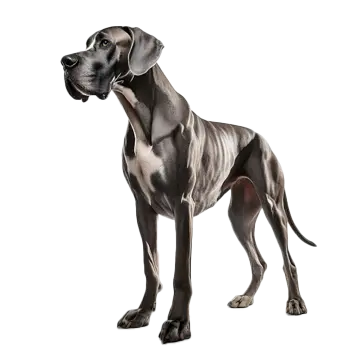

Grand Danois

Great Dane
Gallery coming soon

Furry Critter Network Etsy Shop

Quick Facts

🐕 Breed Group
Working
📏 Size Category
Giant
📏 Height
28-34 inches
⚖️ Weight
110-175 pounds
⏱️ Life Expectancy
7-10 years
🧥 Coat Type
Short, smooth, glossy coat
🎨 Coat Colors
Fawn, brindle, blue, black, harlequin, mantle
😀 Temperament
Friendly, patient, dependable, gentle
🏃 Exercise Needs
Moderate
🎓 Training Difficulty
High
👶 Good with Children
Excellent
🐾 Good with Other Pets
Good with proper socialization

Other Names & Breed Recognition

The Grand Danois carries multiple names reflecting its complex history and widespread international recognition, with different countries and languages using various designations for this impressive breed. The French name Grand Danois translates literally to Great Danish, though the breed's actual origins trace to Germany rather than Denmark. This French designation appears in French-language breed documentation and among French-speaking dog enthusiasts who maintain linguistic tradition. The name emphasizes the breed's grand stature and noble bearing that have captivated dog lovers for centuries.

In Germany, the breed's actual homeland, it's known as Deutsche Dogge, translating to German Mastiff or German Dog. This German name accurately reflects the breed's national origins and development in German territories during the nineteenth century. German breed enthusiasts maintain strong attachment to this designation, emphasizing the breed's true heritage rather than the misleading Danish connection. The German name appears in European breed standards and documentation governed by German kennel organizations who preserve traditional nomenclature.

The English name Great Dane, used throughout most of the English-speaking world, perpetuates historical confusion about the breed's origins. This misleading designation arose during the breed's early development when various large dogs from different regions were collectively called Danish dogs or Great Danes by British and French naturalists. The name stuck despite the breed's actual German development, and efforts to rename it German Boarhound or other more accurate designations never gained widespread acceptance. Today, Great Dane remains the standard English name recognized by major kennel clubs including the American Kennel Club, Kennel Club of the United Kingdom, and Canadian Kennel Club.

In Italian, the breed is called Alano, a name that appears to derive from Alan, referring to the Alani people who may have brought mastiff-type dogs to Europe during migrations. Spanish speakers use Dogo Alemán, translating to German Mastiff, which more accurately reflects the breed's origins. Various other linguistic variations exist across different countries and regions, all referring to the same distinctive giant breed despite nominal differences. Understanding these naming variations helps prospective owners research the breed effectively and prevents confusion when encountering different designations in international contexts.

The Grand Danois enjoys recognition from all major kennel clubs worldwide, reflecting its status as one of the most popular giant breeds internationally. This universal recognition means prospective owners can find registered dogs, participate in organized events, and access breed club resources in virtually any country with established dog fancy infrastructure. The breed's various names across languages and countries reflect its widespread appeal and successful adaptation to diverse cultures while maintaining consistent physical type and gentle temperament that define proper breed character regardless of what name appears on registration papers.

Grand Danois Organizations & Standards

The Grand Danois enjoys recognition from all major international kennel organizations, reflecting its status as one of the world's most recognized and admired giant breeds. The American Kennel Club recognized the breed in 1887, classifying it within the Working Group where it remains today. The AKC standard describes a spirited, courageous, friendly, dependable dog that combines great size with elegant lines and impressive carriage. American standards emphasize balance and proportion despite massive size, requiring dogs who move with grace rather than lumbering clumsiness. AKC-registered Grand Danois compete successfully in conformation shows, obedience trials, and various other performance events throughout the United States.

The Fédération Cynologique Internationale recognizes the breed as Deutsche Dogge under FCI Standard No. 235, classifying it within Group 2, Section 2.1 among Molossian type dogs. The FCI standard, heavily influenced by German breeding practices since the breed developed in German territories, emphasizes nobility of bearing, strength, and elegance combined in harmonious form. It specifies detailed measurements and proportions that create the distinctive Great Dane silhouette. The FCI standard governs breeding and showing across much of Europe and many other countries worldwide that follow FCI guidelines, creating international consistency in breed type.

The Kennel Club of the United Kingdom recognized the breed during the late nineteenth century, establishing standards that British breeders continue following today. The KC standard aligns closely with FCI specifications while maintaining British terminology and slight differences in emphasis. British Great Danes compete in Kennel Club shows and events, with dedicated breed clubs promoting responsible breeding and ownership. The Canadian Kennel Club follows standards very similar to those established by the American Kennel Club, facilitating cooperation between American and Canadian breeding programs and allowing dogs to compete in both countries under familiar judging criteria.

The United Kennel Club includes the Grand Danois in its Guardian Dog Group, reflecting interpretation of the breed's historical working roles. UKC standards maintain core breed characteristics while allowing slight variations from AKC specifications. UKC recognition provides alternative registry options for American breeders and competitive venues through UKC shows and events. The breed's recognition by multiple American registries gives owners choices about which organizations best suit their goals and philosophies regarding breeding, showing, and working evaluations.

National breed clubs exist in virtually every country where Grand Danois populations maintain significant presence, providing education, organizing events, coordinating health research, and promoting responsible breeding practices. The Great Dane Club of America, founded in 1889, serves as the AKC parent club and operates one of the oldest and most comprehensive breed club programs. The GDCA sponsors national specialty shows, maintains health databases, coordinates genetic research, and provides educational resources for breeders and owners. Similar organizations operate in Germany, the United Kingdom, France, and throughout Europe, each working to preserve breed characteristics while addressing health concerns affecting this giant breed.

Breed standards across organizations share fundamental descriptions while allowing subtle differences in emphasis and acceptable variations. All standards describe a large, elegant dog with noble bearing and friendly temperament. Size specifications remain remarkably consistent internationally, calling for males standing minimum thirty inches at the shoulder and females minimum twenty-eight inches, with many individuals exceeding these minimums significantly. Weight generally ranges from one hundred ten to one hundred seventy-five pounds depending on height and gender, though proper proportions matter more than exact weight figures. Standards universally emphasize balance, with every part of the dog fitting together harmoniously despite massive size.

Color patterns receive detailed attention in breed standards, as the Grand Danois appears in several distinct varieties including fawn, brindle, blue, black, harlequin, and mantle. Each color variety maintains dedicated breeding programs, as certain colors should not be crossed to prevent producing mismarked puppies. Fawn and brindle dogs often come from the same breeding programs, as do the harlequin and mantle varieties, while blue and black represent separate color families. These color breeding restrictions help maintain proper markings and prevent genetic combinations that produce cosmetically undesirable though healthy puppies.

Health testing recommendations from breed clubs have become increasingly comprehensive as organizations work to address genetic conditions affecting Grand Danois. Responsible breeders screen breeding stock for hip dysplasia, cardiac conditions including dilated cardiomyopathy, and thyroid disease before breeding. The Great Dane Club of America maintains public health databases where breeders record test results, allowing puppy buyers to research pedigrees and verify that breeders follow recommended protocols. Progressive breed clubs worldwide coordinate research into health issues affecting the breed, working toward longer lifespans and improved quality of life through genetic studies and breeding recommendations. The Grand Danois's universal recognition by major kennel clubs provides infrastructure supporting breed preservation, though ultimate success depends on individual breeders' commitment to maintaining health, temperament, and type that have made these gentle giants beloved companions worldwide.

Kennel Club Recognition

  • American Kennel Club (AKC): Recognized 1887 in Working Group
  • United Kennel Club (UKC): Recognized 1923 in Guardian Dog Group
  • Canadian Kennel Club (CKC): Recognized in Working Group
  • Fédération Cynologique Internationale (FCI): Recognized in Group 2 Section 2.1 - Pinschers and Schnauzers, Molossoid Breeds, Mastiff type
  • The Kennel Club (UK): Recognized in Working Group

Grand Danois Physical Description

The Grand Danois presents one of the most impressive canine silhouettes, combining massive size with elegant proportions and noble bearing that define the breed's appeal. Males typically stand thirty to thirty-four inches at the shoulder, while females measure twenty-eight to thirty-two inches, making them among the tallest dog breeds. Weight ranges from one hundred ten to one hundred seventy-five pounds, distributed across long, powerful frames that emphasize height and reach rather than bulk. The overall impression is one of power, elegance, and grace despite size that places them firmly in the giant breed category.

The head appears rectangular when viewed from any angle, with strong, full, square jaw and blunt muzzle. The skull is flat on top with slight stop between eyes and well-defined brow. The muzzle is deep and rectangular, approximately equal in length to the skull, creating balanced proportions. The nose is black except in blue dogs where dark blue-black is acceptable and in harlequins where black noses are preferred but spotted noses are allowed. The lips are dark, with upper lips fairly pendulous forming definite flews. The overall head expression conveys alertness, intelligence, and courage combined with friendliness that characterizes proper temperament.

The eyes are medium-sized, deep-set, and dark brown in color, creating the intelligent, friendly expression that defines breed character. Light-colored eyes represent serious faults in most color varieties except blue dogs where slightly lighter eyes are acceptable. Eye rims are tight and well-pigmented. The ears are high-set, medium-sized, and of moderate thickness, folding forward close to the cheeks. Natural ears are preferred in many countries where ear cropping is prohibited. In regions where cropping remains legal, ears are cropped long and carried erect, though natural ears appear increasingly common even in countries permitting cosmetic alterations.

The neck is firm, high-set, well-arched, and of good length, widening gradually toward the shoulders. It should be clean with no loose skin or excessive throatiness. The shoulders are strong and well-laid-back, blending smoothly into the neck and allowing the free-swinging, long-reaching movement characteristic of properly structured Grand Danois. The chest is broad, deep, and well-muscled, descending to the elbows. The ribs are well-sprung, creating capacity for heart and lungs while avoiding barrel-chested appearance that impairs movement.

The body demonstrates the square proportions that define breed type, with length from chest to buttocks approximately equal to height at the withers. The back is short and level, the loin slightly arched, and the croup broad and slightly sloping. The underline is tightly muscled with distinct tuck-up. The overall body structure creates powerful athletic build rather than heavy, lumbering appearance. Proper proportions distinguish quality Grand Danois from oversized dogs lacking the balance and elegance that define breed excellence.

The tail sets high as continuation of the spine, broad at the base and tapering uniformly to the hock joint. At rest, it hangs straight or with slight curve. During movement, it curves slightly but should never curl over the back or deviate from the line of the spine. The tail should not be too long, ideally reaching just below the hock. A tail carried too gaily or curled represents fault, as does a tail that's too short or improperly set.

Forelegs are strong, straight, and parallel when viewed from front, with good bone proportionate to overall size. The elbows fit close to the body without turning in or out. The pasterns are strong, short, and slightly sloping. The feet are round and compact with well-arched toes and thick pads. Dewclaws may be removed. Hindquarters show powerful muscling with broad thighs and well-developed second thighs. The stifles are well-bent, and hocks are set low and turn neither in nor out. Rear pasterns are short and perpendicular to the ground. Rear feet match front feet in structure.

The coat is short, thick, smooth, and glossy, lying close to the body. It requires minimal grooming while providing weather protection and creating the sleek appearance that enhances the breed's elegant lines. The coat comes in several distinct color patterns, each with specific standards. Fawn ranges from light golden to deep golden with black mask preferred. Brindle shows golden base with strong black cross stripes in chevron pattern, with black mask preferred. Blue appears pure steel blue without yellow or black shading. Black is glossy pure black without markings. Harlequin features pure white base with black torn patches distributed irregularly over the body. Mantle shows black and white pattern with black blanket over the body and white muzzle, collar, chest, legs, and tail tip.

When moving, the Grand Danois exhibits strong, ground-covering gait that appears effortless despite massive size. The movement is smooth and coordinated, with good reach in front and powerful drive from behind. The topline remains firm and level during movement. The feet converge slightly toward the centerline as speed increases, a normal result of proper structure. The overall movement demonstrates balance, power, and elegance that distinguish quality Grand Danois from dogs whose size creates lumbering, awkward gait. Proper structure allows these giant dogs to move with grace that belies their considerable weight and height, creating the impressive combination of size and elegance that has made the Grand Danois such an admired and distinctive breed recognized worldwide for its unique combination of massive proportions with balanced beauty and noble bearing.

Friendliness
The Grand Danois exemplifies friendliness, greeting family members and visitors with gentle enthusiasm despite imposing size. Their universal love of people creates poor guard dogs but exceptional companions who thrive on human interaction. They genuinely enjoy meeting new people and show remarkably little suspicion toward strangers, making them ideal for social families who appreciate their gentle, welcoming nature toward everyone.
Trainability
The Grand Danois demonstrates good trainability through intelligence and desire to please, learning basic commands readily when training uses positive methods. Their sensitivity requires gentle guidance rather than harsh corrections. Early training proves essential due to their massive size, as untrained adult Grand Danois become difficult to manage. Their willingness to cooperate combined with natural gentleness makes training relatively straightforward for patient owners.
Exercise Needs
Despite imposing size, the Grand Danois requires only moderate exercise including daily walks and brief play sessions totaling forty-five to sixty minutes. They lack the endless stamina of working breeds, preferring leisurely activities over intensive athletics. Puppies and adolescents need careful exercise management to prevent joint damage, while adults appreciate regular activity without demanding marathon sessions. Their moderate needs suit various lifestyles when owners provide consistent daily movement.
Energy Level
The Grand Danois maintains surprisingly low energy for such a large breed, approaching life with calm dignity rather than constant activity. They enjoy brief periods of play but spend much of their time resting peacefully. This low-key temperament makes them more manageable than their size suggests, adapting well to relaxed households. However, they still need daily exercise and mental stimulation to maintain health and prevent boredom.
Barking Level
The Grand Danois barks selectively rather than excessively, typically vocalizing to alert owners of visitors or unusual occurrences. Their deep, impressive bark provides natural deterrent despite friendly nature. They generally remain quiet household companions who prefer actions to excessive vocalization. This moderate tendency makes them suitable for various living situations including suburban neighborhoods where excessive barking would create problems with close neighbors.
Grooming Needs
The short, smooth coat requires minimal grooming including weekly brushing to remove loose hair and maintain healthy shine. They need occasional bathing when dirty but lack extensive coat care requirements. Their nails require regular trimming, and their massive size means drool management becomes part of daily routine for some individuals. Overall grooming demands remain low, making maintenance straightforward despite the dog's considerable size.
Shedding Level
The Grand Danois sheds moderately throughout the year, with their short hair collecting on furniture, clothing, and floors. While individual hairs are short, the dog's massive size means substantial total hair loss. Regular brushing manages shedding effectively and reduces accumulation around the home. Seasonal increases occur but remain moderate compared to heavily coated breeds. Prospective owners should expect regular vacuuming as part of ownership.
Good with Kids
The Grand Danois excels with children, displaying legendary patience and gentleness despite massive size. They tolerate childhood energy, noise, and typical kid behaviors with remarkable good humor. Many dogs naturally assume protective roles toward family children while showing intuitive care around smaller youngsters. Their gentle giant reputation reflects genuine temperament that makes them outstanding family dogs, though supervision with very young children prevents accidental knocking over.
Good with Other Pets
The Grand Danois typically gets along well with other household pets when properly socialized from puppyhood. Their generally friendly nature extends to other dogs, though their size requires monitoring during play with smaller breeds. Many live peacefully with cats and show gentle behavior toward other animals. Early socialization helps ensure positive relationships, while their low prey drive makes them generally safe with various household pets.
Intelligence
The Grand Danois demonstrates good intelligence combined with willingness to cooperate that makes them relatively easy to train. They learn commands quickly and retain training well when methods remain positive and consistent. Their cognitive abilities allow them to master various tasks from basic obedience to more complex activities. However, their gentle nature means they respond poorly to harsh training methods that confuse rather than motivate.
Adaptability
The Grand Danois adapts moderately well to various living situations despite imposing size, succeeding in both homes and apartments when exercise needs are met. They handle routine changes reasonably well and adjust to different family situations. However, their massive size creates space requirements that challenge small homes. They adapt best to families who accommodate their need for comfortable resting areas and gentle daily exercise without demanding extreme lifestyle adjustments.
Watchdog Ability
The Grand Danois provides moderate watchdog capabilities through impressive size and deep bark that naturally deter potential intruders. They alert to approaching strangers reliably but typically greet visitors with friendly curiosity rather than aggression. Their imposing presence alone creates psychological deterrent even without aggressive intent. They function better as gentle giants who announce rather than confront, suitable for families wanting security through presence rather than aggression.

Grand Danois History & Development

The Grand Danois traces its ancestry to ancient mastiff-type dogs that accompanied various peoples during migrations across Europe, though the modern breed as we know it developed during the nineteenth century in German territories. Despite the misleading English name Great Dane suggesting Danish origins, the breed's development occurred primarily in Germany where it was bred to hunt wild boar, one of the most dangerous game animals in European forests. These early boarhounds needed size and strength to confront aggressive prey while possessing courage and determination to hold fierce animals until hunters arrived. The combination of size, power, and bravery created the foundation for the modern Grand Danois.

Various European regions maintained large hunting dogs during medieval and Renaissance periods, with different areas developing slightly different types based on local game and terrain. German nobility particularly valued large, powerful dogs capable of hunting boar and deer. These dogs descended from ancient mastiff stock mixed with sighthound blood that added speed, grace, and elegant proportions distinguishing them from purely mastiff-type dogs. The infusion of sighthound genetics created taller, faster dogs while maintaining the size and strength necessary for holding dangerous game. By the seventeenth and eighteenth centuries, recognizable type had emerged that combined mastiff power with sighthound elegance.

During the nineteenth century, German breeders began standardizing the various large hunting dogs into a unified breed type. The term Deutsche Dogge (German Mastiff) came into use, distinguishing these German-bred dogs from English Mastiffs and other regional varieties. German breeders emphasized elegance and noble bearing alongside size and strength, creating dogs that functioned equally well as impressive estate guardians and companions. The transition from primarily hunting roles to companion and guardian functions began during this period as wild boar populations declined and hunting practices changed with urbanization and industrialization.

In 1876, German breeders declared that all large boarhounds regardless of regional variations should be called Deutsche Dogge, standardizing nomenclature and encouraging unified breeding programs. The first breed standard was written in 1880 by a committee of German breeders who established the characteristics that define modern Grand Danois. These early standards emphasized the balance between size and elegance, requiring dogs who combined impressive stature with graceful movement and noble expression. The establishment of breed standards and dedicated breeding programs transformed scattered regional types into the cohesive breed we recognize today.

The breed's spread across Europe and eventually worldwide occurred during the late nineteenth century as people discovered these impressive dogs' appeal beyond their German homeland. British fanciers imported foundation stock during the 1870s and 1880s, though they continued using the name Great Dane that had become established in English-speaking countries. French breeders adopted the name Grand Danois, maintaining romantic associations with Denmark despite the breed's German origins. This nomenclature confusion persists today, though serious breed historians acknowledge the German development regardless of what name various countries use.

American introduction occurred during the 1880s, with several prominent breeders importing foundation stock from Germany and Britain. The American Kennel Club granted recognition in 1887, providing official registry and competitive venues. The Great Dane Club of America, founded in 1889, established breeding standards and promoted the breed among American dog fanciers. Early American Great Danes came primarily from German and British breeding programs, maintaining close genetic ties to European foundation stock. American breeders initially followed German breeding practices closely, gradually developing slightly different type preferences that created subtle distinctions between American and European lines.

The early twentieth century saw the Grand Danois's role shift definitively from working boarhound to companion and show dog. Wild boar hunting had largely ceased, and the breed's gentle temperament combined with impressive appearance made them increasingly popular as estate dogs and companions for wealthy families who could afford feeding and housing such massive animals. The breed's presence in early dog shows raised visibility, with their imposing size and elegant bearing attracting attention. However, two world wars disrupted European breeding programs significantly, with many historic bloodlines lost during wartime chaos.

Post-World War II recovery proceeded gradually as European and American breeders rebuilt populations. American breeding programs, largely protected from war's destruction, provided genetic material helping restore European lines. During the 1950s and 1960s, the breed's popularity increased significantly as suburbanization created larger properties where families could accommodate giant dogs. The breed's gentle temperament despite imposing size appealed to families seeking impressive but manageable companions. However, popularity also attracted less careful breeders focused on profit rather than quality, creating problems with temperament and health in some lines.

The 1970s through 1990s witnessed both increased popularity and growing awareness of health challenges facing giant breeds. The Grand Danois's relatively short lifespan compared to smaller breeds, typically seven to ten years, concerned breeders and owners. Cardiac conditions particularly dilated cardiomyopathy, bloat, and various skeletal problems including hip dysplasia received increased attention. Progressive breed clubs began emphasizing health testing and funding research into genetic conditions affecting the breed. These efforts continue today, with coordinated international research projects studying longevity and major health conditions.

Color breeding practices evolved significantly during the twentieth century as breeders recognized that certain color crosses produced puppies with serious health problems including deafness and vision issues. The establishment of separate color families, where certain colors should not be crossed, helped reduce these problems while maintaining proper markings within each color variety. Harlequin breeding proved particularly complex, as the genetics producing the striking white and black pattern also create lethal combinations when improper crosses occur. Modern color breeding protocols prevent most genetic problems while producing healthy puppies with correct markings.

The breed's portrayal in popular culture including the comic strip and animated series featuring a talking Great Dane significantly raised public awareness during the late twentieth century. This visibility increased the breed's popularity but also created unrealistic expectations about temperament and care requirements. Breed clubs worked to educate prospective owners about the realities of living with giant dogs including space requirements, feeding costs, and relatively short lifespans. Responsible breeding organizations emphasized that Grand Danois ownership requires commitment and resources appropriate to their size.

Modern Grand Danois breeding emphasizes health, temperament, and type in roughly equal measures. Breeders screen for cardiac conditions, hip dysplasia, and thyroid disease before breeding. They select for gentle, stable temperament that defines proper breed character. Type considerations ensure dogs maintain the balance, elegance, and noble bearing distinguishing quality Grand Danois. International cooperation between breed clubs facilitates sharing of health information and breeding stock, preventing excessive inbreeding while maintaining breed characteristics.

Today the Grand Danois ranks among the most recognizable breeds worldwide, admired for impressive size combined with gentle temperament and elegant beauty. From medieval boarhounds through German breed development to modern gentle giants beloved as family companions, the breed's journey reflects successful transformation from working dog to versatile companion while maintaining the noble bearing and friendly disposition that have made them enduring favorites among people who appreciate dogs combining massive size with truly gentle souls and elegant presence that announces them as one of the canine world's most distinctive and beloved breeds.

Grand Danois Temperament & Personality

The Grand Danois possesses a temperament that contradicts their imposing size, combining gentle affection with friendly openness toward people that has earned them the well-deserved reputation as gentle giants. Despite standing among the tallest dog breeds and weighing as much as a small adult human, they display remarkable gentleness and patience particularly around children. This combination of size and sweet nature creates dogs who simultaneously impress through physical presence while charming through devoted, affectionate personality. Understanding the breed's fundamental gentleness helps prospective owners appreciate that these massive dogs require love and companionship rather than aggressive training or working roles incompatible with their nature.

The breed demonstrates universal friendliness toward people, greeting family members and strangers with tail-wagging enthusiasm and genuine pleasure in human interaction. They genuinely seem to believe every person they meet could become their new best friend, approaching social situations with optimism and trust. This indiscriminate friendliness makes them terrible guard dogs despite impressive size and deep bark. While they alert to approaching visitors reliably, they typically greet intruders with curiosity rather than aggression, perhaps offering to show burglars where valuables are stored. Families seeking protective dogs should choose different breeds, though the Grand Danois's imposing presence alone often deters potential problems through psychological intimidation even without aggressive intent.

Intelligence characterizes the breed, with Grand Danois demonstrating good learning ability and problem-solving skills when motivated appropriately. They grasp basic obedience commands readily and often excel in training situations that use positive reinforcement methods. However, their sensitive nature means harsh corrections or intimidating training approaches prove counterproductive, creating confused, anxious dogs rather than improved compliance. They desperately want to please their people and respond enthusiastically to encouragement and rewards. Training must begin early due to their massive size, as untrained adult Grand Danois become physically impossible to manage when they weigh more than many adult humans.

With children, the Grand Danois typically shows extraordinary patience and gentleness that has made them favorite family dogs for generations. They seem to instinctively understand the need for careful behavior around youngsters, tolerating noise, quick movements, and typical childhood energy with remarkable good humor. Many dogs naturally assume protective roles toward family children, often positioning themselves between kids and perceived threats while never showing aggression. Their size requires supervision with very young children who could be accidentally knocked over during greetings, but their inherent gentleness prevents deliberate harm. Countless families report their Grand Danois forming special bonds with children, becoming devoted companions who enhance childhood through loyal, affectionate presence.

The breed's need for human companionship runs deep, with Grand Danois suffering genuine distress when isolated from family for extended periods. These are not outdoor-only dogs who thrive in kennels or yards separate from household activity. Instead, they need to be with their people, participating in daily life and receiving regular affection and attention. Despite massive size, many dogs act like lap dogs, attempting to curl up with family members on furniture or simply resting their enormous heads on laps for petting. This intense need for companionship means they're unsuitable for people who work long hours without providing midday companionship or for families who view dogs as outdoor ornaments rather than integrated household members.

With other animals, Grand Danois typically display friendly or at worst neutral behavior when properly socialized. Their generally good-natured temperament extends to other dogs, though their size requires monitoring during play with smaller breeds to prevent accidental injuries. Many Grand Danois live peacefully with cats and show gentle behavior toward various household pets. Early socialization helps ensure positive relationships, teaching dogs appropriate interaction with animals of different sizes and species. Their relatively low prey drive compared to hunting breeds makes them generally safe companions for various pets, though individual temperament variations exist.

Energy levels in the Grand Danois surprise many people expecting high-activity dogs from such large animals. Instead, they maintain relatively low energy, approaching life with calm dignity rather than constant motion. They enjoy brief play sessions and daily walks but spend much of their time resting peacefully. This laid-back temperament makes them more manageable than size might suggest, adapting well to households with moderate activity levels. However, they still need regular exercise and mental stimulation to maintain health and prevent boredom. The key lies in providing appropriate activity without demanding the marathon exercise sessions required by working breeds.

Sensitivity defines how Grand Danois perceive and respond to their environment. They pick up on subtle cues in tone of voice, body language, and household atmosphere, adjusting behavior accordingly. This emotional awareness allows them to provide comfort when family members feel sad, maintain calm during stressful situations, and celebrate during happy times. However, their sensitivity also means they become upset by household tension, harsh treatment, or chaotic environments. They require patient, gentle handling and stable households where they feel secure. Training must use positive methods, as these soft-tempered giants shut down when faced with harsh corrections or raised voices.

The breed's gentle nature and desire for companionship create dogs who want nothing more than to be with their people, offering devoted affection and calm presence. They lack the independence or aloofness characterizing some breeds, instead forming intense bonds with family members. Many dogs follow their people from room to room, simply wanting to be nearby even when not actively interacting. This clinginess appeals to people seeking close relationships with their dogs but may overwhelm those preferring more independent pets.

Playfulness exists in the Grand Danois but manifests differently than in smaller, more energetic breeds. They enjoy brief play sessions and can show puppy-like enthusiasm during games, but generally prefer calmer activities. Their size makes rough play potentially dangerous, requiring owners to manage intensity and teach appropriate play behaviors. Many dogs enjoy carrying toys, gentle tug games, and interactive activities that don't require marathon energy expenditure. Understanding their moderate playfulness helps owners provide appropriate outlets without expecting constant action.

The Grand Danois's temperament represents centuries of selection for gentle companionship rather than aggressive working roles. Their combination of massive size with truly sweet, affectionate nature creates remarkable companions who impress through physical presence while winning hearts through devoted personality. Families who appreciate their specific characteristics discover that despite requiring significant resources due to size, these gentle giants repay investment through unwavering loyalty, patient companionship, and the special bond that develops between people fortunate enough to share their lives with these noble, affectionate dogs whose hearts match their considerable physical stature.

Grand Danois Family Life & Living Requirements

The Grand Danois thrives in family environments where their massive size receives accommodation and their need for companionship gets priority. These dogs require more than just physical space; they need integration into family life and regular interaction with their people. Despite impressive stature, they function as indoor dogs who want to be present during family activities rather than isolated outdoors. Successful Grand Danois ownership requires accepting a dog who takes up substantial physical space while demanding relatively modest attention to exercise but extensive commitment to companionship and gentle socialization throughout life.

Housing considerations dominate practical aspects of Grand Danois ownership, as their size creates challenges in smaller homes or apartments. While surprisingly adaptable to various living situations when exercise needs are met, they require space for comfortable resting areas that accommodate their length when stretched out. Doorways, hallways, and rooms must allow passage without constant maneuvering around their bulk. Furniture decisions often account for whether owners allow dogs on couches or beds, as Grand Danois who enjoy furniture share space designed for humans rather than taking small corners. Many families designate specific large dog beds in main living areas, providing comfortable resting spots where dogs can be near family without occupying human furniture.

Fenced yards provide valuable exercise and bathroom break access, though secure fencing must account for the breed's height and strength. Grand Danois rarely attempt jumping fences but their size means shorter fences present escape opportunities if motivation exists. Six-foot fencing typically suffices, installed securely to withstand accidental impacts from large, clumsy moments. However, yards alone never substitute for structured exercise with family members and companionship indoors. Even with extensive outdoor space, Grand Danois suffer when treated as outdoor-only dogs separate from household activity.

Integration with children typically proceeds naturally, as Grand Danois show instinctive gentleness around youngsters. However, their size creates potential for accidental injuries when excited dogs greet enthusiastically or move quickly through spaces containing small children. Teaching dogs calm greetings and children appropriate dog interaction prevents most problems. Many families establish rules including no jumping on people and calm behavior during meals that apply especially when young children are present. Supervision of interactions between large dogs and small children remains essential regardless of the dog's gentle nature, protecting both from accidental harm during normal activities.

The breed integrates well with other household pets when properly socialized, typically showing friendly or neutral behavior toward other animals. Many families keep multiple dogs together, with Grand Danois often befriending smaller breeds despite size differences. However, their size and strength require monitoring during play to prevent accidental injuries to smaller companions. Cats often coexist peacefully with Grand Danois, particularly when dogs join households containing established feline residents who teach appropriate boundaries. Early socialization and gradual introductions facilitate positive relationships across species.

Daily routines benefit from structure ensuring exercise needs receive consistent attention despite relatively modest requirements. Morning and evening walks totaling forty-five to sixty minutes generally suffice for adult Grand Danois, who prefer leisurely activities over intensive athletics. Brief play sessions or training exercises supplement walks while providing mental stimulation. The breed's low energy means they spend much time resting peacefully between activities, making them surprisingly manageable household companions despite size. However, consistent exercise remains important for maintaining healthy weight and preventing boredom.

Managing alone time requires thoughtful planning, as Grand Danois tolerate brief absences but suffer from extended isolation. Families who work full-time should arrange midday visits or consider keeping two dogs who can provide company for each other during human absence. The breed's relatively low energy means they rest contentedly during reasonable alone periods provided they receive adequate companionship during morning and evening. However, dogs left alone extensively often develop separation anxiety or destructive behaviors stemming from loneliness rather than excess energy.

Feeding logistics deserve consideration, as Grand Danois consume substantial quantities of food relative to smaller breeds. High-quality large breed formulas support their growth and health while managing costs associated with feeding giant dogs. Many owners feed from elevated dishes reducing neck strain during meals, particularly important for preventing bloat, a serious condition affecting deep-chested breeds. Dividing daily rations into two or three meals rather than single large feeding may help reduce bloat risk, though research remains inconclusive about prevention strategies beyond avoiding exercise immediately before or after meals.

The breed's relatively short lifespan, typically seven to ten years, represents emotional consideration for prospective owners. Giant breeds rarely live as long as smaller dogs, and families must prepare for losing beloved companions sooner than with breeds living twelve to fifteen years. This reality affects family planning particularly regarding young children who may lose childhood companions during formative years. However, many families find the years shared with Grand Danois, though shorter than desired, provide such rich companionship that accepting abbreviated lifespans becomes worthwhile trade-off for the privilege of living with these gentle giants.

Cost considerations extend beyond food to veterinary care, with many medications dosed by weight resulting in substantially higher expenses than treating smaller dogs. Routine procedures including dental cleaning or surgery carry higher anesthesia risks and costs for giant breeds. Pet insurance or emergency savings funds help manage unexpected veterinary expenses that can reach thousands of dollars for serious conditions or injuries. Prospective owners should honestly assess financial capacity to provide proper care throughout the dog's life.

The breed's drooling varies among individuals but represents reality many owners face. Some Grand Danois drool moderately while others leave slobber trails throughout homes. Keeping towels handy for wiping faces after drinking or during hot weather becomes standard practice. Furniture and clothing protection strategies help manage inevitable drool, though accepting some mess as part of ownership proves necessary for maintaining sanity.

Successful Grand Danois families share characteristics including adequate indoor space accommodating large dogs, financial resources supporting feeding and veterinary costs, acceptance of relatively short lifespans, commitment to daily companionship and gentle handling, and appreciation for gentle giants who take up substantial space while offering devoted affection. Families meeting these requirements discover that despite size-related challenges, Grand Danois enhance daily life through calm presence, patient companionship with children, and the special bond developing between people and these noble dogs whose gentle souls prove as impressive as their considerable physical stature.

Grand Danois Training & Exercise Needs

Training a Grand Danois should begin the moment puppies arrive home, establishing foundation behaviors essential for managing dogs who will grow to massive adult size. These intelligent, sensitive dogs respond beautifully to positive training methods emphasizing rewards, encouragement, and gentle guidance. Early training proves absolutely critical because untrained adult Grand Danois become physically impossible to manage when they weigh more than many humans. A jumping, pulling, or out-of-control giant breed creates dangerous situations for family members and visitors, making proper training non-negotiable aspect of responsible ownership rather than optional activity.

Early socialization forms critical groundwork for well-adjusted adults who confidently navigate various situations without fear or aggression. Puppies need exposure to diverse people including children and elderly individuals, other dogs of various sizes, different environments from urban streets to rural settings, and novel experiences like car rides and veterinary visits during the crucial developmental period between eight and sixteen weeks. Proper socialization creates confident adults who handle life's variations calmly, while inadequate socialization produces fearful or reactive dogs whose size makes behavioral problems particularly dangerous.

Basic obedience training teaches essential commands including sit, stay, come, down, and heel that facilitate everyday management. Grand Danois learn these basics readily when training uses positive reinforcement emphasizing treats, praise, and patience. Their eagerness to please combined with good intelligence creates responsive students who retain training well. However, their sensitivity requires gentle approaches avoiding harsh corrections or raised voices that create confusion rather than improved compliance. Training sessions should remain relatively brief, perhaps ten to fifteen minutes, maintaining enthusiasm rather than causing mental fatigue or resistance.

Leash training deserves particular emphasis, as adult Grand Danois pulling on leash can drag owners dangerously or simply make walks unpleasant struggles. Teaching loose-leash walking while dogs remain manageable size prevents serious problems later. Training begins by rewarding dogs for walking calmly beside handlers, stopping whenever pulling occurs, and resuming only when leash relaxes. Consistency proves essential, as allowing pulling sometimes but not others confuses dogs and slows learning. Front-clip harnesses provide mechanical advantage during training, though proper technique matters more than equipment. Head halters offer additional control options for particularly strong or exuberant dogs.

Recall training, teaching dogs to come reliably when called, provides critical safety skills. Grand Danois need strong recall to prevent potentially dangerous situations where size creates problems. Training progresses gradually from easy situations with minimal distractions toward challenging scenarios with competing interests. Using high-value rewards, enthusiastic praise, and never calling dogs for unpleasant experiences builds reliable responses. Practicing recall regularly throughout the dog's life maintains this essential skill. However, even well-trained Grand Danois should never be off-leash in unfenced areas where their size could create traffic hazards or where they might encounter situations requiring immediate control.

Manners training including preventing jumping on people becomes essential given the breed's size and strength. Grand Danois greeting enthusiastically by jumping can knock adults over and seriously injure children. Teaching dogs to greet calmly with four feet on the floor prevents dangerous situations. This training requires consistency from all family members and visitors, as allowing jumping sometimes but not others creates confusion. Many owners teach dogs to sit automatically when greeting people, providing acceptable alternative behavior that prevents jumping while allowing friendly interaction.

Exercise requirements for Grand Danois remain surprisingly moderate given their size, with adult dogs needing forty-five to sixty minutes of daily activity. Unlike working breeds requiring intensive exercise, Grand Danois prefer leisurely walks and brief play sessions over marathon running or intensive athletics. Their relatively low energy means they spend much time resting peacefully, making them more manageable than size might suggest. However, consistent daily exercise maintains healthy weight, supports cardiovascular health, and provides mental stimulation preventing boredom.

Puppies and adolescents require careful exercise management to prevent joint damage during crucial growth periods. Giant breeds grow rapidly, placing tremendous stress on developing bones and joints. Excessive running, jumping, or rough play during growth can cause permanent joint problems. Veterinarians typically recommend limiting strenuous activity and avoiding activities like jogging alongside bicycles until growth plates close around eighteen to twenty-four months. Gentle walks and controlled play suffice for young Grand Danois, with more vigorous activity appropriate only after skeletal maturity.

Mental stimulation through training, puzzle toys, and varied activities prevents boredom that can lead to destructive behaviors. Grand Danois need mental challenges engaging their intelligence even though they lack the intensive mental stimulation requirements of herding or working breeds. Training new tricks, practicing obedience exercises, or playing interactive games provides cognitive engagement. Rotating toys and varying walking routes introduces novelty preventing monotony. Without adequate mental stimulation, bored dogs may develop problematic behaviors despite receiving appropriate physical exercise.

Advanced training including therapy dog work represents natural fit for many Grand Danois, as their gentle temperament and impressive appearance make them excellent candidates for hospital or nursing home visits. The extensive training required for therapy certification ensures dogs remain calm in various situations, accept handling from strangers, and navigate environments containing medical equipment. Many Grand Danois excel in therapy work, bringing joy to people who appreciate interacting with these gentle giants. Some owners pursue competitive obedience or rally obedience, where the breed's trainability allows success despite lacking the intense drive characterizing traditional obedience breeds.

Consistency across all family members accelerates training progress while preventing confusion. Everyone should use identical commands and expectations, rewarding desired behaviors similarly. Inconsistency creates confused dogs who struggle understanding household rules. Family meetings establishing training protocols ensure unified approaches. Young children can participate in training under adult supervision, learning handling skills while contributing to the dog's education. However, adults must maintain primary training responsibility ensuring consistency and proper technique.

Patience proves essential throughout training, as rushing or demanding too much too quickly creates frustrated dogs and owners. Grand Danois want to please their people and generally respond well to patient, positive training. Celebrating small successes and maintaining realistic expectations about learning timelines creates positive training relationships. The investment in proper training during puppyhood pays dividends throughout the dog's life, transforming potentially unmanageable giants into well-behaved companions who demonstrate the breed's gentle nature and trainability while fitting smoothly into family life despite their considerable size.

Grand Danois Health Concerns

The Grand Danois typically lives seven to ten years, a shorter lifespan than most breeds reflecting general patterns where larger dogs live fewer years than smaller ones. This abbreviated longevity represents emotional consideration for prospective owners who must accept that time with their beloved companions will be limited compared to breeds living twelve to fifteen years. However, responsible breeding, proper care, and advances in veterinary medicine help maximize lifespan and quality of life. Understanding common health issues allows owners to provide appropriate preventive care and recognize problems early when treatment proves most effective.

Common Health Issues

  • Dilated cardiomyopathy represents one of the most serious conditions affecting Grand Danois, causing the heart muscle to weaken and the heart chambers to enlarge.
  • Regular cardiac screening helps detect early changes before symptoms appear, though no prevention currently exists for this genetic condition.
  • Bloat, technically called gastric dilatation-volvulus, occurs when the stomach fills with gas and may twist, cutting off blood supply and creating life-threatening emergency requiring immediate surgical intervention.
  • Risk factors include deep chest, eating single large meals, and exercise around mealtimes, though bloat can occur without obvious triggers.
  • Hip dysplasia causes abnormal hip joint development leading to arthritis and reduced mobility, particularly concerning for giant breeds whose weight stresses joints.
  • Elbow dysplasia affects some individuals, causing front leg lameness and arthritis.

Preventive Care & Health Monitoring

  • Risk factors include deep chest, eating single large meals, and exercise around mealtimes, though bloat can occur without obvious triggers.
  • Regular veterinary examinations twice yearly allow early detection of developing health issues before they become serious.
  • Vaccinations protect against preventable infectious diseases throughout the dog's life.
  • Dental care including daily brushing and professional cleanings prevents periodontal disease affecting overall health beyond oral health.

Other cancers including lymphoma and hemangiosarcoma also affect the breed at concerning rates. Early detection through regular veterinary examinations and awareness of subtle changes in behavior or physical condition improves treatment outcomes and quality of life for affected dogs.

Grand Danois Grooming & Maintenance

The Grand Danois's short, smooth coat requires minimal grooming compared to many breeds, making maintenance straightforward despite the dog's considerable size. The coat naturally sheds dirt and maintains healthy shine with basic care, characteristics making them appealing to owners seeking low-maintenance grooming routines. However, while coat care remains simple, other maintenance aspects including nail trimming and managing their large body require time and effort appropriate to giant breed ownership.

Weekly brushing sessions maintain coat health while removing loose hair and distributing natural oils. A rubber curry brush or hound glove works effectively on the short coat, massaging skin while collecting dead hair through circular motions. These sessions take ten to fifteen minutes, providing bonding opportunities while allowing owners to check for injuries, lumps, parasites, or skin problems. The breed sheds moderately year-round, with brushing helping manage loose hair that otherwise accumulates on furniture and floors. While not excessive shedders like some heavily coated breeds, their size means substantial total hair loss requiring regular vacuuming.

Bathing frequency depends on individual lifestyle and coat condition, though generally Grand Danois need bathing only every six to eight weeks unless they become particularly dirty. Their short coat naturally repels some dirt, and they lack strong doggy odor when kept reasonably clean. Using dog-specific shampoo maintains proper coat texture and skin health. Thorough rinsing prevents residue causing irritation or dullness. Bathing giant dogs presents logistical challenges, with many owners using commercial dog washing facilities offering large tubs and professional dryers rather than wrestling with massive wet dogs in home bathtubs. Professional grooming services handle bathing for reasonable fees, often easier than home attempts given the breed's size.

Nail maintenance requires regular attention every three to four weeks, as most Grand Danois don't wear nails naturally to appropriate length through exercise alone. Long nails force dogs to walk awkwardly, potentially causing long-term joint damage particularly concerning for giant breeds whose weight already stresses joints. Trimming massive paws requires sturdy clippers designed for large dogs. Some owners prefer professional handling of nail care, particularly if dogs resist the procedure. Starting nail care during puppyhood helps dogs accept handling calmly rather than fighting as adults when their size makes resistance dangerous.

Ear care prevents infections through regular inspections and gentle cleaning. Weekly checks for redness, excessive wax, or unpleasant odor indicating problems should become routine. Gentle cleaning with veterinarian-approved cleaner removes normal wax buildup. The breed's natural ears or cropped ears both require attention, though natural ears need slightly more vigilance as they can trap moisture. Dogs who swim or live in humid climates require more frequent ear care than those in dry environments.

Dental hygiene significantly impacts overall health despite being frequently overlooked. Daily tooth brushing using dog-specific toothpaste prevents plaque accumulation leading to periodontal disease and systemic health problems. Most dogs accept tooth brushing when introduced gradually with positive reinforcement. Dental chews and appropriate chew toys provide supplementary cleaning. Professional dental cleanings performed by veterinarians under anesthesia remove accumulated tartar. Regular dental maintenance contributes to longer, healthier lives while preventing painful dental disease and expensive treatments.

Drool management becomes daily reality for many Grand Danois owners, as the breed's pendulous lips create drooling particularly after drinking water or during hot weather. Keeping towels strategically located throughout the home allows quick cleanup. Some owners wipe their dogs' mouths after drinking to prevent drool trails. Accepting some mess as inevitable aspect of giant breed ownership prevents frustration. Individual variation exists, with some dogs drooling heavily while others remain relatively neat.

Managing the breed's massive size creates unique maintenance challenges. Their height means they can reach countertops and tables, requiring thoughtful household management. Their length when stretched out requires appropriate resting spaces. Their weight stresses joints, making proper bedding important for comfort and health. Orthopedic dog beds designed for giant breeds provide support reducing joint pressure. Many owners place beds in main living areas allowing dogs to rest near family without occupying human furniture.

The breed's short coat means they feel temperature extremes more than heavily coated breeds. They appreciate warm resting areas during cold weather, with some owners providing sweaters or coats for outdoor time in frigid conditions. Summer heat can be challenging, requiring access to cool, shaded areas and fresh water. Some owners avoid midday walks during hot weather, exercising during cooler morning and evening periods instead.

Veterinary care logistics require consideration, as transporting massive dogs to clinics and handling them during examinations creates challenges. Some veterinary practices specialize in large breeds, offering facilities accommodating giant dogs more easily. Emergency situations requiring lifting or moving injured Grand Danois present serious difficulties, with owners needing plans for managing such scenarios. Pet insurance or emergency savings funds help manage veterinary costs that scale with the dog's size.

The Grand Danois's grooming needs, while modest regarding coat care, require commitment to regular maintenance appropriate to their size. Owners who establish consistent routines for brushing, bathing, nail care, and general health monitoring find maintenance manageable. The breed's short coat and generally clean nature make them lower maintenance than many breeds despite their size. However, the logistics of caring for giant dogs require realistic assessment before acquisition, ensuring prospective owners understand the time, effort, and expense involved in maintaining the health and comfort of dogs whose considerable size creates unique challenges alongside their many wonderful qualities.